
- Part 1. What battery does an electric shaver use?
- Part 2. What type of battery is used in electric shavers?
- Part 3. How does an electric shaver battery system work?
- Part 4. Typical electric shaver battery specifications
- Part 5. Why modern shavers prefer lithium batteries
- Part 6. How long does an electric razor battery last?
- Part 7. Why do electric shaver batteries fail?
- Part 8. Can you replace an electric shaver battery?
- Part 9. Safety standards for electric shaver batteries
- Part 10. FAQs
Electric shavers have become an essential grooming tool for millions of people worldwide. While most users focus on shaving performance, waterproof ratings, and charging speed, the battery inside the device is what ultimately determines runtime, lifespan, portability, and overall user experience.
Many people ask questions such as:
- What battery does an electric shaver use?
- Does an electric razor have a lithium battery?
- Do electric shavers use rechargeable batteries?
- Can a shaver battery be replaced?
The answer depends on the age, design, and quality of the shaver. While older models often relied on AA batteries or nickel-metal hydride (NiMH) batteries, most modern electric razors now use lithium-ion batteries because they provide longer runtime, faster charging, and better energy efficiency.
In this guide, you’ll learn everything about electric shaver batteries, including battery types, specifications, lifespan, replacement options, and why lithium batteries have become the industry standard.
Key takeaways
- Most modern electric shavers use rechargeable lithium-ion batteries.
- Older or budget models may still use NiMH or AA batteries.
- Lithium-ion batteries offer longer runtime, faster charging, and lighter weight.
- Lithium polymer batteries are increasingly used in slim premium shavers.
- Typical shaver batteries operate at 3.6V or 3.7V.
- A quality shaver battery can last 3–7 years or hundreds of charging cycles.
- Battery selection significantly impacts performance, charging speed, and product lifespan.
Part 1. What battery does an electric shaver use?
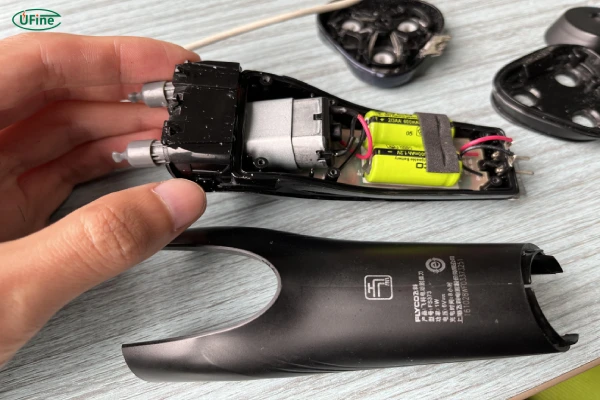
Electric shavers can use several different battery technologies. The battery type depends on when the product was manufactured and its target market.
| Shaver Type | Common Battery Type |
|---|---|
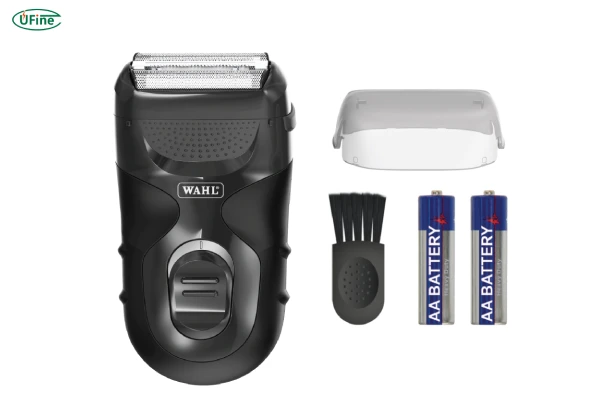
| Disposable or travel shavers | AA alkaline battery |
| Older rechargeable shavers | NiMH battery |
| Mid-range rechargeable shavers | Lithium-ion battery |
| Premium waterproof shavers | Lithium-ion battery |
| Ultra-thin premium shavers | Lithium polymer battery |
Today, lithium-ion batteries are by far the most common solution because they deliver high energy density while maintaining a compact size.
Most electric shavers sold today use lithium batteries.
This transition occurred because consumers increasingly expect:
- Longer runtime
- Shorter charging times
- Lightweight designs
- Cordless operation
- Better battery lifespan
Lithium-ion batteries can store significantly more energy than NiMH batteries of the same size. As a result, manufacturers can design smaller and lighter products without sacrificing performance.
Many modern waterproof shavers and premium grooming devices now rely entirely on lithium battery technology.
However, some entry-level or older electric shavers may still use NiMH batteries or replaceable AA batteries.
If your shaver supports fast charging, USB charging, or provides 60–90 minutes of runtime on a single charge, it most likely uses a lithium-ion battery.
Part 2. What type of battery is used in electric shavers?
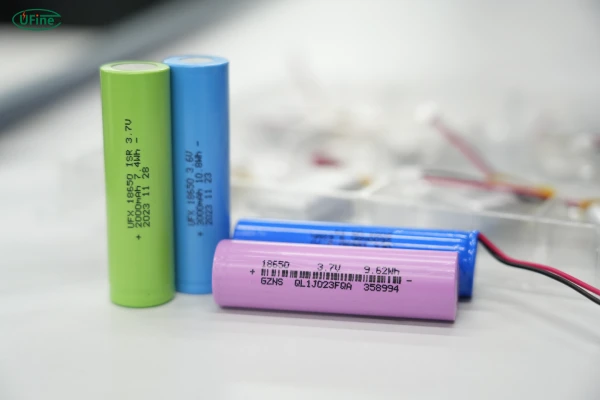
The three most common battery chemistries are:
1 Lithium-ion batteries
Lithium-ion batteries are the current industry standard.
Advantages include:
- High energy density
- Fast charging capability
- Long cycle life
- Lightweight construction
- Low maintenance
Most modern electric razors use lithium-ion cells with capacities ranging from 500mAh to 2000mAh.
2 Lithium polymer batteries
Lithium polymer (LiPo) batteries are a variation of lithium-ion technology.
Their biggest advantage is design flexibility.
Manufacturers can create:
- Ultra-thin batteries
- Curved batteries
- Custom-shaped batteries
This makes LiPo batteries ideal for premium electric shavers that prioritize sleek designs and ergonomic handling.
3 Nickel-metal hydride batteries
NiMH batteries were once common in rechargeable shavers.
While they remain relatively safe and affordable, they have several disadvantages compared with lithium batteries:
- Lower energy density
- Longer charging times
- Higher self-discharge rates
- Heavier weight
As a result, their market share continues to decline.
Lithium-ion vs LiPo vs NiMH for electric shavers
| Feature | Li-ion | LiPo | NiMH |
|---|---|---|---|
| Energy Density | High | High | Medium |
| Weight | Light | Very Light | Heavy |
| Shape Flexibility | Low | Excellent | Low |
| Fast Charging | Yes | Yes | Limited |
| Cost | Moderate | Higher | Lower |
| Typical Use | Most shavers | Premium slim shavers | Older models |
For most manufacturers, lithium-ion offers the best balance of performance and cost. LiPo batteries are often chosen when design flexibility is a priority.
Part 3. How does an electric shaver battery system work?
An electric shaver contains more than just a battery cell.
A typical battery system includes:
Battery Cell → Protection Circuit → Charging Circuit → Motor → Shaving Head
Each component performs a specific function:
Battery Cell
Stores electrical energy.
Protection Circuit (PCM/BMS)
Protects against:
- Overcharging
- Over-discharging
- Short circuits
- Overcurrent
The protection circuit inside shaver batteries is closely related to PCM and BMS technologies, which are explained in detail in our guide on PCM vs BMS differences.
Charging Circuit
Regulates charging voltage and current.
Motor
Converts electrical energy into mechanical motion.
Shaving Head
Uses motor power to cut facial hair efficiently.
The battery and motor are typically the two largest power-related components inside the device.
Part 4. Typical electric shaver battery specifications
Battery specifications vary depending on product size and performance requirements.
| Parameter | Typical Value |
|---|---|
| Nominal Voltage | 3.6V–3.7V |
| Capacity | 500–2000mAh |
| Chemistry | Li-ion or LiPo |
| Charging Time | 1–2 hours |
| Runtime | 45–120 minutes |
| Cycle Life | 300–800 cycles |
Premium models may include larger battery packs to support fast charging and extended runtime.
Part 5. Why modern shavers prefer lithium batteries
The shift toward lithium batteries is driven by performance improvements.
Higher energy density
Lithium batteries store more energy in the same physical space.
This allows manufacturers to build smaller devices while maintaining long runtimes.
Faster charging
Many modern shavers can achieve a full charge in approximately one hour.
Some models even offer quick-charge functions that provide a single shave after only a few minutes of charging.
Lower weight
A lighter battery contributes to a more comfortable shaving experience.
Longer lifespan
Lithium batteries generally maintain usable capacity for more charge cycles than older battery technologies.
Part 6. How long does an electric razor battery last?
A quality electric shaver battery typically lasts between 3 and 7 years.
Battery lifespan depends on factors such as:
- Charging habits
- Storage temperature
- Frequency of use
- Battery quality
- Charging circuit design
Most lithium batteries can withstand several hundred charge cycles before noticeable capacity loss occurs.
Signs of battery aging include:
- Reduced runtime
- Longer charging times
- Unexpected shutdowns
- Difficulty holding a charge
Use our online calculator to estimate battery runtime:
Part 7. Why do electric shaver batteries fail?
Battery failure usually results from one or more of the following causes.
Aging
All rechargeable batteries gradually lose capacity over time.
Excessive heat
High temperatures accelerate battery degradation.
Deep discharge
Repeatedly draining the battery to extremely low levels can shorten lifespan.
Overcharging
Modern protection circuits reduce this risk, but poor charging systems can still damage batteries.
Moisture damage
Water intrusion can damage both the battery and associated electronics.
Part 8. Can you replace an electric shaver battery?
In many cases, yes.
Some electric shavers are designed with replaceable battery packs, while others require partial disassembly.
Before replacing a battery, verify:
- Battery chemistry
- Voltage rating
- Capacity
- Connector type
- Physical dimensions
Installing an incompatible battery can damage the shaver or create safety risks.
For premium waterproof models, battery replacement may affect water resistance if not performed correctly.
Part 9. Safety standards for electric shaver batteries
Electric shaver batteries must comply with various international safety standards.
Common certifications include:
- UN38.3
- IEC 62133
- CE
- RoHS
- UL
These standards help ensure batteries can be transported, charged, and used safely in consumer products.
For manufacturers, choosing certified battery suppliers is essential for regulatory compliance and product reliability.
To ensure compliance and safety, manufacturers often follow strict battery certification requirements, which you can learn more about in our battery certification standards.
Part 10. FAQs
1. Can a low battery affect shaving performance?
Yes. When voltage drops, the motor speed decreases, which can lead to uneven cutting, pulling hair, or reduced shaving efficiency.
2. Why does my electric shaver lose power quickly after charging?
This is usually caused by battery aging, reduced capacity, or degradation of lithium cells after hundreds of charge cycles.
3. Do waterproof electric shavers use different batteries?
No. Waterproofing does not change battery chemistry, but it requires sealed battery compartments and higher protection standards.
4. Can temperature affect electric shaver battery life?
Yes. High temperatures accelerate lithium battery aging, while extremely low temperatures reduce discharge efficiency and runtime.
Related Tags:

More Articles
Buck vs. Boost vs. Buck-Boost Converter: Which Is Best for Battery?
Not sure which converter your battery-powered device needs? Compare Buck, Boost, and Buck-Boost designs and discover what affects voltage stability and runtime.
How to Match 18650 Cells for a Reliable Battery Pack?
Building an 18650 battery pack? Learn how to compare cell capacity, voltage, and internal resistance to avoid mismatches and improve reliability.
Why Do 18650 Battery Packs Get Hot During Discharge?
Is your 18650 battery pack overheating under load? Learn what causes excess heat, how to spot dangerous symptoms, and what to do next.
18650 Battery BMS: How to Get the Specs Right
Learn how to choose a BMS for an 18650 battery pack. Compare voltage, current ratings, protection features, and balancing before you buy.
Why Does My Ring Camera Battery Drain So Fast or Stop Charging?
Is your Ring camera battery draining fast or not charging? Discover common causes, practical fixes, and when to replace the battery.


