- Key takeaways
- Part 1. What is lithium?
- Part 2. Is lithium a salt or a metal?
- Part 3. What are lithium salts?
- Part 4. Why are lithium salts essential in battery production?
- Part 5. How is lithium converted into lithium salts?
- Part 6. Lithium vs lithium salt: side-by-side comparison
- Part 7. Why don't most batteries use pure lithium metal?
- Part 8. Which lithium salt is best for batteries?
- Part 9. How are lithium salts stored in battery factories?
- Part 10. Is lithium found in sea salt?
- Part 11. Future trends for lithium salts
- Part 12. FAQs about lithium vs lithium salts
What is the difference between lithium and lithium salts in batteries?
In short: Lithium is a pure metal element, while lithium salts are stable compounds derived from lithium, widely used in modern lithium-ion batteries.
This distinction matters for battery engineers, EV makers, and energy storage professionals, affecting performance, safety, and manufacturing decisions.
Key takeaways
- Lithium is a soft, highly reactive metal element (Li).
- Lithium salts are stable compounds containing lithium and other elements.
- Most commercial lithium-ion batteries use lithium salts, not pure lithium metal.
- Lithium carbonate, lithium hydroxide, and LiPF₆ are among the most important lithium salts in battery production.
- Lithium salts are used in cathodes and electrolytes, directly affecting battery performance, safety, and lifespan.
- Pure lithium metal offers higher energy density but presents significant safety and manufacturing challenges.
- Future solid-state batteries may increase the use of lithium metal, but lithium salts will remain critical battery materials.
Part 1. What is lithium?
Lithium is a naturally occurring chemical element with the symbol Li and atomic number 3. It is the lightest metal on the periodic table and one of the most reactive elements.
Key properties include:
- Extremely lightweight
- High electrochemical potential
- Excellent energy-storage capability
- Highly reactive with air and water
Because of these characteristics, lithium became the foundation of modern rechargeable batteries.
However, despite its importance, pure lithium metal is rarely used directly in conventional lithium-ion batteries because it reacts quickly with moisture and oxygen. This makes storage, transportation, and manufacturing more difficult.
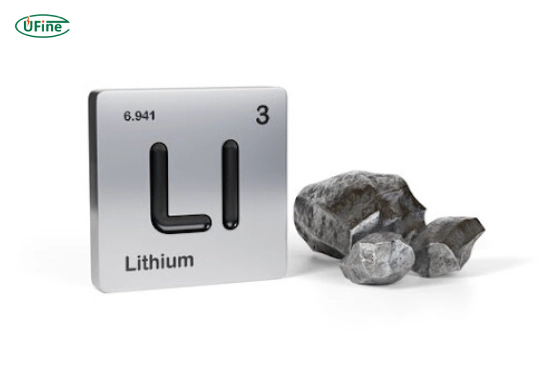
For a deeper look at lithium sources and production, see our guide on: Where Do Lithium Batteries Come From?
Part 2. Is lithium a salt or a metal?
One of the most searched questions online is: Is lithium a salt or metal?
Lithium is a metal, not a salt.
Lithium belongs to the alkali metal group on the periodic table. Like sodium and potassium, it readily reacts with other substances.
When lithium combines with acids or other chemical compounds, it forms lithium salts.
Examples include:
| Lithium Salt | Chemical Formula |
|---|---|
| Lithium Carbonate | Li₂CO₃ |
| Lithium Hydroxide | LiOH |
| Lithium Chloride | LiCl |
| Lithium Hexafluorophosphate | LiPF₆ |
Therefore:
- Lithium = metal element
- Lithium salt = chemical compound containing lithium
This distinction is fundamental to battery manufacturing.
Part 3. What are lithium salts?
Lithium salts are chemical compounds produced when lithium reacts with other elements or molecules.
Compared with pure lithium metal, lithium salts are:
- More chemically stable
- Easier to transport
- Safer to store
- Easier to process into battery materials
Common lithium salts used throughout the battery industry include:
Lithium Carbonate (Li₂CO₃)
Often used as a precursor material for:
- LFP batteries
- NMC batteries
- Various cathode materials
Lithium Hydroxide (LiOH)
Preferred for:
- High-nickel NMC cathodes
- NCA battery chemistries
- High-energy EV batteries
Lithium Hexafluorophosphate (LiPF₆)
The dominant electrolyte salt used in commercial lithium-ion batteries.
Lithium Chloride (LiCl)
Used primarily in industrial and chemical applications.
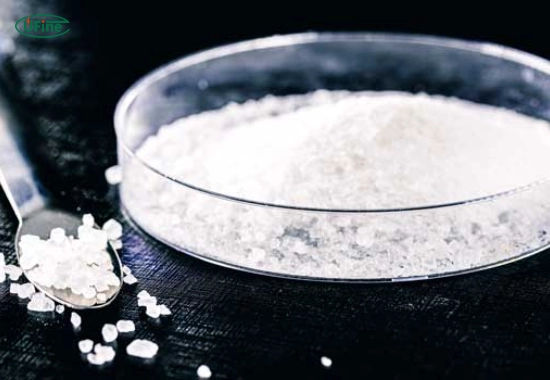
For a detailed explanation, read: What Are Lithium Salts and Why They Matter in Battery Electrolytes?
Part 4. Why are lithium salts essential in battery production?
Modern lithium-ion batteries depend heavily on lithium salts.
1. Cathode Manufacturing
Battery-grade lithium carbonate and lithium hydroxide are used to manufacture cathode materials such as:
- Lithium Iron Phosphate (LFP)
- Nickel Manganese Cobalt (NMC)
- Lithium Cobalt Oxide (LCO)
- Nickel Cobalt Aluminum (NCA)
The purity of the lithium salt directly influences battery quality and consistency.
2. Electrolyte Formation
Lithium salts enable ion transport inside batteries.
The most common example is: LiPF₆ (Lithium Hexafluorophosphate)
Its primary role is transporting lithium ions between the anode and cathode during charging and discharging.
Without lithium salts, lithium-ion batteries could not function efficiently.
3. Battery Performance
The selected lithium salt affects:
- Energy density
- Fast-charging capability
- Thermal stability
- Cycle life
- Low-temperature performance
- Safety
As battery technology evolves, advanced salts such as LiFSI and LiTFSI are gaining attention for high-performance applications.
Part 5. How is lithium converted into lithium salts?
Commercial lithium typically comes from two major sources:
Lithium Brine
Found in salt lakes and evaporation ponds, particularly in South America.
Hard-Rock Mining
Primarily extracted from spodumene ore, especially in Australia.
After extraction, lithium undergoes chemical refinement to create battery-grade lithium salts.
Typical processes include:
| Process | Output |
|---|---|
| Lithium concentrate + sodium carbonate | Lithium carbonate |
| Lithium carbonate + lime | Lithium hydroxide |
| Lithium fluoride + phosphorus compounds | LiPF₆ |
Battery manufacturers generally require purity levels above 99.5%, and premium applications may demand even higher specifications.
Part 6. Lithium vs lithium salt: side-by-side comparison
| Property | Lithium Metal | Lithium Salts |
|---|---|---|
| Chemical Form | Pure element (Li) | Chemical compounds |
| Stability | Highly reactive | More stable |
| Battery Usage | Limited today | Widely used |
| Safety | Challenging | Easier to manage |
| Transportation | Strict controls required | Easier shipping |
| Manufacturing | Difficult | Industry standard |
| Main Function | Energy storage material | Cathode and electrolyte materials |
For most commercial batteries, lithium salts are the practical choice.
Part 7. Why don’t most batteries use pure lithium metal?
Lithium metal offers an extremely high theoretical energy density.
However, it introduces several challenges:
Dendrite Formation
Lithium dendrites can grow during charging and eventually cause internal short circuits.
Safety Risks
Lithium metal reacts aggressively with:
- Water
- Humidity
- Oxygen
This increases fire and handling risks.
Manufacturing Complexity
Lithium metal batteries require:
- Specialized equipment
- Controlled environments
- Advanced battery designs
Because of these challenges, lithium-ion batteries based on lithium salts remain the dominant technology today.
Part 8. Which lithium salt is best for batteries?
There is no universal answer. The best lithium salt depends on the battery chemistry and application.
For LFP Batteries
Most manufacturers use: Lithium carbonate (Li₂CO₃)
For High-Nickel EV Batteries
Many manufacturers prefer: Lithium hydroxide (LiOH)
For Electrolytes
The industry standard remains: Lithium hexafluorophosphate (LiPF₆)
Emerging alternatives include:
- LiFSI
- LiTFSI
These next-generation lithium salts may improve:
- Thermal stability
- Fast charging
- High-voltage performance
Part 9. How are lithium salts stored in battery factories?
Many lithium salts are hygroscopic, meaning they absorb moisture from the air.
To maintain battery quality, manufacturers use:
- Dry rooms
- Sealed containers
- Controlled humidity systems
- Clean production environments
Proper storage helps prevent:
- Contamination
- Chemical degradation
- Reduced battery performance
Part 10. Is lithium found in sea salt?
Another common search query is: Lithium in sea salt: does sea salt contain lithium?
Yes. Natural seawater contains trace amounts of dissolved lithium ions. As a result, some sea salts contain very small amounts of lithium.
However:
- The concentration is extremely low.
- Sea salt is not a commercial source of battery-grade lithium.
- Industrial lithium production mainly relies on brine extraction and hard-rock mining.
According to the U.S. Geological Survey (USGS), economically viable lithium production requires significantly higher lithium concentrations than those found in table salt or food-grade sea salt.
Part 11. Future trends for lithium salts
Global demand for lithium salts continues to grow due to:
- Electric vehicles
- Renewable energy storage
- Consumer electronics
- Grid-scale battery systems
Several trends are shaping the future:
Advanced Electrolyte Salts
Researchers are developing new electrolyte formulations with improved safety and performance.
Solid-State Batteries
Solid-state designs may combine lithium metal with advanced lithium salts to achieve higher energy density.
Battery Recycling
More recycling facilities are recovering lithium salts from used batteries, reducing dependence on newly mined materials.
Regional Supply Chains
Many countries are investing in domestic lithium refining capacity to improve supply security.
For battery manufacturers, lithium salts will remain one of the most important raw materials in the energy transition.
Part 12. FAQs about lithium vs lithium salts
Is lithium the same as lithium salt?
No. Lithium is a pure metal element, while lithium salts are chemical compounds containing lithium. Most lithium-ion batteries rely on lithium salts rather than metallic lithium.
What is the most common lithium salt used in batteries?
Lithium hexafluorophosphate (LiPF₆) is currently the most widely used electrolyte salt in commercial lithium-ion batteries.
Is lithium a salt?
No. Lithium is an alkali metal. Lithium salts are compounds formed when lithium reacts with other substances.
Why are lithium salts preferred over lithium metal?
Lithium salts are more stable, safer to handle, easier to transport, and better suited for large-scale battery manufacturing.
Can lithium salts be recycled from used batteries?
Yes. Modern battery recycling technologies can recover lithium-containing materials and convert them back into battery-grade lithium salts for reuse.
Related Tags:

More Articles

JST vs Molex: The Right Battery Connector Choice
JST or Molex for your battery? Learn how connector selection affects current, voltage drop, reliability, and device performance.
Custom Battery Pricing: Costs Manufacturers Don’t Mention
A low battery quote may not be the final cost. Discover common hidden expenses that affect custom lithium battery projects.
Battery Wire Length: Hidden Cause of Power Loss
A longer battery wire can cause voltage drop, power loss, and unstable operation. Learn how wire length affects battery performance.
How Device Sleep Modes Affect Battery Life
Think sleep mode extends battery life? Learn why devices still drain power and how firmware, hardware, and batteries affect runtime.
LiPo Battery and PCB Design: Clearance, Insulation, and Placement
Learn how to optimize LiPo battery PCB clearance, insulation, placement, wiring, and thermal design—and avoid common integration mistakes.