
- Key Takeaways
- Part 1. What is a lantern battery?
- Part 2. Common lantern battery types
- Part 3. Lantern battery sizes and voltages
- Part 4. Rechargeable vs disposable lantern batteries
- Part 5. How long does a lantern battery last?
- Part 6. What affects lantern battery performance?
- Part 7. Signs your lantern battery needs replacement
- Part 8. How to choose the best battery for a lantern?
- Part 9. Custom lantern battery solutions from ufine battery
- Part 10. Lantern battery safety tips
- Part 11. Lantern battery FAQs
You’ve probably seen a lantern battery before. These large rectangular batteries are commonly used in camping lanterns, emergency lights, industrial flashlights, and backup lighting systems.
A lantern battery is a high-capacity battery designed to deliver stable power for long periods. Compared with standard AA or AAA batteries, lantern batteries are larger, offer higher energy storage, and are built for applications where dependable lighting is critical.
Today, lantern batteries are used in:
- Camping lanterns
- Emergency lighting systems
- Construction and industrial work lights
- Marine and RV lighting
- Portable safety equipment
- Backup lighting during power outages
The most common options are the 6V lantern battery and the 12V lantern battery, though rechargeable lithium systems are becoming more popular in modern lantern designs.
Key Takeaways
- The 6V lantern battery remains the most widely used format for portable lanterns and emergency lights.
- 12V lantern batteries are typically used in brighter or industrial-grade lighting systems.
- Common chemistries include zinc-carbon, alkaline, lithium, lead-acid, and NiMH rechargeable batteries.
- Disposable lantern batteries offer long shelf life for emergency preparedness.
- Rechargeable lantern batteries reduce long-term operating costs and waste.
- Lithium lantern batteries perform better in cold weather and provide longer runtime.
- Always match battery voltage and terminal type to your lantern specifications.
Part 1. What is a lantern battery?
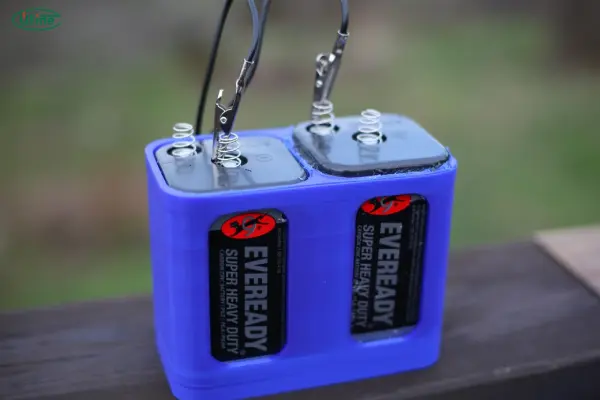
A lantern battery is a large-format battery pack designed to power lanterns or high-drain portable lighting devices.
Unlike small consumer batteries, lantern batteries focus on:
- Longer runtime
- Higher capacity
- Stable voltage output
- Better durability in outdoor or industrial conditions
Traditional lantern batteries usually have spring terminals on top and come in rectangular shapes. Many disposable lantern batteries are still widely used in emergency kits because of their long shelf life.
Modern lantern systems increasingly use rechargeable lithium battery packs with USB charging support.
Part 2. Common lantern battery types
Lantern batteries are available in several battery chemistries. Each type offers different performance, cost, and lifespan characteristics.
1 Zinc-carbon lantern batteries
Zinc-carbon batteries are inexpensive and commonly found in basic lanterns.
Best for:
- Low-drain devices
- Short-term emergency use
- Budget applications
Limitations:
- Shorter runtime
- Poor cold-weather performance
- Lower energy density
2 Alkaline lantern batteries
Alkaline lantern batteries are one of the most common disposable options.
Advantages:
- Longer shelf life
- Better runtime than zinc-carbon
- Widely available
Best for:
- Emergency lanterns
- Household backup lighting
- Camping trips
3 Lithium lantern batteries
Lithium batteries offer the best overall performance for demanding environments.
Advantages:
- Lightweight
- Long runtime
- Excellent cold-weather performance
- Low self-discharge rate
Best for:
- Outdoor camping
- Marine use
- Winter environments
- Professional lighting systems
For more battery chemistry comparisons, see: Alkaline vs. Carbon-Zinc vs. Lithium Batteries
4 Lead-acid lantern batteries
Sealed lead-acid batteries are often used in rechargeable lantern systems.
Advantages:
- Stable power output
- Reliable under heavy load
- Lower upfront cost
Limitations:
- Heavy weight
- Longer charging time
5 NiMH rechargeable lantern batteries
NiMH batteries are rechargeable and more environmentally friendly than disposable options.
Advantages:
- Reusable
- Lower long-term cost
- Safer than some older chemistries
Best for:
- Frequent lantern users
- Work lighting
- Sustainable energy setups
Part 3. Lantern battery sizes and voltages
Choosing the correct voltage is critical. Using the wrong lantern battery can damage the device or reduce performance.
Common lantern battery sizes:
| Battery Type | Voltage | Typical Applications |
|---|---|---|
| Flat Lantern Battery | 4.5V | Small lanterns and vintage lights |
| Standard Lantern Battery | 6V | Camping lanterns, emergency lighting |
| Industrial Lantern Battery | 12V | High-output lanterns and work lights |
1 6V lantern battery
The 6V lantern battery is the most widely used lantern battery size.
Common uses include:
- Camping lanterns
- Emergency flashlights
- Portable signaling lights
- Construction safety lighting
Many users also search for 6V lantern battery Bunnings when looking for replacement batteries for camping or emergency equipment.
2 12V lantern battery
A 12 volt lantern battery delivers higher power for brighter lighting systems.
Best for:
- Industrial work lights
- Marine lanterns
- Large LED lantern systems
- Outdoor emergency setups
A 12V lantern battery is often paired with rechargeable lithium or sealed lead-acid technology.
Part 4. Rechargeable vs disposable lantern batteries
One of the biggest decisions is whether to choose rechargeable or disposable lantern batteries.
| Feature | Rechargeable Lantern Battery | Disposable Lantern Battery |
|---|---|---|
| Initial Cost | Higher | Lower |
| Long-Term Cost | Lower | Higher |
| Shelf Life | Moderate | Long |
| Maintenance | Requires charging | No charging needed |
| Environmental Impact | Lower waste | More waste |
| Best Use | Frequent use | Emergency storage |
When to choose rechargeable lantern batteries
Choose rechargeable lantern batteries if:
- You use lanterns frequently
- You need lower long-term operating costs
- You want solar charging compatibility
- You use high-power LED lanterns
When to choose disposable lantern batteries
Disposable lantern batteries are better when:
- Long shelf life matters most
- The lantern is only used occasionally
- The battery may sit unused for years
- You need reliable emergency backup power
Many emergency preparedness kits still use disposable lantern batteries because alkaline batteries can remain usable for several years in storage.
Part 5. How long does a lantern battery last?
Battery runtime depends on:
- Battery chemistry
- Lantern brightness
- Ambient temperature
- Battery capacity
- LED efficiency
Estimated lantern battery runtime:
| Battery Type | Light Output | Estimated Runtime |
|---|---|---|
| 6V Zinc-Carbon | Medium | 8–10 hours |
| 6V Alkaline | Medium | 15–20 hours |
| 6V Lithium | Medium | 25–35 hours |
| Rechargeable NiMH | High | 5–10 hours |
| 12V Lead-Acid | High | 10–15 hours |
Lower brightness settings can significantly extend runtime.
LED lanterns are also much more efficient than older incandescent models.
Part 6. What affects lantern battery performance?
Several factors influence lantern battery lifespan and reliability.
- Battery chemistry
- Lithium batteries generally last longer and handle temperature extremes better than zinc-carbon or alkaline batteries.
- Temperature
- Cold temperatures reduce battery efficiency, especially for alkaline batteries.
- Lithium batteries perform better in freezing environments, making them ideal for winter camping and outdoor work.
- Lantern brightness
- Higher brightness settings consume more power and shorten runtime.
- Storage conditions
- Store lantern batteries in:
- Cool environments
- Dry areas
- Corrosion-free containers
- Avoid high humidity and direct heat exposure.
- The U.S. Department of Energy battery storage guidelines also recommend avoiding extreme temperatures during storage.
- Battery quality
- Low-quality batteries often suffer from:
- Voltage instability
- Leakage
- Reduced runtime
- Shorter shelf life
Industrial and commercial applications should use reputable battery manufacturers.
Part 7. Signs your lantern battery needs replacement
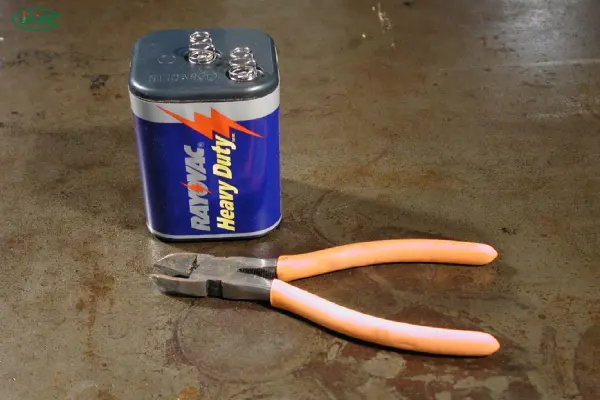
Replace your lantern battery if you notice:
- Dim or flickering light
- Sudden shutdowns
- Corrosion near terminals
- Swollen battery housing
- Burning smell
- Excessive charging time
Battery leakage can permanently damage lantern contacts and electronics.
Part 8. How to choose the best battery for a lantern?
The best battery for lantern use depends on the application.
For emergency preparedness:
- Disposable alkaline lantern batteries
- Long shelf-life lithium batteries
For camping:
- Rechargeable lithium battery systems
- Lightweight lithium lantern batteries
For industrial use:
- 12V lantern battery systems
- Sealed lead-acid or LiFePO4 batteries
For cold weather:
- Lithium lantern batteries
Lithium chemistry performs much better in low temperatures than alkaline batteries.
Part 9. Custom lantern battery solutions from ufine battery
Ufine Battery provides custom lithium battery solutions for lantern manufacturers, industrial equipment suppliers, and portable lighting brands.
Ufine offers:
- Custom Li-ion battery packs
- LiFePO4 battery systems
- High-temperature battery designs
- Ultra-thin lithium polymer batteries
- Custom voltage and capacity configurations
- OEM and ODM battery manufacturing
Applications include:
- Emergency lanterns
- Camping lights
- Portable work lights
- Marine lighting
- Industrial backup systems
You may also be interested in: Low Temperature Lithium Battery Guide
For custom projects, visit: Contact Ufine Battery
Part 10. Lantern battery safety tips
Follow these safety practices to improve battery lifespan and reduce risk:
- Never mix old and new batteries
- Do not recharge disposable lantern batteries
- Avoid short-circuiting battery terminals
- Store batteries away from metal objects
- Replace leaking batteries immediately
- Use chargers designed for the correct chemistry
For lithium battery safety standards, refer to the UL safety standards and applicable IEC battery regulations.
Part 11. Lantern battery FAQs
What is the most common lantern battery size?
The 6V lantern battery is the most common size for camping lanterns, emergency lights, and portable flashlights.
What is the difference between a 6V and 12V lantern battery?
A 6V lantern battery is designed for standard portable lanterns, while a 12V lantern battery supports higher-power lighting systems and industrial applications.
Are rechargeable lantern batteries better than disposable ones?
Rechargeable lantern batteries are better for frequent use because they reduce long-term costs. Disposable lantern batteries are better for emergency storage because of their long shelf life.
Can I use lithium batteries in a lantern?
Yes. Lithium lantern batteries provide longer runtime, lighter weight, and better cold-weather performance than alkaline batteries.
How long do disposable lantern batteries last in storage?
Most alkaline disposable lantern batteries can last 5–10 years when stored properly in cool, dry conditions.
Related Tags:

More Articles

What Is The Best 12V Battery For Fish Finder?
Find the best 12V battery for fish finder setups. Compare lithium vs SLA batteries, runtime, sizing, weight, and top options for kayaks, boats, and ice fishing.
Which 12v 18Ah Battery Is the Best?
Discover real runtime, hidden capacity differences, pricing factors, and why lithium 12V 18Ah batteries often outperform lead-acid in real use.
Discover 32700 battery specs, dimensions, and performance. Learn why this LiFePO4 cell is widely used in high-drain energy storage systems.
What Is the Highest Capacity 18650 Battery?
Discover the real maximum capacity of 18650 batteries, top-performing models, and why capacity limits exist in real lithium-ion cells.
What Effect Does Low Temperature Have on Lithium Batteries?
Battery draining fast or charging slowed in cold? Discover what low temperature really does to lithium batteries and how to fix it.


