- Part 1. 12V 18Ah battery size
- Part 2. Types of 12V 18Ah batteries
- Part 3. Which 12V 18Ah battery is the best?
- Part 4. How long can a 12V 18Ah battery last?
- Battery Run Time
- Part 5. How to extend the life of a 12V 18Ah battery?
- Part 6. 12V 18Ah battery price
- Part 7. Where is the 12V 18Ah battery used?
- Part 8. Do you need a special 12v 18ah battery charger?
- Part 9. Brands
- Part 10. Maintenance, common faults and solutions
- Part 11. FAQs
Part 1. 12V 18Ah battery size
The 12V 18Ah battery refers to a battery that provides 12 volts of power and has a capacity of 18 amp-hours (Ah). Amp-hour (Ah) is a unit of measurement that tells you how much energy the battery can store and deliver. In simple terms, an 18Ah battery can supply 18 amps of current for one hour or 1 amp for 18 hours.
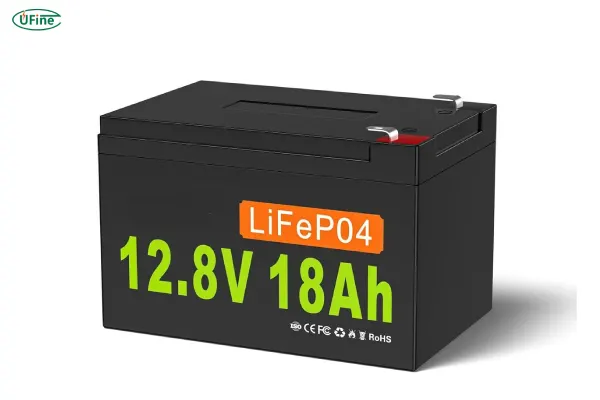
The size of a 12V 18Ah battery typically depends on its design and chemistry. Most lead-acid batteries are bulkier and heavier compared to lithium-ion batteries of the same capacity. The standard dimensions for a 12V 18Ah lead-acid battery are approximately 7.7 inches (L) x 5.2 inches (W) x 6.7 inches (H). Lithium-ion versions are generally more compact and lighter, which makes them ideal for portable applications.
Part 2. Types of 12V 18Ah batteries
There are several types of 12V 18Ah batteries, each with its own unique characteristics and benefits. The two most common types are:
Lead-Acid Batteries
These are the traditional choice for 12V 18Ah batteries. Lead-acid batteries are affordable and widely available. However, they tend to be heavier and less efficient than newer technologies. They are most commonly used in backup power systems, solar energy storage, and uninterruptible power supplies (UPS).
Lithium-Ion Batteries (LiFePO4 Battery)
Lithium-ion batteries are more modern, lightweight, and efficient compared to lead-acid batteries. They offer a higher energy density, meaning they provide more power in a smaller, lighter package. Lithium-ion 12V 18Ah batteries have become popular for applications such as electric vehicles, solar storage systems, and portable power stations due to their longer lifespan and faster charging times.
Part 3. Which 12V 18Ah battery is the best?
When comparing different types of 12V 18Ah batteries, there are several factors to consider, such as lifespan, efficiency, cost, and intended use. Here’s a breakdown of the two most popular options:
Lead-Acid 12V 18Ah Battery
- Pros: Lower initial cost, widely available, proven technology.
- Cons: Heavier, shorter lifespan, slower charging times, and less energy-efficient compared to lithium batteries.
- Best for: Budget-conscious users or applications where weight isn’t a major concern, like backup power for homes.
Lithium-Ion 12V 18Ah Battery
- Pros: Lighter, longer lifespan (up to 10 years or more), faster charging, higher energy efficiency.
- Cons: Higher initial cost.
- Best for: Applications requiring portability and long-term performance, such as solar systems, electric vehicles, and portable electronics.
Lithium batteries tend to hold voltage more steadily during discharge, which means your device runs more consistently until the battery is almost empty. Lead-acid, on the other hand, drops voltage gradually, which can make devices shut off earlier than expected.
Here’s a simplified comparison:
| Feature | Lead-acid | Lithium (LiFePO4) |
|---|---|---|
| Usable capacity | ~50% | 80–100% |
| Cycle life | 300–800 cycles | 2000–5000 cycles |
| Weight | Heavy | Much lighter |
| Voltage stability | Drops gradually | Very stable |
| Maintenance | Higher | Minimal |
If you’ve ever used both types in something like a small UPS or solar setup, you’ll notice lithium feels “stronger for longer,” even at similar ratings.
This is also why search demand for 12v 18ah lithium battery keeps growing—it simply performs more consistently in real applications.
Part 4. How long can a 12V 18Ah battery last?
The lifespan of a 12V 18Ah battery depends on several factors, including battery type, usage, and maintenance. Generally speaking:
- Lead-Acid Batteries: Typically last between 3 to 5 years.
- Lithium-Ion Batteries: Can last up to 10 years with proper care.
The lifespan can be extended by proper charging practices and avoiding deep discharge (draining the battery too low).
12V 18Ah battery run time
Instead of thinking in “hours per battery,” you should think in power consumption (watts).
Because the same 12V 18Ah battery can last wildly different durations depending on load.
Here’s a simple real-world breakdown:
| Load (device power) | Estimated runtime (LiFePO4) |
|---|---|
| 10W LED light | ~18–20 hours |
| 25W small device | ~8–9 hours |
| 50W load | ~4 hours |
| 100W load | ~2 hours |
Now, if you switch to a lead-acid version, those numbers usually drop further because you’re not supposed to fully discharge it.
So when someone asks “how long will a 12v 18ah battery last”, the honest answer is:
It depends more on your device than the battery itself.
That’s also why lithium versions are becoming the default choice in modern portable systems—they behave more predictably under load.
Estimate battery life using our online calculator:
Part 5. How to extend the life of a 12V 18Ah battery?
To get the most out of your 12V 18Ah battery, it’s essential to follow some maintenance tips:
- Avoid Deep Discharge: Always try to keep the battery charge above 20% to prevent damage.
- Use a Smart Charger: A good charger will prevent overcharging and help maintain the battery’s health.
- Store in a Cool, Dry Place: Extreme temperatures can damage the battery. Ideally, store it in a temperature-controlled environment.
- Perform Regular Maintenance: For lead-acid batteries, check the electrolyte levels and keep the terminals clean.
Part 6. 12V 18Ah battery price
Two batteries with the same label can differ in cost because of:
- Cell quality (industrial-grade vs generic cells)
- BMS protection system quality
- Cycle life rating
- Temperature performance
- Brand engineering standards
Lithium batteries usually cost more upfront, but the long-term cost per cycle is significantly lower.
In fact, if you look at total lifecycle usage, lithium often ends up cheaper over time despite the higher initial price.
The price of a 12V 18Ah battery can vary widely depending on the type and brand:
- Lead-Acid Batteries: These are more affordable, typically ranging from $50 to $120.
- Lithium-Ion Batteries: These are more expensive, ranging from $150 to $300, but they offer better performance and longevity.
While lithium-ion batteries have a higher upfront cost, their longer lifespan and superior performance often make them more cost-effective in the long run.
AGM VS Lithium VS Lead-Acid Battery: Comprehensive Comparison
Part 7. Where is the 12V 18Ah battery used?
A 12V 18Ah battery can be used in a wide variety of applications, including:
- Backup Power Systems: For homes and small businesses to provide power during outages.
- Solar Energy Storage: Storing energy generated from solar panels for later use.
- Electric Vehicles (EVs): Small electric vehicles like scooters, e-bikes, and go-karts.
- UPS (Uninterruptible Power Supplies): To provide power for essential electronics in case of power failure.
- Portable Power Stations: For outdoor activities such as camping, RVs, or off-grid living.
Part 8. Do you need a special 12v 18ah battery charger?
This is where many users accidentally shorten battery life.
To ensure your 12V 18Ah battery lasts as long as possible, it’s important to use the correct charger. A smart charger is ideal because it adjusts the charging process to prevent overcharging and maintain the battery’s health. Always check the battery’s specifications to ensure compatibility with the charger.
A lithium 12V 18Ah battery usually requires a CC/CV charging profile, while lead-acid chargers use a different voltage curve.
Using the wrong charger can lead to:
- Reduced cycle life
- Overcharging risks
- Capacity loss over time
A proper lithium charger typically charges to around 14.4V–14.6V (depending on chemistry and BMS design).
Part 9. Brands
When looking for a 12V 18Ah battery, it’s important to consider the brand for reliability and performance. Here are five reputable brands:
- Ufine Battery: A well-known Chinese manufacturer specializing in lithium batteries. Ufine offers customizable batteries of various sizes, voltages, and capacities to meet customer needs.
- Vmaxtanks: Known for high-quality sealed lead-acid batteries with excellent performance.
- Renogy: A popular brand for solar energy storage systems, offering high-performance lithium batteries.
- ExpertPower: Offers a wide range of affordable lead-acid batteries, including 12V 18Ah models.
- Mpow: Known for affordable lithium batteries used in consumer electronics and outdoor applications.
Part 10. Maintenance, common faults and solutions
Proper maintenance is key to extending the lifespan of your 12V 18Ah battery. Here are a few maintenance tips:
- For Lead-Acid Batteries: Check and maintain proper electrolyte levels. Clean the terminals regularly.
- For Lithium-Ion Batteries: Keep the battery in a cool, dry place. Avoid exposing it to extreme temperatures.
While 12V 18Ah batteries are generally reliable, there are a few common issues:
- Battery Not Charging: Ensure the charger is working and the terminals are clean. For lead-acid batteries, check the electrolyte levels.
- Overheating: If the battery overheats, it may be a sign of overcharging or faulty wiring. Switch to a lower charging current or use a smart charger.
- Shortened Lifespan: This can be due to deep discharges or frequent overcharging. Ensure you’re following recommended charging practices.
Part 11. FAQs
1. Can a 12V 18Ah battery be used in solar systems?
Yes, it can be used in small solar setups, especially for low-power storage. However, lithium versions are preferred because they handle deeper cycles and charge more efficiently compared to lead-acid batteries.
2. What is the weight difference between lithium and lead-acid 12V 18Ah batteries?
A lithium 12V 18Ah battery is typically 50–70% lighter than a lead-acid version. This makes lithium a better choice for portable or mobile applications where weight matters.
3. Can I connect two 12V 18Ah batteries together?
Yes, you can connect them in parallel to increase capacity or in series to increase voltage. However, they must be the same chemistry, voltage, and ideally the same age to ensure balance and safety.
4. Is a higher Ah battery always better?
Not always. Higher Ah means longer runtime, but it also means more size, weight, and cost. The best choice depends on your device’s power demand rather than simply choosing the largest capacity.
Related Tags:

More Articles

JST vs Molex: The Right Battery Connector Choice
JST or Molex for your battery? Learn how connector selection affects current, voltage drop, reliability, and device performance.
Custom Battery Pricing: Costs Manufacturers Don’t Mention
A low battery quote may not be the final cost. Discover common hidden expenses that affect custom lithium battery projects.
Battery Wire Length: Hidden Cause of Power Loss
A longer battery wire can cause voltage drop, power loss, and unstable operation. Learn how wire length affects battery performance.
How Device Sleep Modes Affect Battery Life
Think sleep mode extends battery life? Learn why devices still drain power and how firmware, hardware, and batteries affect runtime.
LiPo Battery and PCB Design: Clearance, Insulation, and Placement
Learn how to optimize LiPo battery PCB clearance, insulation, placement, wiring, and thermal design—and avoid common integration mistakes.