- Key Takeaways
- Part 1. What causes lipo batteries to swell?
- Part 2. Common scenarios that lead to lipo battery swelling
- Part 3. Material and design factors
- Part 4. Why swollen batteries are risky
- Part 5. Swelling progression and prediction
- Part 6. Risks of using swollen lipo batteries
- Part 7. How can you prevent lipo battery swelling
- Part 8. Engineering and monitoring insights
- Part 9. Safety standards and guidelines
- Part 10. FAQs
Have you ever picked up your drone, laptop, or power tool battery and noticed it looking a little puffy? That swelling isn’t just a cosmetic issue—it’s your battery signaling that something is off internally. Swollen batteries, also called lithium battery puffy or LiPo battery bulge, are surprisingly common, and while a slight puff might seem harmless, it can reduce performance, shorten lifespan, and in severe cases, create safety hazards.
You might be wondering, “Why is this happening even though I’ve been careful?” The truth is, swelling usually occurs when chemical reactions, physical stress, and environmental factors interact. But the good news is, once you understand the causes, can spot early signs, and follow some preventive steps, you can extend your battery life and stay safe.
Key Takeaways
- Swelling is usually caused by a combination of chemical reactions, environmental stress, and physical damage.
- Even minor bulges are warning signs—monitor your batteries regularly.
- Proper charging, storage, and inspection habits can significantly reduce swelling risk.
- Swollen batteries are safety hazards—stop using them immediately and recycle or replace.
- Understanding battery behavior gives you longer device life, safety, and peace of mind.
Part 1. What causes lipo batteries to swell?
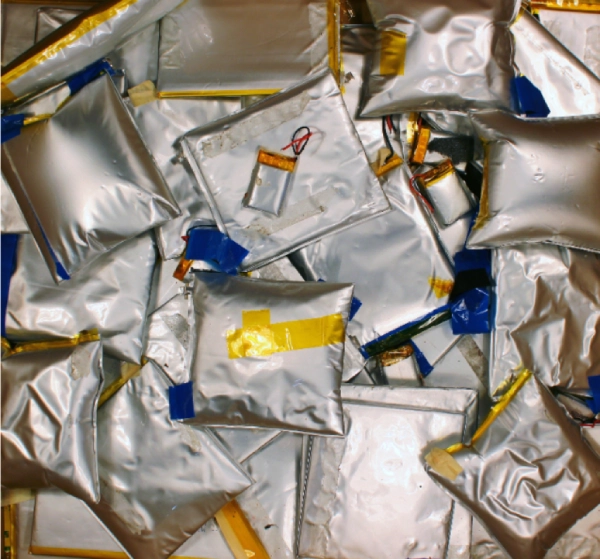
To really understand battery swelling, it helps to peek inside your battery. Both LiPo and Li-ion batteries are complex chemical systems. They contain a cathode, an anode, and an electrolyte, all working in delicate balance. When that balance is disrupted, gases form inside the battery, causing the casing to expand.
Battery Chemistry:
Inside the battery, a few things can happen:
- Electrolyte Breakdown: Overcharging or exposure to high temperatures can cause the electrolyte to decompose, releasing gases like CO₂, H₂, and HF.
- SEI Layer Degradation: The Solid Electrolyte Interphase protects the anode, but it can break down over time, adding more gas inside.
- Lithium Plating: Rapid charging or charging at too high a voltage can cause lithium to deposit unevenly, creating internal stress.
Physical and Environmental Factors:
Even if you follow proper charging protocols, external factors can contribute. High heat accelerates chemical reactions, while very low temperatures may produce lithium plating that expands when you next charge the battery. Physical damage, like dropping a battery or squeezing it into a tight compartment, can also compromise internal layers.
Part 2. Common scenarios that lead to lipo battery swelling
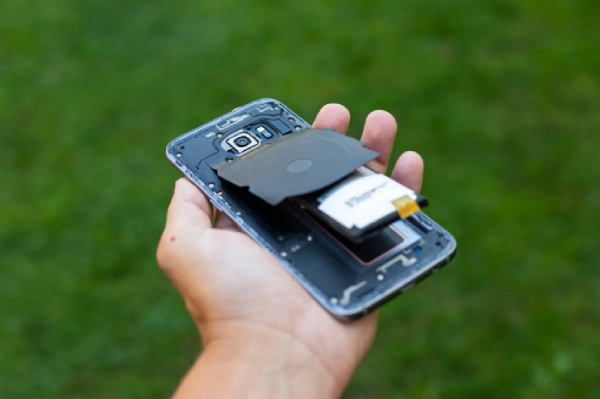
While every battery is different, you can generally pinpoint several scenarios where swelling is more likely:
- Overcharging or High-Rate Charging: Even “smart” chargers can cause stress if they push too much current or voltage. Gas builds up faster than it can dissipate, and the battery puffs up.
- Extreme Temperatures: Leaving your batteries in hot cars or exposing them to freezing temperatures repeatedly increases the risk of swelling.
- Long-Term Use and Aging: Batteries aren’t immortal. After hundreds of charge cycles, slight swelling is normal—but you should still monitor it closely.
- Physical Stress: Dropping, puncturing, or compressing the battery may trigger immediate or delayed swelling.
You can think of these scenarios as red flags. Once you recognize them, you can adjust your handling habits and prevent swelling before it becomes a problem.
Part 3. Material and design factors
The way a battery is built significantly impacts its swelling behavior:
- Electrode Materials: LiFePO₄ is more chemically stable than LiCoO₂, and advanced silicon-carbon composite anodes reduce expansion in newer cells.
- Electrolyte Type: Liquid vs gel electrolytes respond differently to stress; solid-state electrolytes reduce gas formation.
- Packaging Design: Soft-pack LiPo batteries allow minor expansion, whereas cylindrical Li-ion cells may show little external swelling but still experience internal stress.
Understanding these material differences helps you choose batteries that are less prone to swelling for your devices.
Part 4. Why swollen batteries are risky
It might be tempting to ignore a slight bulge, but doing so could put you and your devices at risk. Swollen batteries are warning signs of chemical instability inside the cell.
| Risk Type | What Could Happen | Why It Matters |
|---|---|---|
| Fire or Explosion | Internal short circuits can lead to thermal runaway | Even a minor bulge could indicate potential ignition hazards |
| Electrolyte Leakage | Corrosive fluids may escape | Can damage electronics and cause burns or toxicity |
| Reduced Performance | Lower capacity and voltage instability | Devices may shut down unexpectedly or lose runtime |
| Device Fit Issues | Battery may not sit properly | Could create mechanical stress or internal shorting |
Even a small bulge can be a signal that your battery is under stress, so it’s better to take action early rather than wait for a bigger problem.
Part 5. Swelling progression and prediction
Swelling typically progresses gradually, often in predictable stages:
- Micro-Bulge: Slight expansion detectable visually or via internal resistance measurement.
- Noticeable Bulge: Packaging starts to deform.
- Severe Swelling: Device operation becomes unsafe.
| Stage | Description | Action Recommended |
|---|---|---|
| Micro-Bulge | Minor visible change | Monitor, reduce charge rate |
| Noticeable Bulge | Clear deformation | Stop using, inspect battery |
| Severe | Significant swelling | Do not use, dispose safely |
Advanced users and engineers can use techniques like Electrochemical Impedance Spectroscopy (EIS) or BMS data monitoring to predict swelling before it’s visible. Monitoring internal resistance, voltage drift, and temperature trends can provide early warnings.
Part 6. Risks of using swollen lipo batteries
It’s tempting to ignore minor bulges, but swelling indicates internal instability. Here’s what could happen:
| Risk | Potential Consequence | Why It Matters |
|---|---|---|
| Fire or Explosion | Thermal runaway may occur | Internal chemical instability can ignite |
| Electrolyte Leakage | Toxic or corrosive fluids escape | Damage devices, harm yourself |
| Reduced Performance | Lower capacity and voltage instability | Devices may shut down unexpectedly |
| Device Fit Issues | Battery doesn’t sit properly | Mechanical stress can trigger shorts |
Even a minor bulge is your cue to act—taking early action prevents safety hazards and protects your electronics.
Part 7. How can you prevent lipo battery swelling
Fortunately, you have more control than you might think. With the right habits, you can extend battery life and reduce the risk of swelling.
1 Charge Smartly
You should always use the manufacturer’s recommended charger and avoid charging beyond the suggested voltage. Moderate charging rates—generally 0.5–1C—are safer for LiPo batteries. Fast charging can feel convenient, but it increases gas formation inside the cell, leading to swelling over time.
2 Manage the Environment
Try to store batteries at room temperature, ideally between 20–25°C, and avoid exposure to direct sunlight or heat sources. Long-term storage at around 50% charge helps minimize chemical stress. Even small temperature fluctuations can impact your battery’s internal chemistry.
3 Regular Inspection and Handling
You should check for soft spots, bulges, or deformities regularly. If you have tools, measuring internal resistance can help you detect early signs of swelling. And remember—never puncture, crush, or throw a swollen battery in the trash. Certified recycling channels are your safest option.
These practices may seem simple, but consistent attention can significantly improve battery longevity and safety.
Table: Recommended Practices vs Common Mistakes
| Practice | Benefit | Common Mistake | Consequence |
|---|---|---|---|
| Use manufacturer-recommended charger | Safe charging | Using random high-current charger | Overcharge, swelling, fire risk |
| Store at controlled temperature | Longer battery life | Leaving in hot car | Rapid swelling |
| Inspect regularly | Early detection of issues | Ignoring minor bulges | Severe swelling, safety hazard |
| Charge at moderate rate | Reduced internal gas formation | High-rate charging | Accelerated swelling |
This table summarizes practical steps you can take to prevent swelling while highlighting common pitfalls you might unknowingly make.
Part 8. Engineering and monitoring insights
Professionals use advanced methods to mitigate swelling:
- Battery Management Systems (BMS): Monitors voltage, current, and temperature, and can alert you to early signs of swelling.
- Design Choices: Engineers select materials and packaging to handle expansion safely. Soft-pack LiPos have some swelling allowance, while rigid cells require careful thermal management.
- Scenario Example: A slightly swollen drone battery flagged by a BMS allows you to act before the device fails or catches fire.
To dive deeper into charging safety, this guide on fast charging and BMS explains how modern systems protect batteries from damage.
Part 9. Safety standards and guidelines
Understanding standards helps you handle batteries responsibly:
- UL Standards (UL 1642 / 2054): Set safety requirements for consumer batteries.
- UN 38.3: Governs transport safety for lithium batteries.
Following these guidelines, along with manufacturer instructions, ensures you’re handling batteries safely.
If you want to understand global safety requirements, check out UN38.3 testing, which explains how lithium batteries are certified for safe transport.
Part 10. FAQs
1. Can storing LiPo batteries fully charged increase swelling risk?
Yes. Storing batteries fully charged increases internal chemical stress over time, which accelerates gas formation and may lead to puffing.
2. Does using third-party chargers make swelling more likely?
Absolutely. Non-certified chargers can overcharge or provide unstable currents, increasing internal pressure and swelling risk.
3. Can cold temperatures prevent battery swelling?
Not entirely. Extreme cold can temporarily slow chemical reactions, but it may cause lithium plating, which can expand and trigger swelling later.
4. How long does it take for a battery to swell noticeably?
It varies. Minor puffing can appear after dozens of cycles, while severe swelling often develops after months of repeated stress or misuse.
5. Can a swollen battery recover if I stop using it?
No. Once swelling occurs, the internal chemical and structural damage is irreversible. You should stop using and recycle it safely.
6. Can BMS software alerts prevent swelling completely?
BMS can warn you early by monitoring voltage, current, and temperature trends, but it can’t prevent all chemical or physical damage. Proper handling is still required.
Related Tags:

More Articles
Is Lithium a Liquid-Solid or a Gas?
Is lithium a solid, liquid, or gas? Learn its physical state, melting and boiling points, key properties, and why lithium is widely used in batteries.
How Do You Choose the Right Battery for Your Semi-Truck?
Learn how to choose the right semi truck battery, including battery size, voltage, amps (CCA), types, and selection tips for reliable performance.
Ultimate Guide to 3.7V Rechargeable Lithium Ion Battery
Explore 3.7V rechargeable lithium-ion batteries: chemistry, applications, safe selection, and charging tips for phones, tools, EVs, and energy storage.
Your Guide to 3V Lithium Battery: What To Know
Not all 3V batteries are the same. Learn key differences, types, and how to choose the right one fast.
Metal Air Battery Vs. Lithium Metal Battery: A Comprehensive Analysis
Compare metal air battery vs lithium metal battery: energy density, cost, safety, and applications. Learn key differences and how to choose the right battery.