
- Key Takeaways
- Part 1. What is battery overcharging?
- Part 2. What happens if you overcharge a lithium battery?
- Part 3. Why overcharging is rare in modern devices (bms explained)
- Part 4. Overcharging lifepo₄ batteries: Is it safer?
- Part 5. How to prevent battery overcharging?
- Part 6. Can you fix an overcharged battery?
- Part 7. Signs of an overcharged battery
- Part 8. Practical application: Where overcharging risks matter most
- Part 9. FAQs about battery overcharging explained
Can You Overcharge a Lithium Battery?
Yes — battery overcharging is technically possible, but in modern devices it is rare due to built-in protection systems like the Battery Management System (BMS).
However, overcharged batteries still occur in cases such as:
- Faulty chargers or poor-quality adapters
- Damaged battery packs
- BMS failure or absence (common in low-cost or DIY packs)
Understanding what happens if you overcharge a lithium battery is critical for both safety and long-term performance.
Key Takeaways
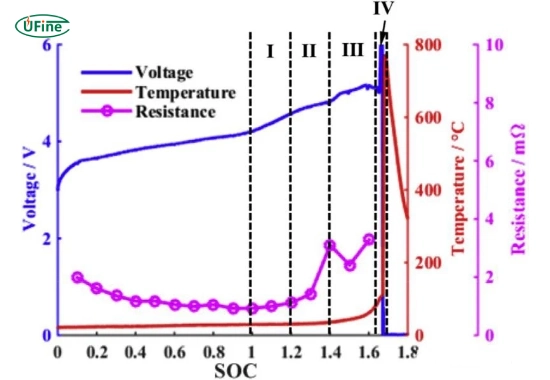
- Overcharging a lithium battery means exceeding its voltage limit (typically ~4.2V per cell), which leads to chemical instability.
- Battery overcharging can cause heat, swelling, gas buildup, and even thermal runaway in extreme cases.
- A BMS (Battery Management System) is the primary protection against overcharge, especially in EVs and battery packs.
- Even safer chemistries like LiFePO₄ can degrade faster if overcharged repeatedly.
- An overcharged battery cannot be repaired—replacement is the only safe option.
- Proper charger selection and temperature control are the most effective prevention methods.
Part 1. What is battery overcharging?
Battery overcharging occurs when a lithium battery continues to charge beyond its designed maximum voltage.
- Standard lithium-ion cells: ~4.2V per cell
- LiFePO₄ cells: ~3.65V per cell
When this limit is exceeded:
- The electrolyte becomes unstable
- Internal reactions accelerate
- Safety risks increase significantly
Common causes of overcharging battery issues:
- Incorrect or non-matching charger
- Charging circuit failure
- Lack of voltage cutoff protection
- Improper DIY battery pack design
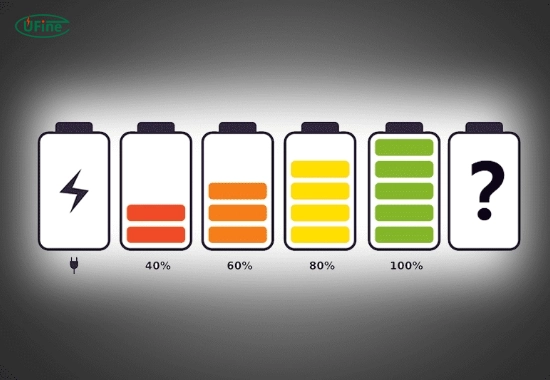
Learn more about proper charging methods:
👉 How to Charge a Lithium-ion Battery
Part 2. What happens if you overcharge a lithium battery?
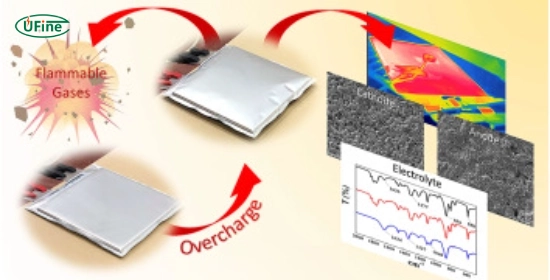
When a lithium battery is overcharged, several failure mechanisms can occur simultaneously:
- Heat Buildup (Thermal Stress)
- Excess voltage causes internal resistance heating.
- If unchecked, this can escalate into thermal runaway.
- Gas Generation & Swelling
- Electrolyte decomposition produces gas:
- Leads to battery swelling (bulging)
- Can rupture the casing
- Lithium Dendrite Formation
- Overcharging promotes metallic lithium plating:
- Forms needle-like dendrites
- Can pierce separators → internal short circuit
- Capacity Loss & Faster Aging
- Permanent chemical damage
- Reduced cycle life
- Increased internal resistance
Conclusion:
An overcharged battery is both unsafe and permanently degraded.
Part 3. Why overcharging is rare in modern devices (bms explained)
Most modern lithium batteries include a Battery Management System (BMS), which prevents overcharging automatically.
Core BMS Functions
- Voltage Cutoff: Stops charging at max voltage
- Temperature Monitoring: Halts charging if overheating occurs
- Cell Balancing: Prevents individual cells from overcharging
- Fault Protection: Detects abnormal conditions
In applications like:
- Electric vehicles (EVs)
- Energy storage systems
- Industrial battery packs
…the BMS is mandatory and highly reliable.
For technical reference, see battery safety standards like UL battery safety guidelines.
Part 4. Overcharging lifepo₄ batteries: Is it safer?
LiFePO₄ (LFP) batteries are more stable than other lithium chemistries—but not immune to overcharging.
Effects of Overcharging LiFePO₄
- Reduced cycle life
- Higher internal resistance
- Heat generation under load
- Rare but possible thermal failure
Key Insight
Even though LFP is safer:
Overcharging still accelerates degradation and reduces ROI in industrial applications.
Part 5. How to prevent battery overcharging?
- Use the Correct Charger
- Match voltage and current specifications
- Avoid low-quality or generic chargers
- Ensure BMS Protection
- Always use batteries with integrated BMS
- Critical for custom battery packs
- Avoid Extreme Conditions
- Do not charge in high heat (>45°C)
- Keep environment dry and ventilated
- Monitor Charging Behavior
- Unusual heat = early warning sign
- Disconnect immediately if abnormal
- Avoid Long-Term Float Charging
- Keeping batteries at 100% for long periods accelerates aging
Part 6. Can you fix an overcharged battery?
No. An overcharged lithium battery cannot be repaired.
Once internal damage occurs:
- Chemical structure is altered
- Safety risks remain
- Performance cannot be restored
Recommended Action
If you suspect an overcharged battery:
- Stop using it immediately
- Do not attempt reuse or repair
- Dispose of it following local regulations
Part 7. Signs of an overcharged battery
Watch for these critical warning signs:
- Swelling or bulging
- Excessive heat during or after charging
- Leaking fluid or unusual odor
- Rapid capacity drop
If any of these appear:
Disconnect immediately and isolate the battery safely.
Part 8. Practical application: Where overcharging risks matter most
| Application | Risk Level | Why It Matters |
|---|---|---|
| EV battery packs | Low | Strong BMS protection |
| Consumer electronics | Low–Medium | Depends on charger quality |
| DIY battery packs | High | Often lack proper BMS |
| Energy storage systems | Medium | Long charge cycles increase exposure |
Part 9. FAQs about battery overcharging explained
Can you overcharge a lithium battery?
Yes, but most modern devices prevent it using a BMS. Overcharging usually happens due to faulty chargers or damaged systems.
What happens if you overcharge a lithium battery?
Battery overcharging can cause heat buildup, swelling, gas formation, internal short circuits, and permanent damage.
What is overcharging battery in simple terms?
It means charging a battery beyond its maximum voltage limit, which leads to instability and safety risks.
Can you leave a lithium battery charging overnight?
Generally safe with modern devices, but not recommended for long-term battery health or in low-quality systems.
How do I know if a battery is overcharged?
Signs include swelling, overheating, leakage, and reduced performance. Stop using the battery immediately if these occur.
Related Tags:

More Articles

JST vs Molex: The Right Battery Connector Choice
JST or Molex for your battery? Learn how connector selection affects current, voltage drop, reliability, and device performance.
Custom Battery Pricing: Costs Manufacturers Don’t Mention
A low battery quote may not be the final cost. Discover common hidden expenses that affect custom lithium battery projects.
Battery Wire Length: Hidden Cause of Power Loss
A longer battery wire can cause voltage drop, power loss, and unstable operation. Learn how wire length affects battery performance.
How Device Sleep Modes Affect Battery Life
Think sleep mode extends battery life? Learn why devices still drain power and how firmware, hardware, and batteries affect runtime.
LiPo Battery and PCB Design: Clearance, Insulation, and Placement
Learn how to optimize LiPo battery PCB clearance, insulation, placement, wiring, and thermal design—and avoid common integration mistakes.


