
- Part 1. What is the weight of the 18650 battery?
- Part 2. Real 18650 battery weight by brand and model
- Part 3. Why 18650 battery weight varies
- Part 4. What the 18650 battery is made of
- Part 5. Protected vs unprotected 18650 battery weight
- Part 6. How does 18650 battery weight affect the performance of devices?
- Part 7. What affects the 18650 battery weight?
- Part 8. How to assemble 18650 lithium ion battery pack?
- Part 9. Buying 18650 batteries
- Part 10. FAQs
This introductory article delves into the key aspects of 18650 lithium-ion battery cells, providing insights into 18650 battery life and weight. Furthermore, we offers guidance on where to buy 18650 batteries and the 18650 battery price range.
Key takeaways
- A standard 18650 battery typically weighs 40–50 grams
- Higher capacity cells are usually heavier due to more active materials
- Protected 18650 batteries weigh 2–5g more than unprotected versions
- Weight varies by brand, chemistry, and energy density
- Most high-quality 3000–3500mAh cells weigh around 45–50g
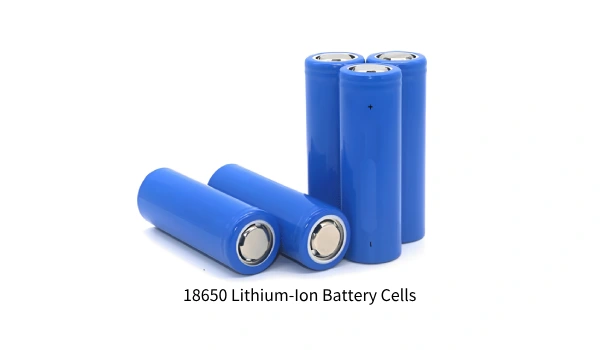
Part 1. What is the weight of the 18650 battery?
The 18650 battery weight can vary depending on several factors. Generally, the single 18650 battery weight is approximately 45 to 50 grams (1.59 to 1.76 ounces). However, the 18650 battery weight can differ slightly between manufacturers and specific models.
Standard 18650 battery weight range
How much does a 18650 battery weigh, the general industry range is:
👉 40g to 50g per cell
However, this depends heavily on capacity and construction.
Typical 18650 weight by capacity
| Capacity range | Typical weight (grams) | Description |
|---|---|---|
| 2000–2200mAh | 38–42g | Lower capacity, lighter cells |
| 2600–3000mAh | 43–46g | Standard commercial cells |
| 3000–3500mAh | 45–50g | High-capacity mainstream cells |
| 3500mAh+ | 48–52g | Premium high-energy cells |
Part 2. Real 18650 battery weight by brand and model
To give you a more practical understanding, here are real-world examples of 18650 cell weight differences:
| Brand | Model | Capacity | Weight |
|---|---|---|---|
| Panasonic | NCR18650B | 3400mAh | ~48.5g |
| Samsung | INR18650-35E | 3500mAh | ~49g |
| LG | MJ1 | 3500mAh | ~48g |
| Generic cells | Various | 2000–2600mAh | 40–45g |
This shows you that even within the same format, 18650 battery mass is not fixed.
Part 3. Why 18650 battery weight varies
If you compare different 18650 cells, you will notice weight differences. This is completely normal.
Here are the main reasons:
1. Capacity differences
Higher capacity means more active material inside the cell, which directly increases weight.
2. Energy density trade-off
Battery manufacturers must balance:
- Higher capacity → more material → heavier cell
- Higher energy density → lighter structure but limited capacity
3. Chemistry type
Different lithium-ion chemistries affect mass:
- NMC (Nickel Manganese Cobalt)
- INR / ICR variations
- LFP (less common in 18650 format)
When analyzing why 18650 battery weight varies, chemistry plays a key role, such as the difference between LFP vs NMC battery, which directly affects energy density and overall cell mass.
4. Protection circuit (PCB)
Protected 18650 batteries include an additional circuit board.
👉 This usually adds 2–5 grams of extra weight.
5. Manufacturing design differences
Even small changes in:
- casing thickness
- internal winding density
- electrolyte volume
can affect final weight.
Part 4. What the 18650 battery is made of
To understand why an 18650 battery weighs what it does, you need to know its internal structure.
Estimated weight composition of a typical 18650 cell
| Component | Estimated weight contribution |
|---|---|
| Steel casing | 12–15g |
| Cathode material | 10–14g |
| Anode material | 6–8g |
| Electrolyte | 3–5g |
| Separator + tabs | 2–3g |
This breakdown helps you understand that battery weight is directly tied to internal material volume, not just size.
If you want to understand cost factors as well, check this 18650 battery price guide, where different capacities and materials also influence both price and weight.
Part 5. Protected vs unprotected 18650 battery weight
When you compare protected and unprotected 18650 batteries, weight difference is an important factor.
| Type | Weight impact | Description |
|---|---|---|
| Unprotected cell | Base weight (40–50g) | No PCB, lighter |
| Protected cell | +2–5g | Includes safety circuit |
If your application is sensitive to weight (like drones or portable devices), this difference matters.
Part 6. How does 18650 battery weight affect the performance of devices?
Why should you care about 18650 battery weight?The weight of an 18650 battery can significantly impact the performance and efficiency of electrical devices, especially in applications where weight and balance are crucial.
1. Device Mobility and Handling
For portable electronics, such as flashlights, power tools, or drones, lighter batteries make devices easier to handle, improving overall user experience. A heavier battery might strain the user during prolonged use or limit maneuverability in devices where weight balance is key, such as handheld stabilizers or drones.
2. Energy Density vs. Power Output
Generally, an 18650 battery with a higher weight may indicate a larger energy capacity because it could contain more active material. Higher-capacity cells often weigh more, allowing the device to operate longer between charges. However, there is a trade-off: the added weight can reduce efficiency in devices that move or are sensitive to weight, as more energy might be needed to power the device with the heavier battery.
3. Impact on Battery Life and Heat Management
A heavier 18650 battery with greater energy density may also face challenges in heat dissipation. Heavier cells tend to have a denser structure, which can retain more heat during high-drain applications, possibly impacting the device’s thermal management. This is particularly important in applications like electric bikes, where managing battery temperature is critical to maintaining performance and preventing overheating.
4. Device Performance and Stability
In high-performance applications, such as power tools or RC vehicles, heavier 18650 batteries can impact stability, as they contribute to a higher center of gravity. This can affect the device’s balance and stability, particularly in fast-moving or precision-controlled applications, potentially requiring adjustments in design or counterbalancing to maintain optimal performance.
5. Battery Life and Efficiency Trade-offs
In devices designed for efficiency, such as laptops or smartphones, using a heavier battery may mean higher power reserves but at the cost of added bulk and reduced portability. Manufacturers often balance battery weight with other design factors, such as compactness and user convenience, to avoid diminishing the device’s usability.
Part 7. What affects the 18650 battery weight?
The following factors can influence the weight of an 18650 battery:
- Capacity: Higher capacity batteries tend to be slightly heavier than lower capacity ones.
- Chemistry: Different lithium-ion chemistries can have varying energy densities, impacting the 18650 battery weight.
- Construction and Design: The specific design and construction of the battery can also affect the 18650 battery weight. Factors such as the thickness of the electrode layers, separator materials, and casing materials can contribute to variations in weight.
- Additional Features: Some 18650 batteries may include features such as built-in protection circuits, thermal controls, or other safety mechanisms. These additional components can add some weight to the battery.
- Size and Form Factor: While 18650 batteries have standardized dimensions, variations in form factor, such as slight differences in height or diameter, can result in differences in weight among different battery models.
- Manufacturer: Manufacturers may use different materials and manufacturing processes, leading to variations in weight even among batteries with similar specifications.
- State of Charge: The 18650 battery weight can also vary slightly depending on its state of charge. As the battery is charged or discharged, the weight may change due to the movement of ions within the battery’s electrolyte.
Part 8. How to assemble 18650 lithium ion battery pack?
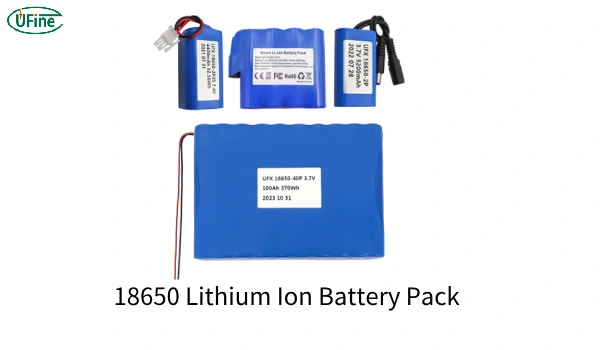
Step 1. Determine the Required Capacity and Voltage:
Determine the desired capacity and voltage for your 18650 lithium ion battery pack based on the specific application requirements. This will determine the number of 18650 cells and their configuration in the pack.
Step 2. Select High-Quality 18650 Cells
Choose high-quality and matching 18650 cells from a reputable manufacturer to ensure uniform performance and safety. It is important to use cells with similar specifications, including capacity, voltage, and internal resistance.
Step 3. Design the Battery Pack Layout
Design the layout and configuration of the 18650 lithium ion battery pack. Consider factors such as available space, desired form factor, and electrical connections. Decide whether you want a series, parallel configuration, or a combination of both depending on the desired voltage and capacity.
Step 4. Prepare the Battery Pack Components
Gather all the necessary components for the 18650 lithium-ion battery pack assembly, including the 18650 cells, battery holders, nickel strips, insulating material, and BMS, if desired, for protection and monitoring.
Step 5. Prepare the Cells
Inspect the 18650 cells for damage or defects. Ensure they are fully charged to the same voltage level. Avoid short circuits by protecting the cell terminals with insulating tape or caps.
Step 6. Connect the Cells
Connect the cells according to the chosen configuration (series, parallel, or both). Use nickel strips or spot weld the cells together, ensuring secure and reliable connections.
Step 7. Insulate the Connections
Apply insulating material, such as electrical tape or heat-shrink tubing, to insulate the connections and prevent accidental short circuits. Ensure that the cells and connections are adequately protected.
Step 8. Install the BMS
If desired, install a BMS to monitor and protect the 18650 lithium ion battery pack.
Step 9. Test the Battery Pack
Before finalizing the assembly, test the 18650 lithium ion battery pack’s voltage, capacity, and functionality. Use a multimeter or battery tester to verify that the pack delivers the expected voltage and capacity.
Step 10. Securely Enclose the Battery Pack
Once the 18650 lithium ion battery pack is tested and verified, securely enclose it in a suitable casing or housing.
Part 9. Buying 18650 batteries
Where to buy 18650 batteries?
You can buy 18650 batteries from various sources, both online and offline. Here are some common places where you can purchase 18650 batteries:
1. Online Retailers
- Websites such as Amazon, eBay, and Alibaba offer a wide selection of 18650 batteries from various brands and manufacturers.
- 18650 lithium battery price can vary depending on brand reputation, battery capacity, quantity purchased, and shipping costs.
2. Electronics Stores
- Many electronics stores, including specialized battery retailers and general electronics retailers like Best Buy, may carry 18650 batteries.
- 18650 lithium battery prices may be higher than online retailers due to overhead costs associated with operating physical stores.
3. Battery Specialty Stores
- Some stores specialize in selling batteries and related accessories, including 18650 lithium-ion batteries.
- 18650 lithium battery price may vary depending on the store’s pricing policies, inventory selection, and brand offerings.
4. Local Hardware Stores
- Some local hardware stores or home improvement centers may stock 18650 batteries, particularly those that cater to DIY enthusiasts and electronics hobbyists.
- The 18650 lithium battery price may be higher than online retailers due to limited selection and higher operating costs.
5. Manufacturer Websites
- Some battery manufacturers may sell their products to consumers through official websites.
- 18650 lithium battery price may vary depending on the brand, battery specifications, and any promotional discounts or deals.
6. Wholesale Suppliers
- Wholesale suppliers(Like Ufine Battery) and distributors may offer bulk quantities of 18650 batteries at discounted prices.
- 18650 lithium battery price per unit may be lower when purchasing larger quantities, but minimum order quantities may apply.
18650 lithium battery price
As for the price of 18650 lithium-ion batteries, it can vary widely depending on several factors, including:
- Brand: Batteries from well-known brands may be priced higher due to brand reputation, quality assurance, and customer support.
- Capacity: Higher-capacity batteries generally command higher prices due to increased energy storage capacity.
- Quality: Batteries manufactured using high-quality materials and manufacturing processes may be priced higher than generic or low-quality alternatives.
- Quantity: 18650 lithium battery price may vary depending on the quantity purchased, with bulk discounts available for larger orders.
- Additional Features: Batteries with built-in protection circuits (PCBs) or other advanced features may be priced higher than basic models.
Here are some 18650 lithium battery pricing guidelines:
- Low to mid-range capacity 18650 batteries (usually around 2000-3000mAh): $3 to $10 per battery.
- Mid to high-range capacity 18650 batteries (around 3000-3500mAh): $8 to $15 per battery.
- High-capacity or specialty 18650 batteries (above 3500mAh, with specific characteristics like high discharge rates or built-in protection): $15 and above per battery.
Part 10. FAQs
Why do two identical 18650 batteries have different weights?
Even with the same model, slight differences in electrolyte volume, winding density, and casing thickness can cause weight variation.
Are high-drain 18650 batteries lighter or heavier?
High-drain cells are often slightly lighter or similar in weight, but optimized for power output rather than capacity.
Can a fake 18650 battery have different weight?
Yes. Fake or low-quality cells often have incorrect internal materials, which can make them noticeably lighter than genuine cells.
Related Tags:

More Articles

JST vs Molex: The Right Battery Connector Choice
JST or Molex for your battery? Learn how connector selection affects current, voltage drop, reliability, and device performance.
Custom Battery Pricing: Costs Manufacturers Don’t Mention
A low battery quote may not be the final cost. Discover common hidden expenses that affect custom lithium battery projects.
Battery Wire Length: Hidden Cause of Power Loss
A longer battery wire can cause voltage drop, power loss, and unstable operation. Learn how wire length affects battery performance.
How Device Sleep Modes Affect Battery Life
Think sleep mode extends battery life? Learn why devices still drain power and how firmware, hardware, and batteries affect runtime.
LiPo Battery and PCB Design: Clearance, Insulation, and Placement
Learn how to optimize LiPo battery PCB clearance, insulation, placement, wiring, and thermal design—and avoid common integration mistakes.


