
- Key Takeaways
- Part 1. What is a swollen lithium battery?
- Part 2. Is a swollen battery dangerous?
- Part 3. How to dispose of swollen lithium batteries (step-by-step)
- Part 4. Can you dispose of a swollen battery at home?
- Part 5. Safe storage before swollen battery disposal
- Part 6. When should you dispose of a lithium battery?
- Part 7. Environmental impact of swollen lithium battery disposal
- Part 8. FAQs: Swollen lithium battery disposal
Swollen lithium batteries—also called bulging lithium-ion or LiPo batteries—are a serious safety risk. They can leak, ignite, or even explode if handled incorrectly.
If you’re searching for how to dispose of swollen lithium batteries, this guide gives you a clear, safe, and practical process based on real-world handling standards.
Key Takeaways
- A swollen lithium-ion battery is unsafe and should never be used, charged, or punctured.
- The safest method for swollen battery disposal is certified recycling or hazardous waste centers.
- Store damaged batteries in a fireproof, non-flammable container, away from heat and metal objects.
- Never throw LiPo batteries in household trash—this creates fire and environmental risks.
- DIY disposal methods (like puncturing) are high risk and not recommended for most users.
Part 1. What is a swollen lithium battery?
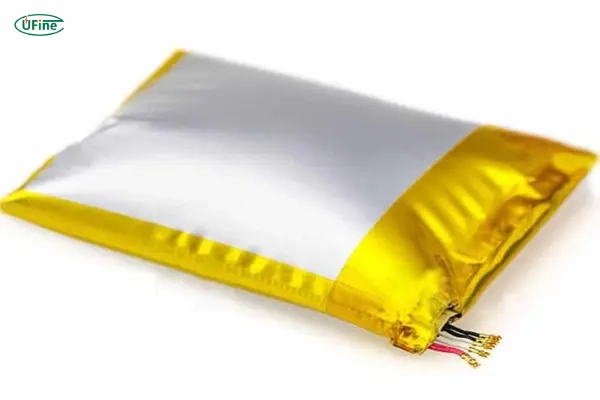
A swollen lithium polymer battery expands due to internal gas buildup. This is often referred to as:
- lithium ion battery bulging
- li-ion battery swollen
- swollen battery
This condition means the battery is already chemically unstable and can enter thermal runaway under stress.
Why do lithium batteries swell?
Swelling is caused by electrochemical side reactions inside the battery. These reactions generate gas and increase internal pressure.
Common Causes
- Overcharging / over-discharging
- Internal short circuits (separator damage)
- High temperature exposure
- Mechanical damage (puncture, impact)
- Manufacturing defects or contamination
- Aging and electrolyte decomposition
👉 For deeper technical causes, see:
Part 2. Is a swollen battery dangerous?
Yes. A swollen lithium-ion battery is unstable and can:
- Catch fire if punctured
- Release toxic electrolyte
- Explode under pressure or heat
According to the U.S. Environmental Protection Agency, lithium batteries must be treated as hazardous waste, especially when damaged.
Part 3. How to dispose of swollen lithium batteries (step-by-step)
This is the recommended safe process for anyone asking:
“How to safely dispose of swollen lithium ion battery?”
Isolate the Battery Immediately
Stop using the device.
Do NOT charge or discharge.
Place battery in a non-flammable area.
Use a Fireproof Container
Metal box or LiPo safety bag.
Add sand or non-conductive padding.
Keep away from flammable materials.
Avoid Dangerous Actions
❌ Do NOT:
- Puncture the battery
- Crush or bend it
- Throw it in regular trash
- Store multiple swollen batteries together
Transport Safely
Tape terminals to prevent short circuit.
Keep battery isolated.
Avoid heat and direct sunlight.
Use Certified Recycling Programs
The safest solution for how to dispose of LiPo batteries is:
- Local hazardous waste facilities
- Electronics recycling centers
- Retail drop-off programs
You can find certified locations via:
- Call2Recycle
- Local municipal waste programs
Part 4. Can you dispose of a swollen battery at home?
Short answer: Not recommended.
Why DIY Disposal Is Risky
Some guides suggest:
- Saltwater discharge
- Puncturing the battery
These methods are dangerous because:
- Puncturing can trigger fire or explosion
- Electrolyte exposure is toxic
- Improper discharge can cause thermal runaway
👉 Only trained professionals should attempt controlled discharge.
Part 5. Safe storage before swollen battery disposal
If you cannot dispose immediately:
- Store at room temperature (15–25°C)
- Keep in dry, ventilated area
- Use fireproof container
- Check periodically for heat or leakage
Part 6. When should you dispose of a lithium battery?
Dispose immediately if you notice:
- Visible swelling or bulging
- Strange smell (sweet/chemical)
- Overheating during use
- Leakage or corrosion
👉 Related reading:
- how to detect battery leaks
- why batteries overheat
- Why Lithium Batteries Explode and How to Prevent It
Part 7. Environmental impact of swollen lithium battery disposal
Throwing lithium batteries in trash can:
- Start landfill fires
- Release toxic metals (Li, Co, Ni)
- Contaminate soil and water
Proper recycling helps recover valuable materials and reduce environmental harm.
Part 8. FAQs: Swollen lithium battery disposal
What to do with a swollen lithium battery?
Stop using it immediately. Place it in a fireproof container and take it to a certified recycling center.
How to dispose of swollen lithium batteries safely?
Use hazardous waste or battery recycling programs. Never throw them in household trash or puncture them.
Can a swollen LiPo battery explode?
Yes. A bulging lithium battery can enter thermal runaway and cause fire or explosion if damaged or heated.
How do you safely transport a swollen battery?
Tape the terminals, place it in a non-conductive, fireproof container, and avoid heat or pressure.
Is it safe to discharge a swollen lithium-ion battery?
No. Discharging damaged batteries is risky and should only be done with proper equipment by professionals.
Related Tags:

More Articles
Dead Battery or Device Failure? How to Find the Cause
Think your device is broken? Learn how to tell if the problem comes from battery aging or hardware failure before replacing your electronics.
Why iPhone Duo Uses Two Batteries: The Engineering Behind Foldable Phone Power
Why do foldable phones need two batteries? Explore the engineering challenges behind iPhone Duo’s dual-battery architecture and future battery trends.
Solid-State Batteries: 3 Myths You Need to Know
Solid-state batteries promise safer EVs and longer range, but the reality is more complex. Discover the challenges behind this next-gen technology.
Battery Capacity vs Discharge Rate: The Choice Engineers Face
Higher capacity or higher discharge rate? Learn how to choose the right LiPo battery for longer runtime, stable power output, and better device performance.
Battery Cable Size Guide: Choose the Right Wire Fast
Not sure what battery cable size you need? Learn how to select the right wire gauge, terminal size, and cable for safer, more efficient battery systems.


