
- Key Takeaways
- Part 1. Why choosing the right fish finder battery matters
- Part 2. Types of batteries for fish finders
- Part 3. Lithium vs SLA fish finder battery comparison
- Part 4. How to choose the best 12v battery for fish finder
- Part 5. Best 12v batteries for fish finder systems
- Part 6. Recommended battery sizes by fishing application
- Part 7. How long will a fish finder battery last?
- Part 8. Fish finder battery maintenance tips
- Part 9. Fish finder battery safety and marine standards
- Part 10. Fish finder battery faqs
Choosing the right fish finder battery affects sonar performance, runtime, and portability. Most fish finders use a 12V battery, but battery type, capacity, and weight can greatly impact fishing experience.
For kayaks, bass boats, and portable sonar systems, lithium LiFePO4 batteries are becoming the preferred option because they are lighter, last longer, and charge faster than traditional SLA batteries.
This guide explains how to choose the best 12V battery for fish finder setups, compare lithium vs SLA batteries, estimate runtime, and select the right battery size for different fishing applications.
Key Takeaways
- A stable 12V battery helps your fish finder deliver accurate sonar and GPS readings.
- Lithium LiFePO4 batteries are lighter, last longer, and charge faster than SLA batteries.
- Most fish finders work well with 7Ah–20Ah batteries depending on screen size and runtime needs.
- Kayak anglers usually prefer lightweight lithium batteries for portability.
- A 10Ah battery typically powers a fish finder for 8–12 hours, depending on current draw.
- Marine batteries should resist vibration, moisture, and temperature changes.
- LiFePO4 batteries provide better long-term value despite higher upfront cost.
Part 1. Why choosing the right fish finder battery matters
A fish finder depends on clean and stable power. An undersized or poor-quality battery can cause voltage drops, screen shutdowns, sonar interference, or reduced runtime.
The right battery improves:
- Consistent sonar performance
- Modern sonar and GPS units require steady voltage. Voltage fluctuations may affect CHIRP sonar accuracy, side imaging, or screen brightness.
- Longer runtime
- Battery capacity determines how long your electronics stay powered. This matters during full-day fishing trips or tournaments.
- Portability
- A lightweight fish locator battery is important for kayak fishing and portable ice fishing setups.
- Reliability in marine conditions
- Marine electronics operate in wet, vibrating environments. A proper marine battery should handle:
- Water splashes
- Boat vibration
- Temperature changes
- Frequent charging cycles
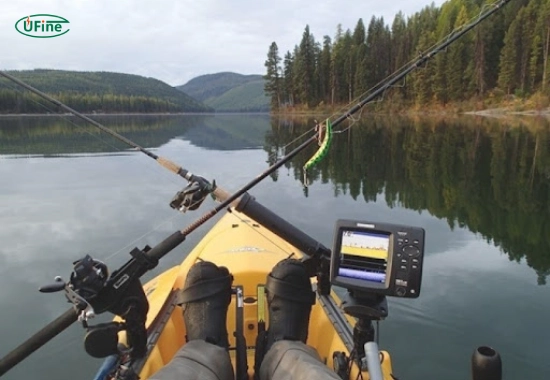
Part 2. Types of batteries for fish finders
There are two main battery types used for fish finder systems.
1 Sealed lead acid (SLA) batteries
SLA batteries are the traditional option for fish finder applications.
Advantages:
- Lower upfront cost
- Widely available
- Simple charging requirements
Disadvantages:
- Heavy weight
- Shorter lifespan
- Slower charging
- Reduced usable capacity
SLA batteries are still common for budget setups or occasional anglers.
2 Lithium LiFePO4 batteries
Lithium iron phosphate (LiFePO4) batteries are now the preferred choice for many anglers.
Advantages:
- Much lighter than SLA
- Longer cycle life
- Faster charging
- More stable voltage output
- Higher usable capacity
- Better efficiency
Disadvantages:
- Higher initial cost
For kayaks, portable electronics, and long fishing days, lithium batteries usually provide better overall value.
You can also read our guide on LiFePO4 vs lithium-ion batteries to understand marine battery differences.
Part 3. Lithium vs SLA fish finder battery comparison
| Feature | LiFePO4 Lithium | SLA Battery |
|---|---|---|
| Weight | Very light | Heavy |
| Cycle Life | 2000–5000 cycles | 300–500 cycles |
| Charging Speed | Fast | Slow |
| Voltage Stability | Excellent | Moderate |
| Usable Capacity | 80–100% | 50–60% |
| Maintenance | Low | Moderate |
| Best For | Kayaks, boats, ice fishing | Budget setups |
Part 4. How to choose the best 12v battery for fish finder
Before buying a battery for fish finder systems, evaluate these factors carefully.
1. Battery capacity (Ah)
Amp-hour (Ah) rating determines runtime.
Typical recommendations:
| Fish Finder Size | Recommended Battery | Estimated Runtime |
|---|---|---|
| Small 4–5″ units | 7Ah–10Ah | 6–10 hours |
| Mid-size 7–9″ units | 10Ah–20Ah | 8–15 hours |
| Large sonar/GPS systems | 20Ah+ | Full-day use |
A larger screen and higher sonar brightness increase power consumption.
2. Weight
Weight matters for:
- Kayak fishing
- Ice fishing
- Portable fish finder kits
A lithium depth finder battery may weigh 60–70% less than an equivalent SLA battery.
3. Voltage stability
Fish finders perform better with stable voltage output. Lithium batteries maintain near-constant voltage during discharge.
This helps:
- Reduce screen flicker
- Improve sonar clarity
- Prevent unexpected shutdowns
4. Waterproof and marine protection
Choose batteries designed for marine electronics.
Look for:
- Waterproof casing
- Vibration resistance
- Short-circuit protection
- Built-in BMS (Battery Management System)
5. Charging speed
Fast charging is useful for multi-day fishing trips. Lithium batteries typically recharge much faster than lead-acid models.
Part 5. Best 12v batteries for fish finder systems
1 Ufine 12V 20Ah LiFePO4 battery
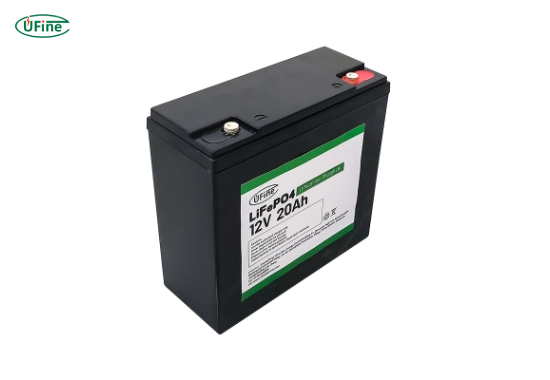
The Ufine 12V 20Ah LiFePO4 Battery is an excellent option for anglers who need long runtime and lightweight performance.
Key features:
- Lightweight LiFePO4 design
- Long cycle life
- Fast charging support
- Stable voltage output
- Compact size for kayaks and portable setups
Best for:
- Kayak fishing
- Bass boats
- Ice fishing electronics
- All-day sonar use
For portable marine electronics, LiFePO4 chemistry offers a strong balance of weight, runtime, and durability.
2 Dakota lithium 12V 10Ah battery
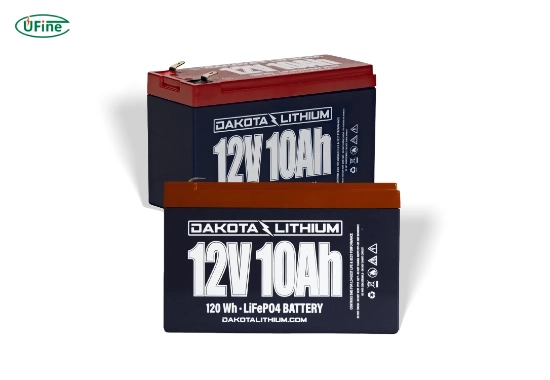
This battery is popular among kayak anglers because of its portability and long service life.
Key features:
- Compact and lightweight
- Long cycle life
- Fast recharge capability
- Reliable marine performance
Best for:
- Portable fish finder kits
- Kayak fishing
- Small sonar units
3 Expertpower 12V 9Ah SLA battery
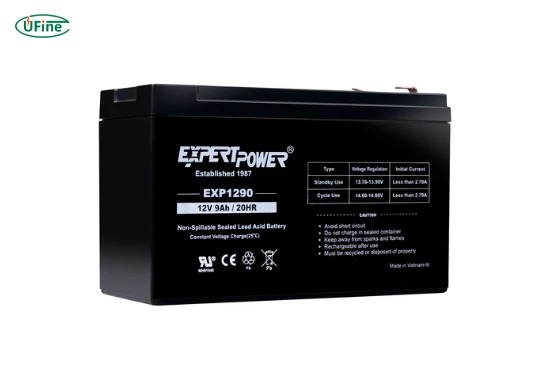
A dependable budget-friendly SLA battery for anglers who fish occasionally.
Key features:
- Lower purchase cost
- Durable construction
- Reliable backup power
Best for:
- Entry-level setups
- Occasional fishing trips
- Backup electronics power
4 Chrome 12V 10Ah SLA battery
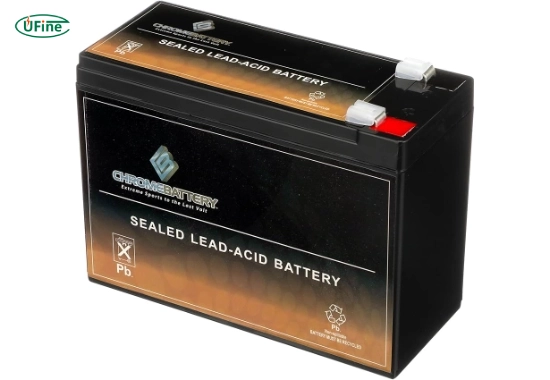
This AGM-style SLA battery performs well in marine environments.
Key features:
- Spill-proof AGM design
- Vibration resistance
- Stable voltage delivery
Best for:
- Small boats
- Budget marine electronics
- Traditional setups
5 Miady 12V 20Ah lithium battery
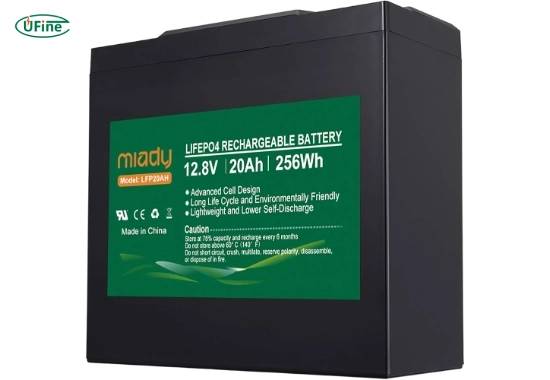
This battery combines portability and decent runtime for moderate electronics use.
Key features:
- Lightweight construction
- Portable carry handle
- Good energy efficiency
Best for:
- Portable electronics
- Kayak anglers
- Weekend fishing trips
6 Eci power 12V 20Ah lithium battery
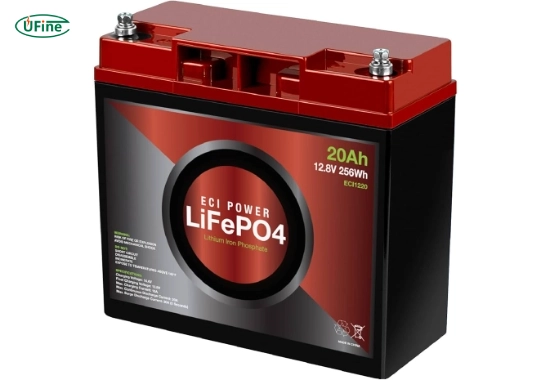
Designed for harsh fishing conditions, including cold-weather use.
Key features:
- Built-in protection systems
- Temperature resistance
- High energy density
Best for:
- Ice fishing
- Open-water fishing
- Long-duration trips
Part 6. Recommended battery sizes by fishing application
| Application | Recommended Battery | Preferred Type |
|---|---|---|
| Kayak fish finder | 10Ah–20Ah | LiFePO4 lithium |
| Portable ice fishing sonar | 7Ah–12Ah | Lithium |
| Bass boat electronics | 20Ah+ | LiFePO4 lithium |
| Occasional weekend fishing | 7Ah–10Ah | SLA or lithium |
| All-day sonar + GPS use | 20Ah–30Ah | LiFePO4 lithium |
Part 7. How long will a fish finder battery last?
Runtime depends on:
- Fish finder power draw
- Screen brightness
- GPS usage
- Sonar mode
- Battery capacity
A simple estimate:
Runtime (hours) = Battery Ah ÷ Device Amp Draw
For example:
- A fish finder drawing 1 amp
- Connected to a 10Ah battery
Estimated runtime: About 8–10 hours in real-world use
Part 8. Fish finder battery maintenance tips
Proper maintenance improves battery lifespan and reliability.
- Charge after every use
- Avoid storing batteries in a discharged state.
- Store in moderate temperatures
- Keep batteries away from:
- Extreme heat
- Freezing conditions
- Direct sunlight
- Inspect connections
- Check terminals regularly for:
- Corrosion
- Loose wiring
- Moisture damage
- Use the correct charger
- Lithium batteries require compatible lithium chargers.
You can learn more in our guide about choosing the right lithium battery charger.
Part 9. Fish finder battery safety and marine standards
Marine batteries should follow proper safety standards.
Important considerations include:
- Overcharge protection
- Short-circuit protection
- Waterproof protection
- Thermal management
For battery safety guidance, refer to the National Marine Electronics Association (NMEA) and BoatUS Foundation resources.
Part 10. Fish finder battery faqs
What size battery is best for a fish finder?
Most fish finders work well with a 7Ah to 20Ah battery. Small portable units may only need 7Ah–10Ah, while larger sonar and GPS systems often require 20Ah or more.
Is a lithium battery better for a fish finder?
Yes. Lithium LiFePO4 batteries are lighter, charge faster, last longer, and provide more stable voltage than traditional SLA batteries.
How long will a 12V fish finder battery last?
A 10Ah battery can usually run a fish finder for 8–12 hours, depending on screen brightness, sonar usage, and device power draw.
Can I use a car battery for a fish finder?
It is not recommended. Car batteries are designed for engine starting, not steady deep-cycle power delivery. A dedicated marine or lithium fish finder battery is safer and more reliable.
What is the best battery for kayak fish finder setups?
A lightweight LiFePO4 lithium battery between 10Ah and 20Ah is ideal for kayak fishing because it improves portability while delivering long runtime.
Related Tags:

More Articles

All You Need to Know About CB Certification for Lithium Batteries
Learn what CB certification and the IECEE CB Scheme mean for lithium batteries. Explore requirements, testing, benefits, and global market access.
How to Choose the Right 3S LiPo Battery 5000mAh for Your RC Hobby Projects?
Learn how to choose the best 3S LiPo battery 5000mAh for RC cars, drones, boats, and planes. Compare C ratings, runtime, connectors, charging, and safety tips.
Comparing Semi Truck Batteries vs. Truck Batteries
Compare semi truck batteries and truck batteries by size, CCA, lifespan, and battery type. Learn how to choose the right truck battery for your vehicle.
Top 10 Flat Lithium Ion Battery Options for Compact Devices
Explore top flat lithium ion battery options, key specifications, and selection factors for compact electronics, medical devices, and energy storage systems.
Top 10 High Capacity Batteries: Best Large Capacity Battery Options
Compare 10 high capacity batteries for portable devices, backup systems, and industrial use. Find the best large capacity battery.


