
- 1. Why 10 volts? What a 10V battery actually means
- 2. Why 10V batteries are actually 10.8V or 11.1V
- 3. Can you replace a 10V battery with a 10.8V battery
- Part 4. Types of 10 volt batteries
- 5. What is inside a 10V lithium battery pack
- 6. How to charge a 10V lithium battery correctly
- Part 7. Choosing the right charger for a 10 volt battery
- Part 8. Applications
- Part 9. Where can you buy a 10 volt battery?
- Part 10. FAQs
If you are searching for a “10V battery,” you may quickly get confused. You will see listings for 10V, 10.8V, and even 11.1V lithium-ion batteries that look almost identical.
So what should you actually choose?
Are they the same? Can you safely replace one with another?
In this guide, you will learn how 10V lithium batteries really work, what “10V” actually means, and how to choose the right replacement without making a costly mistake.
Key takeaways
- Most “10V batteries” are actually 10.8V lithium-ion (3S) battery packs
- “10V” is usually a marketing or simplified label, not an exact specification
- 10.8V, 11.1V, and 10V batteries often use the same 3-cell structure
- You can usually replace a 10V battery with a 10.8V battery if the device supports lithium-ion packs
- The most important factors are voltage compatibility, BMS protection, and discharge rate
- Incorrect charging or mismatched voltage can reduce battery life or damage your device
1. Why 10 volts? What a 10V battery actually means
A “10V battery” is not a strict technical standard. In most cases, when you see this label, it refers to a lithium-ion rechargeable battery pack used in tools or portable devices.
However, in real-world manufacturing, “10V” is rarely the exact electrical voltage.
Instead, it is commonly used as a simplified naming convention for a standard lithium-ion configuration.
A 10 volt battery offers a balanced solution between power and energy efficiency, especially for light to medium-power applications. Unlike 12V systems, which are typically used for high-demand appliances, 10V batteries provide sufficient power while being more compact, lightweight, and cost-effective.
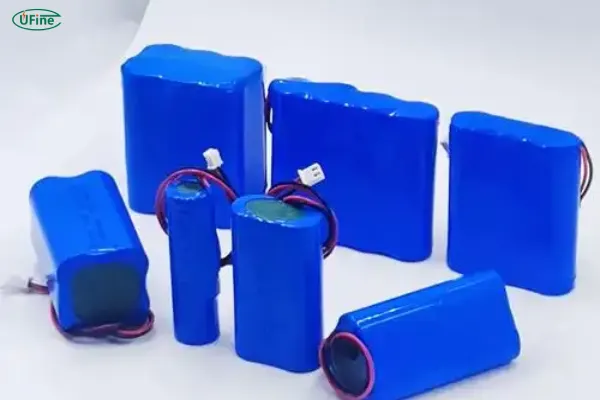
These batteries are commonly chosen for devices that don’t require the heavy power output of a 12V battery, making them a great fit for smaller electronics, electric bikes, and solar energy storage.
Is a 10 volt battery rechargeable?
Yes, most 10V batteries, especially those based on lithium-ion and LiFePO4 technologies, are rechargeable. These batteries can typically go through 500-1000 charge cycles with proper care, making them cost-effective and environmentally friendly options for energy storage.
However, it’s essential to use a charger that is specifically designed for 10V batteries to prevent issues like overcharging or undercharging, which could shorten the battery’s lifespan.
2. Why 10V batteries are actually 10.8V or 11.1V
Most “10V lithium batteries” are built using a 3-cell lithium-ion configuration (3S pack).
Here is how voltage really works:
3×3.6V=10.8V
And when fully charged:
3×4.2V=12.6V
This means:
- Nominal voltage = 10.8V
- Fully charged voltage = 12.6V
So when you see “10V battery,” you are almost always looking at a 10.8V lithium-ion battery pack in disguise.
What’s the difference between 10V and 10.8V batteries?
The key difference between 10V and 10.8V batteries lies in their nominal voltage and peak voltage:
10V Battery: Typically, this type has a nominal voltage of 10V, but can reach up to 12V when fully charged. It offers a consistent power output over the course of the charge cycle and is ideal for systems requiring a stable, moderate power source.
10.8V Battery: A 10.8V battery (commonly used in Li-ion technology) has a nominal voltage of 10.8V, with a peak voltage of up to 12.6V when fully charged. The higher peak voltage makes these batteries slightly more efficient at the top end but can experience a steeper voltage drop as the charge depletes.
Choosing between 10V and 10.8V depends on your application’s power requirements. Ufine Battery can provide both 10V and 10.8V lithium options to suit your needs, whether for electric vehicles, solar power systems, or other specialized devices.
10V vs 10.8V vs 11.1V battery comparison table
Although these names are used differently in marketing, they often refer to very similar internal structures.
| Label | Nominal voltage | Cell configuration | Notes |
|---|---|---|---|
| 10V battery | ~10.8V (approx.) | 3S lithium-ion | Marketing term |
| 10.8V battery | 10.8V | 3 × 3.6V cells | Standard Li-ion pack |
| 11.1V battery | 11.1V | 3 × 3.7V cells | Slightly different nominal rating |
3. Can you replace a 10V battery with a 10.8V battery
In many cases, you can safely use a 10.8V lithium-ion battery instead of a 10V battery—but you need to confirm device compatibility.
✔ When it is compatible
- Cordless power tools
- Electric screwdrivers
- Devices designed for lithium-ion battery packs
- Equipment with voltage tolerance range (most modern tools)
❌ When it is not compatible
- Sensitive electronics requiring exact voltage input
- Devices with strict voltage regulation
- Systems not designed for lithium-ion chemistry
⚠️ What you should check before replacing
- Original battery label (voltage + chemistry)
- Device manual specifications
- Connector type and polarity
Part 4. Types of 10 volt batteries
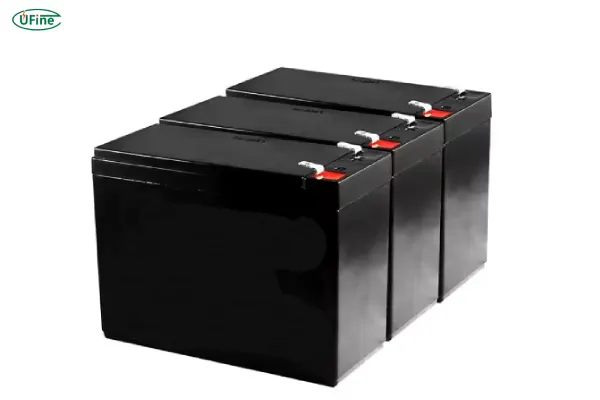
When considering a 10V battery, it’s crucial to understand the different types available and how they impact performance, efficiency, and longevity. Here are the main types:
1. 10V Lithium-Ion (Li-ion) Batteries
- Energy Density: High
- Lifespan: 5-10 years
- Applications: Electric bicycles, small electronic devices, power tools.
- Advantages: Lightweight, fast charging, long cycle life, and high thermal stability. Perfect for compact, energy-efficient designs.
2. 10V Lithium Iron Phosphate (LiFePO4) Batteries
- Energy Density: Moderate (compared to Li-ion)
- Lifespan: 5-10 years
- Applications: Off-grid solar systems, energy storage.
- Advantages: Safety, high thermal stability, and longer life cycles. Ideal for higher-powered applications where safety and longevity are critical.
3. 10V Nickel-Metal Hydride (NiMH) Batteries
- Energy Density: Moderate
- Lifespan: 3-5 years
- Applications: Medical devices, hybrid vehicles.
- Advantages: More environmentally friendly and stable than NiCd batteries. However, they have a lower energy density compared to Li-ion batteries.
5. What is inside a 10V lithium battery pack
A typical 10V (10.8V) lithium-ion battery pack is not a single cell—it is a structured energy system.
Internal structure:
- 3 × 18650 lithium-ion cells (3S configuration)
- Battery Management System (BMS)
- Nickel strips for cell connection
- Protective housing
- Output connector
Why BMS matters:
- Prevents overcharging
- Prevents over-discharging
- Balances cell voltage
- Improves safety and lifespan
Without a BMS, lithium-ion battery packs would be unsafe for most applications.
6. How to charge a 10V lithium battery correctly
Charging a lithium-ion battery requires a specific charging method.
Correct charging method (CC/CV)
- Constant Current / Constant Voltage charging
- Required charger output: 12.6V for 3S packs
Charging rules you must follow:
- You should never use NiMH chargers
- You should avoid overcharging above 12.6V
- You should avoid deep discharging below safe cutoff
- You should always use a lithium-ion compatible charger
Incorrect charging can significantly reduce battery lifespan or cause safety risks.
Part 7. Choosing the right charger for a 10 volt battery
Selecting the right charger for your 10V battery is crucial for maximizing performance and ensuring long battery life. Here are key considerations:
1. Battery Type Compatibility
Make sure the charger is designed for your battery’s specific chemistry—whether it’s Li-ion, LiFePO4, or NiMH. Mismatched chargers can lead to overcharging or undercharging, potentially damaging your battery.
2. Charging Speed and Voltage
For 10V lithium batteries, you’ll typically need a charger that outputs a voltage range of about 12.6V when fully charged. Ensure the charger matches this specification to ensure safe and efficient charging.
3. Battery Management System (BMS)
The BMS in 10V lithium-ion batteries is designed to protect the battery from overcharging, overheating, and over-discharging. Ensure that both your charger and battery support the BMS to maintain optimal health.
Part 8. Applications
10V batteries are used in a wide range of applications, where compactness, energy efficiency, and manageable power output are required. These include:
Electric Bicycles (E-Bikes): 10V lithium batteries are a common choice for e-bikes. They provide adequate range and power, offering an ideal balance between weight and energy efficiency.
Solar Power Systems: 10V lithium batteries are often used in small-scale solar energy storage, where compact and lightweight solutions are crucial.
Power Tools and Gadgets: Devices like cordless drills, flashlights, and other portable electronics use 10V batteries for reliable, efficient performance.
Consumer Electronics: Many wireless speakers, tablets, and handheld devices utilize 10V rechargeable batteries for a consistent power supply.
Part 9. Where can you buy a 10 volt battery?
You can purchase 10V batteries from various online retailers and battery suppliers. For those looking for high-quality, customized solutions, Ufine Battery specializes in custom lithium batteries. Whether you need a 10V battery for your electric bike, solar power setup, or any other specialized application, we provide tailored solutions that meet your exact requirements.
Part 10. FAQs
-
Can I use a 10V battery in place of a 12V battery?
While you technically can, a 10V battery will not provide the same energy output as a 12V battery and may not function effectively in devices designed specifically for 12V systems. -
How long will a 10V battery last?
The lifespan of a 10V lithium battery typically ranges from 5 to 10 years, depending on the usage, charging habits, and battery type. LiFePO4 batteries tend to have a longer lifespan compared to Li-ion. -
How do I know if my 10V battery is dead?
If your 10V battery fails to hold a charge or drops significantly in voltage (e.g., below 8V), it may be time to replace it.
-
What is the best charger for a 10V lithium battery?
It is essential to choose a charger that is compatible with the specific battery chemistry (e.g., Li-ion or LiFePO4) and is designed to provide a charge voltage of around 12.6V. -
How can I maintain my 10V battery for optimal performance?
To ensure long battery life, avoid deep discharges, store your battery in a cool, dry place, and use the appropriate charger for your battery’s chemistry.
Related Tags:

More Articles
Buck vs. Boost vs. Buck-Boost Converter: Which Is Best for Battery?
Not sure which converter your battery-powered device needs? Compare Buck, Boost, and Buck-Boost designs and discover what affects voltage stability and runtime.
How to Match 18650 Cells for a Reliable Battery Pack?
Building an 18650 battery pack? Learn how to compare cell capacity, voltage, and internal resistance to avoid mismatches and improve reliability.
Why Do 18650 Battery Packs Get Hot During Discharge?
Is your 18650 battery pack overheating under load? Learn what causes excess heat, how to spot dangerous symptoms, and what to do next.
18650 Battery BMS: How to Get the Specs Right
Learn how to choose a BMS for an 18650 battery pack. Compare voltage, current ratings, protection features, and balancing before you buy.
Why Does My Ring Camera Battery Drain So Fast or Stop Charging?
Is your Ring camera battery draining fast or not charging? Discover common causes, practical fixes, and when to replace the battery.


