
- Key Takeaways
- Part 1. Drill Battery Types
- Part 2. Drill Battery Compatibility
- Part 3. Drill Battery Voltage Explained: 12V vs 18V vs 20V Max
- Part 4. Drill Battery Capacity (Ah): How Runtime Really Works
- Calculate Drill Battery runtime
- Part 5. How Long Does a Drill Battery Last?
- Part 6. Charging Drill Batteries the Right Way
- Part 7. Common Drill Battery Problems
- Part 8. Original vs Replacement Drill Batteries
- Part 9. Maintenance, Safety, and Responsible Disposal
- Part 10. FAQs
A drill is only as good as the battery powering it. If you’ve ever dealt with weak torque, short runtime, or a battery that suddenly refuses to charge, you already know how important the right drill battery is. Whether you’re replacing an old pack, upgrading performance, or simply trying to make your current battery last longer, understanding how drill batteries actually work will save you time, money, and frustration.
In this guide, you’ll learn how to choose the right drill battery, how compatibility really works, what voltage and capacity mean in real use, and how to avoid the most common battery problems. The goal is simple: help you get reliable performance from your cordless drill without guesswork.
Key Takeaways
- Drill batteries are not universal—voltage, connectors, and electronics must match.
- Lithium drill batteries dominate modern tools due to higher energy density and longer lifespan.
- Higher Ah means longer runtime, not more power.
- Most drill battery failures are caused by charging habits and storage conditions, not defects.
Part 1. Drill Battery Types
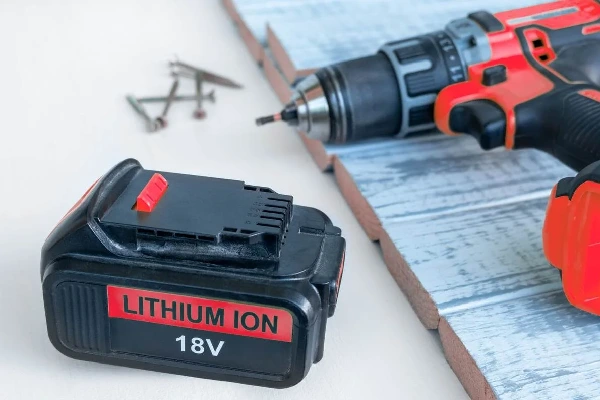
Over the years, drill batteries have evolved significantly. While older chemistries still exist, modern cordless drills overwhelmingly rely on lithium-based technology.
NiCd and NiMH batteries were once common, but they’re now largely phased out. NiCd batteries suffer from memory effect and environmental concerns, while NiMH improved energy density but still falls short by today’s standards.
Lithium drill batteries, on the other hand, are lighter, more efficient, and far easier to live with. They don’t require full discharge cycles, deliver consistent power output, and support higher capacities without excessive weight. That’s why nearly every major power tool platform today is built around lithium-ion packs.
| Battery Type | Energy Density | Weight | Memory Effect | Typical Use Today |
|---|---|---|---|---|
| NiCd | Low | Heavy | Yes | Legacy tools only |
| NiMH | Medium | Moderate | Mild | Limited replacement use |
| Lithium-Ion | High | Light | None | Modern cordless drills |
That said, lithium batteries are not perfect. Cold temperatures can reduce performance, and quality depends heavily on internal protection circuits. This is why manufacturing quality matters more than chemistry alone.
Part 2. Drill Battery Compatibility
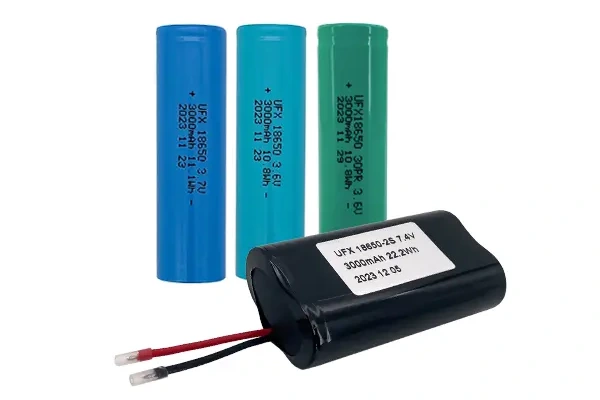
Before buying a drill battery, you should always verify the following:
- Voltage rating must match the tool
- Physical design must fit the battery slot and locking mechanism
- Electronic communication between the battery and tool must be supported
Even within the same brand, batteries from different tool platforms or generations may not work together. Replacement or aftermarket batteries can be a viable option, but compatibility and quality vary widely by manufacturer.
In short, a drill battery must match your tool electrically, mechanically, and electronically—or it simply won’t work.
Part 3. Drill Battery Voltage Explained: 12V vs 18V vs 20V Max
Voltage determines how much power your drill can deliver, but higher voltage doesn’t automatically mean a better choice for everyone.
- 12V drill batteries are compact and lightweight, making them ideal for light-duty tasks and tight spaces
- 18V systems are the most versatile, offering strong torque for general-purpose and professional work
- 20V Max is a marketing term that refers to peak voltage; in real-world use, it performs like an 18V system
A 12V drill battery is ideal for light-duty work, tight spaces, and overhead tasks where weight matters. For most homeowners and professionals, however, 18V systems offer the best balance of power and control.
You’ll often see “20V Max” on battery labels. This isn’t actually a different class—it’s a marketing term referring to peak voltage. In real-world use, 18V and 20V Max systems operate at the same nominal voltage.
| Voltage Class | Typical Use | Key Advantage |
|---|---|---|
| 12V | DIY, light tasks | Compact and lightweight |
| 18V | General & professional | Best balance of power |
| 20V Max | Same as 18V | Marketing-based labeling |
Choosing voltage should always depend on what you’re drilling, how often you work, and how much weight you’re comfortable handling.
Part 4. Drill Battery Capacity (Ah): How Runtime Really Works
Battery capacity, measured in amp-hours (Ah), determines how long your drill can operate on a single charge. It does not increase power output.
Higher Ah batteries provide longer runtime, which is useful for demanding or continuous work. However, they are also heavier and can make the drill feel unbalanced during prolonged use.
When choosing capacity, consider:
- Task duration and workload
- Tool weight and ergonomics
- Frequency of battery changes during work
For many users, a mid-range Ah battery offers the best balance between runtime and comfort.
Calculate battery runtime using our online tool:
Part 5. How Long Does a Drill Battery Last?
Drill battery lifespan is influenced by both usage and time. Even batteries that are rarely used will degrade due to natural chemical aging.
Under normal conditions, a quality lithium drill battery typically lasts three to five years. Heavy professional use can shorten this lifespan, while proper storage and charging habits can extend it.
Factors that most affect lifespan include heat exposure, deep discharge cycles, and long-term storage at full charge.
Keeping batteries away from extreme heat, avoiding deep discharge, and storing them partially charged when unused all contribute to longer service life.
When a drill battery suddenly shuts down or shows warning indicators under load, it may be related to a discharge protection issue—this article breaks down what a battery discharge warning means and how to fix it safely.
Part 6. Charging Drill Batteries the Right Way
Proper charging plays a major role in battery health. Unlike older battery types, lithium drill batteries do not require full discharge before recharging.
To charge drill batteries safely and efficiently:
- Use a charger designed for your battery platform
- Avoid repeatedly draining batteries to zero
- Allow batteries to cool before charging after heavy use
If you notice your drill battery getting unusually warm during charging, it may be a warning sign rather than normal behavior. This guide explains why lithium batteries get hot when charging and when you should stop using them:
If you notice your drill battery getting unusually warm during charging, it’s important to understand whether this is normal behavior or a warning sign—this detailed guide explains why lithium batteries get hot when charging and when you should stop using them.
Part 7. Common Drill Battery Problems
Many drill battery issues appear suddenly but are usually caused by gradual internal wear.
Common problems include:
- Battery not charging
- Sudden shutdown under load
- Rapid capacity loss
When a battery shuts down unexpectedly or displays warning indicators, it may be related to discharge protection rather than complete failure.
If problems persist, replacement is often safer than attempting internal repairs.
Part 8. Original vs Replacement Drill Batteries
Original manufacturer batteries offer consistent quality and guaranteed compatibility, but they often come at a premium. High-quality replacement drill batteries can be a cost-effective alternative, especially for older tools, but quality varies widely by supplier.
The key difference lies in cell quality, protection circuitry, and quality control. A well-made replacement battery can perform reliably, while a poorly made one may suffer from short lifespan or safety issues.
Part 9. Maintenance, Safety, and Responsible Disposal
Routine care goes a long way. Keeping battery contacts clean, avoiding moisture exposure, and storing batteries in a cool, dry place will prevent many common issues.
When a drill battery reaches the end of its life, disposal matters. Lithium batteries should never be thrown into household trash. Many local recycling programs and retailers accept used packs to prevent environmental contamination and recover valuable materials.
Part 10. FAQs
Can a drill battery lose capacity even if it’s rarely used?
Yes. Drill batteries age over time even without frequent use. Calendar aging affects lithium batteries regardless of usage, especially if stored fully charged or exposed to heat.
Why does my drill battery show full charge but stop working quickly?
This usually indicates cell imbalance or internal resistance increase. The battery may report full voltage, but usable capacity has significantly degraded.
Is it safe to use a drill battery with a higher current rating?
Higher current capability is generally safe if voltage and compatibility match. However, the tool will only draw the current it needs—excess capability doesn’t increase power.
Can extreme cold permanently damage a drill battery?
Short exposure typically won’t cause permanent damage, but charging a cold lithium battery can. Always let batteries warm to room temperature before charging.
Do fast chargers reduce drill battery lifespan?
Frequent fast charging can increase heat stress, which may shorten lifespan over time. Occasional fast charging is fine, but standard charging is better for long-term health.
Related Tags:

More Articles

JST vs Molex: The Right Battery Connector Choice
JST or Molex for your battery? Learn how connector selection affects current, voltage drop, reliability, and device performance.
Custom Battery Pricing: Costs Manufacturers Don’t Mention
A low battery quote may not be the final cost. Discover common hidden expenses that affect custom lithium battery projects.
Battery Wire Length: Hidden Cause of Power Loss
A longer battery wire can cause voltage drop, power loss, and unstable operation. Learn how wire length affects battery performance.
How Device Sleep Modes Affect Battery Life
Think sleep mode extends battery life? Learn why devices still drain power and how firmware, hardware, and batteries affect runtime.
LiPo Battery and PCB Design: Clearance, Insulation, and Placement
Learn how to optimize LiPo battery PCB clearance, insulation, placement, wiring, and thermal design—and avoid common integration mistakes.


