
- Key Takeaways
- Part 1. Characteristics of cylindrical batteries
- Part 2. Structure of cylindrical battery
- Part 3. Understanding cylindrical batteries sizes
- Part 4. How to choose the right cylindrical battery?
- Part 5. Cylindrical vs. prismatic vs. pouch cells
- Part 6. Making the most of your batteries: charging & life tips
- Part 7. How to build a pack with cylindrical cells?
- Part 8. Protected vs. unprotected cylindrical batteries
- Part 9. Cylindrical battery certification
- Part 10. FAQs
Key Takeaways
- What cylindrical lithium batteries are and why they’re so widely used.
- How to choose the right battery size and chemistry for your project.
- How cylindrical cells compare to other cell formats like prismatic and pouch.
- How to manage battery life, assemble packs safely, and why certifications matter.
Part 1. Characteristics of cylindrical batteries
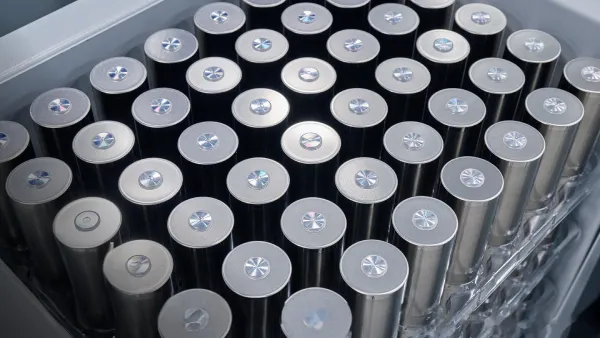
1. Appearance of cylindrical lithium battery
Cylindrical lithium batteries generally comprise positive electrode material (nickel cobalt oxide or zinc manganate), separator paper, and electrolyte. The casing of the cylindrical battery is made of aluminum-plastic composite pipe.
2. Cylindrical lithium battery capacity
The rated energy density of a single cylindrical lithium battery is between 300 and 500Wh/kg. Its specific power can reach more than 100W. According to different models and specifications of cylindrical batteries, the actual performance of this type of battery varies.
3. Safety and reliability of cylindrical lithium batteries
Cylindrical batteries have the characteristics of high safety and stability, resistance to overcharge, high temperature resistance, and long service life.
4. Cylindrical lithium battery application
Cylindrical lithium batteries can be used as power sources. In addition, they can also be seen in digital cameras, MP3 players, notebook computers, car starters, power tools, and other portable electronic products.
Part 2. Structure of cylindrical battery
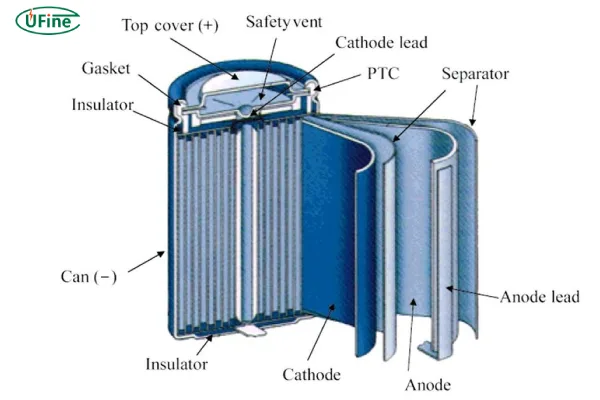
A general cylindrical lithium-ion battery consists of a casing, a cap, a positive electrode, a negative electrode, a separator, and an electrolyte. Generally speaking, the casing of a cylindrical battery is the battery’s negative electrode, and the cap is the battery’s positive electrode. The battery casing is made of nickel-plated steel plate.
The critical difference between power cylindrical batteries and ordinary cylindrical batteries lies in the conductive connection structure of the battery. A special high-current structure design is required because the general application current of power lithium batteries is relatively large.
Part 3. Understanding cylindrical batteries sizes
Before we dive in, let’s look at a quick overview of the most common sizes you’ll encounter:
| Model | Diameter | Height | Common Use Case |
|---|---|---|---|
| 10440 | ~10 mm | ~44 mm | Small electronics, flashlights |
| 14500 | ~14 mm | ~50 mm | Cameras, toys |
| 18650 | ~18 mm | ~65 mm | Laptops, power tools |
| 21700 | ~21 mm | ~70 mm | E‑bikes, EVs |
| 26650 | ~26 mm | ~65 mm | High‑capacity applications |
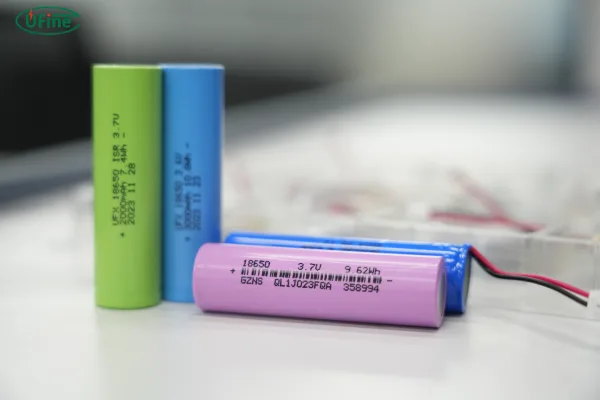
When you see names like 18650 or 21700, those numbers aren’t random. They directly describe the physical size of the cell — diameter first, then height.
This matters more than many people realize. A slightly larger cylindrical cell doesn’t just hold more energy; it also affects heat dissipation, discharge capability, and how easily the cell can be integrated into a battery pack.
For example, small cylindrical batteries such as 10440 or 14500 are ideal when space is limited, but they struggle with sustained high current. On the other hand, larger formats like 21700 or 26650 are often chosen for applications where power and thermal stability matter more than compact size.
Part 4. How to choose the right cylindrical battery?
If you’re choosing between two cylindrical batteries with similar voltage, capacity becomes a practical trade-off. Higher capacity usually means longer runtime, but it also increases size, weight, and sometimes charging time. In compact devices, that trade-off often matters more than the raw mAh number.
Let’s be honest — picking a battery isn’t just about matching numbers. You want performance, safety, and compatibility with your device. Here’s how to break it down:
1 Voltage & Capacity Matters
Most cylindrical cells are nominally rated around 3.2V–3.7V per cell. But your system might need a specific operating voltage. For example, a 12V tool pack often uses four cells in series (4 × ~3.7V ≈ 14.8V).
Capacity (mAh) tells you roughly how long the battery can run between charges — but higher capacity often means heavier and larger cells.
2 Discharge Rate (C‑rating)
If your device draws a lot of current (like a high‑speed drill), you need cells that can handle higher continuous discharge. This is where high‑rate cylindrical cells shine.
3 Chemistry Choices
- NMC (Nickel Manganese Cobalt): Great energy density and general purpose.
- LFP (Lithium Iron Phosphate): A bit lower energy density but much longer life and safer thermal behavior.
These chemistry decisions affect your battery life, temperature stability, and cost.
Since many cylindrical lithium cells rely on NMC lithium-ion battery chemistry, understanding its performance, lifespan, and safety trade-offs can help you make better long-term decisions.
Part 5. Cylindrical vs. prismatic vs. pouch cells
Okay, now let’s talk about other players in the cell world. You might have heard of prismatic or pouch cells. How do they measure up?
Here’s a simple table:
| Feature | Cylindrical | Prismatic | Pouch |
|---|---|---|---|
| Shape | Round | Rectangular | Flexible pouch |
| Heat Dissipation | Excellent | Moderate | Needs careful cooling |
| Volumetric Use (space efficiency) | Lowest | Best | Very high |
| Mechanical Strength | High | High | Lower |
| Manufacturing Cost | Low | Moderate | Higher |
| Typical Uses | Tools, e‑bikes | EV battery packs | Phones, drones |
In short:
- Cylindrical cells are tough, cost‑efficient, and easy to cool because of their circular form and gaps between cells.
- Prismatic cells pack neatly in boxes (great for EVs or stationary storage) but can be harder to cool uniformly.
- Pouch cells are lightweight and high energy per weight but may require extra support because the pouch can swell under stress.
Part 6. Making the most of your batteries: charging & life tips
You can buy an awesome battery, but if you treat it badly, it’ll age fast. Here’s how you can maximize performance and lifespan:
1 Manage Charge Levels
- Avoid full 0% or 100% extremes unless absolutely necessary.
- Aiming for a mid‑range state of charge (like 20–80%) usually helps longevity.
2 Keep Them Cool
Heat is a killer. Charging or discharging at high temperature not only stresses the chemistry but also accelerates aging. If you can keep temperatures between 15–35°C when in use, that’s a big win.
3 Use a Proper Charger
Don’t just throw any charger at the battery. Use one that matches the chemistry (e.g., for LFP vs NMC) and voltage.
4 Storage Matters
If you’re storing batteries for a while, don’t leave them fully charged. Aim for about 40–60% state of charge in a cool, dry place.
Part 7. How to build a pack with cylindrical cells?
When you need more power or voltage than one cell can give, you’ll combine them in series and/or parallel:
- Series (S): Increases voltage.
- Parallel (P): Increases capacity (mAh).
For example, a 4S2P pack means 4 in series and each series string has 2 cells in parallel.
A Few Tips for Design
- Always use matched cells (same capacity, brand, cycle history).
- Add a Battery Management System (BMS). This little board protects against overcharge, overdischarge, short circuits, and imbalance.
- Secure them with proper holders — you don’t want rattling cells inside your pack!
In real-world battery packs, especially for commercial or industrial use, cell consistency often matters more than chasing maximum capacity.
Even small differences in internal resistance or aging can lead to imbalance over time, which is why professional packs always rely on proper cell matching and a well-designed BMS.
If you’re planning to build or customize a battery pack, understanding how to connect lithium batteries in series and parallel is essential for achieving the right voltage and capacity.
Part 8. Protected vs. unprotected cylindrical batteries
Not all batteries are created equal. Here’s the low‑down:
1 Protected Cells:
These include a small protection circuit (PCB/PCM) built into the cell assembly. They guard against overcharge, short circuits, and overcurrent — great for beginners or standalone use.
2 Unprotected Cells:
Cheaper and slightly more compact, but open to risk if you don’t pair them with external protection (like a BMS). These are common in battery packs where the pack’s BMS does the heavy lifting.
If you’re building your first pack or working in a DIY setting, protected cells can save you headaches and hazards.
If you’re unsure which option is safer for your application, this guide on protected and unprotected batteries explains the real risks and use cases behind each choice.
Part 9. Cylindrical battery certification
Let’s get a bit formal — but it’s worth it. Batteries that meet internationally recognized safety standards give you confidence, legality, and transport compliance.
Two big ones you should know:
- IEC 62133 – This is the international standard for portable rechargeable batteries’ safety. Meeting this means the battery has passed abuse tests, short‑circuit tests, and more.
- UN 38.3 – Required for shipping lithium batteries. It tests how cells handle extreme conditions, vibration, shock, temperature swings, short circuits, and more before they’re transported.
If your battery isn’t certified to these, you might run into logistical or legal trouble — especially in regulated markets.
For manufacturers and importers, these certifications are more than technical checkboxes. They directly affect whether a battery can be shipped internationally, insured, or accepted by distributors. In many cases, certified cylindrical lithium batteries reduce not only safety risks, but also long-term business and compliance costs.
Now that you understand cylindrical lithium battery sizes, performance trade-offs, and safety considerations, the next step is choosing the right cell for your specific application. Whether you’re evaluating 18650 versus 21700 batteries or planning a custom battery pack, making informed decisions early can save time, cost, and risk later on.
Ufine Battery offers customized cylindrical lithium battery solutions tailored to your exact requirements — including capacity, voltage, cell configuration, and physical dimensions. Whether you’re validating a prototype or preparing for large-scale production, our engineering team is ready to support your project.
Find a Solution NowPart 10. FAQs
Why are cylindrical battery sizes so standardized worldwide?
Because cylindrical cells follow long-established manufacturing standards, sizes like 18650 and 21700 are produced consistently across brands, making them easier to source and replace globally.
Does a larger cylindrical battery always mean better performance?
Not necessarily. Larger cells usually offer higher capacity, but performance also depends on discharge rate, internal resistance, and thermal design — not just size.
Are small cylindrical batteries suitable for high-power devices?
In most cases, no. Small cylindrical batteries such as 10440 or 14500 are limited by size and cannot safely deliver sustained high current without overheating.
Can you mix different cylindrical battery sizes in one battery pack?
Mixing sizes is strongly discouraged. Different sizes behave differently under load, which can cause imbalance, overheating, and reduced pack lifespan.
How do cylindrical batteries handle heat compared to flat cells?
Cylindrical batteries dissipate heat more evenly due to their round shape and spacing between cells, which helps reduce thermal stress in high-current applications.
Related Tags:

More Articles

JST vs Molex: The Right Battery Connector Choice
JST or Molex for your battery? Learn how connector selection affects current, voltage drop, reliability, and device performance.
Custom Battery Pricing: Costs Manufacturers Don’t Mention
A low battery quote may not be the final cost. Discover common hidden expenses that affect custom lithium battery projects.
Battery Wire Length: Hidden Cause of Power Loss
A longer battery wire can cause voltage drop, power loss, and unstable operation. Learn how wire length affects battery performance.
How Device Sleep Modes Affect Battery Life
Think sleep mode extends battery life? Learn why devices still drain power and how firmware, hardware, and batteries affect runtime.
LiPo Battery and PCB Design: Clearance, Insulation, and Placement
Learn how to optimize LiPo battery PCB clearance, insulation, placement, wiring, and thermal design—and avoid common integration mistakes.


