- Part 1. What is a 3V lithium battery?
- Part 2. Types of 3V lithium batteries
- Part 3. Detailed specifications comparison
- Part 4. Best 3V lithium batteries in 2026 (professional review)
- Part 5. Final recommendations
- Part 6. Technical considerations & practical testing notes
- Part 7. Buying checklist — How to choose & verify authenticity
- Part 8. Installation, handling & storage best practices
- Part 9. Counterfeit detection guide (practical )
- Part 10. FAQs
A 3V lithium battery is a compact and powerful primary battery designed for low-to-high-drain electronics such as cameras, flashlights, remote controls, medical devices, smart sensors, watches, and more. If you’re unsure which model fits your device the best, this complete guide compares the top 3V lithium battery types and the best 5 battery options in 2026.
We also include size charts, buyer tips, and the key differences between CR123A, CR2, CR2032, and CR2025.
Part 1. What is a 3V lithium battery?
A 3V lithium battery is a non-rechargeable lithium manganese dioxide (Li/MnO₂) battery that delivers 3.0 volts. Compared with alkaline batteries, 3V lithium batteries offer:
✔ Higher energy density
✔ Longer shelf life (up to 10 years)
✔ Better performance in extreme temperatures
✔ Lightweight design
Part 2. Types of 3V lithium batteries
There are two main 3V lithium battery formats:
| Type | Models | Shape | Capacity Range | Typical Use |
|---|---|---|---|---|
| Cylindrical | CR123A, CR2 | Cylinder | 800–1600mAh | Flashlights, cameras, security |
| Coin Cell | CR2032, CR2025 | Button-type coin | 150–240mAh | Watches, remotes, key fobs |
📌 Key Differences
| Model | Diameter | Height | Best for |
|---|---|---|---|
| CR123A | 17mm | 34mm | High-drain devices |
| CR2 | 15.6mm | 27mm | Compact cameras |
| CR2032 | 20mm | 3.2mm | Long-life coins |
| CR2025 | 20mm | 2.5mm | Low-power slim devices |
Part 3. Detailed specifications comparison
| Model | Type | Nominal Voltage | Typical Capacity | Size (Ø × H) | Weight | Operating Temp |
|---|---|---|---|---|---|---|
| Duracell 123 | CR123A (cyl) | 3.0 V | 1550–1600 mAh | 17.0 mm × 34.0–34.5 mm | 16–17 g | −20 °C to +75 °C |
| Energizer CR2 | CR2 (cyl) | 3.0 V | ~800 mAh | 15.6 mm × 27.0 mm | ~11 g | −40 °C to +60 °C |
| Panasonic CR123A | CR123A (cyl) | 3.0 V | ~1550 mAh | 17.0 mm × 34.5 mm | ~16 g | −40 °C to +70 °C |
| Camelion CR2032 | CR2032 (coin) | 3.0 V | 210–220 mAh | 20.0 mm × 3.2 mm | ~3.1 g | −20 °C to +60 °C |
| Maxell CR2025 | CR2025 (coin) | 3.0 V | 150–170 mAh | 20.0 mm × 2.5 mm | ~2.5 g | −20 °C to +85 °C |
Part 4. Best 3V lithium batteries in 2026 (professional review)
1 Duracell 123 — Best for High-Drain Devices
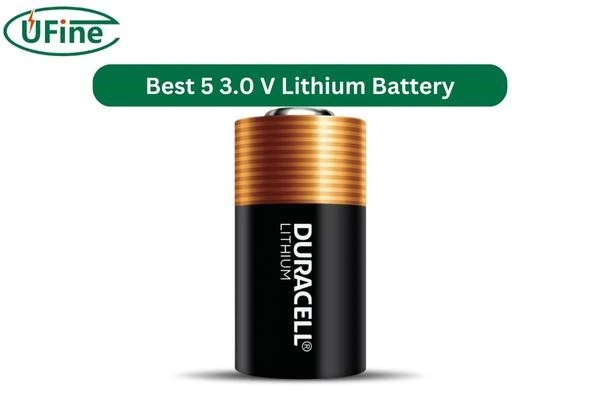
A top-tier CR123A battery optimized for demanding electronics. With high capacity (up to 1600 mAh) and excellent discharge efficiency, it supports longer runtime under heavy loads.
Specs
- Voltage: 3.0V
- Capacity: 1600mAh
- Shelf Life: 10 years
- Size: 17mm × 34mm
- Weight: 17g
- Price: ~$12.29 (2-pack)
Strengths
- Excellent for flashlights, motion security cameras, and professional gear
- Strong performance in hot and cold environments
- 10-year shelf life prevents energy loss
Weak Points
- Slightly higher cost
- Overkill for low-drain devices
Ideal Users: Outdoor enthusiasts, security system owners, photographers
Installation & compatibility notes
- CR123A fits devices designed for 17×34mm cells; do not force into CR2 slots even if similar—dimensions differ.
- Observe polarity marking and ensure a snug spring/terminal contact to prevent intermittent operation.
Common replacement alternatives
Other premium CR123A cells (Panasonic, Sony alternatives) if price is a concern; check capacity claims.
2 Energizer CR2 — Best Compact High-Power Option
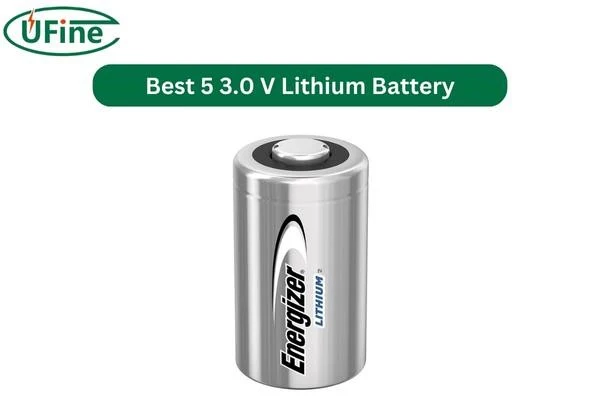
Designed for devices requiring significant power in tight spaces, such as laser rangefinders and compact digital cameras.
Specs
- Capacity: 800mAh
- Shelf life: 10 years
- Weight: 11g
- Price: ~$12.95
- Temperature: -40°C to 60°C
Strengths
- High power-to-size ratio
- Lightweight and portable
- Very reliable for rapid-drain uses
Weak Points
- Lower capacity compared to CR123A
- Still pricier than standard household batteries
Ideal Users
Mobile equipment users who prioritize portability
Installation & compatibility notes
- CR2’s shorter height and smaller diameter require CR2-specific holders. Do not substitute with CR123A or vice versa.
- For devices that accept both, consult device manual—rare adapters exist but are not universal.
3 Panasonic CR123A — Best Performance-to-Price Ratio
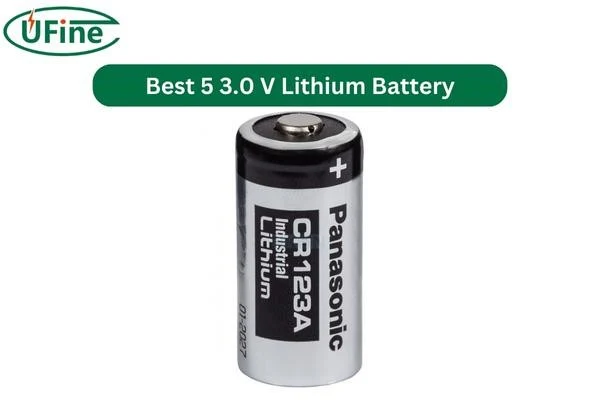
Matches premium CR123A capacity while offering more affordable pricing, making it a great value for regular users.
Specs
- Capacity: 1550mAh
- Shelf Life: 10 years
- Price: ~$1.90 each
Strengths
- Solid overall performance
- Affordable without sacrificing quality
- Widely compatible with consumer devices
Weak Points
Not the absolute longest runtime in extreme demands
Ideal Users
Budget-conscious users who still want premium reliability
Notes
If you need the absolute longest runtime in extreme conditions, Duracell may edge ahead; for most, Panasonic balances cost & performance well.
4 Maxell CR2025 — Best Thin Coin Cell for Slim Devices
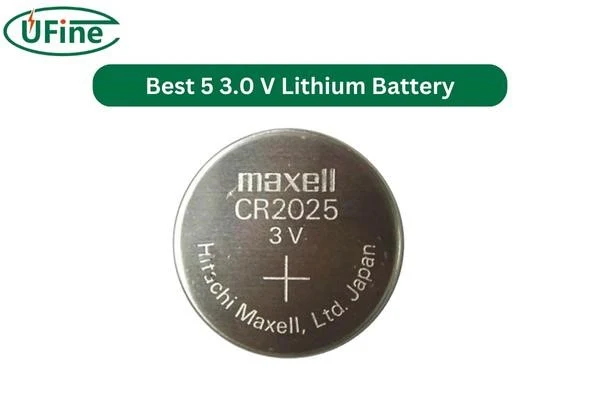
A compact battery with a thinner construction than CR2032, perfect for ultra-low-profile electronics.
Specs
- Capacity: 150mAh
- Size: 20mm × 2.5mm
- Weight: 2.5g
- Shelf Life: 10 years
- Price: ~$0.50
Strengths
- Very lightweight
- Excellent for key fobs, watches, health trackers
- Good performance in high-heat environments
Weak Points
Lower capacity, not suitable for high-drain products
Ideal Users
Wearables and compact personal devices
Compatibility tip
If capacity is insufficient and CR2032 physically fits, prefer CR2032; otherwise use exact size specified by the device.
5 Camelion CR2032 — Longest Runtime Coin Cell
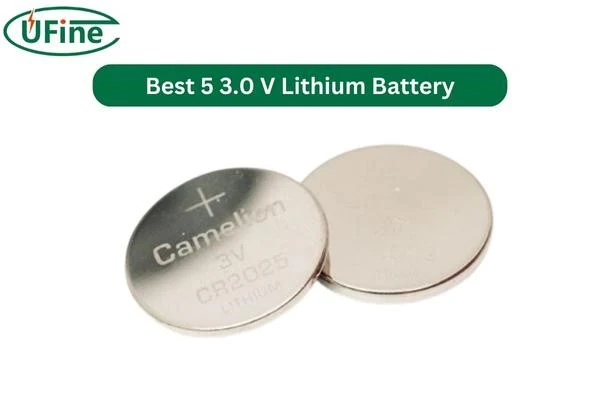
Delivers one of the highest capacities among coin cells, offering extended device life.
Specs
- Capacity: 220mAh
- Size: 20mm × 3.2mm
- Shelf Life: ~10 years
- Price: ~$0.41
Strengths
- Long operational lifespan
- High popularity and availability
- Best choice for coin cell power endurance
Weak Points
Slightly thicker than CR2025, may not fit all devices
Ideal Users
Automotive keys, medical equipment, IoT products
Part 5. Final recommendations
| Device Type | Recommended Battery | Why |
|---|---|---|
| High-drain security cameras | Duracell 123 | Maximum runtime + weather durability |
| Compact high-drain flashes | Energizer CR2 | Strong output in small size |
| General electronics | Panasonic CR123A | Best price/performance ratio |
| Ultra-slim gadgets | Maxell CR2025 | Thin construction |
| Devices needing longest coin battery life | Camelion CR2032 | Highest capacity coin cell |
If you prioritize…
| Priority | Best Choice |
|---|---|
| Max power & long runtime | Duracell 123 |
| Best value | Panasonic CR123A |
| Lightweight & compact | Energizer CR2 |
| Thinnest for tight spaces | Maxell CR2025 |
| Long-life coin cell | Camelion CR2032 |
✨ Pro Tip for Readers Before buying, always check the original battery inside your device: Same size = Same name = Guaranteed compatibility.
Part 6. Technical considerations & practical testing notes
Voltage & Discharge Behavior
- Nominal voltage: 3.0 V. Under load, voltage declines; the usable capacity depends on both the cut-off voltage of the device and the discharge rate.
- Higher loads = lower usable capacity. For example, a cell rated 1550 mAh at a 0.1C load may deliver much less at 0.5–1C bursts.
Temperature Effects
- Low temperatures reduce available capacity and increase internal resistance. Some lithium chemistries perform better at −20 °C than alkaline.
- Coin cells generally have narrower optimal temperature ranges than cylindrical high-capacity CR123A cells.
Shelf Life & Self-Discharge
- Primary lithium cells typically hold charge well; shelf life commonly 7–10 years in matched conditions.
- Store in cool, dry places and keep cells in original packaging until use.
Real-World Runtime Estimation
To estimate runtime: Runtime (hours) ≈ Capacity (mAh) / Device average current (mA). Adjust for higher discharge inefficiencies and pulse currents.
Part 7. Buying checklist — How to choose & verify authenticity
- Check physical size: diameter and height must match device requirements.
- Buy from reputable sellers: avoid suspiciously low-priced bulk lots.
- Check packaging details: secure blister packs, clear brand printing, lot numbers, and expiry/manufacture dates.
- Look for batch/lot codes on either the cell or packaging.
- Beware of counterfeit signs: misspellings on packaging, extremely lightweight cells, mismatched dimensions, or no expiration/manufacture date.
- If buying many cells for critical devices, order a small test batch first.
- Match chemistry & cut-off behavior — some devices expect stable 3.0V primary cell behavior.
Part 8. Installation, handling & storage best practices
- Polarity: Always match positive (+) and negative (−) correctly. Coin cells insert + face up in most holders.
- Contact cleanliness: Ensure battery contacts are clean and dry; oxidized or dirty contacts cause intermittent power.
- Avoid short-circuit: Do not carry loose batteries in a pocket with metal objects (risk of shorting).
- Storage: Keep in original packaging, store at cool temperatures (ideally <25 °C), and avoid humid or corrosive environments.
- Disposal/recycling: Do not throw into general trash where regulations prohibit it. Use local battery recycling or hazardous-waste programs.
Part 9. Counterfeit detection guide (practical )
- Weigh a known genuine cell and compare weight of new purchase. Counterfeits often lighter.
- Visual inspection: real cells have consistent laser etching or stamping; counterfeit printing can smear or misalign.
- Packaging quality: sealed blister, barcodes, and safety markings are standard for reputable brands.
- Price too good to be true: extremely low pricing on name-brand batteries often signals non-genuine product.
Part 10. FAQs
Can I substitute CR123A with CR2?
No. They differ in both diameter and height—substitution is not recommended without a specific adapter or device support.
Are CR123A batteries rechargeable?
Standard CR123A cells are primary (non-rechargeable). Rechargeable variants (RCR123A / 16340) exist but with different nominal voltages and charging requirements—only use rechargeable replacements if the device supports them.
Which coin cell is better: CR2025 or CR2032?
CR2032 typically offers higher capacity due to its thicker size. Choose CR2032 if it fits the device; otherwise use CR2025 as specified.
How long will a CR2032 last in my key fob?
Most key fobs last 1–3 years depending on transmission frequency and how often the device wakes from sleep.
Can I mix old and new batteries?
No. Mixing batteries can cause imbalance, accelerated leakage, or overheating, especially in series or parallel setups.
Related Tags:

More Articles
Dead Battery or Device Failure? How to Find the Cause
Think your device is broken? Learn how to tell if the problem comes from battery aging or hardware failure before replacing your electronics.
Why iPhone Duo Uses Two Batteries: The Engineering Behind Foldable Phone Power
Why do foldable phones need two batteries? Explore the engineering challenges behind iPhone Duo’s dual-battery architecture and future battery trends.
Solid-State Batteries: 3 Myths You Need to Know
Solid-state batteries promise safer EVs and longer range, but the reality is more complex. Discover the challenges behind this next-gen technology.
Battery Capacity vs Discharge Rate: The Choice Engineers Face
Higher capacity or higher discharge rate? Learn how to choose the right LiPo battery for longer runtime, stable power output, and better device performance.
Battery Cable Size Guide: Choose the Right Wire Fast
Not sure what battery cable size you need? Learn how to select the right wire gauge, terminal size, and cable for safer, more efficient battery systems.