
- Key Takeaways
- Part 1. What causes batteries to leak?
- Part 2. Are leaking batteries dangerous?
- Part 3. How to identify a leaking battery?
- Part 4. What to do if a battery leaks?
- Part 5. Can lithium batteries leak?
- Part 6. How to prevent battery leaks
- Part 7. Can leaking batteries cause fires?
- Part 8. Environmental impact of battery leakage
- Part 9. Are leaking batteries dangerous to pets?
- Part 10. FAQs about leaking batteries and safety
Battery leakage is a common issue in both household and industrial use. Many people ignore it until a device is damaged or skin contact occurs. In reality, leaking batteries can cause chemical exposure, corrosion, and even fire risks in some cases.
This guide explains why batteries leak, how dangerous they are, and what to do if you find or touch a leaking battery.
Key Takeaways
- Leaking batteries are chemically corrosive and potentially toxic, especially alkaline and lithium-based cells.
- Battery acid on skin can irritate or burn, but immediate washing usually prevents serious injury.
- Lithium-ion battery leaks are rare but more dangerous, with possible fire or gas release risks.
- The most common cause of leakage battery issues is aging, over-discharge, or improper storage.
- A battery leaked inside a device can permanently damage electronics due to corrosion.
- Proper disposal and storage significantly reduce risks and extend battery lifespan.
Part 1. What causes batteries to leak?
Battery leakage occurs when internal chemical reactions break down containment seals.
Common causes:
- Overheating or overcharging
- Increases internal pressure → forces electrolyte out
- Aging / expired batteries
- Seal degradation leads to leakage battery failure
- Deep discharge (overuse)
- Especially common in alkaline batteries
- Physical damage
- Cracks or punctures allow chemicals to escape
- Improper storage
- Heat and humidity accelerate chemical breakdown
Learn more about battery chemical behavior in our guide:
👉 What does battery acid smell like and how to dispose of it
Part 2. Are leaking batteries dangerous?
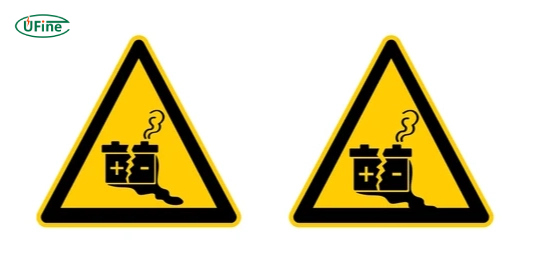
Yes—leaking batteries are dangerous, but the level of risk depends on battery type and exposure.
- Health risks
- Skin contact: Battery acid on skin may cause irritation or mild burns
- Eye exposure: Can lead to serious injury
- Inhalation: Some battery leaks release harmful fumes
👉 Many users ask: “does battery acid burn immediately?”
Not always instantly, but prolonged exposure increases damage risk
- Fire and explosion risk
- Lithium-ion batteries can release flammable gases
- In rare cases, leakage leads to thermal runaway
👉 Related concern: “18650 battery leaking—is it dangerous?”
Yes. A leaking 18650 lithium-ion battery should be treated as high risk and not reused.
- Device damage
- Corrosion destroys terminals and circuits
- Even a small battery leak can make electronics unusable
- Environmental impact
- Toxic materials contaminate soil and water
- Improper disposal increases long-term pollution risks
For environmental guidance, refer to:
👉 EPA Battery Disposal Guidelines
Part 3. How to identify a leaking battery?
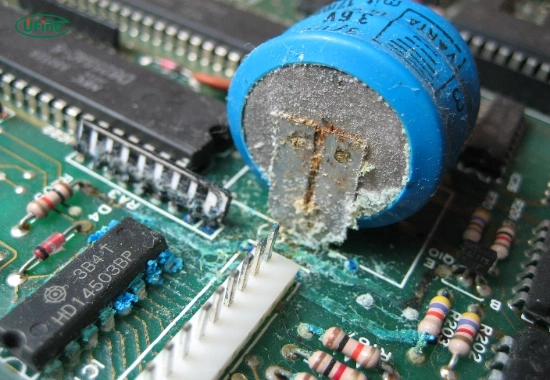
Look for these signs:
- White or crusty residue (common in alkaline battery leaking acid cases)
- Swollen or deformed casing
- Corroded terminals
- Chemical or metallic smell
If you notice any of these, treat it as a leaky battery hazard.
Part 4. What to do if a battery leaks?
If you encounter a battery leaked inside a device or loose battery:
Avoid direct contact
Use gloves if possible
Remove the battery carefully
Use non-metal tools
Clean the residue
Alkaline: use vinegar or lemon juice
Neutralize corrosion carefully
Wash skin immediately if exposed
If you think: “I touched a leaking battery” → Wash with soap and water for several minutes
Seal and dispose properly
Use a plastic bag or container
Take to certified recycling centers
Part 5. Can lithium batteries leak?
Yes—but differently from alkaline batteries.
Comparison:
| Battery Type | Leakage Behavior | Risk Level |
|---|---|---|
| Alkaline | Liquid potassium hydroxide leaks | Moderate |
| Lithium-ion | Gas release, swelling, rupture | High |
| Zinc-carbon | Frequent leakage | Moderate–High |
👉 So, “can lithium batteries leak?”
Yes—but they are more likely to vent gas or rupture than leak liquid.
Part 6. How to prevent battery leaks
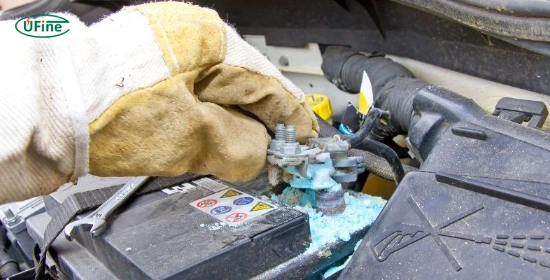
Practical prevention tips:
- Store batteries in a cool, dry place
- Avoid mixing old and new batteries
- Remove batteries from unused devices
- Use correct chargers for rechargeable batteries
- Replace aging batteries before failure
Part 7. Can leaking batteries cause fires?
Yes—especially lithium-based batteries.
Risk scenarios:
- Overcharged lithium batteries
- Damaged or punctured cells
- Exposure to heat or sparks
Prevention:
- Avoid cheap or incompatible chargers
- Do not use damaged batteries
- Store away from heat sources
Part 8. Environmental impact of battery leakage
Leaking batteries release:
- Heavy metals (lead, cadmium)
- Corrosive electrolytes
Best practices:
- Never throw batteries in household trash
- Use certified recycling programs
- Follow local hazardous waste regulations
Part 9. Are leaking batteries dangerous to pets?
Yes.
Pets may:
- Chew batteries → chemical burns
- Ingest toxic materials
If exposure happens:
- Rinse mouth gently
- Do not induce swallowing
- Contact a veterinarian immediately
Part 10. FAQs about leaking batteries and safety
What happens if I touch a leaking battery?
If you touched a leaking battery, wash your skin immediately with soap and water. Mild irritation is common, but prolonged exposure to battery acid on skin can cause burns.
Does battery acid burn immediately?
Not always instantly. However, chemicals like potassium hydroxide can damage skin over time, so quick cleaning is critical.
Is battery corrosion dangerous?
Yes. Battery corrosion is a sign of leakage and contains corrosive chemicals that can damage skin, electronics, and surfaces.
Why do batteries leak?
Batteries leak due to aging, over-discharge, heat exposure, or internal chemical breakdown that weakens seals.
Can a leaking battery be fixed?
No. A leaking battery cannot be repaired. It should be safely disposed of and replaced.
Related Tags:

More Articles

Best 24V Lithium Battery: Top 10 Compared
Discover the top 24V lithium batteries. We compare capacity, price, cycle life, safety features, and the best options for different applications.
Top LFP Cell Manufacturers in China You Should Know
Looking for reliable LiFePO4 cells? Explore China's top LFP battery manufacturers, key technologies, production capabilities, and supplier selection tips.
Check If Your Charger Works: Simple Test Guide
Think your battery charger's broken? Quick tests can show you for sure. See if it’s the charger or the battery that's causing issues. Read more.
Best Camera Batteries: 7 Brands Compared & Tested
Looking for the best camera battery? Compare 7 top brands, including OEM and third-party options, to find the right battery for your camera.
What You Need to Know About Portable Fan Batteries
Discover the best portable electric fan battery, its types, lifespan, and maintenance tips. Learn how to choose the right one and keep it running longer.


