
Quick Answer: The price of 18650 batteries ranges from $3 to $5 for entry-level, $6 to $10 for mid-range, and $10 to $20 for premium, high-performance 18650 lithium batteries, depending on the brand, capacity, and safety features. Bulk purchases often reduce costs further.
18650 batteries are widely used in electronics, e-cigarettes, flashlights, and electric vehicles. Prices vary based on capacity (2000–3500 mAh), discharge rate, brand reputation, and manufacturing technology. Entry-level batteries are suitable for casual devices, mid-range batteries provide reliable daily performance, and premium batteries deliver high energy density, long cycle life, and advanced safety features for demanding applications.
Part 1. Factors influencing 18650 battery prices
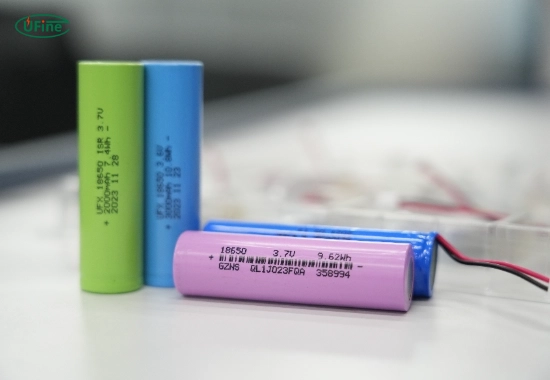
- 1. Raw Materials and Manufacturing Costs
The cost of 18650 lithium batteries is directly affected by raw materials like lithium, cobalt, nickel, manganese, and graphite. Market fluctuations in these materials, as well as advances in manufacturing technology, impact final prices.
Key Materials: Lithium and cobalt drive price volatility; nickel, manganese, and graphite enhance energy density and longevity. High-quality electrodes increase battery cost but improve safety and performance.
Manufacturing Complexity: Advanced coating techniques, precision assembly, and quality control raise costs but result in longer-lasting, safer 18650 li-ion batteries.
- 2. Brand and Quality
Brand Reputation and Market Perception
Established brands in the battery industry often carry a legacy of reliability, innovation, and quality assurance. This reputation built over time through consistent performance, safety standards, and customer satisfaction impacts pricing. Consumers often perceive these renowned brands as offering higher-quality products, which can justify a premium in pricing compared to lesser-known or generic brands.
R&D Investments and Technological Advancements
Leading brands invest heavily in research and development to introduce cutting-edge technologies and innovative battery features. These advancements enhance battery performance and contribute to higher manufacturing costs. Incorporating newer technologies, such as improved energy density, faster charging capabilities, or enhanced safety features, often justifies the higher price points of branded 18650 batteries.
Quality Assurance and Testing Standards
Renowned brands maintain stringent quality control measures and adhere to industry-standard testing protocols to ensure consistent product quality and safety. This meticulous approach toward quality assurance involves rigorous testing for capacity retention, cycle life, temperature tolerance, and safety features, which might increase production costs. However, it establishes consumer trust, allowing brands to command higher product prices.
Warranty and After-Sales Support
Another aspect influencing pricing is the warranty coverage, and after-sales support reputable brands offer. More extended warranty periods and robust customer support infrastructure contribute to perceived value, justifying the higher prices. Consumers are often willing to pay more for the assurance of reliable after-sales service and warranty coverage provided by established brands.
- 3. Market Demand and Competition
Consumer Demand Trends
Market demand serves as a pivotal force shaping the prices of 18650 batteries. Consumer preferences, influenced by technological advancements, evolving applications, and the increasing integration of battery-powered devices, dictate the demand for these batteries. Fluctuations in consumer demand based on emerging trends, such as electric vehicles, portable electronics, and renewable energy storage systems, directly impact pricing.
Supply and Demand Balance
The equilibrium between supply and demand within the 18650 battery market significantly affects prices. Shortages in raw materials, production bottlenecks, or unexpected surges in demand can create imbalances, leading to price spikes. Conversely, oversupply situations might drive prices down as manufacturers strive to remain competitive amidst excess inventory.
Competitive Landscape
Intense competition among battery manufacturers and sellers is a driving force in pricing strategies. Competitors vying for market share often use pricing wars, offering discounts or promotions to attract consumers. This competition exerts pricing pressure, compelling companies to adjust their prices to remain competitive without compromising profitability.
Regulatory Changes and Industry Standards
Changes in regulatory frameworks or industry standards can impact 18650 battery pricing. For instance, environmental regulations enforcing higher sustainability standards might increase production costs, subsequently affecting prices. Compliance with new safety or efficiency standards may also influence pricing strategies across the industry.
Part 2. Pricing range for 18650 battery
| Category | Price Range | Capacity (mAh) | Best For |
|---|---|---|---|
| Entry-Level | $3–$5 | 2000–2500 | Basic electronics, flashlights |
| Mid-Range | $6–$10 | 2500–3000 | Daily use devices, e-cigarettes |
| Premium | $10–$20 | 3000–3500+ | High-performance devices, power-hungry gadgets |
Buying Tips:
- Check capacity, discharge rate, and safety certifications before purchasing.
- Consider bulk purchases from reputable suppliers for better pricing.
- Compare reviews and warranty coverage for reliability.
- 1. Entry-Level Budget Battery
Affordable Range:
Entry-level budget 18650 batteries fall within the more economical price range, appealing to consumers seeking cost-effective power solutions without significant financial investment.
Basic Functionalities:
These batteries offer fundamental features necessary for everyday use. They typically encompass standard capacity levels, basic safety measures, and moderate performance suitable for devices with lower power demands.
Simplified Materials and Manufacturing:
Manufacturers focus on cost-efficient materials and streamlined manufacturing processes to keep prices competitive. While meeting essential power requirements, these batteries exhibit slightly shorter lifespans or lower performance under heavy usage than higher-tier batteries.
Where to Find the Best Prices for 18650 Batteries?
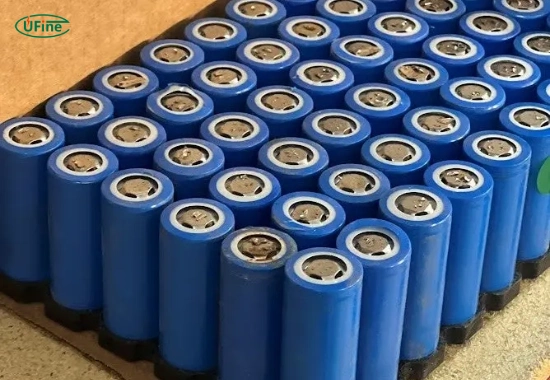
Online Retailers: Popular platforms like Amazon and eBay often offer entry-level 18650 batteries for as low as $3 to $5 per unit. Bulk purchases from wholesalers or specialized battery websites may further reduce costs to under $3 per battery.
Specialized Stores: For mid-range and premium batteries, visiting specialized online battery stores ensures access to top brands and authentic products. Expect prices from $6 to $10 for mid-range batteries and $10 to $20 for premium models, depending on features and specifications.
- 2. Mid-Range Battery
Balanced Pricing and Quality:
Mid-range 18650 batteries balance cost and performance, offering improved features without venturing into the higher price bracket. They cater to consumers looking for better quality without a substantial financial commitment.
Enhanced Features:
These batteries typically provide higher capacity, better energy retention, and improved performance compared to entry-level options. They suit devices requiring a more reliable power source at a reasonable price point.
Enhanced Durability and Performance:
Manufacturers invest in better-quality materials and slightly advanced manufacturing processes for mid-range batteries. This results in improved durability and better performance under moderate to heavy usage scenarios.
- 3. Premium and High-Performance Battery
Top-Tier Offerings:
Premium and high-performance 18650 batteries belong to the upper echelon regarding quality and capabilities, targeting users with specific demands for exceptional performance.
Cutting-Edge Features:
These batteries boast advanced features like extended lifespan, rapid charging capabilities, higher energy density, and superior safety mechanisms. They cater to power-intensive devices, demanding applications, or users prioritizing top-notch performance.
Innovative Materials and R&D Excellence:
Manufacturers invest heavily in utilizing top-quality materials, advanced manufacturing techniques, and robust research and development efforts to create batteries that perform and last for a long time.
Ready to buy 18650 batteries that suit your needs? Explore top deals and trusted sellers online to find authentic products at competitive prices. Whether you’re looking for budget-friendly options or premium performance, ensure your next purchase delivers value and reliability!
Part 3. FAQs
Why are 18650 batteries more expensive than other cells?
The price of 18650 lithium batteries depends on factors like brand reputation, capacity (2000–3500 mAh), discharge rate, safety features, and the quality of raw materials such as lithium and cobalt. Premium manufacturing and rigorous testing also increase cost but ensure reliability and longevity.
Where can I buy authentic 18650 batteries?
Authentic 18650 batteries can be purchased from trusted online retailers like Amazon, eBay, or certified battery manufacturers. Always check product reviews, warranty coverage, and specifications. Bulk orders often reduce the price per unit.
What should I check before buying an 18650 battery?
Check the battery’s capacity (mAh), discharge rate, size, and compatibility with your device. Look for reputable brands, safety certifications, and consistent cycle life to ensure performance and safety.
Which 18650 battery has the highest output?
High-output 18650 cells feature higher continuous discharge rates (amps), suitable for power-hungry devices like high-performance flashlights or vape mods. Top brands provide reliable high-current cells with enhanced thermal stability.
What materials are commonly used in 18650 batteries?
Common materials include lithium cobalt oxide (LiCoO2), lithium manganese oxide (LiMn2O4), lithium nickel manganese cobalt oxide (NMC), and lithium iron phosphate (LiFePO4) for electrodes, along with electrolytes and separators. Material choice affects capacity, safety, and cost.
Does battery capacity affect 18650 battery price?
Yes. Higher-capacity 18650 batteries (measured in mAh) usually cost more due to their ability to store more energy. Price also depends on brand quality, discharge rate, and safety features.
Can cheaper 18650 batteries perform like premium ones?
Lower-priced 18650 batteries may match specs but often lack consistency, longevity, safety features, or high-load performance. Using reputable brands ensures reliable performance and safer operation.
Related Tags:

More Articles
Buck vs. Boost vs. Buck-Boost Converter: Which Is Best for Battery?
Not sure which converter your battery-powered device needs? Compare Buck, Boost, and Buck-Boost designs and discover what affects voltage stability and runtime.
How to Match 18650 Cells for a Reliable Battery Pack?
Building an 18650 battery pack? Learn how to compare cell capacity, voltage, and internal resistance to avoid mismatches and improve reliability.
Why Do 18650 Battery Packs Get Hot During Discharge?
Is your 18650 battery pack overheating under load? Learn what causes excess heat, how to spot dangerous symptoms, and what to do next.
18650 Battery BMS: How to Get the Specs Right
Learn how to choose a BMS for an 18650 battery pack. Compare voltage, current ratings, protection features, and balancing before you buy.
Why Does My Ring Camera Battery Drain So Fast or Stop Charging?
Is your Ring camera battery draining fast or not charging? Discover common causes, practical fixes, and when to replace the battery.


