
Unlocking The Potential Of Tracker Lithium Batteries
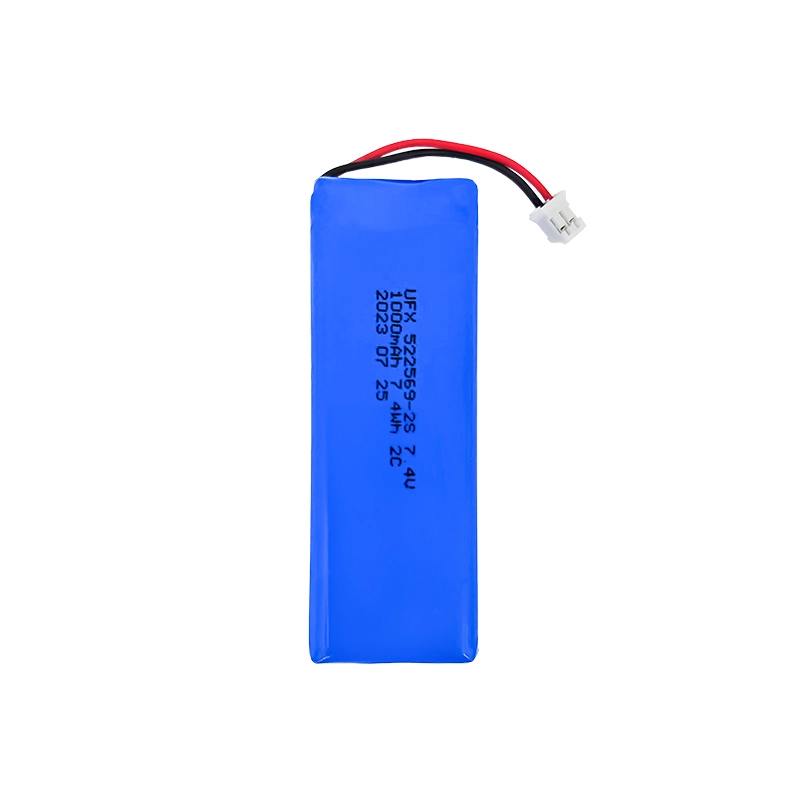
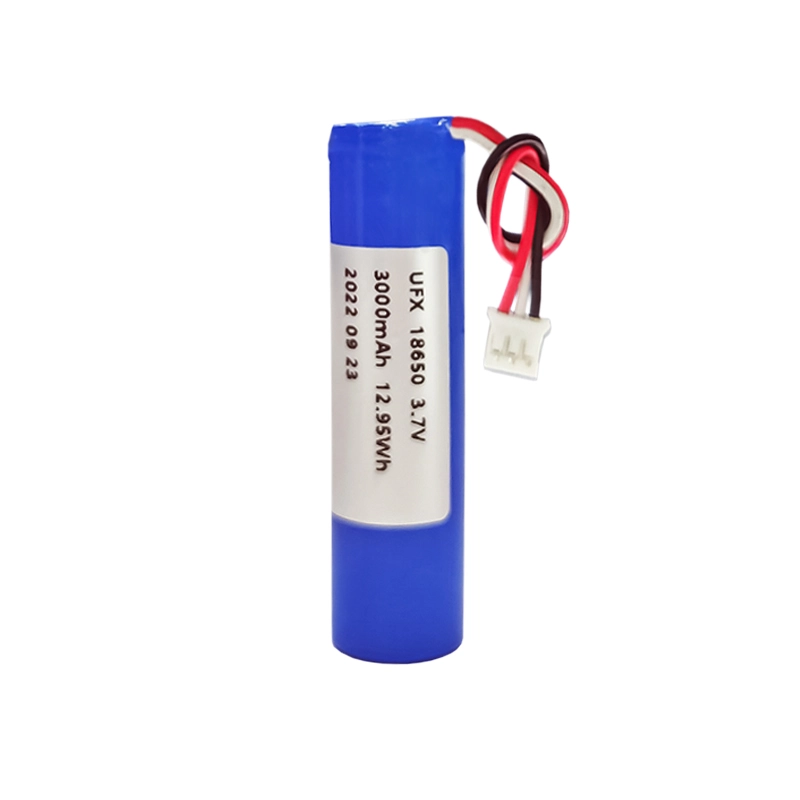
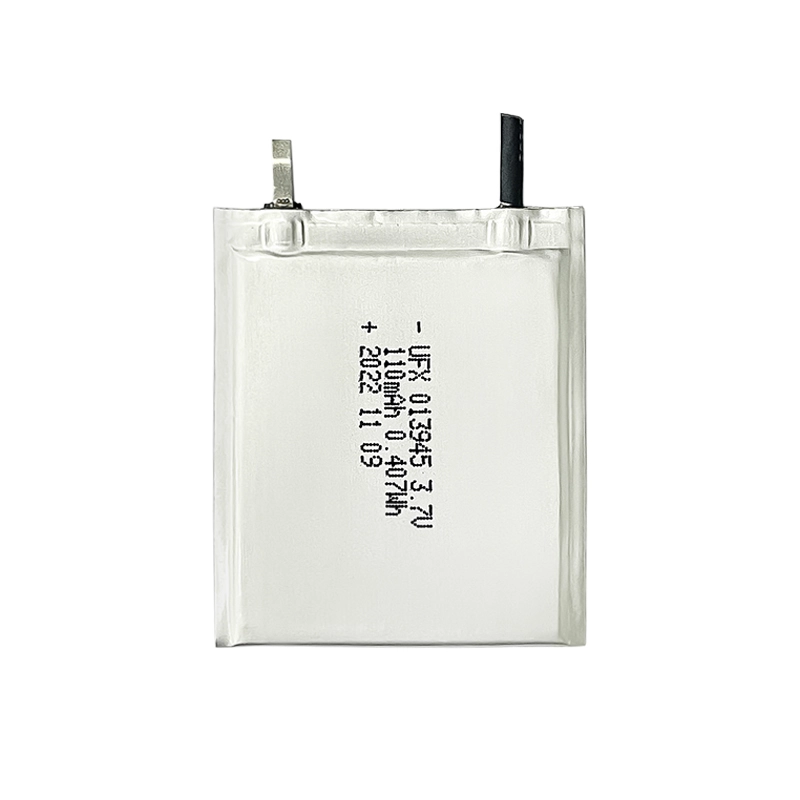
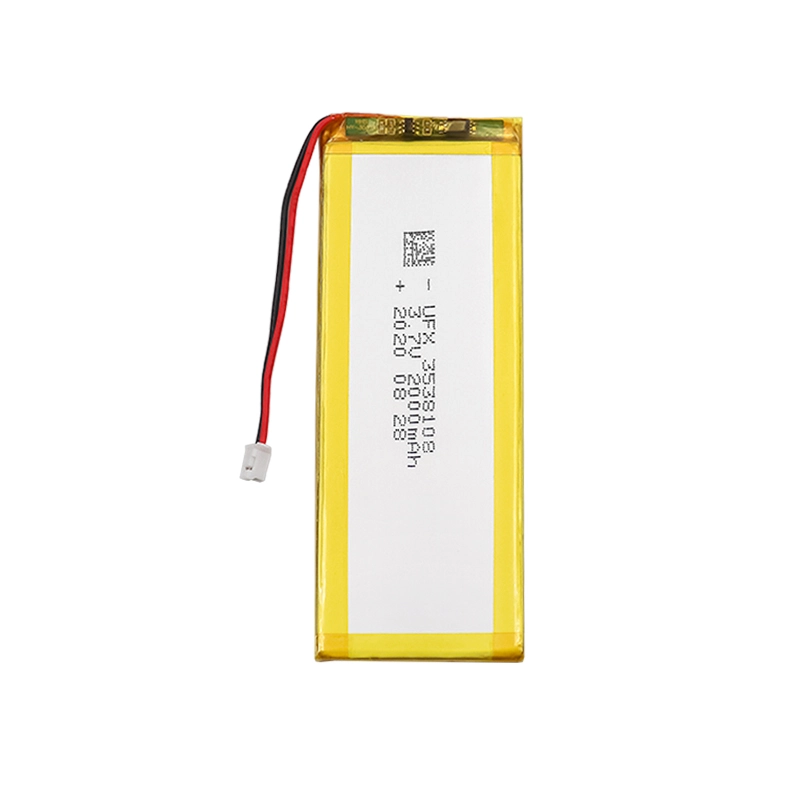
The wireless tracker means that the entire device has no external wiring, so it cannot obtain external power. The working life of the device is limited by the built-in power supply. The service life of the tracker battery is determined by the set positioning frequency. The higher the positioning frequency, the shorter the battery service life. Therefore, trackers are generally of the ultra-long standby type and can be used directly for 2 to 3 years without replacing the battery or charging.
Li-ion Battery is one of the most widely used rechargeable battery types currently, with multiple parameters and application ranges.
Common parameters of lithium batteries
1. Capacity: Battery capacity is an indicator of the energy stored in a battery, usually measured in ampere-hours (Ah). A higher battery capacity means the battery is able to store more energy, providing longer use. Lithium-ion batteries range in capacity from a few hundred milliamp hours (mAh) to thousands of milliamp hours (mAh), depending on the size and design of the battery.
2. Nominal Voltage: The nominal voltage of lithium-ion batteries is usually 3.6V or 3.7V. The battery’s voltage gradually decreases during the discharge process, eventually reaching its cut-off voltage (usually 2.5-2.7V). Therefore, in order to keep the device working properly, lithium-ion batteries often need to be used in conjunction with a battery management system (BMS) to keep the battery voltage within a safe range.
3. Charge and Discharge Efficiency: The charge and discharge efficiency of lithium-ion batteries is usually as high as 90%-95% or more. This means that the battery can efficiently convert energy during charging and discharging, reducing energy loss and improving energy utilization.
4. Cycle Life: The cycle life of a lithium-ion battery refers to the number of charge and discharge cycles that the battery can experience, usually based on a complete charge and discharge cycle. A good lithium-ion battery cycle life can reach hundreds to thousands of cycles, depending on battery quality, usage conditions, charging method, etc.
5. Charging Rate: The charging rate of a lithium-ion battery refers to the charging current that the battery can accept. A higher charge rate means the battery can charge faster, shortening charging time. The charging rate is usually expressed in terms of rate (C-rate). For example, 1C means that the charging current is equal to a multiple of the battery capacity. Some lithium-ion batteries also have fast charging capabilities, which can achieve high-capacity charging in a short time to meet fast charging needs.
The principle of tracker lithium battery
When the tracker lithium battery is charged, lithium ions are released from the lithium-containing compound of the positive electrode, and the lithium ions move to the negative electrode through the electrolyte. The carbon material of the negative electrode has a layered structure with many micropores. The lithium ions that reach the negative electrode are embedded in the micropores of the carbon layer. The more lithium ions are embedded, the higher the charging capacity.
When the battery is discharged (that is, the process when we use the battery), the lithium ions embedded in the carbon layer of the negative electrode are released and moved back to the positive electrode. The more lithium ions returned to the positive electrode, the higher the discharge capacity. What we usually call battery capacity refers to the discharge capacity.
During the charging and discharging process of tracker lithium battery, lithium ions are in a state of movement from positive electrode → negative electrode → positive electrode. It’s like a rocking chair. The two ends of the rocking chair are the poles of the battery, and the lithium ions move back and forth on both ends of the rocking chair. Therefore, lithium-ion batteries are also called rocking chair batteries.
How long is the battery life of tracker lithium battery?
The battery life of a tracker lithium battery can vary significantly depending on several factors, including the battery’s capacity, the specific type of lithium battery used, the power consumption of the tracking device, and how frequently the device transmits or updates its location.
In general, tracker lithium batteries are known for their extended battery life compared to other battery types. They can often last several months or even years in low-power tracking devices. However, for high-power applications or devices that need to transmit data frequently, the battery life may be shorter, ranging from days to a few weeks.
For a more precise estimate of battery life for your specific tracking application, it’s essential to consult with the battery manufacturer or supplier. They can provide detailed information based on the type and capacity of the tracker lithium battery and the power requirements of your tracking device.
High Energy Density
It stores large amounts of energy in a smaller and lighter package
Longer Cycle Life
Withstands extensive charge and discharge cycles
Low Self-Discharge
Maintains power longer when not in use
Safety
Minimizes the risk of accidents and ensures safe operation
More Information About Tracker Lithium Battery
-
How long do lithium batteries last?
-
Can lithium batteries be customized for specific applications?
-
What is the minimum order quantity (MOQ) for lithium batteries?
-
What is the lead time for lithium battery production and delivery?
Latest Blogs
About Lithium Battery Industry News
Buck vs. Boost vs. Buck-Boost Converter: Which Is Best for Battery?
Not sure which converter your battery-powered device needs? Compare Buck, Boost, and Buck-Boost designs and discover what affects voltage stability and runtime.
2026/10/20 Ufine

How to Match 18650 Cells for a Reliable Battery Pack?
Building an 18650 battery pack? Learn how to compare cell capacity, voltage, and internal resistance to avoid mismatches and improve reliability.
2026/10/19 Ufine

Why Do 18650 Battery Packs Get Hot During Discharge?
Is your 18650 battery pack overheating under load? Learn what causes excess heat, how to spot dangerous symptoms, and what to do next.
2026/10/19 Ufine

18650 Battery BMS: How to Get the Specs Right
Learn how to choose a BMS for an 18650 battery pack. Compare voltage, current ratings, protection features, and balancing before you buy.
2026/10/19 Ufine

Why Does My Ring Camera Battery Drain So Fast or Stop Charging?
Is your Ring camera battery draining fast or not charging? Discover common causes, practical fixes, and when to replace the battery.
2026/10/19 Ufine

Battery Pack Overheating? Causes and Solutions
Is your battery pack getting too hot? Learn the common causes, identify potential risks, and discover practical ways to prevent overheating.
2026/10/16 Ufine