124065 3.7V 4000mAh Rechargeable Pouch Battery


- 16 Years Experience
- 200+ Certifications
- 1000+ Customers
- 7X24 Customer Support
-
Product Details
-
Specs
-
Content
-
FAQs

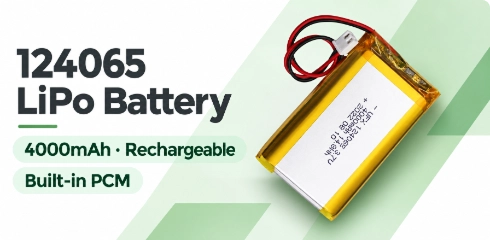
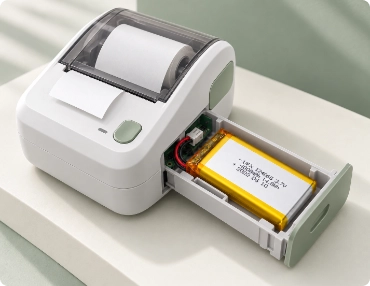
The Ufine 124065 is a rechargeable lithium polymer pouch battery with 3.7V nominal voltage, 4000mAh capacity, and 14.8Wh nominal energy. Its listed maximum size is 12 × 40 × 67mm. The standard version includes a protection board. An MSDS is available for review.
124065 Battery Performance
Review the device load, cycle rating, storage limits, and temperature range. See Specs for the full electrical ratings.
- Battery Output
- Cycle Life
- Storage
- Temperature
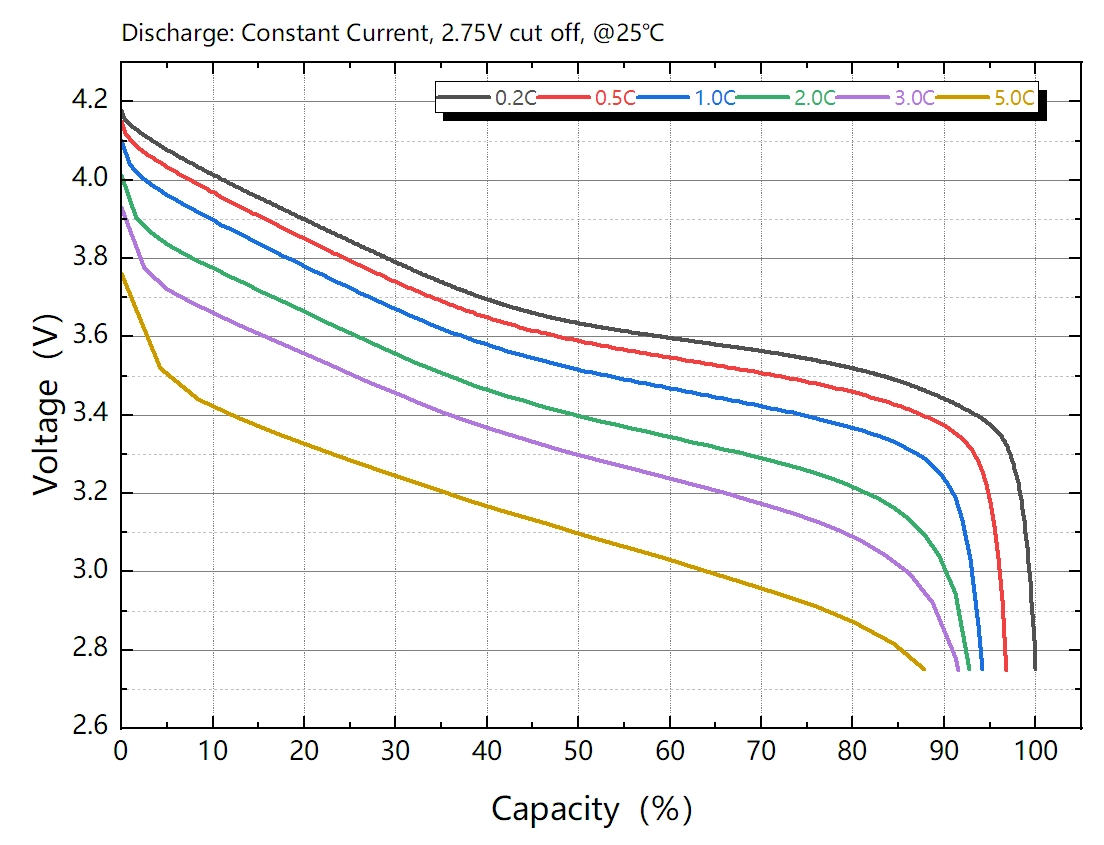
Match Battery Output to the Device Load
The listed standard discharge current is 800mA (0.2C). Review higher loads against the approved finished battery rating. The PCM, wires, and connector must also support the required current.
- Measure normal current in each device mode.
- Record startup peaks and how long they last.
- Confirm the complete assembly rating before sample approval.
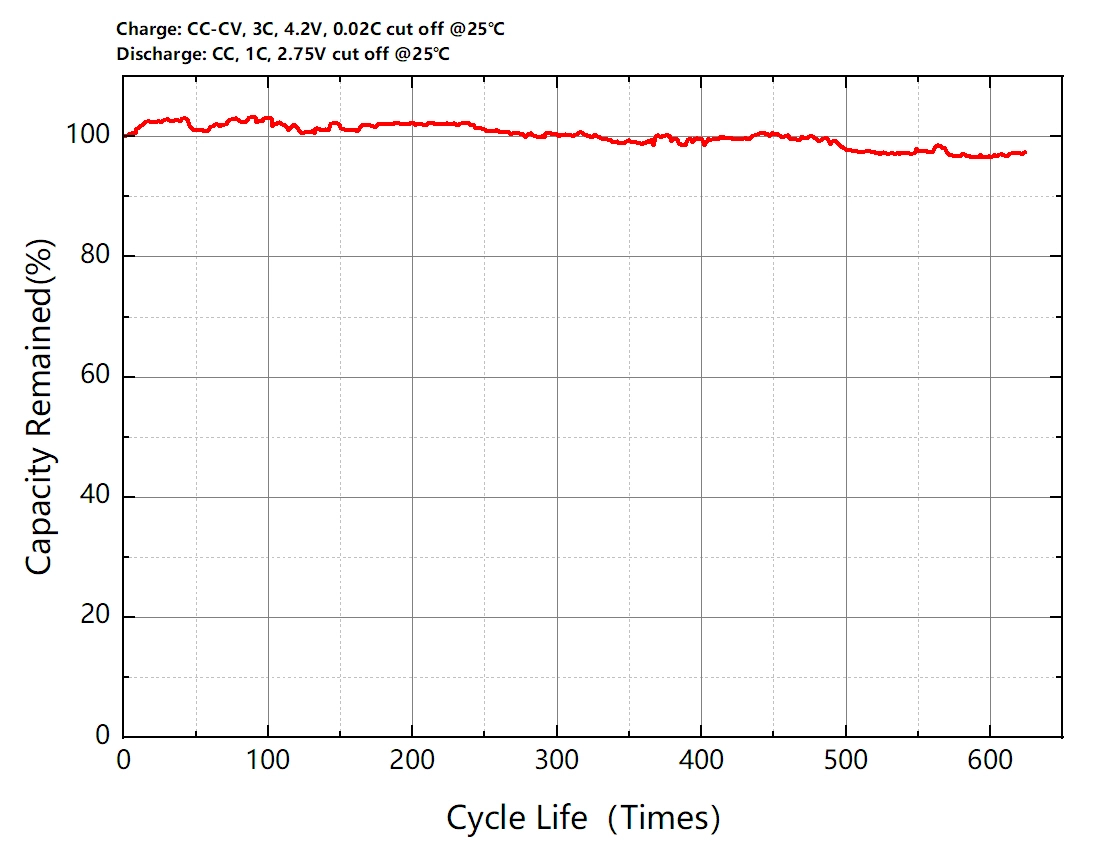
Check Capacity After Repeated Use
The detailed specification lists at least 80% capacity after 500 cycles. Review the matching test report for the conditions behind this rating. Actual battery life depends on heat, load, and charging patterns.
- Check the test charge and discharge rates.
- Confirm the test temperature and voltage limits.
- Compare results under the same conditions.
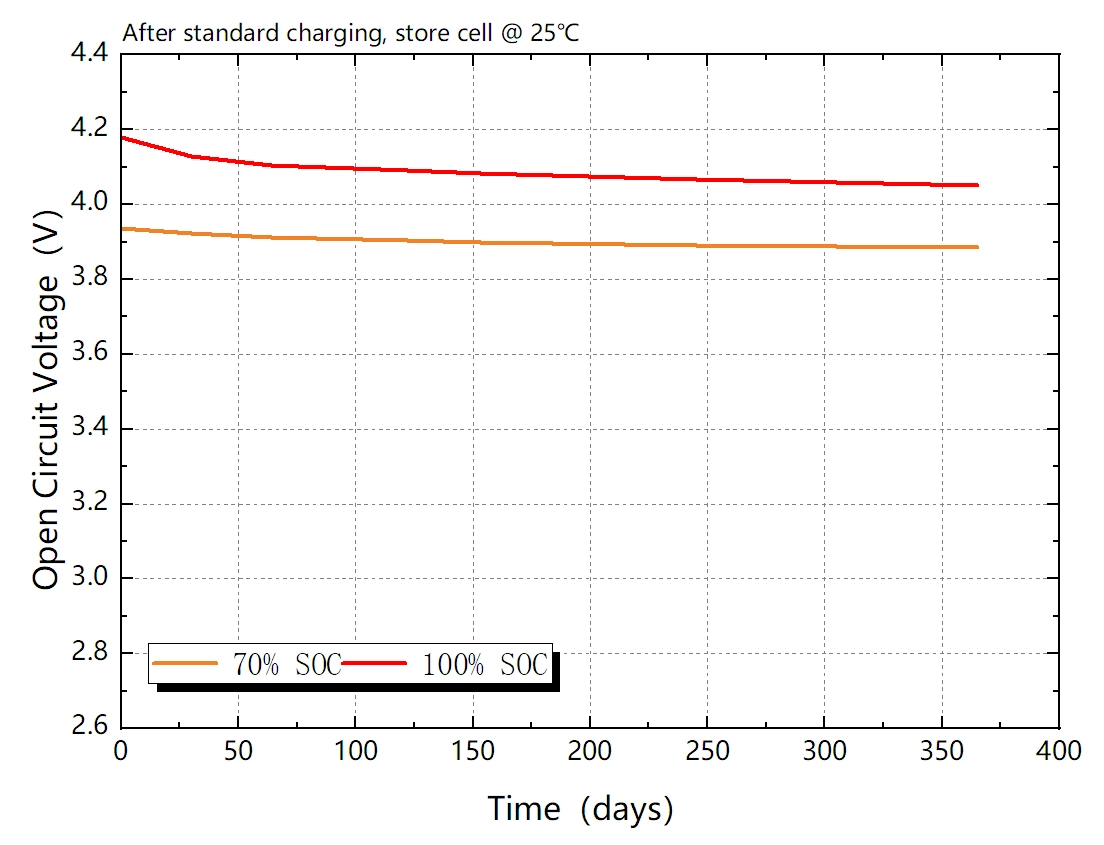
Plan for Time Between Uses
Storage temperature limits depend on storage time. Follow the matching range in Specs. Also account for power drawn by a device that remains connected during storage.
- Store the battery in a cool, dry place.
- Protect the connector from short circuits.
- Check battery voltage after long storage.
Separate Charging and Discharge Limits
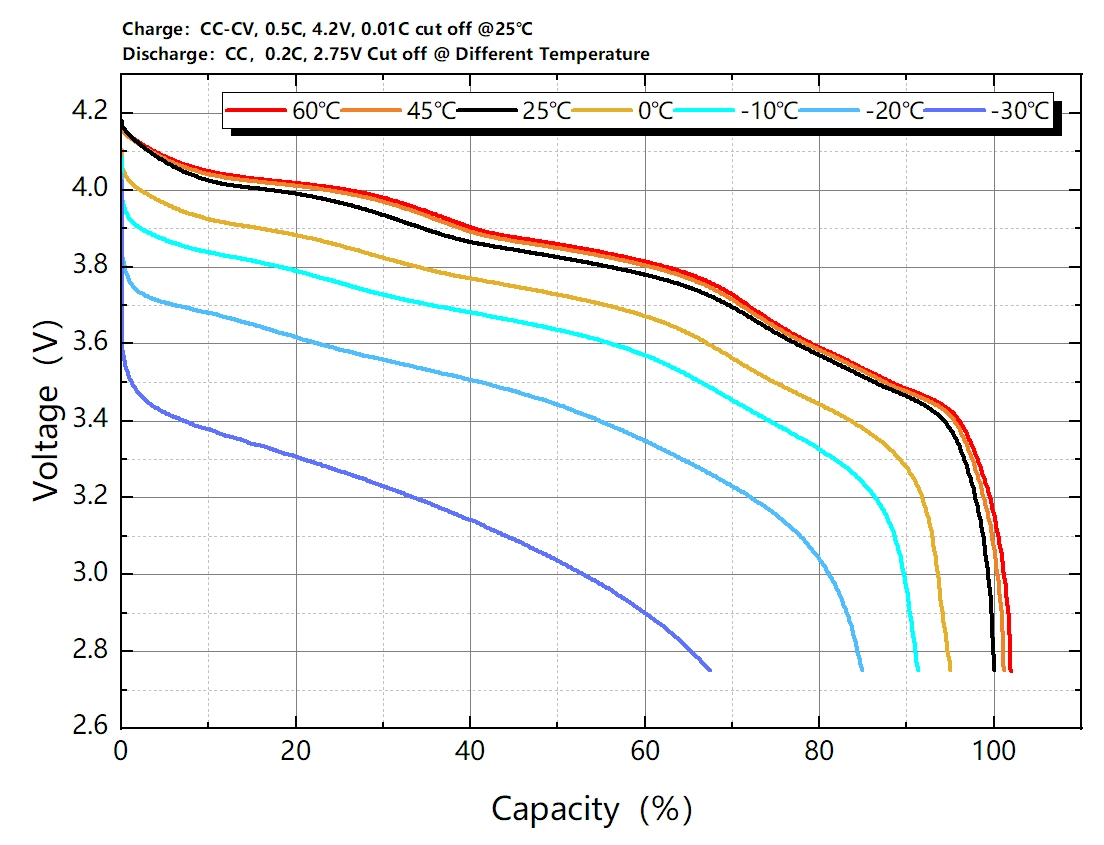
The listed charging range is 0°C to 45°C. The discharge range is −20°C to 60°C. The discharge range does not apply to charging.
- Check battery temperature inside the closed housing.
- Keep the battery away from parts that produce heat.
- Test runtime at the expected use temperature.
Fit the 124065 Into Your Device
Check the full battery assembly before fixing the enclosure design.
Allow Room for the 12mm Battery Thickness
The listed maximum battery size is 12 × 40 × 67mm. Check depth as well as width and length. Allow extra room for the leads and connector. The housing should hold the battery without squeezing the pouch.
- Battery space: Confirm the final drawing and installation clearance.
- Mounting: Keep screws and sharp edges away from the pouch.
- Wire route: Avoid tight bends and pinched leads.
- Connector: Confirm the part number, current rating, and polarity.
- Temperature sensing: The standard version has no NTC. Share your sensor needs for review.
Where the 124065 Can Be Used
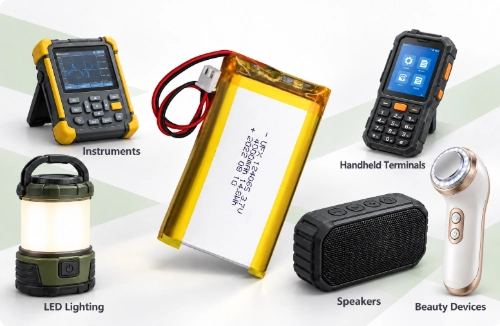
The 124065 is an option for rechargeable products that need a 3.7V battery with 4000mAh capacity. Possible uses include portable instruments, handheld terminals, LED lighting, portable speakers, and beauty devices.
Check the load at full brightness for lighting. Review brief current peaks for speakers and motor-driven devices. Final suitability depends on the available space, current limits, and charging circuit.
How We Check the 124065
Quality checks cover materials, assembly, electrical values, and finished batteries.
View the Production Process 


Adapt the 124065 Assembly to Your Device
Share your device requirements so we can review the wiring, protection, and installation details.
- Connector: part number, current rating, and polarity
- Wire: length, gauge, and exit direction
- Protection: PCM settings for the device load
- Temperature sensing: optional NTC requirements
- Installation: insulation and assembly layout
-
01Available battery space or an enclosure drawing.
-
02Normal current, peak current, and peak duration.
-
03Connector details and charging requirements.
-
04Use temperature and temperature sensing needs.
-
05Sample quantity, target market, and required documents.
Compare 3.7V LiPo Batteries by Size and Capacity
Compare these options if the 124065 does not match your battery space or capacity target. All sizes below are maximum dimensions. Batteries with the same capacity can have different shapes and current limits. Check the finished drawing, connector, and protection before choosing a replacement.
| Recommended Products | Voltage | Model | Capacity | Max. Size (mm) |
|---|---|---|---|---|
| High-Capacity LiPo Battery | 3.7V | 104867 | 4000mAh | 10 × 48 × 69 |
| LiPo Pouch Battery | 3.7V | 104060 | 2800mAh | 10 × 40 × 62 |
| LiPo Pouch Battery | 3.7V | 954058 | 2500mAh | 9.5 × 40 × 60 |
| LiPo Pouch Battery | 3.7V | 903759 | 2500mAh | 9 × 37 × 63 |
| LiPo Pouch Battery | 3.7V | 804258 | 2500mAh | 8 × 42 × 60 |
| High-Capacity LiPo Battery | 3.7V | 105573 | 5000mAh | 10 × 55 × 75 |
Battery Specification
-
1. Mechanical Characteristics
Cell 124065 PCM Yes NTC No Weight appr. 65g Configuration 1S1P -
2. Electrical Specification
Capacity 4000mAh Nominal Voltage 3.7V Energy 14.8Wh Internal Resistance less than 100mΩ Max. Charge Voltage 4.2V Discharge Cut Off 2.75V Max. Charge Current 4000mA Max. Discharge Current 4000mA Standard Charge Current 800mA Standard Discharge Current 800mA Charging Temperature 0℃ to 45℃ Discharging Temperature -20℃ to 60℃ Storage Temp.Range 1 year at -20℃ to +30℃ 3 mos. at -20℃ to +45℃ 1 mo. at -20℃ to +60℃ Cycle life 100 cycles ≥92% 300 cycles ≥88% 500 cycles ≥80% -
3. Cell protection
Overcharge Detection 4.28V ±50mV (80 to 200msec delay, release 4.08V ±50mV) Overdischarge Detection 2.4V ±100mV (40 to 120msec. delay, release 3.0V ±100mV) Overcurrent Detection 2.5A to 4.5A (5 to 10msec. delay) Short protection Yes
The Ufine 124065 is a 3.7V 4000mAh rechargeable LiPo battery with 14.8Wh of nominal energy. It uses a single pouch cell with a protection board.
For a new project, assess the energy needed between charges and the space available inside the device. Then test the complete battery assembly under real use conditions.
Part 1. Turn your runtime target into an energy budget
Start with the power used by the device and the required operating time. Use Wh when comparing loads that run at different voltages.
Required battery energy (Wh) ≈ device power (W) × runtime (hours) ÷ power conversion efficiency
-
Example device load: 2W.
-
Target runtime: five hours.
-
Assumed conversion efficiency: 85%.
-
Estimated battery energy needed: 2 × 5 ÷ 0.85 ≈ 11.8Wh.
The 124065 has 14.8Wh of nominal energy. This provides room in the initial budget, but it does not guarantee five hours of operation. Confirm usable energy, shutdown voltage, temperature, and battery aging in device tests.
Part 2. Compare different 4000mAh battery shapes
The 124065 has a listed maximum size of 12 × 40 × 67mm. A battery with the same capacity may use a different shape.
-
124065: 12 × 40 × 67mm maximum.
-
104867: 10 × 48 × 69mm maximum.
The 104867 is thinner but wider and longer. Choose the format that fits the enclosure with room for wiring and clearance. Also compare current ratings and protection details before treating either model as a replacement.
Part 3. Separate capacity needs from current needs
A 4000mAh rating describes stored charge. It does not, by itself, define the current available to the device.
The detailed specification lists 800mA as the standard discharge current. Higher loads need a review of the finished assembly, including the PCM, wires, and connector.
-
Record normal current in each device mode.
-
Measure short peaks during startup or motor operation.
-
Test functions that can run at the same time.
-
Repeat the highest-load task near the end of a charge.
Share the peak value and its duration. This helps identify whether voltage drop, protection settings, or connection losses could affect operation.
Part 4. Allow enough time and space for charging
Use a single-cell Li-ion CC/CV charging circuit with a 4.2V charge limit. The listed standard charge current is 800mA. Confirm the final charge setting against the approved battery specification.
Dividing 4000mAh by 800mA gives five hours. This is a rough estimate, not the full charging time. Current falls during the final charging stage.
-
Measure charging time from a defined starting charge level.
-
Check battery temperature with the enclosure closed.
-
If the device runs while charging, review how input power is shared.
-
Confirm temperature sensing needs. The standard version has no NTC sensor.
A higher charger setting needs a separate review. Check the battery rating, input supply, wiring, and heat inside the device together.
Part 5. Set clear pass targets for 124065 samples
Define what a successful sample must achieve before testing starts. Use the final enclosure and the device settings planned for production.
-
Runtime: reach the target under a defined use pattern.
-
Peak load: complete demanding tasks without resets or unexpected shutdowns.
-
Charging: stay within the approved voltage, current, and temperature limits.
-
Assembly: fit without pressure on the pouch or pinched wires.
-
Standby: retain enough charge for the planned time between uses.
Keep the battery version, test temperature, starting charge level, and shutdown point with each result. This makes sample comparisons easier to repeat.
Part 6. Prepare the 124065 specification for ordering
Use one approved specification and drawing for the sample and production order. Record any changes to the connector, wires, protection board, or insulation.
-
Battery model, capacity, and drawing revision.
-
Connector part number, mating socket, and polarity.
-
Wire length, gauge, and exit direction.
-
Approved current limits, PCM settings, and any NTC requirement.
-
Sample quantity, order quantity, and required project documents.
The supplied product information lists an MSDS. This provides safety information and is not a product certification. Tell us which additional model-specific reports your project needs so availability and scope can be reviewed.
FAQs
-
What space does the 124065 battery need?
The listed maximum body size is 12 × 40 × 67mm. Allow extra room for the wires, connector, and installation clearance. Confirm the final drawing before fixing the housing. -
Does 4000mAh mean the 124065 can supply 4A?
Capacity alone does not define output current. The specification lists a 4000mA maximum discharge current, but the actual PCM, wires, and connector must also support the load. Confirm the finished assembly rating before use. -
How long can the 124065 run an 800mA load?
About five hours in theory, based on 4000mAh ÷ 800mA measured at the battery. Actual runtime depends on usable capacity, temperature, battery age, and the device's shutdown voltage. -
Can the 124065 connect directly to a fixed 5V device?
No. Its 3.7V rating is nominal, and voltage changes during use. A device that requires a fixed 5V supply needs a suitable boost circuit rated for its normal and peak loads. -
Will an 800mA charger fully charge the 124065 in five hours?
Not necessarily. Five hours is a simple capacity-to-current estimate. Current falls during the final charging stage. Use a compatible single-cell Li-ion CC/CV charger with a 4.2V charge limit. -
Does the 124065 include a temperature sensor?
The standard version includes PCM protection but no NTC temperature sensor. If your charger needs one, share the sensor value and wiring requirements for review. -
Can the 124065 be charged below 0°C?
Charging below 0°C is outside its listed charging range of 0°C to 45°C. The −20°C to 60°C range applies to discharge only. -
Are the 124065 and 104867 4000mAh batteries interchangeable?
Not automatically. The 124065 measures up to 12 × 40 × 67mm, while the 104867 measures up to 10 × 48 × 69mm. Also compare current limits, connector polarity, charging requirements, and protection. -
Which document is listed for the 124065 battery?
The supplied product information lists an MSDS. It provides safety information and is not a product certification. Request confirmation of any additional model-specific reports or approvals your project needs.
Ready to Power Your Project?
We’ll help you design the perfect power source — tailored to your voltage, capacity, size, C-rate, and performance needs.
Contact Us NowWhat Our Customers Are Saying
We love hearing from you! Your experiences help us improve and inspire others. Check out what our happy customers have to say about our lithium batteries—share your thoughts with us too!









Latest Articles
About Lithium Battery Industry News
Buck vs. Boost vs. Buck-Boost Converter: Which Is Best for Battery?
Not sure which converter your battery-powered device needs? Compare Buck, Boost, and Buck-Boost designs and discover what affects voltage stability and runtime.
2026-10-20 Ufine

How to Match 18650 Cells for a Reliable Battery Pack?
Building an 18650 battery pack? Learn how to compare cell capacity, voltage, and internal resistance to avoid mismatches and improve reliability.
2026-10-19 Ufine

Why Do 18650 Battery Packs Get Hot During Discharge?
Is your 18650 battery pack overheating under load? Learn what causes excess heat, how to spot dangerous symptoms, and what to do next.
2026-10-19 Ufine