Popular Choice
3.7 V 3600mAh Lithium Ion Battery 124060


- 16 Years Experience
- 200+ Certifications
- 1000+ Customers
- 7X24 Customer Support
-
Product Details
-
Specs
-
Content
-
FAQs

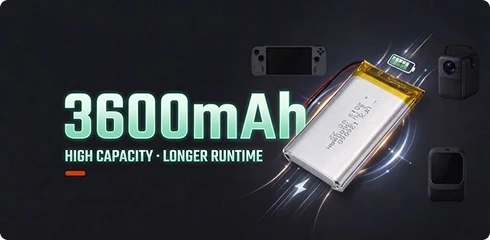
High-Capacity 3600mAh for Longer Device Runtime
With 3600mAh capacity, the UFX124060 provides reliable power for portable electronics, helping reduce frequent recharging and support longer device operation.
Test Curves of Ufine LiPo Battery
Take a closer look at the Lithium polymer battery test curves—see the stability and performance you can trust for all your power needs!
- Cycle Life
- Self-Discharge
- Discharge Rate
- Temp Performance
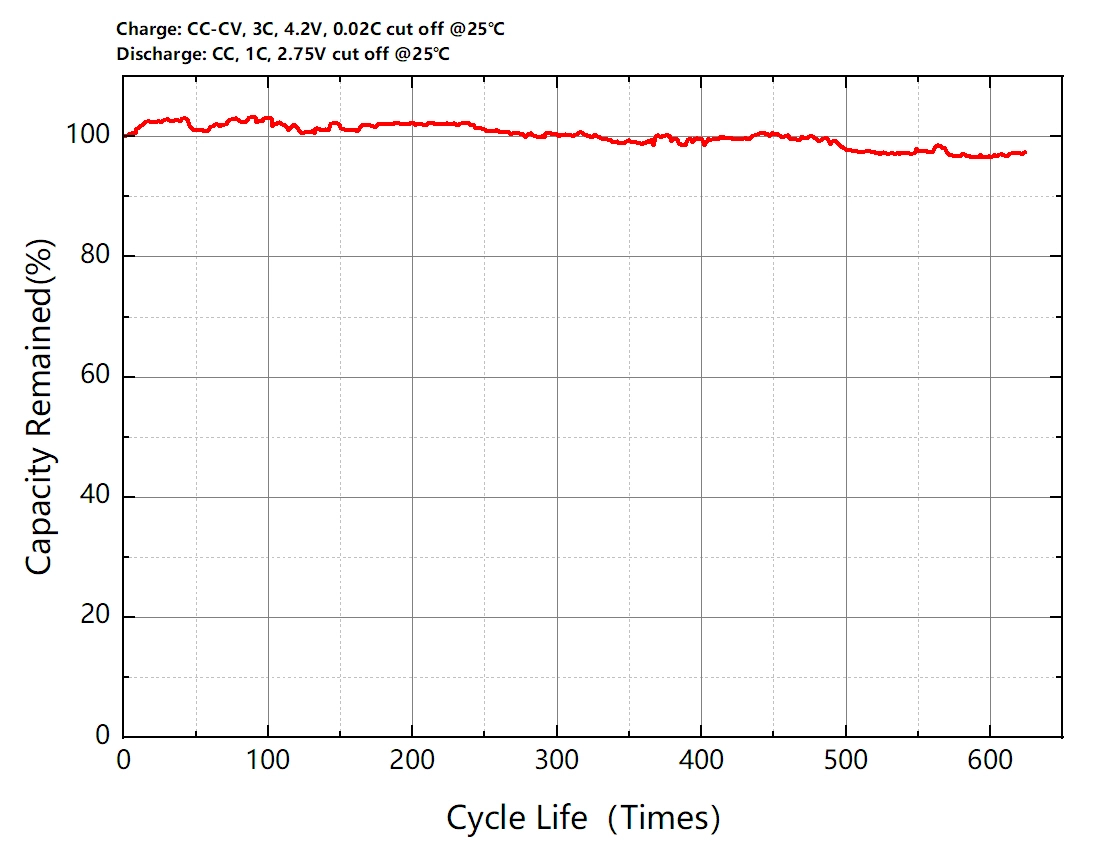
Cycle Life at 25°C
Even after 600 full charge and discharge cycles, this battery retains over 95% of its original capacity, ensuring a long and dependable service life.
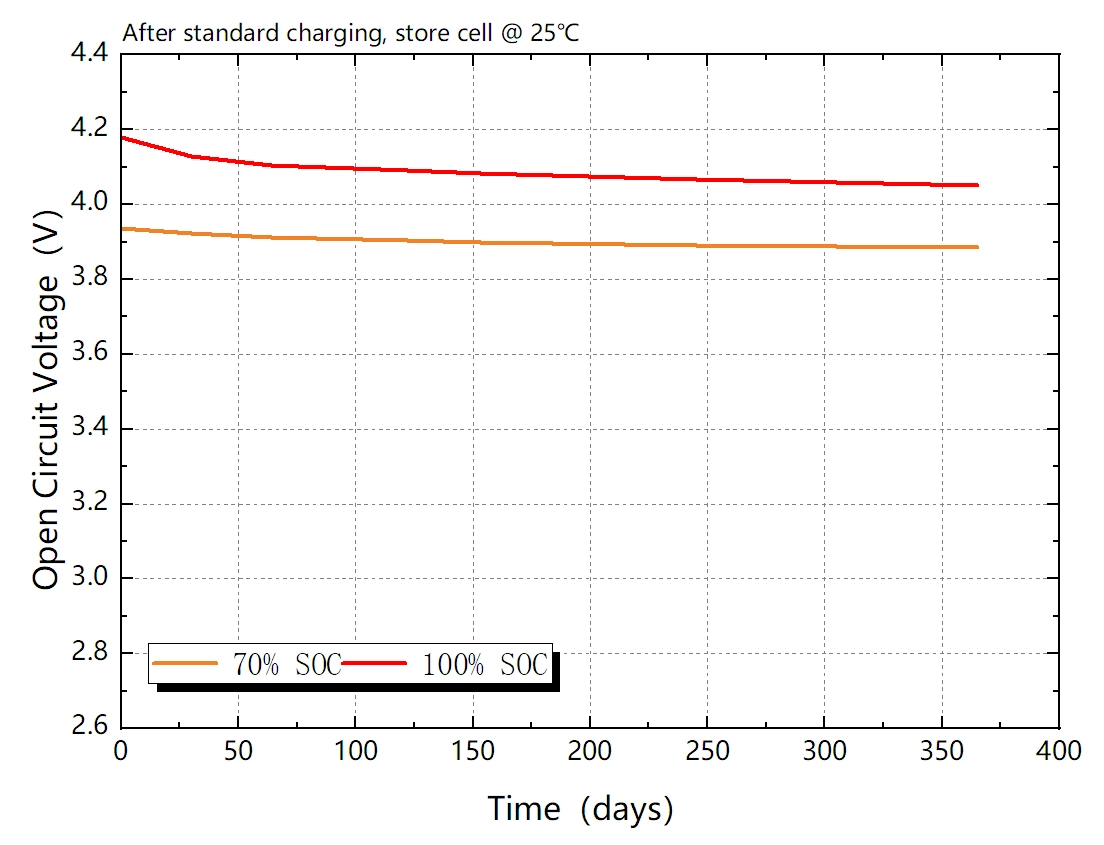
Self-discharge at 25°C
This battery has a very low self-discharge rate, holding its charge for up to a year when stored at room temperature. It's ready to go when you need it, even after long periods of inactivity.
Learn More About Self-Discharge Rate 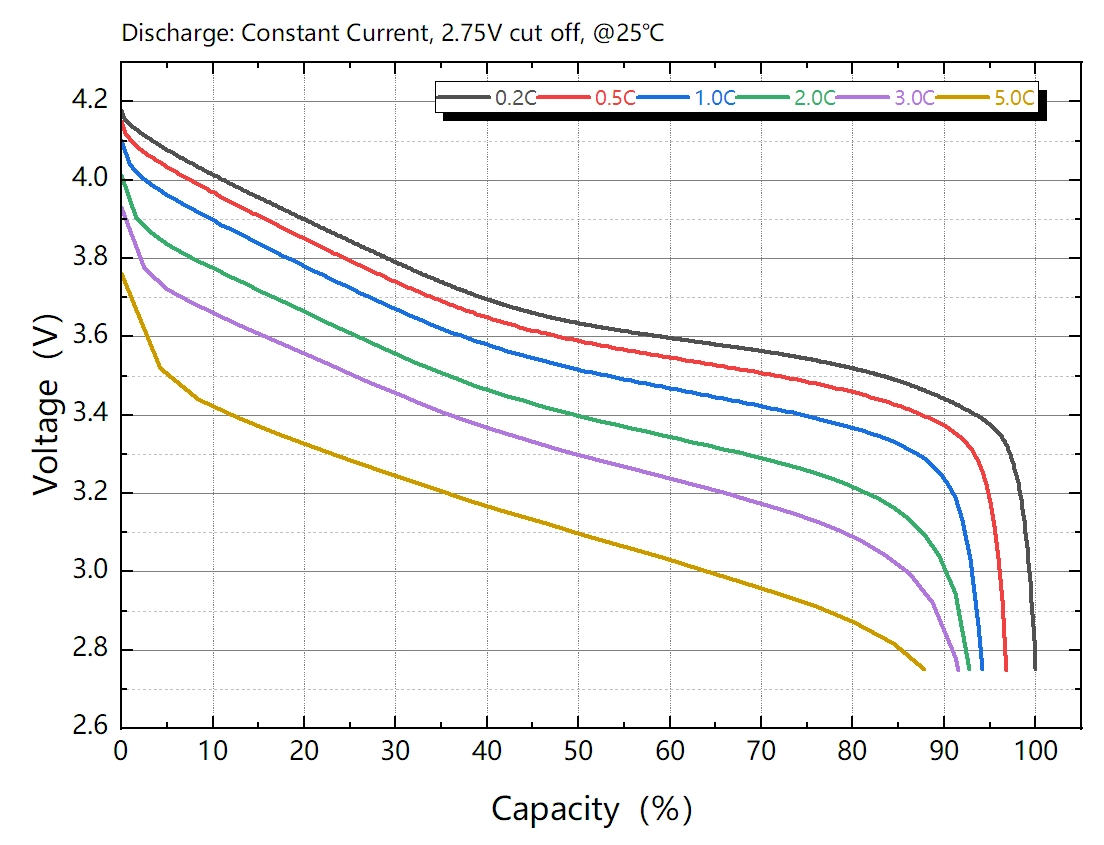
Discharge at Different C Rate
Whether you need a slow, steady power source or a quick burst of energy, this battery is designed to handle various discharge rates without significant loss in performance.
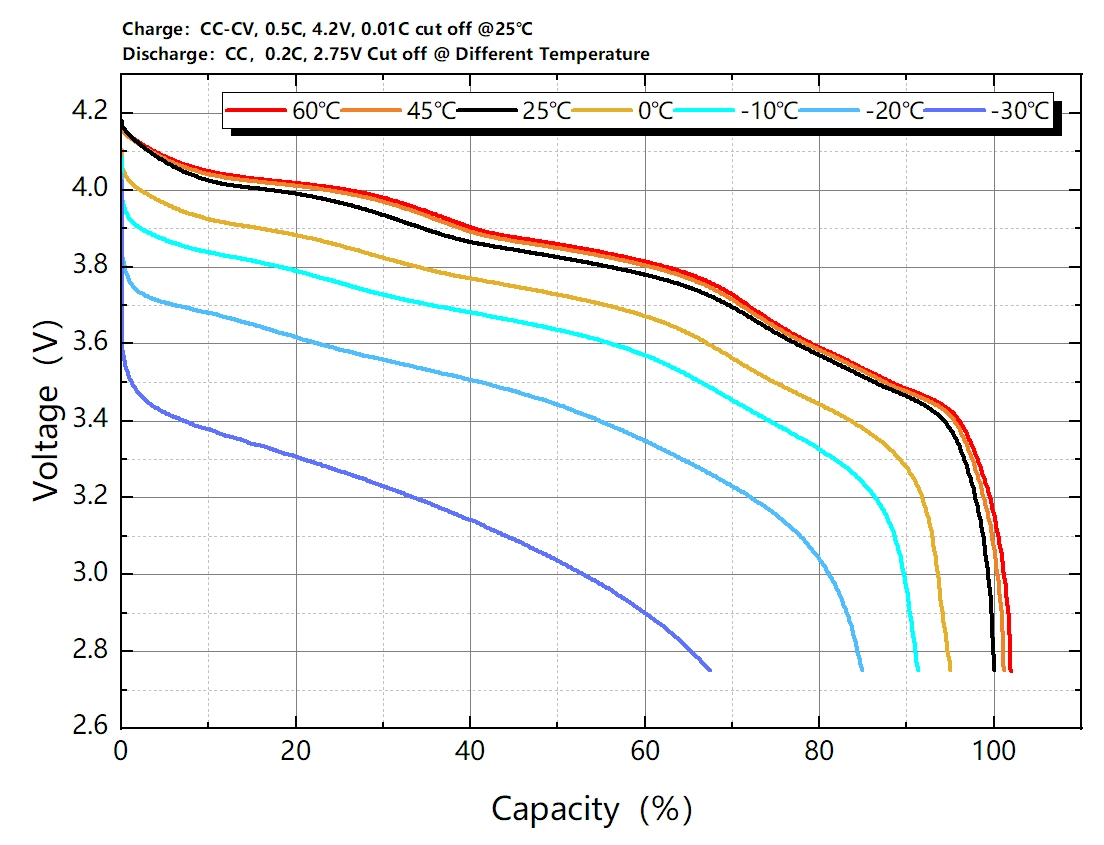
Discharge at Different Temperature
Engineered to perform in a wide range of conditions, this battery delivers consistent power from a scorching 60°C down to a frigid -20°C. Note that performance will be reduced in extreme cold.
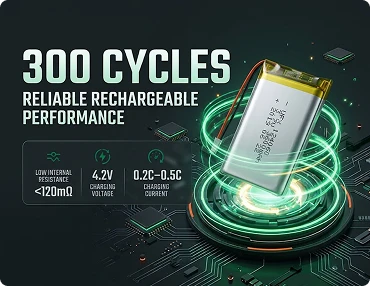
300-Cycle Life for Rechargeable Device Applications
With a typical cycle life of 300 cycles, this helps manufacturers plan battery replacement and product maintenance.
- 300 Charge Cycles: Supports repeated charging and discharging.
- Low Internal Resistance: Less than 120mΩ.
- Controlled Charging: 4.2V charging voltage, 0.2C–0.5C typical current.
- Rechargeable Design: Suitable for portable consumer electronics.
Applications
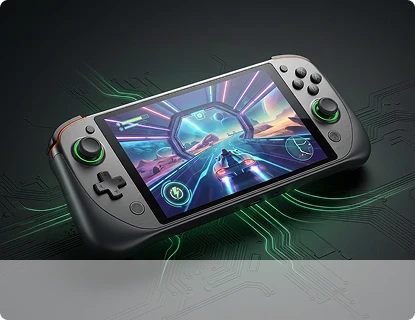
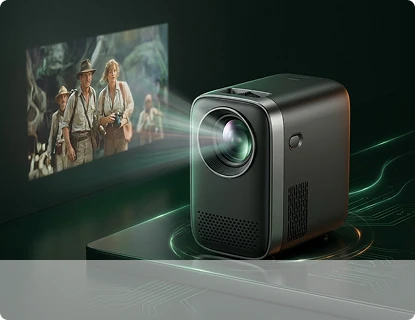
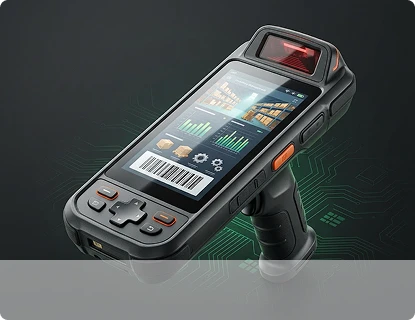
Designed for compact portable electronics, smart devices, and personal care products requiring lightweight rechargeable power.
View more production details 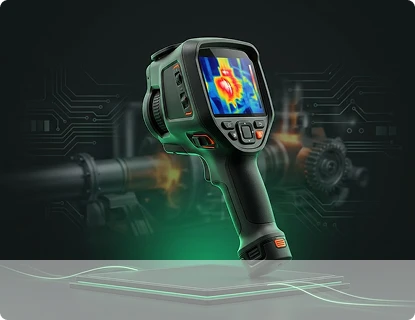
What We Custom and How
At Ufine, we know that one size doesn't fit all, especially when it comes to battery needs. That's why we specialize in custom battery solutions.
- Battery Chemistries: We build with Lithium, Polymer, LiFePO4, and 18650 cells.
- Custom Specs: We customize size, voltage, capacity, and shape to fit your needs.
- Connectors: Get the perfect fit with JST, Molex, XT series, and more.
- Performance: Our batteries handle discharge rates from 0.2C to 25C.
- Temperature: They're designed to operate from -40°C to 80°C.
-
01Enquiry and Design: Contact us with requirements. The technical team creates tailored designs.
-
02Sampling and Sample Testing: Receive customized battery samples for evaluation within two days.
-
03Confirmation and Production: Finalize specifications, sign the production contract, and pay a deposit.
-
04Delivery and Shipping: Make final payment, and arrange safe and efficient delivery.
Recommended Products
Explore similar 3.7V lithium polymer batteries with different capacities and dimensions to find a suitable power solution for your application.
| Voltage | Model | Capacity | Size (mm) | Product Highlights |
|---|---|---|---|---|
| 3.7V | 903759 | 2500mAh | 9 × 37 × 63 | Compact Design, High Capacity |
| 3.7V | 954058 | 2500mAh | 9.5 × 40 × 60 | Space-Efficient Design, 2500mAh Capacity |
| 3.7V | 104060 | 2800mAh | 10 × 40 × 62 | Higher Capacity, Compact Dimensions |
| 3.7V | 123252 | 2500mAh | 12 × 32 × 54 | Wider Form Factor, Compact Length |
| 3.7V | 804258 | 2500mAh | 8 × 42 × 60 | Thin Profile, Space-Saving Design |
| 3.7V | 104867 | 4000mAh | 10 × 48 × 69 | High Capacity, Extended Runtime |
Battery Specification
-
1. Mechanical Characteristics
Cell 124060 PCM Yes NTC No Weight appr. 65.8g Configuration 1S1P -
2. Electrical Specification
Capacity 3600mAh Nominal Voltage 3.7V Energy 13.32Wh Internal Resistance less than 120mΩ Max. Charge Voltage 4.2V Discharge Cut Off 2.75V Max. Charge Current 3600mA Max. Discharge Current 3600mA Standard Charge Current 720mA Standard Discharge Current 720mA Charging Temperature 0℃ to 45℃ Discharging Temperature -20℃ to 60℃ Storage Temp.Range 1 year at -20℃ to +30℃ 3 mos. at -20℃ to +45℃ 1 mo. at -20℃ to +60℃ Cycle life 100 cycles ≥92% 300 cycles ≥88% 500 cycles ≥80% -
3. Cell protection
Overcharge Detection 4.28V ±50mV (80 to 200msec delay, release 4.08V ±50mV) Overdischarge Detection 2.4V ±100mV (40 to 120msec. delay, release 3.0V ±100mV) Overcurrent Detection 2.5A to 4.5A (5 to 10msec. delay) Short protection Yes
Part 1. How Long Does a 3600mAh Battery Last?
The runtime of a 3600mAh battery depends on the power consumption of the connected device. A device with lower current consumption generally operates longer, while equipment requiring higher current drains the battery more quickly.
For a basic estimate, battery runtime can be calculated using the following formula:
Battery Runtime (Hours) = Battery Capacity (mAh) ÷ Device Current (mA)
For example, a 3600mAh battery powering a device that consumes 600mA would theoretically provide:
3600 ÷ 600 = 6 Hours
However, actual runtime may be shorter because of conversion losses, operating temperature, discharge efficiency, battery aging, and voltage cutoff settings.
Estimated Runtime of a 3600mAh Battery
The following table shows theoretical runtime estimates at different current consumption levels.
| Device Current | Theoretical Runtime |
|---|---|
| 200mA | 18 Hours |
| 300mA | 12 Hours |
| 500mA | 7.2 Hours |
| 600mA | 6 Hours |
| 1000mA | 3.6 Hours |
| 1500mA | 2.4 Hours |
| 2000mA | 1.8 Hours |
These values assume the full rated capacity is available and the current consumption remains constant.
What Factors Affect 3600mAh Battery Runtime?
Several factors determine how long a 3600mAh battery can power an electronic device.
-
Device Power Consumption: Processors, displays, motors, wireless communication modules, and other components affect overall energy consumption.
-
Discharge Rate: Higher discharge currents can reduce the usable capacity of some battery cells.
-
Operating Temperature: Very high or low temperatures can affect battery efficiency and available capacity.
-
Battery Aging: Repeated charge and discharge cycles gradually reduce the battery's available capacity.
-
Power Conversion Efficiency: Voltage regulators and other electronic components consume some of the stored energy during operation.
For product developers, selecting a battery based only on its mAh rating is not sufficient. Voltage compatibility, discharge requirements, and actual operating conditions should also be evaluated.
Part 2. 3600mAh Battery: Series vs. Parallel Connection
When designing a rechargeable battery pack, batteries can be connected in series or parallel to achieve different voltage and capacity configurations.
The main difference is that a series connection increases the total voltage, while a parallel connection increases the total capacity. Understanding this distinction is important when designing battery packs for portable electronics and industrial equipment.
What Happens When 3600mAh Batteries Are Connected in Series?
In a series configuration, the positive terminal of one battery connects to the negative terminal of the next battery.
The total voltage increases, while the capacity in Ah or mAh remains the same, assuming identical cells.
For example, connecting two identical 3.7V 3600mAh batteries in series produces:
| Specification | Single Battery | 2 Batteries in Series |
|---|---|---|
| Nominal Voltage | 3.7V | 7.4V |
| Capacity | 3600mAh | 3600mAh |
| Energy | 13.32Wh | 26.64Wh |
A 2S battery pack is commonly used in equipment that requires a higher operating voltage than a single lithium polymer cell can provide.
However, series-connected cells require appropriate voltage monitoring and balancing to help prevent individual cells from becoming overcharged or over-discharged.
What Happens When 3600mAh Batteries Are Connected in Parallel?
In a parallel configuration, all positive terminals are connected together, and all negative terminals are connected together.
The voltage remains the same, while the total capacity increases.
For example, connecting two identical 3.7V 3600mAh batteries in parallel produces:
| Specification | Single Battery | 2 Batteries in Parallel |
|---|---|---|
| Nominal Voltage | 3.7V | 3.7V |
| Capacity | 3600mAh | 7200mAh |
| Energy | 13.32Wh | 26.64Wh |
Parallel battery configurations are useful for applications requiring longer operating time without increasing the nominal voltage.
For example, portable medical equipment, handheld inspection devices, and other battery-powered electronics may use parallel battery configurations when additional capacity is needed.
Series vs. Parallel: Key Differences
| Comparison | Series Connection | Parallel Connection |
|---|---|---|
| Voltage | Increases | Remains the Same |
| Capacity | Remains the Same | Increases |
| Two 3.7V 3600mAh Cells | 7.4V 3600mAh | 3.7V 7200mAh |
| Main Purpose | Higher Voltage | Higher Capacity |
| Typical Configuration | 2S, 3S, 4S | 1P, 2P, 3P |
Important: Battery cells connected in series or parallel should be compatible in chemistry, voltage, capacity, and electrical characteristics. Use an appropriately designed battery management and protection system. Never connect cells with significantly different states of charge directly without a controlled design and equalization procedure.
Part 3. 3600mAh LiPo Battery vs. 3600mAh 18650 Battery
LiPo and lithium-ion batteries are both rechargeable lithium-based battery technologies. However, they differ in cell construction, packaging, and design flexibility.
The term lithium-ion describes a broad family of rechargeable battery chemistries, while lithium polymer (LiPo) commonly refers to lithium-ion cells using polymer-based electrolyte systems or gel-polymer formulations and pouch-style packaging.
LiPo vs. Lithium-Ion Battery: Key Differences
| Comparison | LiPo Battery | Conventional Lithium-Ion Battery |
|---|---|---|
| Common Packaging | Flexible Pouch | Cylindrical or Prismatic |
| Shape | Flexible and Customizable | Generally Standardized |
| Weight and Structure | Slim, Lightweight Design Options | Rigid Casing |
| Installation | Suitable for Irregular Spaces | Requires Compatible Cell Space |
| Common Applications | Wearables, Portable Electronics | Power Tools, Battery Packs, Energy Storage |
A 3600mAh LiPo battery and a 3600mAh 18650 battery may have the same rated capacity, but their physical structures and integration requirements are different.
The most important distinction is their packaging format. A LiPo battery typically uses a flat pouch structure, while an 18650 battery uses a cylindrical metal casing.
Physical Dimensions and Design
A 3600mAh LiPo battery can be manufactured in different dimensions according to the available installation space.
For example, the UFX124060 LiPo battery measures 12 × 40 × 62mm, making it suitable for devices designed around a flat pouch battery structure.
An 18650 battery has a standardized cylindrical format, approximately 18mm in diameter and 65mm in length.
LiPo vs. 18650: Comparison Table
| Comparison | 3600mAh LiPo | 3600mAh 18650 |
|---|---|---|
| Construction | Pouch Cell | Cylindrical Cell |
| Nominal Voltage | Typically 3.7V | Typically 3.6V or 3.7V |
| Capacity | 3600mAh | 3600mAh |
| Shape | Flat and Customizable | Cylindrical |
| Installation | Flexible Space Requirements | Requires Cylindrical Mounting Space |
| Common Applications | Compact Electronics | Power Tools and Battery Packs |
Which Battery Should You Choose?
A 3600mAh LiPo battery may be suitable when a product requires a slim profile, customized dimensions, or a battery that fits into an irregular internal space.
An 18650 battery may be more appropriate when the device is designed around standardized cylindrical cells or modular battery pack structures.
When comparing these two battery types, do not focus only on capacity. Discharge rate, internal resistance, operating temperature, cycle life, protection requirements, and actual cell dimensions should also be considered.
Also, verify the exact specifications of the selected cells rather than assuming that all 18650 or LiPo batteries have identical performance.
Part 4. 3600mAh Battery Charger: How to Choose the Right Charger?
Choosing a suitable charger is essential for maintaining the performance and safety of a rechargeable 3600mAh lithium battery.
A charger must match the battery's chemistry, nominal voltage, charging voltage, and charging current requirements.
For a typical single-cell 3.7V lithium polymer battery, the full-charge voltage is 4.2V.
What Charger Does a 3.7V 3600mAh Battery Need?
A single-cell 3.7V LiPo battery generally requires a dedicated lithium-ion/LiPo charging circuit using a CC/CV (Constant Current/Constant Voltage) charging profile.
The charging process typically includes two stages:
-
Constant Current (CC): The charger supplies a controlled current while the battery voltage gradually increases.
-
Constant Voltage (CV): Once the battery reaches 4.2V, the charger maintains this voltage while the charging current gradually decreases.
Using a charger designed for the correct battery chemistry and voltage helps ensure that the battery is charged within its specified limits.
How Long Does It Take to Charge a 3600mAh Battery?
Charging time depends on the charging current, charging efficiency, battery condition, and the CC/CV charging process.
A basic theoretical estimate can be calculated using:
Charging Time (Hours) = Battery Capacity (mAh) ÷ Charging Current (mA)
For a 3600mAh battery, the estimated charging times at different current levels are:
| Charging Current | Approximate Theoretical Time |
|---|---|
| 360mA (0.1C) | 10 Hours |
| 720mA (0.2C) | 5 Hours |
| 1080mA (0.3C) | 3.33 Hours |
| 1440mA (0.4C) | 2.5 Hours |
| 1800mA (0.5C) | 2 Hours |
These are simplified estimates based on constant-current charging. Actual charging generally takes longer because the current decreases during the constant-voltage stage.
For the UFX124060 battery, the typical charging current is 0.2C–0.5C, equivalent to approximately 720mA–1800mA for its 3600mAh capacity, subject to the battery's approved charging specifications.
What Should You Consider When Buying a 3600mAh Battery Charger?
Before selecting a charger, consider the following factors:
-
Voltage Compatibility: The charger must support the battery's specified full-charge voltage of 4.2V.
-
Battery Chemistry: Choose a charger specifically designed for single-cell rechargeable lithium batteries.
-
Charging Current: Ensure the charging current stays within the battery manufacturer's recommended range.
-
Charging Protection: Use a properly designed charging circuit with appropriate overvoltage, overcurrent, and thermal protections.
-
Connector Compatibility: Confirm that the charging interface matches the battery and device design.
A charger with the wrong voltage or charging profile can damage the battery and create safety risks. Always follow the battery manufacturer's charging specifications.
Part 5. Custom 3600mAh LiPo Battery Solutions
Different electronic products have different battery requirements. In addition to capacity and voltage, manufacturers may need customized dimensions, connector types, wire lengths, and terminal configurations.
Ufine provides lithium polymer battery customization services to support different device designs and installation requirements.
If your project requires a 3.7V 3600mAh battery or a customized LiPo battery solution, contact Ufine to discuss your specifications.
FAQs
-
What Is the Difference Between a 3600mAh LiPo Battery and a 3600mAh Lithium-Ion Battery?
LiPo batteries typically use pouch-style construction, offering flexible shapes, slim profiles, and compact designs. Conventional cylindrical lithium-ion batteries use rigid metal casings. Both are rechargeable lithium-based batteries, but their packaging structures and design flexibility differ. -
Does a 3600mAh Battery Provide the Same Runtime in Every Device?
No. Actual battery runtime depends on the device's power consumption, operating conditions, energy efficiency, and discharge characteristics. Devices with higher power requirements generally consume battery capacity more quickly. -
Does the UFX124060 3600mAh Battery Require a Protection Circuit?
A suitable battery protection circuit is recommended to help prevent overcharging, over-discharging, and overcurrent. The specific protection requirements should be confirmed according to the device's electrical design and operating conditions. -
Can the UFX124060 Battery Be Customized with Different Connectors?
Yes. Ufine can discuss customized connector types, wire lengths, and terminal configurations based on your device's electrical specifications and installation requirements. Contact our team to discuss your battery customization needs.
Ready to Power Your Project?
We’ll help you design the perfect power source — tailored to your voltage, capacity, size, C-rate, and performance needs.
Contact Us NowWhat Our Customers Are Saying
We love hearing from you! Your experiences help us improve and inspire others. Check out what our happy customers have to say about our lithium batteries—share your thoughts with us too!











Latest Articles
About Lithium Battery Industry News

Can Power Bank Charge an Action Camera Battery?
Find out which power banks work with action cameras, whether you can record while charging, and what to use when your camera runs out of power.
2026-10-28 Ufine

Compare DJI Osmo batteries by model, capacity, runtime, and compatibility. Find the right battery before you buy and avoid costly mistakes.
2026-10-28 Ufine

Are GoPro Batteries Interchangeable? A Model-by-Model Guide
Compare GoPro batteries by model, price, capacity, and runtime. Find compatible options, avoid costly mistakes, and choose the best battery for you.
2026-10-28 Ufine