
- Key Takeaways
- Part 1. What is a battery warranty?
- Part 2. Why battery warranties matter
- Part 3. Types of battery warranties
- Part 4. What does a battery warranty cover?
- Part 5. What is NOT covered under a battery warranty?
- Part 6. How long is a battery warranty?
- Part 7. Battery warranty comparison by application
- Part 8. How to claim a battery warranty
- Part 9. Tips to keep your battery warranty valid
- Part 10. Battery warranty vs battery life
- Part 11. How manufacturers evaluate battery warranty claims?
- Part 12. Battery warranty FAQs
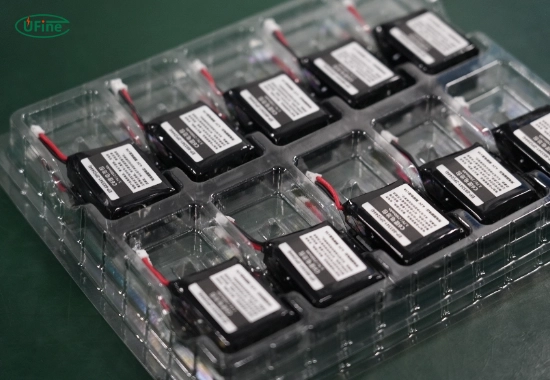
A battery warranty explains what the manufacturer will repair, replace, or cover if a battery fails during normal use. Most battery warranties cover manufacturing defects and abnormal performance failure, but exclude misuse, overcharging, and normal battery aging.
Understanding battery warranty terms helps buyers compare lithium, EV, inverter, and industrial batteries more confidently while reducing long-term replacement costs.
Key Takeaways
- A battery warranty covers manufacturing defects and abnormal performance failures within a defined period.
- Most battery warranties do not cover normal capacity degradation, misuse, water damage, or improper charging.
- Lithium battery warranties usually range from 1 to 10 years depending on chemistry, cycle life, and application.
- Always check whether the warranty is full replacement, prorated, or performance-based.
- Industrial buyers should review warranty conditions related to temperature, charging systems, BMS usage, and cycle count.
- Understanding warranty terms helps answer common questions such as “Are batteries covered under warranty?” and “How long is a battery warranty?”
Part 1. What is a battery warranty?
A battery warranty is a formal agreement between the battery manufacturer and the customer. It explains what support, repair, replacement, or compensation the manufacturer will provide if the battery fails under normal operating conditions during the warranty period.
In most cases, a warranty battery policy covers:
- Manufacturing defects
- Material defects
- Abnormal voltage failure
- Premature capacity loss
- Charging or discharge failures caused by product defects
For example, if a lithium-ion battery cannot maintain the advertised capacity under proper usage conditions, the manufacturer may repair or replace it.
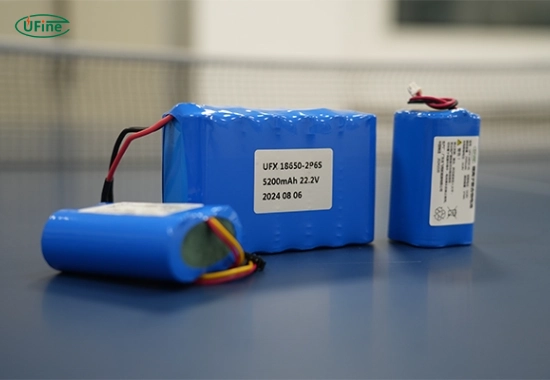
A strong warranty often reflects the manufacturer’s confidence in battery quality, BMS protection design, cell consistency, and production standards.
You can learn more about lithium battery reliability in our guide to lithium battery lifespan.
Part 2. Why battery warranties matter
Financial Protection
Battery replacement can be expensive, especially for:
- Electric vehicles
- Solar energy storage systems
- Medical devices
- Telecom backup systems
- AGV and robotics equipment
A warranty reduces unexpected replacement costs and protects your investment.
Product Quality Assurance
Manufacturers offering longer warranties often use:
- Higher-grade cells
- Better thermal management
- Advanced battery management systems (BMS)
- More stable production processes
For example, premium lithium iron phosphate (LiFePO4) batteries often include longer warranties because of their higher cycle life and thermal stability.
Better Purchasing Decisions
Battery warranties help buyers compare products beyond price alone. A cheaper battery with weak warranty support may cost more over time.
This is especially important in B2B procurement where system reliability matters more than initial purchase cost.
Part 3. Types of battery warranties
Different battery manufacturers use different warranty structures. Understanding these models helps buyers compare products accurately.
| Warranty Type | How It Works | Common Applications |
|---|---|---|
| Standard Warranty | Covers defects for a fixed period | Consumer electronics |
| Extended Warranty | Adds additional years of protection | EVs, solar storage |
| Prorated Warranty | Compensation decreases over time | Automotive batteries |
| Performance Warranty | Guarantees minimum capacity retention | Lithium energy storage |
| Lifetime Warranty | Limited long-term coverage with conditions | Specialty battery brands |
Standard Battery Warranty
This is the most common warranty type. It usually lasts 12–36 months and covers manufacturing defects.
Prorated Battery Warranty
Under a prorated warranty, replacement value decreases as the battery ages.
For example:
- Year 1: 100% replacement
- Year 3: 50% replacement credit
- Year 5: 20% replacement credit
This structure is common in automotive lead-acid batteries.
Performance-Based Warranty
Many lithium battery manufacturers now use performance warranties instead of simple replacement warranties.
These warranties guarantee:
- Minimum retained capacity
- Specific cycle life
- Stable voltage performance
For example, a battery may guarantee 80% remaining capacity after 3000 cycles.
Part 4. What does a battery warranty cover?
Battery warranty coverage varies by manufacturer, chemistry, and application.
Most warranties cover the following conditions.
Manufacturing Defects
This includes failures caused by:
- Poor welding
- Internal short circuits
- Defective cells
- Faulty battery management systems
- Connector or terminal defects
Abnormal Capacity Loss
Some lithium battery warranties cover excessive capacity loss before the expected cycle life.
For example, if a battery drops below 70% capacity much earlier than specified, it may qualify for replacement.
Charging or Performance Failure
If the battery:
- Cannot hold a charge
- Stops charging normally
- Shows unstable voltage output
- Experiences premature shutdown
the manufacturer may approve warranty service after testing.
BMS-Related Failures
For lithium batteries, integrated BMS failures are often covered if caused by manufacturing issues.
Part 5. What is NOT covered under a battery warranty?
One of the most searched questions is: “Is battery covered under warranty?” The answer depends heavily on how the battery was used.
Most manufacturers exclude the following situations.
Normal Wear and Capacity Degradation
All batteries naturally lose capacity over time. This is normal electrochemical aging and is usually not considered a defect unless degradation exceeds warranty limits.
Improper Charging
Warranty claims may be rejected if users:
- Use incorrect chargers
- Overcharge the battery
- Bypass the BMS
- Use incompatible charging voltage
You can read our lithium battery charger guide to avoid charging-related damage.
Water or Physical Damage
Most battery warranties do not cover:
- Water immersion
- Fire damage
- Accidental drops
- Crush damage
- Puncture damage
Unauthorized Modification
Opening or modifying the battery pack can void warranty coverage immediately.
Extreme Operating Conditions
Using batteries outside specified conditions may void coverage, including:
- High-temperature environments
- Freezing conditions
- Excessive vibration
- Incorrect storage voltage
For lithium batteries, storage conditions are especially important. The U.S. Department of Energy and the UL safety standards organization both emphasize proper battery handling and temperature control for long-term safety and performance.
Part 6. How long is a battery warranty?
“How long is a battery warranty?” is one of the most common buyer questions.
The answer depends on battery chemistry and application.
| Battery Type | Typical Warranty Period |
|---|---|
| Consumer electronics battery | 6–24 months |
| Automotive lead-acid battery | 1–5 years |
| Lithium-ion battery pack | 2–5 years |
| LiFePO4 battery | 5–10 years |
| Solar storage battery | 5–15 years |
| Industrial lithium battery | 3–8 years |
At Ufine Battery, warranty terms vary based on:
- Cell chemistry
- Operating environment
- Cycle depth
- Custom pack structure
- Application scenario
Custom OEM and ODM lithium battery projects may include negotiated warranty terms for industrial buyers.
Part 7. Battery warranty comparison by application
| Application | Common Warranty Focus | Typical Concern |
|---|---|---|
| EV batteries | Capacity retention | Range degradation |
| Solar storage | Cycle life | Long-term stability |
| UPS batteries | Backup reliability | Sudden failure |
| E-bike batteries | Charging cycles | Water exposure |
| Medical devices | Safety compliance | Reliability |
| Industrial AGV batteries | Continuous operation | Downtime costs |
For example, buyers searching for “Ampere Magnus battery warranty” are usually concerned about cycle life, charging stability, and replacement terms for electric scooter batteries.
Part 8. How to claim a battery warranty
If your battery fails during the warranty period, follow these steps.
1. Review Warranty Terms
Read the warranty agreement carefully to understand coverage period, exclusions, claim conditions, and capacity thresholds.
2. Prepare Documents
Most manufacturers require:
- Purchase invoice
- Serial number
- Product label photos
- Test reports or videos
3. Contact Customer Support
Manufacturers such as Exide battery customer care teams or lithium battery suppliers usually require remote troubleshooting before approving replacement.
4. Perform Diagnostic Testing
Some warranty claims require:
- Voltage testing
- Capacity testing
- BMS data analysis
- Internal resistance measurement
5. Follow Return Instructions
Never ship damaged lithium batteries without proper packaging and compliance documentation.
The International Air Transport Association (IATA) provides global shipping regulations for lithium batteries.
Part 9. Tips to keep your battery warranty valid
Use the Correct Charger
Always use compatible chargers with correct voltage and current settings.
Avoid Deep Overdischarge
Excessive discharge can permanently damage lithium cells.
Store Batteries Properly
Recommended lithium battery storage conditions:
- 40%–60% state of charge
- Cool, dry environment
- Avoid direct sunlight
Monitor Battery Temperature
High heat is one of the main causes of early battery failure.
Follow Manufacturer Guidelines
Ignoring usage instructions can void warranty coverage.
For industrial systems, keeping maintenance logs also helps support warranty claims.
Part 10. Battery warranty vs battery life
Many users confuse battery warranty with actual battery lifespan. They are not the same.
| Factor | Battery Warranty | Battery Lifespan |
|---|---|---|
| Purpose | Manufacturer protection | Actual usable service life |
| Defined By | Warranty agreement | Usage conditions |
| Time Range | Fixed coverage period | May exceed warranty |
| Affected By | Terms and conditions | Temperature, cycles, charging |
A lithium battery may continue operating long after warranty expiration if properly maintained.
Part 11. How manufacturers evaluate battery warranty claims?
Modern battery manufacturers increasingly use advanced diagnostics to verify claims.
Common evaluation methods include:
- Cycle count analysis
- BMS data logs
- Internal resistance testing
- Thermal damage inspection
- Voltage consistency checks
This is especially common for EV batteries, energy storage systems, telecom backup batteries, and industrial lithium packs.
Part 12. Battery warranty FAQs
Are batteries covered under warranty?
Yes, most batteries are covered under warranty against manufacturing defects and abnormal failures. However, normal wear, misuse, and physical damage are usually excluded.
How long is a lithium battery warranty?
Lithium battery warranties typically range from 2 to 10 years depending on battery chemistry, application, and manufacturer policy.
What voids a battery warranty?
Common reasons include improper charging, unauthorized modification, water damage, overheating, and operating outside specified voltage or temperature limits.
Is battery capacity loss covered under warranty?
Some manufacturers cover excessive capacity loss if it falls below a guaranteed threshold within the warranty period. Normal gradual degradation is usually excluded.
What should I check before buying a battery warranty?
Review:
- Warranty duration
- Replacement conditions
- Prorated terms
- Capacity guarantees
- Technical support availability
- Shipping responsibilities for claims
Related Tags:

More Articles
Dead Battery or Device Failure? How to Find the Cause
Think your device is broken? Learn how to tell if the problem comes from battery aging or hardware failure before replacing your electronics.
Why iPhone Duo Uses Two Batteries: The Engineering Behind Foldable Phone Power
Why do foldable phones need two batteries? Explore the engineering challenges behind iPhone Duo’s dual-battery architecture and future battery trends.
Solid-State Batteries: 3 Myths You Need to Know
Solid-state batteries promise safer EVs and longer range, but the reality is more complex. Discover the challenges behind this next-gen technology.
Battery Capacity vs Discharge Rate: The Choice Engineers Face
Higher capacity or higher discharge rate? Learn how to choose the right LiPo battery for longer runtime, stable power output, and better device performance.
Battery Cable Size Guide: Choose the Right Wire Fast
Not sure what battery cable size you need? Learn how to select the right wire gauge, terminal size, and cable for safer, more efficient battery systems.


