- Part 1. What type of energy is a battery?
- Part 2. Why is a battery not electrical energy?
- Part 3. How batteries store and release energy?
- Part 4. Different types of batteries and their stored energy
- Part 5. Battery energy vs battery capacity
- Part 6. Factors affecting battery energy storage
- Part 7. Why is it so important to reserve batteries?
- Part 8. Indicators for measuring battery energy
- Part 9. FAQs
What type of energy is stored in a battery?
The answer is straightforward: a battery stores chemical energy. When connected to a circuit, that chemical energy is converted into electrical energy, allowing the battery to power devices and equipment.
While the concept sounds simple, understanding how batteries store and release energy provides valuable insight into modern energy technology. Whether you use a lithium-ion battery, a lithium polymer battery, or a LiFePO4 battery, the same basic principle applies.
Key Takeaways
- Batteries store energy in the form of chemical energy.
- Chemical reactions inside the battery generate electrical energy.
- Batteries do not store electricity directly.
- During charging, electrical energy is converted into chemical energy.
- During discharge, chemical energy is converted back into electrical energy.
- Lithium-ion batteries offer high energy density through advanced electrochemical reactions.
- Battery energy (Wh) and battery capacity (Ah or mAh) are different measurements.
Part 1. What type of energy is a battery?
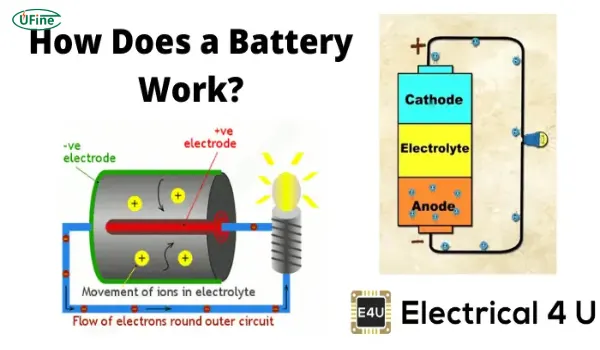
The type of energy stored in a battery is chemical energy, which is converted into electrical energy
when the battery is discharged. Essentially, batteries act as energy converters—they take energy from a chemical reaction and release it in a useful form (electrical energy) to power devices.
Chemical Energy in Batteries
The chemical energy in a battery is stored in the electrochemical cells inside the battery. The process begins when the battery is charged. During charging, electrons move from the positive electrode to the negative electrode, storing energy in the process. When the battery is used, these electrons flow from the negative to the positive electrode, generating an electrical current.
Electrical Energy Output
When a battery is connected to a device, such as your phone or car, it releases the stored chemical energy as electrical energy. The energy is then used to power the device. Therefore, the type of energy a battery provides is electrical energy that has been chemically stored.
This is true for nearly all battery types, including:
- Lithium-ion batteries
- Lithium polymer (LiPo) batteries
- LiFePO4 batteries
- Lead-acid batteries
- Nickel-metal hydride (NiMH) batteries
Although their materials and performance characteristics differ, they all store energy chemically before converting it into usable electricity.
What energy conversions occur in batteries?
Batteries convert chemical energy into electrical energy. The process begins when the battery is charged, and energy is stored through chemical reactions. When the battery is discharged, these chemical reactions reverse, converting the stored chemical energy back into electrical energy. Essentially, batteries are energy conversion devices that provide electrical power when needed.
Moreover, the efficiency of this energy conversion depends on the battery’s design and the materials used. For example, lithium-ion batteries offer higher energy conversion efficiency compared to older lead-acid batteries, which is why they are commonly used in mobile devices and electric cars.
Part 2. Why is a battery not electrical energy?
A common misconception is that batteries store electricity directly.
In reality, batteries do not function like containers filled with electrical current. Instead, they store energy in chemical form and generate electricity only when a circuit is completed.
Think of a battery as a miniature energy conversion system. The battery contains chemicals with different electrical potentials. When connected to a device, these chemicals react and create a flow of electrons.
This distinction is important because electrical energy is produced during operation, while chemical energy is what remains stored inside the battery.
For this reason, scientists typically describe batteries as devices that store chemical potential energy rather than electrical energy.
Part 3. How batteries store and release energy?
Batteries store energy through chemical reactions that occur inside the battery. When charging, energy is supplied externally (usually via a charger), which causes the positive and negative electrodes inside the battery to undergo a chemical transformation. This transformation results in the storage of energy. When the battery is used, the reverse chemical reactions take place, releasing energy in the form of electricity.
The rate at which energy is stored or released is determined by the charge rate and the discharge rate of the battery, respectively. These rates depend on factors such as the battery’s size, chemistry, and design.
When a battery powers a device, a series of electrochemical reactions occurs inside the cell.
The anode releases electrons, which travel through the external circuit toward the cathode. This movement of electrons creates an electrical current.
At the same time, ions move through the electrolyte to balance the charge difference between the electrodes.
The electrical energy produced can then power devices such as:
- Smartphones
- Medical equipment
- Drones
- Electric vehicles
- Solar energy storage systems
As the chemical reactants are gradually consumed, the battery’s stored chemical energy decreases until recharging or replacement becomes necessary.
How is energy stored in a lithium-ion battery?
Lithium-ion batteries are among the most widely used rechargeable batteries because of their high energy density and long cycle life.
In a lithium-ion battery, energy is stored through the movement and positioning of lithium ions between the cathode and anode materials.
During charging:
Electrical Energy → Chemical Energy
Lithium ions move from the cathode to the anode and become stored within the anode structure.
During discharging:
Chemical Energy → Electrical Energy
Lithium ions move back toward the cathode while electrons flow through the external circuit to power the device.
This reversible movement of lithium ions enables lithium batteries to be recharged hundreds or even thousands of times.
For a deeper understanding of lithium-ion battery technology, you can refer to information published by the U.S. Department of Energy.
Part 4. Different types of batteries and their stored energy
Batteries come in many shapes, sizes, and types. Some of the most common types include:
- Lithium-Ion Batteries (Li-ion): These are widely used in everything from smartphones to laptops. They have a high energy density and long lifespan.
- Lead-Acid Batteries: Commonly used in cars, they store energy through a chemical reaction between lead plates and sulfuric acid.
- Nickel-Cadmium Batteries (NiCd): Known for their use in power tools, these batteries are durable but suffer from a phenomenon called the “memory effect,” which reduces their capacity over time.
- Nickel-Metal Hydride Batteries (NiMH): These batteries are more environmentally friendly than NiCd batteries and are often used in hybrid vehicles.
- LiFePO4 Batteries: A safer and more stable form of lithium battery, often used in electric vehicles and solar energy storage systems.
Each of these battery types has different energy storage capacities, efficiencies, and applications. The type of energy they store is ultimately determined by the chemistry used in their construction.
AGM VS Lithium VS Lead-Acid Battery: Comprehensive Comparison
Although battery technologies vary significantly, they all store chemical energy.
| Battery Type | Stored Energy Form | Common Applications |
|---|---|---|
| Lithium-ion | Chemical Energy | Smartphones, laptops, EVs |
| Lithium Polymer | Chemical Energy | Drones, wearable devices |
| LiFePO4 | Chemical Energy | Solar storage, RVs, marine systems |
| Lead-acid | Chemical Energy | Vehicles, UPS systems |
| NiMH | Chemical Energy | Consumer electronics |
The primary difference lies in the chemical materials used and the amount of energy that can be stored per unit weight or volume.
Part 5. Battery energy vs battery capacity
Many people confuse battery energy with battery capacity, but they are not the same thing.
Battery capacity measures how much charge a battery can store, while battery energy measures how much total work the battery can perform.
| Measurement | Unit | Meaning |
|---|---|---|
| Capacity | mAh or Ah | Amount of electrical charge stored |
| Energy | Wh | Total stored energy available |
| Voltage | V | Electrical potential difference |
The relationship between them can be calculated using the following formula:
Energy (Wh) = Voltage (V) × Capacity (Ah)
For example:
A 3.7V battery with a capacity of 5000mAh (5Ah) stores:
3.7 × 5 = 18.5Wh
This means the battery contains approximately 18.5 watt-hours of energy.
Understanding this distinction is particularly important when comparing batteries with different voltages.
Part 6. Factors affecting battery energy storage
Several factors influence how much energy a battery can store and deliver.
Battery chemistry
Different battery chemistries provide different energy densities.
Lithium-ion batteries generally offer significantly higher energy density than lead-acid batteries, which is one reason they dominate portable electronics and electric vehicles.
Temperature
Extreme temperatures can affect electrochemical reactions inside a battery.
Very cold temperatures reduce available capacity, while excessive heat can accelerate battery degradation and shorten service life.
Battery age
As batteries age, chemical materials gradually degrade. This reduces the amount of energy that can be stored and delivered.
Charge-discharge cycles
Each charging cycle causes minor wear on battery materials. Over time, repeated cycling decreases overall capacity and energy storage capability.
Part 7. Why is it so important to reserve batteries?
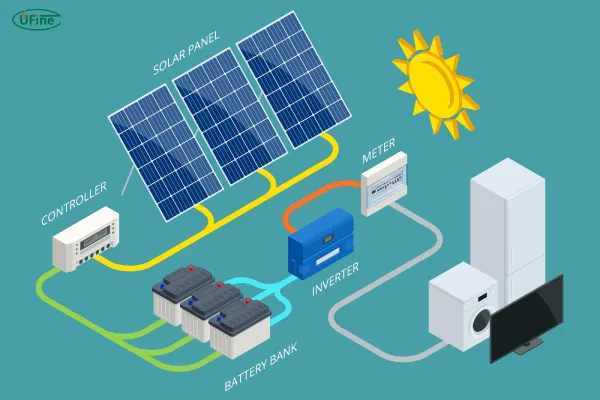
With the growing demand for mobile devices, electric vehicles, and renewable energy storage, battery reserve capacity is more important than ever. Batteries serve as energy reserves, storing energy for later use when it is not readily available. For example, solar power systems often rely on batteries to store energy generated during the day for use at night or on cloudy days. Similarly, electric vehicles depend on batteries to store energy for transportation.
Without a reliable battery reserve, the functionality of devices, vehicles, and even power grids would be severely compromised. Therefore, understanding how energy is stored and utilized in batteries is crucial for both personal and commercial purposes.
Part 8. Indicators for measuring battery energy
To determine how much energy a battery has stored, we use several key indicators:
- Voltage: Measured in volts (V), this indicates the potential difference between the battery’s positive and negative terminals.
- Capacity: Measured in ampere-hours (Ah) or milliampere-hours (mAh), this tells you how much charge the battery can store.
- Energy Density: This refers to the amount of energy stored in a given volume or mass of the battery.
- State of Charge (SOC): The SOC indicates how much energy remains in the battery relative to its maximum capacity.
Part 9. FAQs
Does a battery store energy when it is fully discharged?
Yes. Even a fully discharged battery may still contain some chemical energy, but it is no longer sufficient to provide useful electrical output under normal operating conditions.
What is the original source of energy stored in a battery?
For rechargeable batteries, the stored energy usually comes from an external power source such as a charger, solar panel, or generator that converts electrical energy into chemical energy.
Is energy stored in the electrolyte of a battery?
Most of the energy is stored in the chemical materials of the electrodes. The electrolyte mainly enables ion transport between the anode and cathode during operation.
Do batteries lose stored energy when not in use?
Yes. All batteries experience self-discharge, meaning they gradually lose some stored energy even when disconnected from a device.
How is battery energy density measured?
Battery energy density is typically measured in watt-hours per kilogram (Wh/kg) or watt-hours per liter (Wh/L), indicating how much energy can be stored relative to weight or volume.
Related Tags:

More Articles

Comparative Analysis: 14500 Battery Vs. 18650 Battery
Compare 14500 vs 18650 batteries by size, voltage, capacity, runtime, discharge current, charging, safety, and applications to choose the right cell.
12V Lithium-Ion What Voltage at Fully Charged and Why Your Battery Might Not Reach It
Check the 12V lithium battery voltage chart for 3S Li-ion and 4S LiFePO4. Learn full charge, resting voltage, charger limits, and fault checks.
LiFePO4 Voltage Chart Guide: Everything You Need to Know
Check the LiFePO4 voltage chart for 3.2V, 12V, 24V and 51.2V batteries. Compare SOC, charging voltage, cutoff limits and internal resistance.
Lithium Ion Cell Sizes: A Comprehensive Guide
Compare lithium ion cell sizes with a chart of dimensions, capacity ranges, cell types, applications, and key factors for selecting the right battery.
6 Volt Tractor Battery vs 12 Volt: Which One Fits Your Farm Equipment Best?
Compare 6V and 12V tractor batteries. Learn which voltage fits vintage or modern tractors, which specifications matter, and how to convert safely.