
- Part 1. What is a LiPo battery
- Part 2. LiPo battery capacity explained
- Part 3. Lipo battery energy density and performance
- Part 4. LiPo battery discharge rate (C-rate)
- Part 5. LiPo battery voltage behavior
- Part 6. LiPo battery lifespan and cycle life
- Part 7. Internal resistance and self-discharge
- Part 8. Operating temperature and safety
- Part 9. LiPo battery storage recommendations
- Part 10. FAQs
Lithium Polymer (LiPo) batteries are widely used in drones, RC cars, robotics, electric vehicles, and portable electronics. When you search for terms like lipo battery energy density, lipo battery capacity, or lipo battery lifespan, you are actually exploring different performance dimensions of the same battery system.
In this guide, you will learn how LiPo batteries work and how key specifications affect performance, safety, and lifespan.
Key Takeaways
- LiPo batteries are widely used because of their high energy density, lightweight design, and high discharge performance
- Energy density (Wh/kg) determines how much energy you get per unit weight
- Discharge rate (C-rate) defines how fast you can safely draw power from a LiPo battery
- Capacity (Ah) is not equal to usable energy and depends on conditions like temperature and load
- Proper storage (40–60% charge) significantly extends LiPo battery lifespan
- Internal resistance and temperature directly affect performance and safety
Part 1. What is a LiPo battery
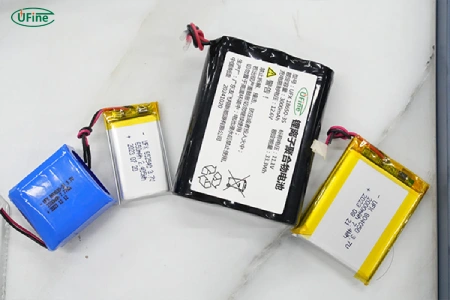
A LiPo battery (Lithium Polymer battery) is a rechargeable lithium-ion battery that uses a polymer-based electrolyte instead of a liquid electrolyte.
This structure gives LiPo batteries:
- Higher flexibility in shape design
- lighter weight compared to traditional lithium batteries
- improved energy density performance
Part 2. LiPo battery capacity explained
Capacity refers to how much electrical charge a LiPo battery can store and deliver. It is usually measured in Ah (ampere-hours) or Wh (watt-hours).
For example:
A 48V 200Ah LiPo battery contains:
48 × 200 = 9600Wh (9.6kWh)
Types of capacity in LiPo battery systems
| Type | Meaning | Real-world impact |
|---|---|---|
| Rated capacity | Manufacturer test value | Used for labeling |
| Actual capacity | Real usable capacity | Affected by load & temperature |
| Theoretical capacity | Maximum chemical potential | Not fully achievable |
Capacity directly affects:
- runtime of devices
- system sizing
- energy storage performance
Part 3. Lipo battery energy density and performance
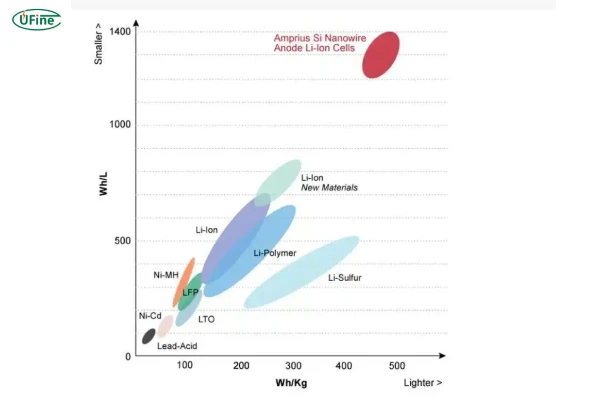
Energy density defines how much energy a LiPo battery can store relative to its weight (Wh/kg) or volume (Wh/L). It is a critical factor in applications where space and weight are limited.
Current LiPo batteries typically have an energy density of 100–200Wh/kg. However, for electric vehicles to achieve a 500km range comparable to gasoline-powered cars, battery energy density must exceed 300Wh/kg.
Unlike Moore’s Law in semiconductors, LiPo battery energy density improves slowly, creating a gap between growing power demands and battery advancements.
Energy density comparison
| Battery type | Energy density (Wh/kg) | Typical use |
|---|---|---|
| LiPo battery | 100–200 Wh/kg | Drones, RC, electronics |
| Advanced Li-ion | 200–300 Wh/kg | EVs, storage systems |
| Future targets | 300+ Wh/kg | High-range EVs |
Higher energy density means:
- longer runtime
- lighter system weight
- better portability
However, battery energy density improves slowly compared to computing technologies, which limits rapid breakthroughs.
Part 4. LiPo battery discharge rate (C-rate)
The discharge rate (C-rate) defines how fast a LiPo battery can safely release energy.
This is one of the most searched technical terms:
- lipo discharge rate
- discharge rate lipo battery
C-rate formula
Current (A) = Capacity (Ah) × C-rate
Example:
A 20Ah battery at 0.5C:
→ 20 × 0.5 = 10A
A 10C discharge:
→ 20 × 10 = 200A
Discharge performance levels
| C-rate | Performance level | Application |
|---|---|---|
| 1C–2C | Standard | Electronics |
| 5C–10C | High performance | Robotics |
| 10C+ | Extreme discharge | RC cars, drones |
Higher discharge rates require:
- stronger thermal management
- lower internal resistance
- advanced BMS protection
Part 5. LiPo battery voltage behavior
LiPo battery voltage is one of the most critical parameters affecting both performance and safety. Even small deviations outside the safe voltage window can significantly reduce lifespan or trigger thermal instability.
1 Key voltage types in LiPo batteries
1. Open-circuit voltage (OCV)
- Fully charged cell: 4.20V per cell
- Nominal voltage: 3.70V per cell
- Fully discharged safe limit: 3.0V per cell (absolute minimum ~2.8V)
Example:
- 3S LiPo: 12.6V (full) → 11.1V (nominal) → 9.0V (min safe)
2. Operating voltage under load
When the battery is under load, voltage drops due to internal resistance.
Typical voltage sag:
- High-quality LiPo: 0.05–0.15V per cell
- High discharge load: 0.2–0.5V per cell
This is why a “fully charged” battery may still drop quickly under high C-rate discharge.
3. Charge cutoff voltage
- Standard LiPo charging limit: 4.20V ± 0.05V per cell
- Overcharge above 4.25V per cell can cause:
- electrolyte breakdown
- gas generation
- swelling
4. Discharge cutoff voltage
- Recommended cutoff: 3.0–3.3V per cell
- Absolute minimum: 2.8V per cell (damage zone)
Below this threshold:
- copper dissolution may occur
- permanent capacity loss is likely
2 Voltage safety risk thresholds
| Condition | Risk level |
|---|---|
| >4.25V/cell | High explosion risk |
| 4.20–4.25V | Overcharge stress |
| 3.0–2.8V | Deep discharge damage |
| <2.8V | Irreversible cell damage |
Proper voltage control is essential in any lipo battery voltage management system, especially for high-discharge applications like drones and RC vehicles.
To better understand how voltage changes across different states of charge, you can refer to the detailed lithium-ion battery voltage chart for reference values.
Part 6. LiPo battery lifespan and cycle life
LiPo battery lifespan is defined by how long the battery maintains usable capacity before degradation reaches ~80% of original performance.
1. Cycle life (realistic industry ranges)
Typical LiPo cycle life:
- High-performance RC LiPo: 150–300 cycles
- Consumer-grade LiPo: 300–500 cycles
- Optimized low-stress use: up to 800 cycles
👉 Cycle life depends heavily on:
- discharge depth
- temperature
- C-rate usage
2. Calendar life (aging over time)
Even without use, LiPo batteries degrade chemically.
Typical calendar life:
- 2 to 5 years
- Faster degradation at high temperature (>40°C)
👉 Rule of thumb:
- Every 10°C increase roughly doubles aging rate
3. Depth of discharge (DoD) impact
| DoD Level | Typical cycle life | Effect |
|---|---|---|
| 20–25% | 600–1000 cycles | Very long lifespan |
| 50% | 400–600 cycles | Balanced use |
| 80% | 200–350 cycles | High performance use |
| 100% | <200 cycles | High degradation |
👉 This is why partial discharge strategy (20–80% SOC) is widely recommended.
4. Temperature impact on lifespan
| Temperature | Effect on lifespan |
|---|---|
| 20–25°C | Optimal |
| 35°C | ~20–30% faster aging |
| 45°C+ | Rapid degradation |
| <0°C charging | Lithium plating risk |
Proper thermal control is one of the strongest predictors of lipo battery lifespan stability.
Part 7. Internal resistance and self-discharge
1. Internal resistance (IR)
Internal resistance determines how efficiently a LiPo battery can deliver current.
Typical values:
| Battery type | Internal resistance (per cell) |
|---|---|
| New high-quality LiPo | 1–5 mΩ |
| Standard LiPo | 5–15 mΩ |
| Aged/degraded LiPo | 15–30+ mΩ |
Effects of rising internal resistance
As IR increases:
- heat generation increases (I²R loss)
- voltage sag becomes more severe
- usable capacity decreases
- discharge efficiency drops
Example (power loss)
At 100A discharge:
- 5 mΩ cell → power loss = 50W
- 20 mΩ cell → power loss = 200W
That is 4× heat generation difference
2. Self-discharge rate
LiPo batteries naturally lose charge over time due to internal chemical reactions.
Typical self-discharge rates:
- 1–3% per month at room temperature (20–25°C)
- up to 5–10% per month at higher temperature (>40°C)
Storage voltage recommendation
For long-term storage:
- Best storage voltage: 3.80–3.85V per cell
- State of charge: 40–60%
Storage risk behavior
| Storage condition | Effect |
|---|---|
| Fully charged (4.2V) | Accelerated aging |
| Fully discharged (<3.0V) | Deep degradation |
| 3.8–3.85V | Optimal stability |
Storage best practices
To minimize degradation:
- store at moderate SOC (40–60%)
- avoid high temperature environments (>30°C ideal limit exceeded)
- recharge every 3–6 months
- avoid long-term 100% charge storage
Part 8. Operating temperature and safety
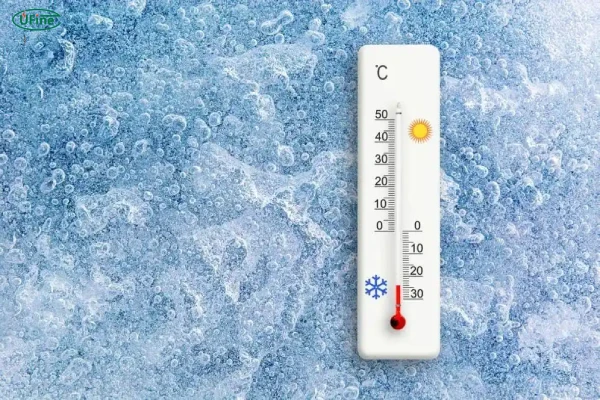
LiPo batteries typically operate between:
-20°C to 60°C
| Condition | Effect |
|---|---|
| High temperature | Faster aging, safety risk |
| Low temperature | Reduced capacity |
Temperature control is critical for:
- electric vehicles
- drones
- industrial systems
Safety mechanisms in LiPo batteries
Modern LiPo batteries include:
- overcharge protection
- short-circuit protection
- thermal cutoff systems
These features reduce risks such as overheating and fire hazards.
For safe operation, LiPo batteries must be used within a proper temperature range. You can check the detailed limits in our guide on LiPo battery minimum operating temperature.
Part 9. LiPo battery storage recommendations
Proper storage significantly improves the lipo battery lifespan.
Recommended storage conditions:
- 40–60% charge level
- cool and dry environment
- avoid full charge or deep discharge
Storage best practice summary
| Condition | Recommendation |
|---|---|
| Charge level | 40–60% |
| Temperature | Cool & stable |
| Long-term storage | Periodic recharge |
Part 10. FAQs
1. Are LiPo batteries better than Li-ion batteries?
LiPo batteries offer more flexible shapes and higher discharge rates, while Li-ion batteries usually provide higher energy density and longer cycle life. The choice depends on application requirements.
2. Why do LiPo batteries swell over time?
Swelling is caused by gas buildup inside the cell due to overcharging, deep discharging, or aging chemical reactions. It indicates internal degradation and safety risk.
3. Can LiPo batteries be repaired after swelling?
No. Swollen LiPo batteries cannot be safely repaired and should be replaced immediately to avoid fire or leakage risks.
4. What happens if you overcharge a LiPo battery?
Overcharging can lead to overheating, electrolyte breakdown, swelling, and in extreme cases, fire or explosion due to thermal runaway.
5. Why do LiPo batteries require balance charging?
Balance charging ensures each cell in a multi-cell battery reaches equal voltage levels, preventing imbalance that can reduce lifespan or cause safety issues.
Related Tags:

More Articles

JST vs Molex: The Right Battery Connector Choice
JST or Molex for your battery? Learn how connector selection affects current, voltage drop, reliability, and device performance.
Custom Battery Pricing: Costs Manufacturers Don’t Mention
A low battery quote may not be the final cost. Discover common hidden expenses that affect custom lithium battery projects.
Battery Wire Length: Hidden Cause of Power Loss
A longer battery wire can cause voltage drop, power loss, and unstable operation. Learn how wire length affects battery performance.
How Device Sleep Modes Affect Battery Life
Think sleep mode extends battery life? Learn why devices still drain power and how firmware, hardware, and batteries affect runtime.
LiPo Battery and PCB Design: Clearance, Insulation, and Placement
Learn how to optimize LiPo battery PCB clearance, insulation, placement, wiring, and thermal design—and avoid common integration mistakes.


