
- Part 1. 3.0V lithium battery overview
- Part 2. Common types of 3 volt lithium batteries
- Part 3. 3V battery chemistry explained
- Part 4. Shapes
- Part 5. Capacity
- Part 6. 3V lithium battery vs 3.7V lithium-ion battery
- Part 7. Is a 3.0V lithium battery rechargeable?
- Part 8. How long does a 3 volt lithium battery last?
- Part 9. What devices use a 3.0V lithium battery?
- Part 10. FAQs
3.0V lithium batteries have become essential in modern electronics, powering everything from small gadgets to critical devices. Known for their long-lasting performance and reliability, these batteries are widely used due to their high energy density and stable voltage output. But what exactly is a 3.0V lithium battery? In this article, we’ll dive into the chemistry, types, shapes, and applications of these batteries, as well as answer some common questions like whether they are rechargeable and how long they last.
Key takeaways
- A 3.0V battery typically refers to a primary lithium battery with stable low-current output and long shelf life.
- Most 3 volt lithium batteries are non-rechargeable and use lithium manganese dioxide (Li-MnO2) chemistry.
- Popular battery models include CR2032, CR2025, CR123A, and CR2450.
- 3V lithium batteries are widely used in key fobs, medical devices, cameras, CMOS memory backup systems, and IoT sensors.
- A 3.0 volt lithium battery is different from a 3.7V lithium-ion battery in chemistry, charging behavior, and applications.
- Storage temperature, discharge rate, and device power demand all affect battery lifespan and performance.
Part 1. 3.0V lithium battery overview
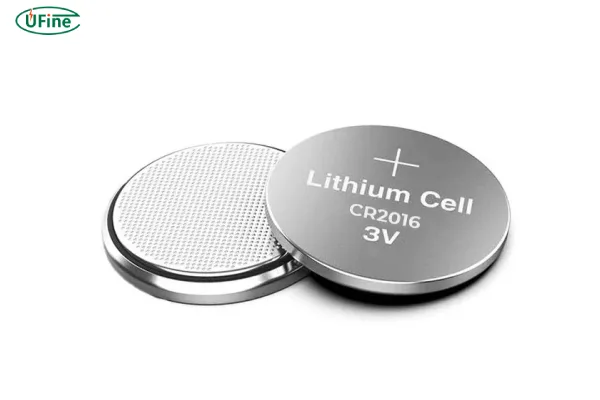
A 3.0V lithium battery is a type of battery that provides a stable 3-volt output, making it ideal for devices requiring consistent power. These batteries use lithium as the anode, which allows for higher energy density compared to other battery types. Lithium batteries are often favored for their longevity, reliability, and ability to function in a wide range of temperatures.
Lithium batteries have a flat discharge curve, which means they can maintain a stable voltage until they are almost fully discharged. This makes them ideal for devices requiring consistent power over long periods.
In terms of composition, these batteries typically consist of a lithium metal or lithium compound as the active material on the anode side. The cathode is usually made of manganese dioxide (Li-MnO2), carbon monofluoride (Li-CFx), or other materials depending on the specific type. A non-aqueous electrolyte is used, which prevents the corrosion issues common in other battery types.
Most of these batteries are primary batteries, meaning they are designed for single use and cannot be recharged safely.
Compared with traditional 1.5V alkaline batteries, a 3 volt lithium battery offers several advantages. It delivers more stable voltage, performs better in low temperatures, and usually lasts much longer in storage. That is why manufacturers often choose lithium 3.0 V batteries for devices that require reliability over many years.
The most common chemistry behind these batteries is lithium manganese dioxide (Li-MnO2). This chemistry provides excellent energy density while maintaining a relatively lightweight and compact design.
Interestingly, many people search for terms like “3 volt lithium ion battery,” assuming all lithium batteries are lithium-ion. Technically, that is not always correct. Most standard 3.0V batteries are primary lithium batteries rather than rechargeable lithium-ion cells.
Part 2. Common types of 3 volt lithium batteries
Not all 3V lithium batteries are built the same. Some are tiny coin cells designed for ultra-low-power electronics, while others are cylindrical batteries capable of supporting cameras or industrial devices.
Here are some of the most common types you will encounter:
| Battery Type | Shape | Rechargeable | Typical Uses |
|---|---|---|---|
| CR2032 | Coin cell | No | Key fobs, motherboards, calculators |
| CR2025 | Coin cell | No | Watches, medical devices |
| CR2450 | Coin cell | No | Sensors, smart home devices |
| CR123A | Cylindrical | No | Cameras, flashlights, security systems |
| BR2032 | Coin cell | No | High-temperature industrial electronics |
Among these options, the CR2032 battery is probably the most recognized. It is widely used because it balances compact size with decent capacity.
If you are comparing popular coin cells, this detailed guide on CR2032 vs CR2025 explains the key differences in size, capacity, and compatibility.
Meanwhile, CR123A batteries are physically much larger and can support higher pulse currents. That makes them popular in cameras and tactical flashlights where sudden bursts of power are required.Not sure which CR battery fits your device? This complete CR battery sizes guide covers the most common lithium coin cell models and applications.
Part 3. 3V battery chemistry explained
Battery voltage alone does not tell the full story. Chemistry matters just as much because it affects performance, lifespan, safety, and charging behavior.
The table below highlights the main differences between several common battery chemistries:
| Chemistry | Nominal Voltage | Rechargeable | Common Applications |
|---|---|---|---|
| Lithium manganese dioxide (Li-MnO2) | 3.0V | No | Coin cells, CR batteries |
| Lithium-ion | 3.6V–3.7V | Yes | Smartphones, laptops |
| Alkaline | 1.5V | No | Remote controls, toys |
| Lithium iron phosphate (LiFePO4) | 3.2V | Yes | Energy storage, EV systems |
One reason 3.0 volt lithium batteries remain so popular is their extremely low self-discharge rate. In some cases, they can sit unused for up to 10 years and still retain most of their capacity.
That long shelf life is especially valuable in emergency devices or backup systems where reliability matters more than high power output.
Part 4. Shapes
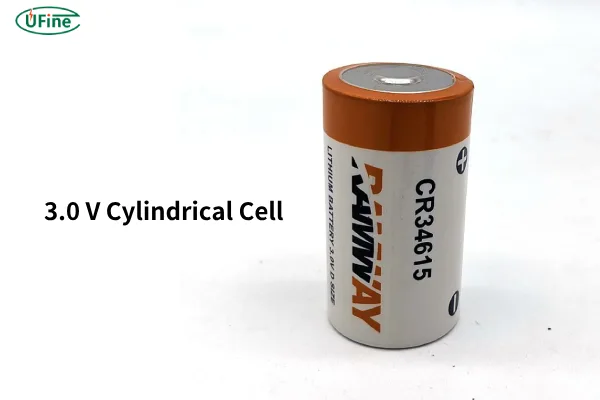
3.0V lithium batteries come in several shapes to suit different device designs and usage scenarios. Here are the most common shapes:
-
Button Cells: Also known as coin batteries, these small, round batteries are often used in watches, hearing aids, and small electronics.
-
Cylindrical Cells: These batteries are longer and have a cylindrical shape, commonly used in devices like flashlights, cameras, and other portable electronics.
-
Prismatic Cells: These are flat and rectangular in shape, designed for applications where space is a concern, such as in smartphones and tablets.
The shape of a battery is an important factor depending on the device, as space constraints and design needs often dictate which type is best.
Part 5. Capacity
The capacity of a 3.0V lithium battery is measured in milliamp-hours (mAh). This indicates how much energy the battery can store and deliver over time. Common capacities for 3.0V lithium batteries vary depending on their type and application.
- Button Cells typically range from 20mAh to 240mAh.
- Cylindrical Cells can range from 500mAh to 3500mAh or more.
- Prismatic Cells have capacities similar to cylindrical cells but in a more compact form.
Choosing the right capacity depends on the power demands of the device. Devices that require continuous or high-current output will need batteries with higher capacities.
Part 6. 3V lithium battery vs 3.7V lithium-ion battery
This is one of the most misunderstood topics in the battery industry.
People often assume a 3.0V lithium battery and a 3.7V lithium-ion battery are interchangeable because both contain lithium. In practice, they are designed for very different purposes.
A 3.0 volt lithium battery is usually a non-rechargeable primary battery optimized for long-term stability and low power consumption. By contrast, a 3.7V lithium-ion battery is rechargeable and intended for devices with much higher energy demand.
The differences become clearer in real-world scenarios.
Imagine a smart door lock that only wakes up occasionally to communicate with a mobile app. A small CR123A battery may power that device reliably for years. Now compare that to a smartphone constantly running apps, video streaming, GPS, and wireless communication. That level of power demand requires a rechargeable lithium-ion system instead.
Another important point is voltage compatibility. You should never replace a 3V battery with a 3.7V lithium-ion battery unless the device manufacturer explicitly allows it. Even a seemingly small voltage increase can damage sensitive electronics.
Part 7. Is a 3.0V lithium battery rechargeable?
Most 3.0V lithium batteries are not rechargeable. These are typically primary batteries, meaning they are designed for single-use and should be replaced once depleted.
However, there are rechargeable lithium-ion and lithium-polymer batteries, but they usually operate at a nominal voltage of 3.7V rather than 3.0V. So, while you can’t recharge a typical 3.0V lithium primary battery, you can use a 3.7V lithium-ion rechargeable battery for similar applications, depending on the device’s voltage requirements.
If you are unsure whether a battery can be recharged, check for labels such as:
- Li-ion
- Rechargeable
- LIR series
- Secondary lithium battery
If those markings are absent, the battery is likely a primary lithium battery intended for one-time use.
For battery safety recommendations, the National Fire Protection Association (NFPA) also provides useful guidance regarding lithium battery handling and charging practices.
Part 8. How long does a 3 volt lithium battery last?
The lifespan of a 3.0V lithium battery depends on several factors, including the battery type, usage, and storage conditions. In general, these batteries are known for their long shelf life and ability to hold a charge for extended periods.
-
Shelf Life: Most 3.0V lithium batteries have a shelf life of 10 to 15 years, making them excellent for devices that require infrequent battery replacements.
-
Usage Life: In continuous use, a 3.0V lithium battery can last anywhere from several months to several years, depending on the energy demands of the device. For instance, a button cell in a watch may last up to 2 years, while the same battery in a more power-hungry device may only last a few months.
The ability of these batteries to provide consistent voltage until they are fully depleted makes them ideal for applications that require long-lasting and reliable power.
Part 9. What devices use a 3.0V lithium battery?
3.0V lithium batteries are commonly used in a wide range of devices due to their compact size and reliable performance. Some of the most common applications include:
-
Watches and Clocks: Button cell batteries are often used in small devices like wristwatches, desk clocks, and timers.
-
Remote Controls: Many TV and other appliance remotes use 3.0V lithium batteries for their long-lasting power.
-
Cameras: Cylindrical 3.0V lithium batteries are often found in digital cameras due to their high energy capacity and ability to handle intermittent high-power use.
-
Medical Devices: Devices like glucose meters, thermometers, and hearing aids often rely on button cell or cylindrical 3.0V batteries.
-
Car Key Fobs: Many modern car key fobs use 3.0V lithium batteries for their small size and reliable performance.
These batteries are also used in security systems, wireless sensors, and various other household gadgets that require long-lasting power.
Part 10. FAQs
Are all coin cell batteries 3V lithium batteries?
No. While many coin cells use 3V lithium chemistry, some button batteries use silver oxide or alkaline chemistry with different voltages and performance characteristics.
Do 3V lithium batteries expire even if unused?
Yes. Although they have long shelf lives, chemical aging still occurs over time. Most manufacturers recommend using them within the stated expiration date for best performance.
Can I mix different brands of 3V batteries in one device?
It is generally not recommended. Mixing battery brands or old and new batteries may cause uneven discharge, reduced performance, or leakage risks.
How can you tell if a 3V battery is dying?
Common signs include weaker device performance, delayed responses, fading displays, intermittent operation, or low-battery warnings from the device.
Are 3V lithium batteries environmentally friendly?
They are generally more energy efficient and longer lasting than many disposable alternatives, but they should still be recycled properly to reduce environmental impact.
Related Tags:

More Articles

Difference Between Cold Cranking Amps and Reserve Capacity in Batteries
Learn what CCA and RC mean, how they are measured, and how to choose the right battery for reliable starting and continuous power.
Learn how to safely charge a dead battery. Step-by-step methods for cars, motorcycles, and devices, plus tips to extend battery life and avoid damage.
What Are Small Round Batteries?
Learn about small round batteries, including lithium, button, and rechargeable types. Discover uses, sizes, and safe recycling tips.
UN3481 vs UN1323: Classification Guide for Lithium Batteries
Learn the difference between UN3481 and UN1323, UN3481 label meaning, shipping requirements, and how UN3481 differs from UN3480 for lithium batteries.
10 Battery Charging and Discharging Parameters Explained
Discover how battery charging and discharging works, key battery parameters, discharge rates, charging modes, and tips to extend battery life.


