
- Part 1. Understanding the 1.2V NiMH battery
- Part 2. Size and weight
- Part 3. Charging voltage
- Part 4. 1.2V vs 1.5V NiMH battery: what are the differences?
- Part 5. How much energy does a 1.2V NiMH battery store?
- Part 6. Are all 1.2V NiMH batteries rechargeable?
- Part 7. Is the 1.2V NiMH battery environmentally friendly?
- Part 8. Price
- Part 9. Applications
- Part 10. Key considerations before buying a 1.2V NiMH battery
- Part 11. How to dispose of expired 1.2V NiMH batteries?
- Part 12. FAQs
When it comes to powering everyday devices, few battery options balance reliability and environmental friendliness as well as the 1.2V NiMH battery. If you’ve ever used rechargeable batteries in your remotes, cameras, or toys, you’ve likely encountered this powerful type. But what makes the 1.2V NiMH battery such a popular choice? This guide will dive deep into everything you need to know—from understanding its inner workings to deciding whether it’s the best fit for your needs. Let’s explore the features, advantages, and practical applications of the 1.2V NiMH battery, while providing the insights you need to make an informed purchase.
Key takeaways
- A 1.2V NiMH battery has a nominal voltage of 1.2V, but its actual voltage changes during charging and discharging.
- The 1.2V battery full charge voltage is usually around 1.4V to 1.5V after a complete charge.
- The charging voltage for a 1.2V NiMH battery must be higher than 1.2V to push current into the battery.
- A typical NiMH AA battery voltage remains relatively stable around 1.2V during most of its discharge cycle.
- NiMH batteries offer reliable rechargeability and are commonly used in AA devices, toys, cameras, sensors, and consumer electronics.
- Compared with lithium batteries, NiMH batteries have lower voltage and energy density but provide a simple and safe rechargeable solution.
Part 1. Understanding the 1.2V NiMH battery
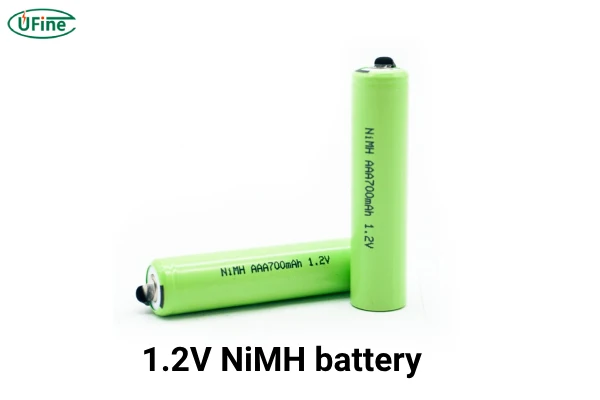
The 1.2V NiMH battery stands for “Nickel-Metal Hydride.” At its core, the battery is made up of a nickel oxide hydroxide positive electrode and a hydrogen-absorbing alloy as the negative electrode. This composition allows it to store and release energy effectively, especially during repeated charges and discharges. Compared to its predecessor, the NiCd (Nickel-Cadmium) battery, the NiMH battery is designed to offer higher capacity and fewer environmental hazards.
How It Works:
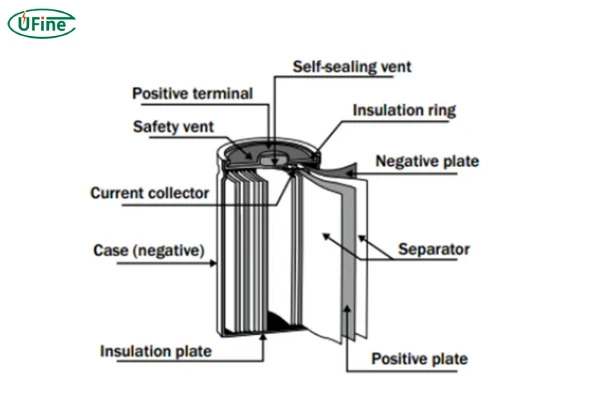
When you connect a 1.2V NiMH battery to a device, a chemical reaction occurs inside. Electrons flow from the negative electrode to the positive electrode, producing electrical energy that powers the device. The reverse happens when the battery is being charged—the positive electrode takes electrons back to store energy for future use. This cycling ability allows NiMH batteries to be used hundreds of times, making them a sustainable choice.
Characteristics:
- Energy Density: NiMH batteries have a high energy density compared to NiCd batteries, meaning they can store more power in the same size.
- Rechargeability: With the proper care, they can be recharged hundreds of times.
- Self-Discharge Rate: One downside is their relatively high self-discharge rate, meaning they lose charge over time when not in use.
- Eco-Friendliness: They are less toxic than NiCd batteries, making them a more environmentally responsible option for rechargeable energy.
Part 2. Size and weight
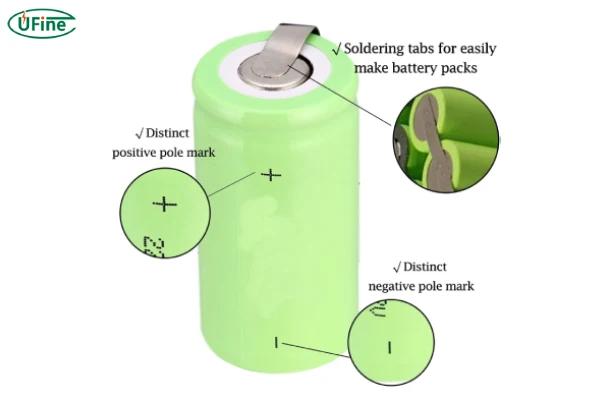
One of the reasons the 1.2V NiMH battery is so versatile is that it comes in various sizes. Common formats include AA, AAA, C, and D sizes, allowing it to fit into a wide array of devices. Each size offers different capacity levels, which makes it essential to choose the right one based on your device’s needs. For instance:
-
-
AA (Double-A): One of the most widely used sizes, AA NiMH batteries measure about 50.5 mm in height and 14.5 mm in diameter. Their compact size makes them ideal for household items like remote controls, toys, and handheld devices. AA NiMH batteries typically range from 1,000 to 2,500 mAh in capacity, providing a balance between portability and decent energy storage.
-
AAA (Triple-A): Smaller than AA batteries, AAA NiMH batteries measure 44.5 mm in height and 10.5 mm in diameter. They are lighter, making them perfect for smaller devices, such as TV remotes, calculators, and compact electronic gadgets. AAA NiMH batteries generally have capacities from 600 to 1,200 mAh, which is suitable for devices with lower power demands.
-
C Batteries: Larger than AA and AAA, C-sized NiMH batteries measure around 50 mm in height and 26.2 mm in diameter. Their bigger size allows them to hold more energy, usually in the range of 2,500 to 5,000 mAh. C batteries are common in higher-drain devices like flashlights and portable radios, where extended runtime is essential.
-
D Batteries: The largest among the standard sizes, D NiMH batteries measure about 61.5 mm in height and 34.2 mm in diameter. With capacities ranging from 4,500 to 12,000 mAh, they’re typically used in high-drain applications such as large flashlights, toys, and medical equipment where long-lasting power is critical.
-
In terms of weight, NiMH batteries are generally heavier than single-use alkaline batteries due to their chemical composition and higher energy density. This added weight, however, translates into longer runtime, making them a trade-off well worth considering.
Part 3. Charging voltage
One of the most common misunderstandings about a 1.2 volt battery is assuming that it always provides exactly 1.2V.
In reality, 1.2V is only the nominal voltage, which is a standard value used to classify the battery.
The actual output voltage depends on:
- State of charge
- Charging method
- Battery age
- Temperature
- Discharge current
A typical voltage range looks like this:
| Battery condition | Approximate voltage |
|---|---|
| Immediately after charging | 1.4V–1.5V |
| Resting after full charge | 1.3V–1.4V |
| Normal operation | Around 1.2V |
| Low battery state | 1.0V–1.1V |
| Nearly empty | Below 1.0V |
This voltage behavior is normal for NiMH chemistry and does not indicate a problem with the battery.
To maximize the life of a 1.2V NiMH battery, it’s important to use the correct charging voltage. Typically, these batteries are charged at a voltage range between 1.4V and 1.6V, which allows them to reach full capacity without overcharging.
Choosing the Right Charger:
A smart charger that automatically detects full charge is ideal for NiMH batteries. This type of charger helps prevent overcharging, which can harm the battery’s lifespan. There are also fast chargers available, but these can increase the risk of overheating and might degrade the battery if used too frequently. Instead, a slower charger is generally recommended for regular use, as it’s gentler on the battery cells and helps maintain capacity over time.
Charging Tips:
- Avoid Overcharging: Remove the battery from the charger once it’s fully charged.
- Allow Cooling Time: If the battery feels warm after charging, let it cool before using it.
- Avoid Draining Fully: Unlike some other battery types, it’s not necessary to completely drain NiMH batteries before recharging.
Part 4. 1.2V vs 1.5V NiMH battery: what are the differences?
Though 1.2V and 1.5V batteries might seem similar, the differences are notable and can impact your device’s performance. Here’s a breakdown:
- Voltage Output: A 1.5V battery provides a higher initial voltage, which can make a difference in high-drain devices. The 1.2V NiMH battery, on the other hand, provides a steady output across its discharge cycle.
- Capacity: 1.2V NiMH batteries generally have a higher capacity than their 1.5V counterparts, meaning they can last longer per charge.
- Rechargeability: While 1.2V NiMH batteries are designed for long-term rechargeability, most 1.5V batteries are single-use or less rechargeable.
- Application: Devices with high-drain requirements, like some cameras, may benefit more from the higher voltage of a 1.5V battery. In contrast, devices that don’t require a high starting voltage, like remote controls, work well with 1.2V NiMH batteries.
Can a 1.2V NiMH battery replace a 1.5V battery?
In many cases, a 1.2V NiMH battery can replace a 1.5V battery, especially in devices that have been designed to accommodate rechargeable batteries. Devices such as flashlights, toys, and certain electronics work well with the steady output of 1.2V NiMH batteries. However, some high-power devices may experience a drop in performance, especially if they rely on the full 1.5V. Before switching, check if your device can handle the 1.2V output.
Part 5. How much energy does a 1.2V NiMH battery store?
Voltage is only one part of battery performance. To understand the actual energy stored in a battery, you also need to consider capacity.
The energy calculation formula is:
Energy (Wh) = Voltage (V) × Capacity (Ah)
For example:
A 1.2V NiMH AA battery with a capacity of 2000mAh:
- Voltage: 1.2V
- Capacity: 2000mAh = 2Ah
Energy:
1.2V × 2Ah = 2.4Wh
This means the battery can theoretically provide around 2.4 watt-hours of energy.
A higher mAh rating means the battery can store more charge, but it does not increase the voltage. For example, both a 1500mAh and 2500mAh NiMH battery may have the same 1.2V nominal voltage, while the higher-capacity battery provides longer runtime.
Part 6. Are all 1.2V NiMH batteries rechargeable?
Virtually all 1.2V NiMH batteries are designed to be rechargeable. NiMH technology is specifically developed to support multiple charging cycles, making it an excellent choice for devices requiring frequent battery replacements. Rechargeable 1.2V NiMH batteries can typically be recharged hundreds of times, extending their lifespan and reducing waste compared to single-use batteries.
However, it’s essential to use a compatible charger with the correct voltage and charging method to maintain the battery’s health and maximize its cycle life. Always follow the manufacturer’s recommendations for charging practices, as this will ensure the battery’s reliability and longevity.
Part 7. Is the 1.2V NiMH battery environmentally friendly?
NiMH Battery vs Li-Ion Battery vs NiCad Battery: How are they different?
Compared to other battery types, the 1.2V NiMH battery is relatively environmentally friendly. Here’s why:
-
Reduced Toxicity: Unlike older NiCd (Nickel-Cadmium) batteries, which contain toxic cadmium, NiMH batteries use safer materials like nickel and a metal hydride alloy. This makes them a less hazardous option for both users and the environment.
-
Rechargeability: NiMH batteries are designed to be used and recharged hundreds of times, significantly reducing the number of batteries that end up in landfills. Fewer single-use batteries in circulation mean a smaller environmental footprint.
-
Recyclable Materials: NiMH batteries contain materials that can be reclaimed through recycling. Nickel, in particular, is a valuable metal that can be recovered and reused, further contributing to sustainability.
-
Lower Environmental Impact: By using rechargeable NiMH batteries, users can reduce waste and lessen the demand for disposable alkaline batteries, which ultimately benefits the environment by conserving resources and reducing pollution.
Part 8. Price
The cost of 1.2V NiMH batteries depends on factors like size, brand, and capacity:
- AAA and AA NiMH Batteries: Generally range from $1 to $4 per battery, though high-capacity versions or well-known brands may be slightly pricier.
- C and D NiMH Batteries: These larger sizes often cost between $3 and $8 each.
Purchasing in bulk or choosing trusted brands may offer better value over time, as these batteries tend to last longer with proper care.
Part 9. Applications
1.2V NiMH batteries are extremely versatile and can be found in a variety of household and electronic devices. Some popular uses include:
- Remote Controls: NiMH batteries provide steady power, making them ideal for remotes and other low-power devices.
- Digital Cameras: NiMH batteries with high capacity are perfect for cameras that require reliable, sustained energy.
- Cordless Phones: Many cordless phones use NiMH batteries due to their dependable performance and rechargeability.
- Toys and Games: For toys that go through frequent battery changes, NiMH batteries offer a cost-effective, rechargeable option.
- Portable Electronics: From flashlights to small radios, the 1.2V NiMH battery supports a variety of portable electronics with reliable power.
Part 10. Key considerations before buying a 1.2V NiMH battery
Choosing the right NiMH battery requires careful consideration of several key factors:
- Capacity (mAh): Higher capacity means longer runtime, ideal for high-drain devices.
- Cycle Life: Batteries with higher cycle lives can be recharged more times, providing better value.
- Self-Discharge Rate: Consider batteries with a lower self-discharge rate for devices that aren’t used frequently.
- Brand Reliability: Reputable brands typically offer more durable batteries and better warranties.
- Charger Compatibility: Ensure you have a compatible charger that will safely charge the specific battery size and capacity.
Part 11. How to dispose of expired 1.2V NiMH batteries?
When it comes to disposing of expired 1.2V NiMH batteries, it’s essential to follow eco-friendly practices due to the potential environmental impact. NiMH batteries contain metals like nickel and are considered hazardous waste, which means they shouldn’t be disposed of in regular household trash. Here’s how to dispose of them responsibly:
-
Locate a Battery Recycling Facility: Many communities have designated drop-off points for battery recycling, such as electronics stores, recycling centers, or special disposal events. Check your local waste management services for nearby options.
-
Handle Carefully: To prevent leakage, cover the terminals of each battery with tape to avoid short circuits during transport.
-
Use Battery Collection Programs: Some manufacturers or stores offer battery collection programs that allow customers to return expired batteries for proper disposal. This method ensures that the batteries are handled safely and recycled effectively.
Part 12. FAQs
Why does my NiMH battery voltage drop quickly under load?
A NiMH battery may show a voltage drop when powering high-current devices because of internal resistance. Older batteries, cold temperatures, and heavy loads can make the voltage drop more noticeable.
Does higher mAh mean higher NiMH battery voltage?
No. The mAh rating shows battery capacity, not voltage. A 1500mAh and 2500mAh NiMH battery can both have a nominal voltage of 1.2V, but the higher-capacity battery provides longer runtime.
How do you test a 1.2V NiMH battery?
A 1.2V NiMH battery can be tested by measuring voltage, checking discharge capacity, and evaluating performance under load. Capacity testing provides a more accurate indication of battery health.
Why does a NiMH battery get hot while charging?
A small amount of heat during charging is normal. Excessive heat may be caused by overcharging, high charging current, or an unsuitable charger.
What is the difference between NiMH and NiCd batteries?
NiMH batteries generally provide higher capacity and better environmental performance than NiCd batteries. They are now more commonly used in consumer rechargeable battery applications.
Related Tags:

More Articles

JST vs Molex: The Right Battery Connector Choice
JST or Molex for your battery? Learn how connector selection affects current, voltage drop, reliability, and device performance.
Custom Battery Pricing: Costs Manufacturers Don’t Mention
A low battery quote may not be the final cost. Discover common hidden expenses that affect custom lithium battery projects.
Battery Wire Length: Hidden Cause of Power Loss
A longer battery wire can cause voltage drop, power loss, and unstable operation. Learn how wire length affects battery performance.
How Device Sleep Modes Affect Battery Life
Think sleep mode extends battery life? Learn why devices still drain power and how firmware, hardware, and batteries affect runtime.
LiPo Battery and PCB Design: Clearance, Insulation, and Placement
Learn how to optimize LiPo battery PCB clearance, insulation, placement, wiring, and thermal design—and avoid common integration mistakes.


