- Part 1. How does the battery drive the oscillating tool?
- Part 2. Oscillating tool battery chemical types
- Part 3. Voltage classification
- Part 4. How long can the oscillating tool battery last?
- Part 5. Battery voltage and power output: what you need to know
- Part 6. Battery capacity vs runtime: understanding Amp-Hours (Ah)
- Part 7. Charging time and charger compatibility
- Part 8. How battery quality affects tool longevity
- Part 9. Choosing the right oscillating tool battery for the job
- Part 10. Signs it’s time to replace your oscillating tool battery
- Part 11. Maintenance tips for longer battery life
- Part 12. Final thoughts
- Part 13. FAQs
Oscillating tools are among the most versatile power tools out there. They cut, sand, scrape, grind—you name it. But behind every cordless multitool, there’s one thing doing all the heavy lifting: the oscillating tool battery.
If your battery is weak or unreliable, your tool can’t perform well, no matter how good the brand is. That’s why understanding your oscillating tool battery is so important.
In this article, we’ll break down everything you need to know—how it works, what type to choose, and how to get the most out of every charge.
Part 1. How does the battery drive the oscillating tool?
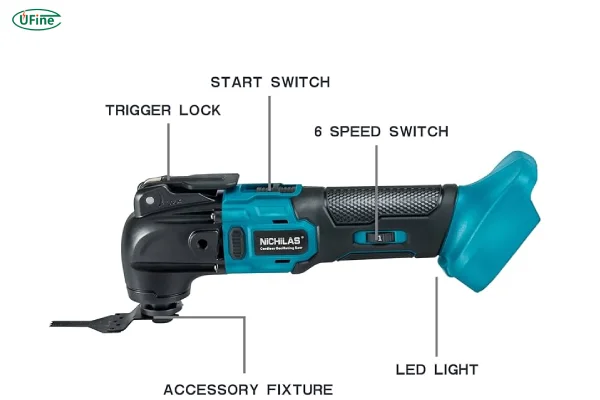
It all starts with stored energy. Your oscillating tool battery, usually a lithium-ion pack, sends electrical power to the tool’s motor. This motor converts the energy into rapid side-to-side movements—called oscillations.
These oscillations are super fast. Some tools reach 20,000 oscillations per minute (OPM) or more. The result? A blade, sanding pad, or scraper that can tackle just about anything.
The smoother and more stable the battery’s voltage, the better your tool will perform.
Part 2. Oscillating tool battery chemical types
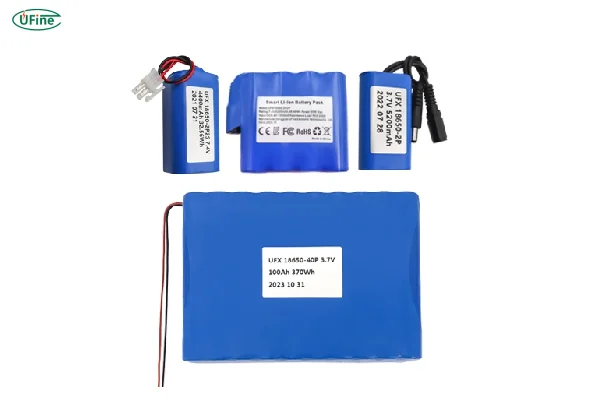
There are three main types of battery chemistries used in oscillating tools:
- Nickel-Cadmium (NiCd): Older and heavier. These are less common today and have memory issues.
- Nickel-Metal Hydride (NiMH): Slightly better but still outperformed by modern options.
- Lithium-Ion (Li-ion): The gold standard. Lightweight, powerful, and long-lasting. Nearly all modern oscillating tools use lithium-ion batteries.
Pro Tip: For the best results, choose high-quality lithium batteries. At Ufine Battery, we specialize in custom lithium battery solutions—including high-rate, high-temperature, and ultra-thin battery packs for all types of power tools.
Contact us today for expert support and high-performance custom lithium battery packs built for your tools, your projects, and your goals.
Part 3. Voltage classification
Voltage is crucial. It determines how powerful your tool is. Common voltages for oscillating tools include:
- 12V: Light-duty. Ideal for quick home jobs.
- 18V or 20V Max: More power. Great for pros or bigger DIY projects.
- 24V+: Rare but used in heavy-duty or high-demand environments.
Higher voltage means more cutting force and better performance with tougher materials. But remember—higher voltage can also mean more weight.
Part 4. How long can the oscillating tool battery last?
Battery life depends on many things:
- Battery capacity (Ah)
- Material you’re working with
- Oscillation speed
- Temperature
Typically, a fully charged 2.0Ah battery can run a multitool for 20–40 minutes under normal load. A larger 5.0Ah battery might last over an hour.
Still, real-life runtime varies. The more aggressive your tool use, the faster the battery drains.
Part 5. Battery voltage and power output: what you need to know
Here’s how voltage really matters:
- Higher voltage = more torque
- More torque = deeper cuts and tougher sanding
- Voltage affects OPM (oscillations per minute)
Let’s break it down:
VoltageUse CasePower Output12VLight repairsLower torque, longer runtime18VDaily tasksBalanced torque and speed20V+Heavy-dutyHigh torque, more aggressive use
Choose based on what you actually need. If you’re doing light trim work, a lower voltage might be enough.
Part 6. Battery capacity vs runtime: understanding Amp-Hours (Ah)
Amp-hours (Ah) measure how long a battery can run. More Ah = longer runtime.
But there’s a trade-off:
- High-capacity batteries (4.0Ah–6.0Ah) give you more working time. However, they’re heavier.
- Compact batteries (1.5Ah–2.0Ah) are lightweight, but you’ll need to recharge more often.
The key is balance. For longer jobs, go high-capacity. For tight spaces or overhead work, compact might be smarter.
Conversion of Watt Hour to Amp Hour (Wh to Ah)
Part 7. Charging time and charger compatibility
Charging time depends on battery size and charger quality:
- Standard chargers take 1–2 hours.
- Rapid chargers can refill in 30 minutes or less.
Using the wrong charger can:
- Overheat the battery
- Reduce battery life
- Void your warranty
Always use a charger that’s made for your tool brand—or consider a smart charger that auto-adjusts for safety.
Part 8. How battery quality affects tool longevity
Not all batteries are made equal. Cheap or low-quality packs may cause:
- Voltage drops that reduce performance
- Heat spikes that damage tool motors
- Shorter cycle life, meaning more frequent replacements
High-quality lithium batteries have:
- Stable voltage output
- Built-in protection circuits
- Better cooling systems
That’s why serious users go with trusted suppliers like Ufine Battery. We build custom lithium batteries using premium cells—ensuring stability, safety, and long-term reliability for demanding power tools.
Part 9. Choosing the right oscillating tool battery for the job
Think about your project needs:
- Light-duty? Go with 12V and compact batteries.
- Renovation or remodeling? Choose 18V–20V with higher Ah.
- Working overhead or in tight spots? A lighter battery reduces fatigue.
Also, look at your tool platform. Some brands use a universal battery system across multiple tools. That can save money and make your gear more flexible.
Part 10. Signs it’s time to replace your oscillating tool battery
Here’s how to know when your battery is failing:
- It drains much faster than before
- Takes longer to charge
- Feels hot or swollen
- Stops working with your tool
Don’t ignore these signs. A bad battery can damage your tool or even become unsafe.
Part 11. Maintenance tips for longer battery life
Want your battery to last longer? Try these habits:
- Store in a cool, dry place
- Avoid fully draining it every time
- Charge before storing long-term
- Clean contacts regularly
- Use the right charger
Taking good care of your battery means more jobs done—and less money spent on replacements.
Part 12. Final thoughts
The oscillating tool battery might seem small, but it plays a huge role in how well your multitool performs. From voltage to runtime, chemistry to compatibility—every detail matters.
Choosing the right battery means better results, longer tool life, and more efficient work. And when standard batteries don’t cut it, custom lithium solutions from Ufine Battery give you the edge.
Part 13. FAQs
Can I use my battery across different tools?
Yes, if the tools are part of the same battery platform or brand system.
What’s the best battery voltage for general use?
18V or 20V is ideal for most DIY and professional tasks.
Is it safe to leave batteries on the charger?
Most modern chargers stop charging automatically, but it’s best not to leave them plugged in overnight.
How often should I replace my battery?
Most lithium batteries last 2–3 years or 300–500 full charge cycles.
Can I get a custom battery made for my oscillating tool?
Yes! Ufine Battery offers custom lithium battery packs with your preferred voltage, size, and capacity. Perfect for unique tools or commercial use.
Related Tags:

More Articles
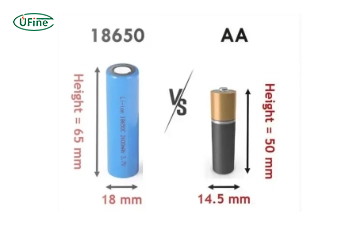
18650 Battery vs AA: Which Is Better for Your Device?
Compare 18650 vs AA batteries in capacity, voltage, rechargeability, and applications. Learn which battery type fits high-drain or everyday devices.
What is the Difference Between Battery Cell, Battery Control Module, and Battery Pack?
Compare battery cells, modules, and packs. Learn functions, design differences, control modules, and selection tips for EV, ESS, and industrial use.
How to Prevent LiPo Battery Explosion?
Can LiPo batteries explode or catch fire? Learn key causes of LiPo battery fires and proven charging, storage, and handling tips to reduce explosion risk.
Aluminium Ion Battery vs Lithium-Ion: A Detailed Comparison
Compare aluminium ion battery vs lithium-ion battery in energy density, charging speed, safety, cost, and uses. A practical guide for engineers and buyers.
C vs D vs AA Battery: Size, Voltage, Capacity & Key Differences Explained
Compare AA, C, and D batteries by size, voltage, capacity, and lifespan. Learn the real difference between C and D batteries and which one you should use.