- Key Takeaways
- Part 1. What are battery connectors?
- Part 2. What are cable connectors?
- Part 3. Battery vs cable connectors: What's the difference?
- Part 4. How to choose the right battery and cable connectors
- Part 5. Installation tips for reliable connections
- Part 6. Real applications of battery connectors
- Part 7. Battery connector types FAQs
Battery and cable connectors are critical in every power system. They directly affect safety, efficiency, and reliability. Whether you are designing lithium battery packs, sourcing components, or building devices, choosing the right connector matters.
This guide explains battery connector types, cable connectors, and selection methods. It focuses on real engineering decisions, not just definitions.
Key Takeaways
- Choosing the wrong battery connector can cause overheating, voltage drop, or failure.
- Connector selection must match current, voltage, and application environment.
- Different systems use different standards, such as XT connectors for LiPo batteries or JST for small electronics.
- Cable connectors affect not only power delivery but also signal integrity and system stability.
- For OEM projects, connector compatibility and supply stability are as important as performance.
Part 1. What are battery connectors?
Battery connectors are devices that link a battery to a load or system. They ensure stable power transfer and safe operation.
They are widely used in:
- Lithium battery packs
- Drones and RC devices
- Electric bikes and tools
- Medical and industrial electronics
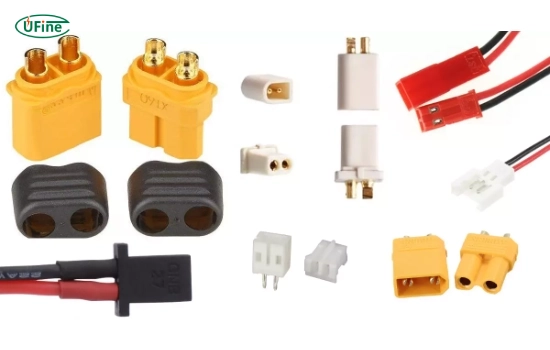
1 Common battery connector types
Understanding battery connector types helps you match the right connector to your system.
- Barrel Jack Connectors
- Used in low-power devices
- Common in adapters and consumer electronics
- Easy to use but limited current capacity
- XT Connectors (XT30, XT60, XT90)
- Popular in LiPo battery connectors
- High current capability
- Widely used in drones, RC cars, and e-bikes
- Deans (T-Plug) Connectors
- Compact and low resistance
- Suitable for high-performance RC systems
- Require soldering skills
- JST Connectors
- Designed for low-current applications
- Common in small lithium batteries and PCB connections
- Frequently used in IoT devices
- Anderson Powerpole Connectors
- Modular and scalable
- Used in industrial systems and backup power
- Support flexible configurations
👉 For a deeper breakdown, see: battery connector types explained
2 Why battery connectors matter
Battery connectors are not just physical links. They impact system safety and efficiency.
Key Functions
- Power Transfer: Ensure stable current flow
- Safety Protection: Reduce risk of short circuit and overheating
- System Compatibility: Match battery and device interface
Poor connections can lead to:
- Energy loss
- Heat buildup
- Fire risk in lithium systems
For safety standards, refer to guidelines from: UL certification standards
Part 2. What are cable connectors?
Cable connectors link cables to devices or to other cables. They are essential in both power and data systems.
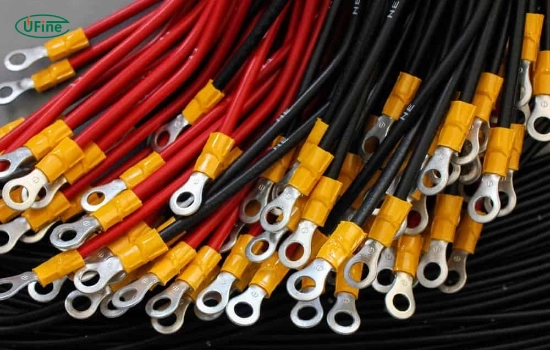
They are used in:
- Power distribution systems
- Communication networks
- Automotive and industrial wiring
Types of cable connectors
- Coaxial Connectors
- Used for RF and signal transmission
- Includes BNC, F-type, and N-type
- Common in communication systems
- Twisted Pair Connectors (RJ45)
- Used in Ethernet and networking
- Support high-speed data transmission
- Standard in IT infrastructure
- Fiber Optic Connectors
- Used for high-speed data systems
- Types include SC, LC, ST
- Provide low signal loss over long distance
Part 3. Battery vs cable connectors: What’s the difference?
| Feature | Battery Connectors | Cable Connectors |
|---|---|---|
| Function | Power delivery | Power + signal |
| Typical Use | Batteries to devices | Cable-to-cable or device |
| Current Handling | High (in many cases) | Depends on type |
| Examples | XT60, JST | RJ45, BNC |
In short:
- Battery connectors focus on power
- Cable connectors handle both power and data
Part 4. How to choose the right battery and cable connectors
Choosing connectors is a key engineering decision. It directly affects performance and reliability.
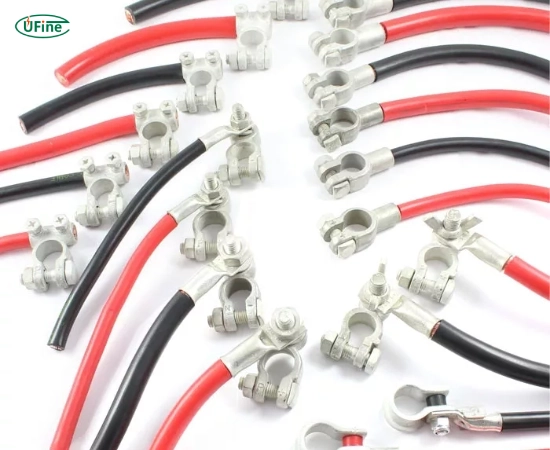
1 Battery connector selection
When selecting lithium battery connector types, consider:
- Current Rating
- Match connector to peak current
- Add safety margin (20–30%)
- Voltage Rating
- Ensure insulation meets system voltage
- Critical for high-voltage battery packs
- Mechanical Fit
- Must match battery terminals and housing
- Important in compact devices like laptops
- Contact Material
- Copper or gold-plated contacts preferred
- Lower resistance, better durability
- Application Environment
- Vibration (e.g., EVs)
- Temperature (industrial use)
- Moisture (outdoor systems)
👉 Example: laptop battery connector types are often custom and space-limited
2 Cable connector selection
For battery and cable connectors, consider:
- Cable Type Compatibility
- Coaxial vs twisted pair vs fiber
- Incorrect match leads to signal loss
- Data vs Power Needs
- High-speed data requires shielding
- Power cables require thicker conductors
- Installation Method
- Crimp, solder, or plug-and-play
- Affects maintenance and cost
- Durability
- Industrial connectors need higher IP rating
- Consider lifecycle (plug/unplug cycles)
Part 5. Installation tips for reliable connections
Correct installation ensures long-term stability.
Best Practices
- Clean terminals before connection
- Use proper crimping or soldering tools
- Check polarity (especially lithium batteries)
- Test connection after installation
Common Mistakes to Avoid
- Using incompatible connectors
- Exceeding current rating
- Ignoring corrosion or wear
- Poor crimping quality
Part 6. Real applications of battery connectors
| Application | Common Connector Type |
|---|---|
| Drones / RC | XT60, XT90 |
| Small electronics | JST |
| Industrial systems | Anderson Powerpole |
| Laptop batteries | Custom compact connectors |
| EV / e-bike | High-current XT or proprietary |
Part 7. Battery connector types FAQs
What are the different types of battery connectors?
Common types include XT connectors, JST, Deans, barrel jacks, and Anderson connectors. Each serves different current and application needs.
What are LiPo battery connector types?
LiPo batteries typically use XT30, XT60, XT90, and Deans connectors. These support high current and stable performance.
What are laptop battery connector types?
Laptop connectors are usually compact, custom-designed connectors. They focus on space efficiency and secure fit.
How do I choose the right battery connector?
Check current, voltage, size, and environment. Always choose a connector with a safety margin.
What are battery and cable connectors used for?
They connect power sources and devices. Battery connectors handle power, while cable connectors can handle both power and data.
Related Tags:

More Articles
Dead Battery or Device Failure? How to Find the Cause
Think your device is broken? Learn how to tell if the problem comes from battery aging or hardware failure before replacing your electronics.
Why iPhone Duo Uses Two Batteries: The Engineering Behind Foldable Phone Power
Why do foldable phones need two batteries? Explore the engineering challenges behind iPhone Duo’s dual-battery architecture and future battery trends.
Solid-State Batteries: 3 Myths You Need to Know
Solid-state batteries promise safer EVs and longer range, but the reality is more complex. Discover the challenges behind this next-gen technology.
Battery Capacity vs Discharge Rate: The Choice Engineers Face
Higher capacity or higher discharge rate? Learn how to choose the right LiPo battery for longer runtime, stable power output, and better device performance.
Battery Cable Size Guide: Choose the Right Wire Fast
Not sure what battery cable size you need? Learn how to select the right wire gauge, terminal size, and cable for safer, more efficient battery systems.