- Key Takeaways
- Part 1. What are flat round batteries?
- Part 2. Types of flat round batteries
- Part 3. Why flat round batteries are so popular
- Part 4. Lithium vs other flat batteries
- Part 5. How to choose the right flat round battery
- Part 6. Typical applications of flat batteries
- Part 7. How long do flat round batteries last?
- Part 8. Are flat round batteries rechargeable?
- Part 9. Flat round battery safety and compliance
- Part 10. Where to buy flat round batteries
- Part 11. FAQs about flat round batteries
Flat round batteries—also called flat batteries, round batteries, circular batteries, or button cells—are widely used in compact electronics. Their thin, circular design makes them ideal for devices with limited space but strict power stability needs.
This guide explains flat battery types, performance differences, real-world applications, and how to choose the right option for engineering or procurement decisions.
Key Takeaways
- Flat round batteries are optimized for small, sealed devices with low to moderate power demand.
- Lithium flat batteries (e.g., CR series) offer the best lifespan and temperature performance.
- Silver oxide batteries provide stable voltage, ideal for precision electronics like watches.
- Alkaline flat batteries are cost-effective but have shorter life and lower stability.
- Battery selection should consider voltage stability, discharge rate, environment, and replacement cycle.
Part 1. What are flat round batteries?
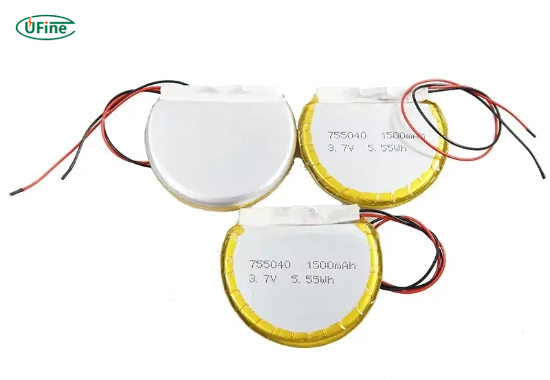
Flat round batteries are thin, circular energy storage cells designed for compact electronics. They are often referred to as:
- flat round batteries
- flat circle batteries
- tiny round batteries
- small circle batteries
- button cells
Compared to cylindrical batteries, they provide better space efficiency and easier integration into slim devices.
Key Characteristics
- Compact form factor: Ideal for ultra-thin products
- Long shelf life: Up to 5–10 years (lithium types)
- Multiple chemistries: Lithium, silver oxide, alkaline, zinc
- Stable output (depending on chemistry): Critical for precision electronics
👉 Related guide: Flat Batteries: Definitions, Types and Uses
Part 2. Types of flat round batteries
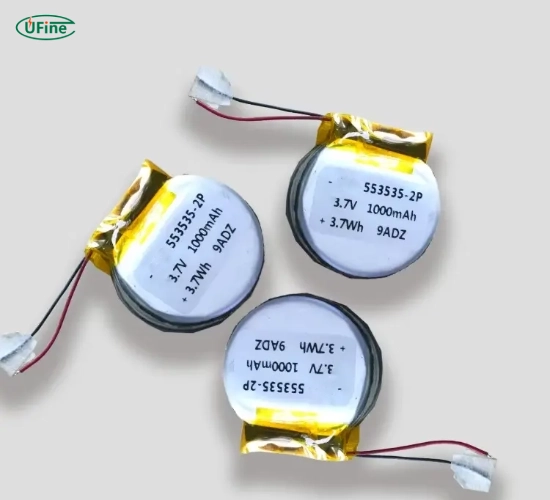
Different flat battery types are designed for specific load profiles and environments.
1 Lithium flat round batteries (cr series)
- High energy density
- Voltage: typically 3V
- Best for: key fobs, IoT devices, medical electronics
- Long lifespan
- Wide temperature range (-20°C to 60°C or higher)
- Low self-discharge
2 Silver oxide batteries (sr series)
- Stable voltage output (1.55V)
- Best for: watches, precision instruments
- High accuracy and consistency
- Better voltage stability than alkaline
3 Alkaline button cells (lr series)
- Low-cost option
- Best for: low-drain devices
- Widely available
- Shorter lifespan
- Voltage drops over time
4 Zinc carbon batteries
- Budget applications only
- Lower capacity and shorter life
- Cheapest option
- Poor performance in modern electronics
Part 3. Why flat round batteries are so popular
Flat round batteries dominate compact electronics due to design flexibility and reliability.
Key Reasons
- Enable miniaturization of devices
- Provide long standby power
- Support sealed, maintenance-free designs
Common Devices
- Watches and wearables
- Hearing aids and medical devices
- Car key fobs (CR2032, CR2025)
- Calculators and small electronics
- CMOS backup in computers
Part 4. Lithium vs other flat batteries
Performance comparison
| Feature | Lithium | Silver Oxide | Alkaline |
|---|---|---|---|
| Voltage | 3V | 1.55V | 1.5V |
| Energy Density | High | Medium | Low |
| Lifespan | Long | Medium-Long | Short |
| Temperature Range | Wide | Moderate | Narrow |
| Cost | Higher | Medium | Low |
Engineering insight
- Use lithium flat batteries for long-life and harsh environments
- Use silver oxide where voltage stability is critical
- Use alkaline only for cost-sensitive, low-drain use
Part 5. How to choose the right flat round battery
Selection should be based on application-specific constraints, not just size.
1. Voltage & power demand
- High-drain → lithium
- Precision electronics → silver oxide
2. Device lifecycle
- Long replacement cycle → lithium
- Short-term use → alkaline
3. Operating environment
- Extreme temperature → lithium
- Indoor stable use → any type
4. Form factor & standard codes
Common sizes include:
- CR2032 (most popular)
- CR2025
- LR44
- SR626
Part 6. Typical applications of flat batteries
| Application | Recommended Type |
|---|---|
| Watches | Silver oxide |
| Key fobs | Lithium |
| Medical devices | Lithium |
| Calculators | Alkaline |
| Sensors / IoT | Lithium |
Part 7. How long do flat round batteries last?
Battery life depends on chemistry + load profile.
Typical Lifespan
- Lithium: 3–10 years
- Silver oxide: 2–5 years
- Alkaline: 1–3 years
Key Influencing Factors
- Device power consumption
- Storage conditions
- Temperature exposure
Part 8. Are flat round batteries rechargeable?
Most flat round batteries are primary (non-rechargeable).
However:
- Rechargeable variants exist (Li-ion coin cells)
- Used in wearables, medical patches, IoT devices
⚠ Always verify compatibility before replacing with rechargeable types.
Part 9. Flat round battery safety and compliance
Flat batteries are safe when used correctly but require proper handling.
Key Safety Practices
- Keep away from children (ingestion risk)
- Avoid short circuits
- Do not mix old and new batteries
- Store in dry, moderate temperature conditions
Disposal Standards
Follow recognized guidelines such as:
EPA Battery Disposal Guidelines
Local recycling programs
Part 10. Where to buy flat round batteries
Common Sources
- Electronics distributors
- Online marketplaces
- Battery manufacturers (for bulk orders)
For OEM or custom projects, working with a manufacturer like Ufine Battery ensures:
- Custom sizes and chemistry
- Stable supply chain
- Engineering support
Part 11. FAQs about flat round batteries
What are flat round batteries used for?
They power compact devices like watches, key fobs, sensors, and medical electronics where space is limited.
What is the most common flat battery?
The CR2032 lithium battery is the most widely used flat round battery.
Are flat batteries and button cells the same?
Yes. Terms like flat batteries, round batteries, and button cells refer to the same category.
Which flat battery lasts the longest?
Lithium flat batteries last the longest due to higher energy density and low self-discharge.
Can flat round batteries leak or explode?
Yes, if damaged, overheated, or improperly stored. Always follow safe handling and disposal practices.
Related Tags:

More Articles

JST vs Molex: The Right Battery Connector Choice
JST or Molex for your battery? Learn how connector selection affects current, voltage drop, reliability, and device performance.
Custom Battery Pricing: Costs Manufacturers Don’t Mention
A low battery quote may not be the final cost. Discover common hidden expenses that affect custom lithium battery projects.
Battery Wire Length: Hidden Cause of Power Loss
A longer battery wire can cause voltage drop, power loss, and unstable operation. Learn how wire length affects battery performance.
How Device Sleep Modes Affect Battery Life
Think sleep mode extends battery life? Learn why devices still drain power and how firmware, hardware, and batteries affect runtime.
LiPo Battery and PCB Design: Clearance, Insulation, and Placement
Learn how to optimize LiPo battery PCB clearance, insulation, placement, wiring, and thermal design—and avoid common integration mistakes.