
- Part 1. Why cleaning solar panels matters
- Part 2. Best way to clean solar panels step by step
- Part 3. Tools you need to clean solar panels
- Part 4. How to clean solar panels from the ground
- Part 5. How to clean different types of dirt
- Part 6. What type of water should you use
- Part 7. When is the best time to clean solar panels
- Part 8. Diy vs professional solar panel cleaning
- Part 9. FAQs
Key takeaways
- Regular cleaning can improve solar efficiency by 5–20% depending on buildup
- The safest method uses water, soft tools, and gentle techniques
- Early morning or evening is the best time to clean
- Avoid pressure washers and harsh chemicals to prevent damage
- Cleaning from the ground is often safer and practical for many homes
Part 1. Why cleaning solar panels matters
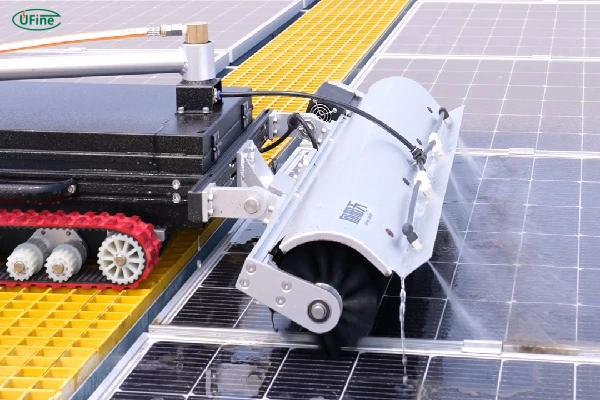
At first glance, a bit of dust may not seem like a big deal. But solar panels rely on direct sunlight hitting photovoltaic cells. Even a thin layer of dirt can block or scatter that light.
Over time, things like bird droppings, pollen, and pollution build up unevenly. This doesn’t just reduce output—it can create hot spots, where certain cells overheat due to partial shading. In extreme cases, that can shorten the lifespan of your panels.
In dry or dusty regions, the impact is even more noticeable. If you haven’t cleaned your panels in months, there’s a good chance they’re underperforming without you realizing it.
Part 2. Best way to clean solar panels step by step
You don’t need fancy equipment, but you do need to be careful.
Start by turning off your solar system if your setup allows it. This reduces any minimal electrical risk and is generally considered best practice.
Next, choose the right time. Early morning or late afternoon is ideal. Panels are cooler, which helps avoid thermal stress when water hits the surface.
Then, gently rinse the panels with water. A regular garden hose works fine. The goal here is to loosen dust and debris, not blast it off.
After that, use a soft brush or sponge to clean the surface. Think of it like washing a car—you want to remove dirt without scratching the glass. Microfiber materials work particularly well.
Finally, let the panels air dry. If you’re in a hard water area, you might want to wipe them dry to prevent mineral spots.
Part 3. Tools you need to clean solar panels
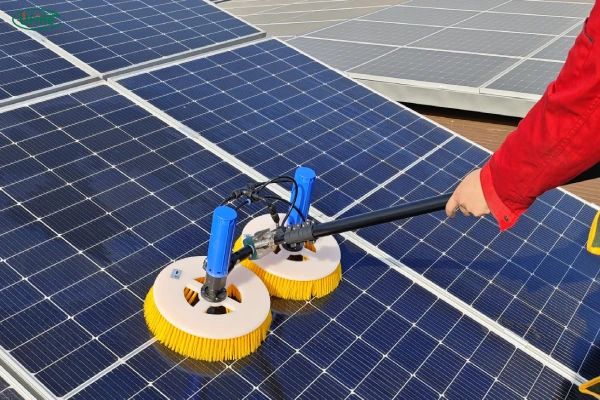
You don’t need a professional setup, but using the right tools makes a big difference—not just for results, but for safety.
| Tool | Why it matters |
|---|---|
| Soft brush or sponge | Prevents scratching the panel surface |
| Garden hose | Provides gentle water flow |
| Microfiber cloth | Helps avoid streaks and residue |
| Extension pole | Allows ground-level cleaning |
If your panels are hard to reach, a telescopic pole is especially useful. It lets you clean effectively without climbing onto the roof.
Part 4. How to clean solar panels from the ground
If you’re not comfortable climbing up, you’re making the right call. Cleaning from the ground is often the safest option.
With an extension pole and a soft brush attachment, you can reach most residential panels. Combine that with a steady stream of water, and you can remove the majority of dirt without ever leaving the ground.
Of course, there are limitations. Heavily soiled areas or stubborn stains may require closer access. But for routine maintenance, this method works surprisingly well.
Part 5. How to clean different types of dirt
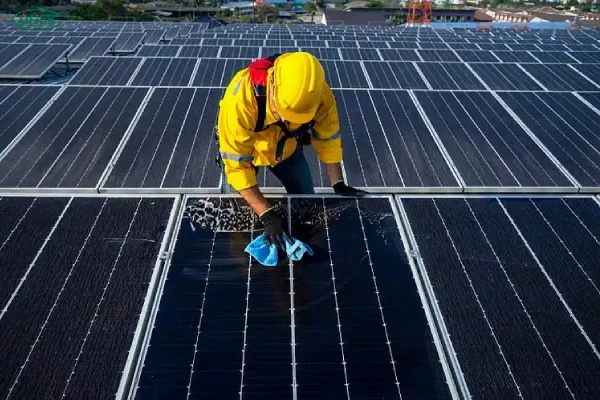
Not all dirt behaves the same, and treating everything the same way can lead to frustration—or damage.
Dust and sand are usually easy. A simple rinse often removes them completely.
Bird droppings are more stubborn. It helps to let water soak the area for a few minutes before gently wiping it away.
Pollen can create a sticky film, especially in spring. In that case, a soft brush combined with water works best.
Leaves and debris should be removed by hand first, before rinsing.
Hard water stains are trickier. If you notice spots after drying, switching to distilled water can make a noticeable difference.
Part 6. What type of water should you use
Tap water is fine in most cases. However, if your area has hard water (high mineral content), it can leave behind white spots after drying. These don’t usually damage panels, but they can slightly reduce efficiency and look unsightly.
If you want a cleaner finish, especially for long-term maintenance, using deionized or distilled water is a better option.
Part 7. When is the best time to clean solar panels
Timing isn’t just about convenience—it directly affects safety and results.
Cleaning during the middle of the day might seem efficient, but panels can get extremely hot. Pouring cold water on a hot surface can cause thermal stress, which may lead to microcracks over time.
That’s why early morning, evening, or even cloudy days are ideal. The panels are cooler, and water evaporates more slowly, reducing streaks.
How to know if your panels need cleaning
Sometimes the signs are obvious—visible dirt, bird droppings, or debris.
Other times, it’s more subtle. A gradual drop in energy production, especially during sunny periods, can indicate buildup on the panels.
If you’re tracking your system output, even small changes can give you useful clues.
How often should you clean solar panels
There’s no one-size-fits-all answer—it depends heavily on your environment.
EnvironmentRecommended frequencyDusty / desert areasEvery 1–2 monthsUrban / suburbanEvery 6 monthsRainy climatesOnce or twice a year
If you notice a drop in energy output or visible dirt buildup, that’s a good signal it’s time to clean.
Part 8. Diy vs professional solar panel cleaning
Some people prefer to handle everything themselves. Others would rather leave it to professionals. Both options have their place.
DIY cleaning is cost-effective and works well for smaller or easily accessible systems. However, it comes with safety risks—especially on steep roofs.
Professional cleaning services, on the other hand, use specialized equipment and can handle large or complex installations more efficiently. The cost typically ranges from $100 to $300 depending on system size and location.
If safety is a concern, hiring professionals is often the better investment.
For safety considerations, organizations like Occupational Safety and Health Administration (OSHA) (nofollow) provide general guidelines on working at heights.
Part 9. FAQs
1. Do solar panels get damaged easily during cleaning?
Not easily, but improper tools or high pressure can cause scratches or damage seals. Gentle cleaning methods are key.
2. Is it okay to use a squeegee on solar panels?
Yes, a soft rubber squeegee can help remove excess water and prevent streaks, especially in areas with hard water.
3. Can cleaning solar panels improve battery performance?
Indirectly, yes. Cleaner panels generate more electricity, which can improve overall system efficiency, including energy storage performance.
4. Should I clean solar panels after a storm?
It’s a good idea to check them. Storms can leave debris, mud, or residue that may block sunlight and reduce efficiency.
5. Are there automated systems for cleaning solar panels?
Yes, some systems use robotic cleaners or water-fed automation, mainly for large-scale or commercial solar installations.
Related Tags:

More Articles

Lithium Manganese Batteries: A Comprehensive Guide
Learn how lithium manganese oxide (LMO) batteries work, their advantages, applications, lifespan, and how they compare with LFP and NMC batteries.
Battery Tab: Types, Manufacturing Processes, and Applications
What is a battery tab? Learn about battery tab materials, lithium battery tabs, welding methods, manufacturing processes, and common applications.
Watts to Amps: Complete Guide with Formulas, Calculations, and Common Mistakes
Learn how to convert watts to amps using DC, AC, and three-phase formulas. Includes conversion examples, charts, power factor tips, and common mistakes.
What is an RC Battery? A Comprehensive Guide
Learn what an RC battery is, RC battery types, voltage, mAh, C rating, charging, safety tips, and how to choose the right battery for RC vehicles.
Lithium-Ion Batteries: The Difference Between Voltage and Amperage
Learn the difference between voltage and amperage in lithium-ion batteries. Discover how volts and amps affect battery performance, charging, power, and safety.


