- Part 1. Key takeaways (quick summary)
- Part 2. Why your smoke detector battery choice matters
- Part 3. Understanding battery requirements for smoke detectors
- Part 4. Smoke detector battery comparison chart
- Part 5. Recommended best batteries for smoke detectors (2026)
- Part 6. Bulk purchasing options for smoke detector batteries
- Part 7. FAQs about smoke detector batteries
- Part 8. Final key takeaways
Smoke Detector Battery Guide 2026: Top 10 Best Batteries for Smoke Detectors in 2026
Quick Answer: The best batteries for smoke detectors are long-lasting 9V lithium or high-quality alkaline batteries. For maximum reliability and minimal maintenance, sealed 10-year lithium 9V batteries (such as First Alert) are the safest choice. This 2026 guide compares the best 9V batteries for smoke detectors, focusing on lifespan, voltage stability, and real-world alarm performance.
Choosing the best batteries for smoke detectors is not just about price—it directly affects fire safety, false alarms, and long-term reliability. Below, we evaluate the best batteries for smoke alarms used in residential and light commercial systems, covering both standard replaceable batteries and sealed long-life options.
Part 1. Key takeaways (quick summary)
- For maximum safety, sealed 10-year lithium 9V batteries are the longest-lasting and most reliable option.
- High-quality alkaline 9V batteries are acceptable but require annual replacement.
- Lithium batteries provide stable voltage output, reducing nuisance beeping and early low-battery alerts.
- Rechargeable batteries are not recommended unless explicitly approved by the smoke detector manufacturer.
- Always follow UL 217–compliant detector and battery recommendations.
Part 2. Why your smoke detector battery choice matters
According to the National Fire Protection Association (NFPA), nearly 3 out of 5 home fire deaths occur in properties without working smoke alarms. The most common failure point is a dead or improperly selected battery.
The best batteries for smoke detectors should deliver:
- Stable voltage to prevent false low-battery chirping
- Long service life (up to 10 years for lithium)
- Leak resistance to protect internal alarm circuitry
- Reliable operation across temperature extremes
Part 3. Understanding battery requirements for smoke detectors
Most residential smoke alarms use either 9V batteries or AA batteries. Always check your detector label or manual before selecting a battery.
Common battery types used in smoke alarms
- 9V Alkaline: Widely available, low cost, 1–2 years of service life.
- 9V Lithium (Sealed): 10-year lifespan, maintenance-free, highest reliability.
- AA Alkaline: Used in newer low-power detectors, typically replaced annually.
- Rechargeable (Li-ion): Generally not recommended due to voltage regulation issues.
Key technical specs to compare
- Voltage Stability: Lithium batteries maintain near-constant voltage until depletion.
- Operating Temperature: Lithium: −40°F to 140°F; Alkaline: 32°F to 120°F.
- Shelf Life: Lithium ≥10 years; Alkaline 5–7 years.
For a deeper technical breakdown, see our internal guide: Smoke Detector Batteries Comprehensive Guide.
Part 4. Smoke detector battery comparison chart
The table below compares popular options for those searching for the best 9 volt battery for smoke detector applications.
| Battery | Type | Key Features | Best For |
|---|---|---|---|
| Duracell Coppertop 9V | Alkaline | 5-year shelf life, Duralock tech | Standard smoke alarms, annual replacement |
| Energizer MAX 9V | Alkaline | Leak resistance, consistent performance | Reliable alkaline performance |
| Eveready Heavy-Duty 1222 | Carbon-zinc | Budget option, short-term use | Backup or temporary use |
| Rayovac High Energy 9V | Alkaline | Leak-proof design | Leak-sensitive applications |
| Panasonic 9V | Alkaline | Compact design, reliable power | Compact smoke alarm models |
| Amazon Basics 9V | Alkaline | Value option, 4-pack available | Budget-conscious users |
| First Alert Sealed Lithium | Lithium | 10-year life, UL 217 compliant | Maximum safety & maintenance-free |
| TENAVOLTS AA Lithium | Rechargeable Li-ion | Rechargeable, long cycle life | Only if manufacturer-approved |
| PKCELL 9V Carbon | Carbon-zinc | Low cost, basic performance | Low-power detectors |
| PILOCEL 9V Alkaline | Alkaline | Low self-discharge | Reliable alkaline alternative |
Part 5. Recommended best batteries for smoke detectors (2026)
1 Duracell Coppertop 9V alkaline battery
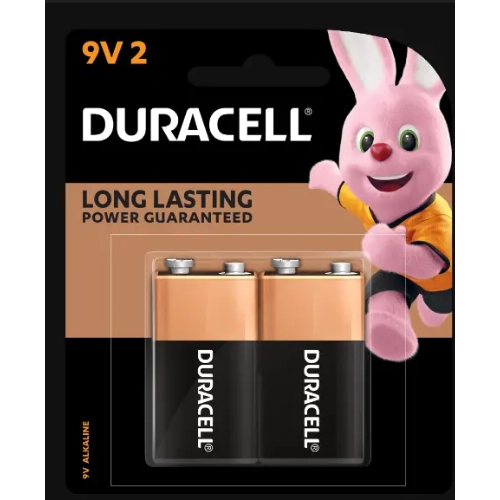
Battery Type: Alkaline 9V
Why it fits smoke detectors:
Duracell Coppertop provides stable alkaline output suitable for standard 9V smoke alarms. Its Duralock technology reduces self-discharge and leakage risk, which is critical for alarms installed in ceilings or hard-to-access locations.
Best use case:
A reliable choice for homeowners following annual battery replacement schedules and looking for a widely compatible, easy-to-find option.
2 Energizer MAX 9V alkaline battery
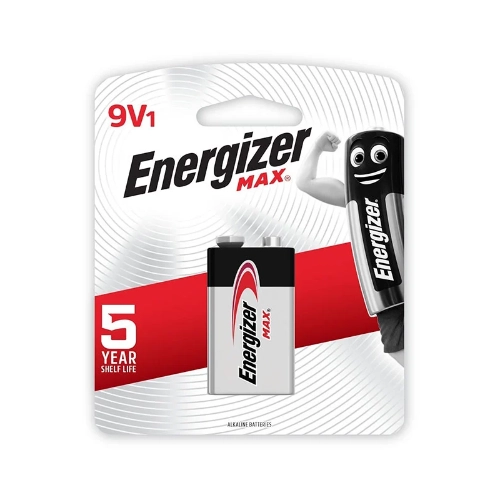
Battery Type: Alkaline 9V
Why it fits smoke detectors:
Energizer MAX batteries are known for consistent voltage delivery and leak-resistant construction. This helps prevent nuisance low-battery chirps caused by early voltage drop.
Best use case:
Ideal for residential smoke detectors where dependable alkaline performance is required without switching to lithium.
3 Eveready Heavy-Duty 1222 9V battery
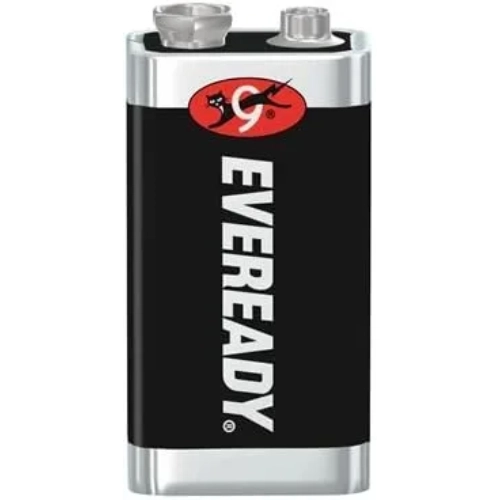
Battery Type: Carbon Zinc 9V
Why it fits smoke detectors:
Carbon zinc batteries provide basic power output for low-drain devices like smoke alarms, but with shorter service life and less voltage stability than alkaline or lithium.
Best use case:
Best suited for temporary installations, bulk replacement programs, or backup alarms where cost control is prioritized over longevity.
4 Rayovac High Energy 9V battery
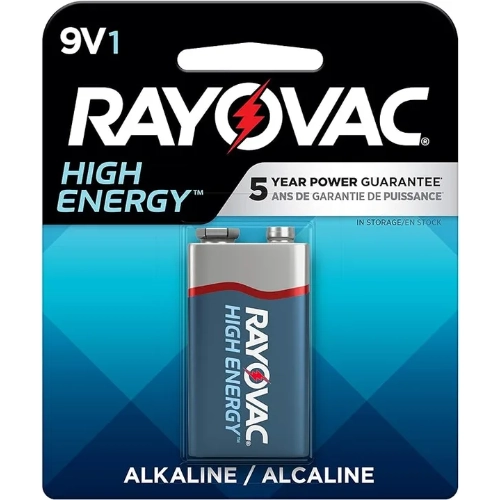
Battery Type: Alkaline 9V
Why it fits smoke detectors:
Rayovac High Energy batteries are designed with enhanced leak protection and steady discharge characteristics, reducing the risk of corrosion inside smoke alarm terminals.
Best use case:
A solid mid-range option for homes with multiple alarms that need dependable alkaline batteries at a competitive price.
5 Panasonic 9V alkaline battery
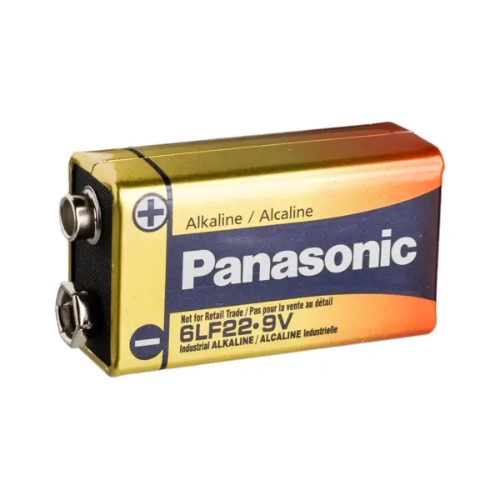
Battery Type: Alkaline 9V
Why it fits smoke detectors:
Panasonic 9V batteries offer consistent manufacturing quality and compact dimensions, ensuring good contact stability inside smoke alarm battery compartments.
Best use case:
Recommended for compact or older smoke detector models with tighter battery housings.
6 Amazon Basics 9V alkaline batteries
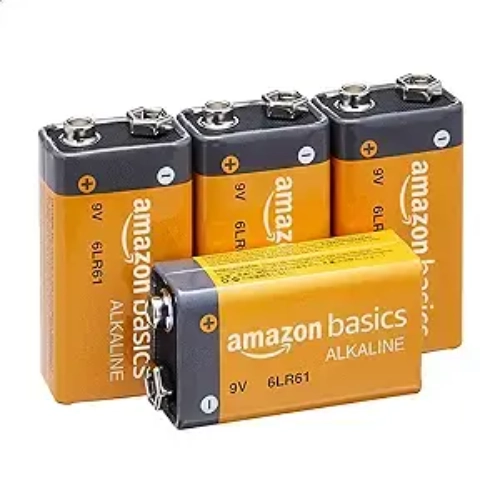
Battery Type: Alkaline 9V
Why it fits smoke detectors:
These batteries meet standard 9V alkaline specifications and provide acceptable performance for smoke alarms when replaced on schedule.
Best use case:
A cost-effective solution for households managing multiple smoke detectors and performing routine yearly replacements.
7 First Alert Precision Detection sealed lithium 9V battery
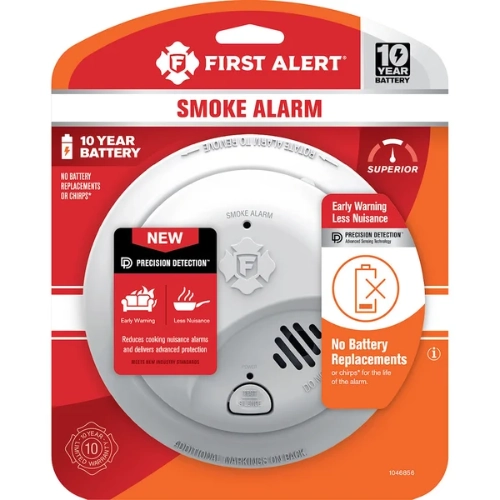
Battery Type: Sealed Lithium 9V
Why it fits smoke detectors:
Sealed lithium batteries deliver a stable 9V output for up to 10 years and eliminate user replacement errors. They comply with UL 217 8th Edition requirements for modern smoke alarms.
Best use case:
The best choice for homeowners seeking the longest lasting 9V battery for smoke detectors with zero maintenance.
8 TENAVOLTS rechargeable AA lithium battery
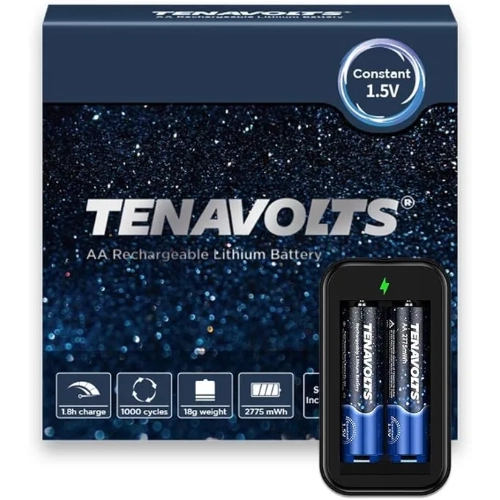
Battery Type: Lithium-ion (Rechargeable AA)
Why it fits smoke detectors:
TENAVOLTS batteries regulate output to 1.5V, which may work in certain AA-powered smoke detectors, but rechargeables are not universally supported.
Best use case:
Only suitable if the smoke detector manufacturer explicitly approves rechargeable batteries.
9 PKCELL 9V carbon battery
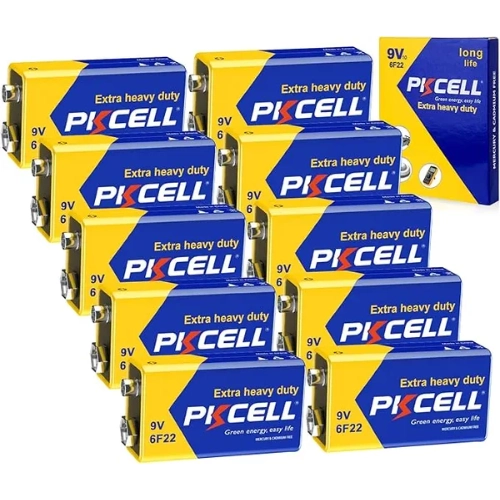
Battery Type: Zinc Carbon 9V
Why it fits smoke detectors:
Designed for low-drain applications, PKCELL carbon batteries offer basic functionality with improved sealing compared to older carbon-zinc designs.
Best use case:
Suitable for low-cost smoke alarms or bulk procurement scenarios where frequent replacement is acceptable.
10 PILOCEL 9V alkaline battery
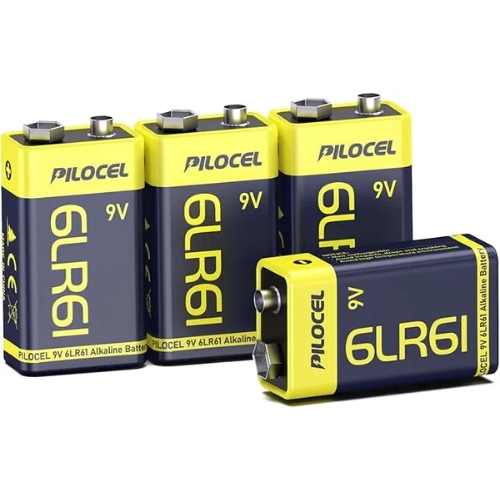
Battery Type: Alkaline 9V
Why it fits smoke detectors:
PILOCEL batteries feature low self-discharge and double-sealed construction, helping maintain usable voltage during long standby periods.
Best use case:
A practical option for smoke detectors, alarm systems, and safety devices requiring stable long-term storage performance.
Part 6. Bulk purchasing options for smoke detector batteries
For property managers, installers, or distributors looking to buy 9V batteries for smoke alarms in volume, evaluate:
- Battery chemistry (alkaline vs lithium)
- Compliance with UL and local fire codes
- Shelf life and packaging date
Ufine Battery supports customized lithium battery solutions for industrial and safety applications with flexible MOQ.
Part 7. FAQs about smoke detector batteries
Are lithium or alkaline batteries better for smoke detectors?
Lithium batteries are superior in lifespan, voltage stability, and temperature tolerance. Alkaline batteries are acceptable but require frequent replacement.
What is the longest-lasting 9V battery for smoke detectors?
Sealed lithium 9V batteries, such as First Alert models, last up to 10 years.
Can I use rechargeable batteries in smoke alarms?
Generally no. Rechargeable batteries may cause voltage instability unless explicitly approved by the manufacturer.
How often should smoke detector batteries be replaced?
Alkaline: every 12 months. Lithium: up to 10 years. Test alarms monthly.
Part 8. Final key takeaways
- Sealed lithium 9V batteries are the safest and lowest-maintenance option for smoke detectors.
- Alkaline batteries remain common but require strict annual replacement.
- Stable voltage output is critical to prevent nuisance alarms and missed alerts.
- Always follow UL standards and manufacturer recommendations.
- Battery quality directly impacts smoke alarm reliability and household safety.
Ufine Battery provides premium smoke detector battery solutions including 10-year sealed lithium 9V batteries and high-quality alkaline options for residential, commercial, and industrial applications — ensuring compliance with UL standards and maximum fire safety.
Find A Solution NowRelated Tags:

More Articles

JST vs Molex: The Right Battery Connector Choice
JST or Molex for your battery? Learn how connector selection affects current, voltage drop, reliability, and device performance.
Custom Battery Pricing: Costs Manufacturers Don’t Mention
A low battery quote may not be the final cost. Discover common hidden expenses that affect custom lithium battery projects.
Battery Wire Length: Hidden Cause of Power Loss
A longer battery wire can cause voltage drop, power loss, and unstable operation. Learn how wire length affects battery performance.
How Device Sleep Modes Affect Battery Life
Think sleep mode extends battery life? Learn why devices still drain power and how firmware, hardware, and batteries affect runtime.
LiPo Battery and PCB Design: Clearance, Insulation, and Placement
Learn how to optimize LiPo battery PCB clearance, insulation, placement, wiring, and thermal design—and avoid common integration mistakes.