
When choosing a high-performance battery, many engineers and buyers ask: lihv vs lipo — what is the real difference, and which one should you use?
Both LiPo (Lithium Polymer) and LiHv (High Voltage Lithium Polymer) batteries are widely used in drones, RC models, and compact electronics. They look similar, but their voltage, performance, and charging requirements are not the same.
Understanding these differences helps you avoid compatibility issues and choose the right battery for your application.
Key Takeaways
- LiHv batteries operate at higher voltage (up to 4.35V/cell) than standard LiPo (4.2V/cell), giving more power output.
- LiPo batteries are more widely compatible and easier to manage in standard devices.
- LiHv batteries provide better performance and less voltage sag, ideal for high-load applications like drones.
- Charging requirements differ: LiHv needs a compatible charger, not all LiPo chargers support it.
- For cost-sensitive or general use, LiPo is often enough. For maximum performance, LiHv is the better option.
Part 1. What is a lipo battery?
A LiPo battery is a rechargeable lithium-ion battery that uses a polymer electrolyte instead of liquid electrolyte. This allows flexible shapes and lightweight designs.
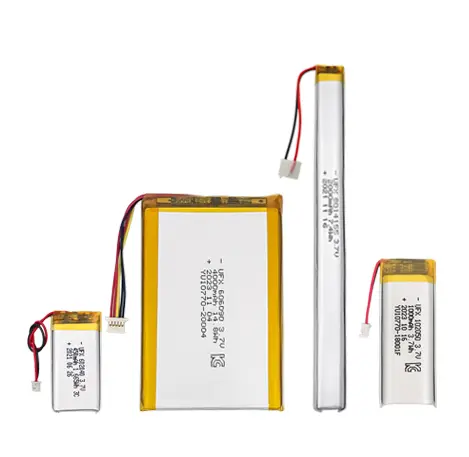
LiPo batteries are the industry standard for portable electronics and hobby applications.
LiPo Battery Pros
- High energy density for compact devices
- Lightweight, ideal for drones and RC
- High discharge rates (high C-rating)
- Flexible form factors for custom designs
- No memory effect
LiPo Battery Limitations
- Sensitive to overcharge and over-discharge
- Risk of swelling if misused
- Requires proper storage (temperature and voltage)
- Moderate cycle life (typically 300–500 cycles)
👉 Learn more about lithium battery basics in our guide on LiHv battery technology.
Part 2. What is a lihv battery?
A LiHv battery (High Voltage LiPo) is an improved version of LiPo. It is designed to operate at higher maximum voltage per cell.
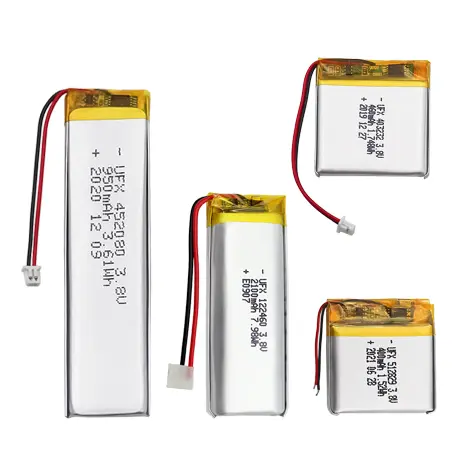
Typical voltage comparison:
- LiPo: 3.7V nominal / 4.2V full charge
- LiHv: 3.8V nominal / 4.35V full charge
LiHv Battery Advantages
- Higher voltage = more power output
- Better voltage stability under load
- Reduced voltage sag in high-current applications
- Often longer usable cycle life in optimized systems
LiHv Battery Considerations
- Higher cost than standard LiPo
- Requires LiHv-compatible charger
- Not all devices support higher voltage
Part 3. Lihv vs lipo: key differences
Voltage and Performance
The biggest difference in lipo vs lihv is voltage.
| Parameter | LiPo Battery | LiHv Battery |
|---|---|---|
| Nominal Voltage | 3.7V | 3.8V |
| Max Charge Voltage | 4.2V | 4.35V |
| Output Power | Standard | Higher |
👉 Higher voltage means more RPM in motors and stronger output in drones and RC systems.
Energy Density
LiHv batteries usually provide slightly higher energy density, which helps in:
- Longer runtime
- Better power-to-weight ratio
Charging Requirements
This is critical in lihv battery vs lipo selection:
- LiPo charger → 4.2V limit
- LiHv charger → 4.35V support required
Using the wrong charger may cause undercharging or safety risks.
For safety standards, refer to UL battery safety guidelines.
Internal Resistance and Power Delivery
LiHv batteries typically have:
- Lower internal resistance
- Better high-current performance
This makes them ideal for:
- Racing drones
- High-performance RC cars
Safety and Stability
Both batteries require proper handling, but:
- LiHv offers better voltage stability
- LiPo is more forgiving in standard applications
For transport and safety testing, see our guide on UN38.3 lithium battery testing.
Cost and Availability
- LiPo: widely available and lower cost
- LiHv: higher cost, more specialized
Part 4. Application-based selection guide (lipo vs lihv battery)
| Application | Recommended Battery | Reason |
|---|---|---|
| Consumer electronics | LiPo | Stable, cost-effective |
| RC cars (general) | LiPo | Good balance |
| Racing drones | LiHv | Higher voltage = better speed |
| FPV drones | LiHv | Improved throttle response |
| Industrial custom devices | Depends | Based on voltage design |
👉 For custom battery solutions, see our 18650 lithium battery options.
Part 5. FAQs about lihv vs lipo
Can I use LiHv instead of LiPo?
Yes, but only if your device supports higher voltage. Otherwise, it may damage electronics.
Can I charge a LiHv battery with a LiPo charger?
Only if the charger has a LiHv mode. Standard LiPo chargers cannot fully charge LiHv safely.
What is the full voltage of a LiHv battery?
Up to 4.35V per cell, compared to 4.2V for LiPo.
Is LiHv better than LiPo?
It depends. For performance, LiHv is better. For compatibility and cost, LiPo is better.
Which battery lasts longer?
LiHv can last longer in optimized systems, but real lifespan depends on usage, temperature, and charging conditions.
Related Tags:

More Articles
Dead Battery or Device Failure? How to Find the Cause
Think your device is broken? Learn how to tell if the problem comes from battery aging or hardware failure before replacing your electronics.
Why iPhone Duo Uses Two Batteries: The Engineering Behind Foldable Phone Power
Why do foldable phones need two batteries? Explore the engineering challenges behind iPhone Duo’s dual-battery architecture and future battery trends.
Solid-State Batteries: 3 Myths You Need to Know
Solid-state batteries promise safer EVs and longer range, but the reality is more complex. Discover the challenges behind this next-gen technology.
Battery Capacity vs Discharge Rate: The Choice Engineers Face
Higher capacity or higher discharge rate? Learn how to choose the right LiPo battery for longer runtime, stable power output, and better device performance.
Battery Cable Size Guide: Choose the Right Wire Fast
Not sure what battery cable size you need? Learn how to select the right wire gauge, terminal size, and cable for safer, more efficient battery systems.


