- Part 1. Do dirt bikes have batteries?
- Part 2. Dirt bike battery types
- Part 3. Why CCA matters more than most riders think
- Part 4. Engine size and battery requirements
- Part 5. Common dirt bike battery problems
- Part 6. Lithium battery limitations you should know
- Part 7. Charging and charger
- Part 8. Care and maintenance tips
- Part 9. How to replace the dirt bike battery?
- Part 10. FAQs
Key takeaways
- Not all dirt bikes have batteries, and the answer depends on the starting system and engine type
- Lithium batteries are lighter and powerful, but they are not always the best choice in cold or low-use conditions
- The “best dirt bike battery” is not universal—it depends on engine size, riding style, and electrical system stability
- CCA, fitment, and charging compatibility matter more than most riders realize
- Many battery problems come from the bike’s charging system, not the battery itself
Part 1. Do dirt bikes have batteries?
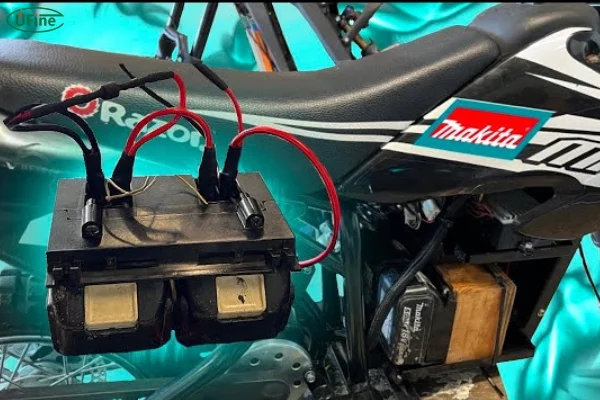
This is one of those questions that sounds simple, but the real answer is: it depends on the bike design.
If you’ve ever worked around different dirt bikes, you’ll notice two very different setups:
- Some dirt bikes rely purely on a kick-start system, meaning they technically don’t need a battery to run
- Others use an electric start system, which absolutely requires a battery to power the starter motor and sometimes the ignition system
Modern trail bikes and dual-sport models almost always include a battery because they also support lights, fuel injection, and electronic ignition. On the other hand, pure motocross bikes often prioritize weight savings, so they may skip the battery entirely.
So when people ask “do dirt bikes have batteries?” or “do all dirt bikes have batteries?”, the honest answer is:
Some do, some don’t—but most modern riding-focused bikes do.
1 Typical voltage
The typical voltage of a dirt bike battery depends on the bike’s electrical system. Most modern dirt bikes operate on a 12V system. This means the battery provides 12 volts of power to start the engine and run the electrical components like lights and indicators.
Some dirt bikes, especially older models, might have a 6V system, but these are less common today. Most high-performance and modern bikes use 12V batteries for better power and efficiency.
2 Typical capacity
When considering a dirt bike battery, another important factor to look at is its capacity. The capacity of a battery is typically measured in ampere-hours (Ah). For dirt bikes, the capacity usually ranges from 3 Ah to 10 Ah, depending on the type of bike and its electrical requirements.
- Smaller capacity (around 3 to 5 Ah): Suitable for smaller dirt bikes or bikes with fewer electrical components. These batteries are lighter but may not last as long in terms of power output.
- Larger capacity (around 7 to 10 Ah): Found in more powerful bikes with more electrical systems. These batteries provide longer-lasting power, especially for electric start systems and lights.
Why some dirt bikes don’t need a battery
To understand this properly, you need a bit of ignition system context.
Many older or race-oriented dirt bikes use a CDI (Capacitor Discharge Ignition) system. In this setup, the engine generates its own power through a stator, and the ignition doesn’t rely on a battery at all.
That’s why a bike can still run even if the battery is removed—because the engine itself is generating the spark energy.
However, once you add features like:
- electric start
- fuel injection
- LED lighting systems
…the system starts depending on stable electrical power, which is where a battery becomes necessary.
In short, the more “modern and convenient” the bike is, the more likely it needs a battery.
Part 2. Dirt bike battery types
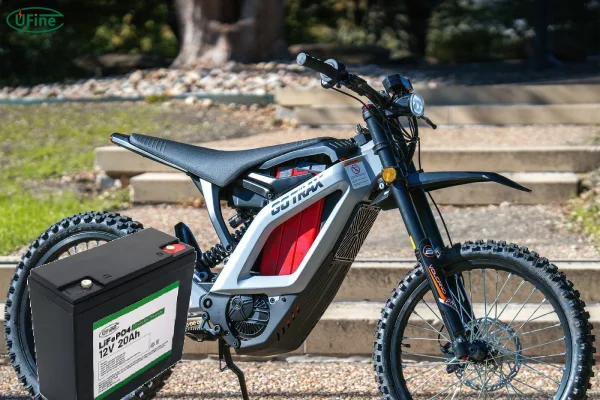
Now that we know dirt bikes usually need a battery, let’s dive into the different types. Generally, there are two main types of dirt bike batteries: lead-acid and lithium.
Lead-Acid Batteries
Lead-acid batteries are the traditional option for dirt bikes. These batteries have been around for a long time, and they’re still widely used in many dirt bikes today. Lead-acid batteries are reliable and affordable, making them a popular choice for many riders.
However, they can be heavier than their newer counterparts, and they require regular maintenance, like topping up the electrolyte levels. The typical lifespan of a lead-acid battery is around 2 to 3 years.
Lithium Batteries
Lithium batteries are becoming increasingly popular in the dirt bike world due to their numerous advantages. They are much lighter than lead-acid batteries and tend to have a longer lifespan. Lithium batteries are also more efficient, providing a consistent voltage throughout their life cycle.
One of the best things about lithium batteries is that they require very little maintenance. However, they are more expensive upfront compared to lead-acid batteries. Despite the higher initial cost, many riders prefer lithium batteries for their performance benefits in the long run.
AGM VS Lithium VS Lead-Acid Battery: Comprehensive Comparison
| Battery type | Weight | Performance | Best use case |
|---|---|---|---|
| Lead-acid | Heavy | Reliable but basic | Budget bikes, occasional riders |
| AGM | Medium | Stable, maintenance-free | Everyday riders |
| Lithium | Very light | High performance, fast crank | Racing and performance setups |
At first glance, lithium seems like the obvious winner. But as you’ll see later, it’s not always that simple.
Part 3. Why CCA matters more than most riders think
Cold Cranking Amps (CCA) is one of the most misunderstood specs in the dirt bike world.
It basically tells you how much current the battery can deliver when starting the engine. Sounds simple, but here’s the nuance:
- Too low → weak starts or no start at all
- Too high → unnecessary size, cost, and sometimes fitment issues
Most riders assume “higher is better,” but that’s not always true.
A properly matched battery is far more important than an oversized one.
Part 4. Engine size and battery requirements
Different dirt bike categories have completely different electrical demands, even if they all use “12V batteries.”
| Bike type | Typical setup | Battery demand |
|---|---|---|
| 50–110cc pit bikes | simple ignition | low |
| 125–250cc trail bikes | mixed systems | medium |
| 250cc+ enduro/motocross | high compression engines | high CCA required |
| EFI-equipped bikes | ECU + fuel pump | stable voltage critical |
This is why copying “best battery lists” online often fails. A battery that works perfectly on a small trail bike may struggle badly on a high-compression 450cc engine.
Part 5. Common dirt bike battery problems
Interestingly, many “dead battery” situations are not actually battery failures.
Here are the most common real causes:
| Problem | Real cause |
|---|---|
| Battery dies quickly | weak charging system |
| New battery not working | wrong fitment or voltage mismatch |
| Electric start weak | low CCA or poor wiring connection |
| Battery keeps draining | parasitic drain or stator issue |
In other words, the battery is often blamed, but the root cause is usually the bike’s electrical system.
Part 6. Lithium battery limitations you should know
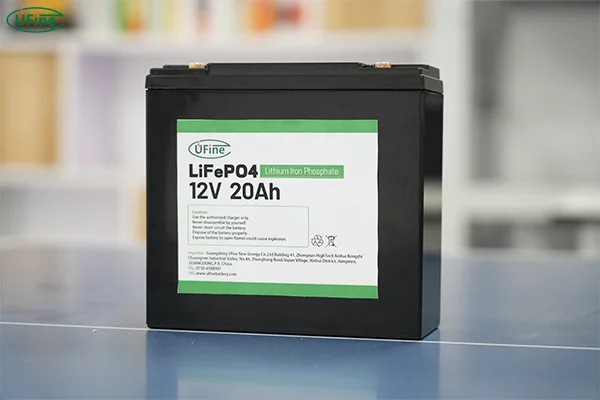
Lithium batteries are excellent, but not magic.
Here are real limitations riders experience:
- Cold weather performance drop
- Compatibility issues with older regulators
- BMS protection shutdown under stress
- Higher sensitivity to improper chargers
Part 7. Charging and charger
Proper charging and maintenance are essential for prolonging the life of your dirt bike battery. Here are some key tips for keeping your battery in top condition:
- Use the correct charger: Always use a charger that is specifically designed for your dirt bike battery. For lithium batteries, make sure you use a lithium-specific charger to prevent overcharging or damaging the battery.
- Avoid overcharging: Overcharging can significantly reduce the lifespan of your battery, so never leave the battery plugged in for too long.
- Charge regularly: If you don’t use your bike for extended periods, make sure to charge your battery every few weeks to prevent it from becoming deeply discharged.
Types of Chargers:
- Standard chargers: These are the most common types of chargers, and they work with both lead-acid and lithium batteries.
- Smart chargers: These chargers have built-in microprocessors that detect the battery’s status and adjust the charging rate accordingly, preventing overcharging.
- Trickle chargers: Trickle chargers are great for keeping your battery topped off if you’re storing the bike for an extended period.
Part 8. Care and maintenance tips
Here are some tips to ensure your dirt bike battery lasts longer:
- Keep it clean: Dirt and debris can accumulate on the battery terminals, which can cause poor contact and lead to performance issues. Clean the terminals with a wire brush regularly.
- Check the voltage: Keep an eye on your battery’s voltage. If it’s consistently lower than the recommended level, it might be time to replace it.
- Store properly: If you’re storing your bike for a long time, remove the battery and store it in a cool, dry place.
Part 9. How to replace the dirt bike battery?
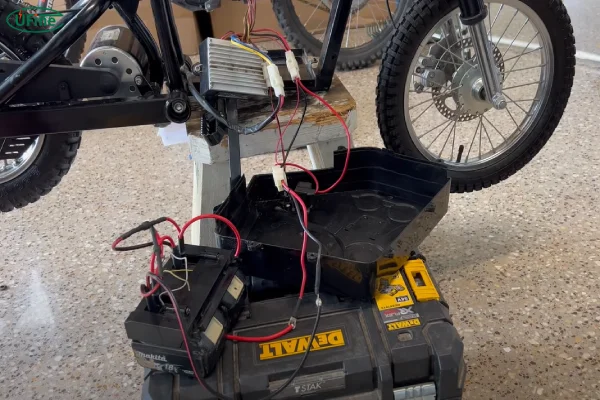
Replacing a dirt bike battery isn’t as complicated as it may seem. Here’s a step-by-step guide:
- Turn off the bike: Make sure the bike is completely off before starting the process.
- Locate the battery: Most dirt bike batteries are located under the seat or in the side compartment.
- Remove the old battery: Disconnect the negative terminal first, followed by the positive terminal. Then, remove any securing bolts or straps holding the battery in place.
- Install the new battery: Place the new battery in the compartment, securing it with straps. Connect the positive terminal first, followed by the negative terminal.
- Test the bike: Turn the bike on and ensure the battery is providing power to all systems.
Part 10. FAQs
1. Can you start a dirt bike without a battery?
Yes, some dirt bikes with kick-start systems and CDI ignition can run without a battery because the engine generates its own power for ignition.
2. What size battery does my dirt bike need?
It depends on your bike model. Most dirt bikes use 12V batteries, but physical size and CCA requirements vary depending on engine size and electrical load.
3. How long does a dirt bike battery usually last?
On average, a lead-acid or AGM battery lasts 2–4 years, while lithium batteries can last 5–8 years if properly maintained and charged.
4. Can I use a car battery in a dirt bike?
No, car batteries are too large, too heavy, and provide different discharge characteristics. They are not designed for vibration-heavy off-road conditions.
5. Why does my dirt bike struggle to start after sitting?
This is usually caused by slow battery discharge, fuel system issues, or reduced battery voltage from long storage periods without maintenance charging.
Related Tags:

More Articles

Understanding Battery Inverters: What They Are and How They Work
Learn what a battery inverter is, how battery and inverter systems work, inverter types, applications, sizing tips, and inverter battery selection.
The Ultimate Guide to Oscillating Tool Batteries
Not all replacement batteries are safe or compatible. Learn what really matters before choosing your next multi tool battery.
Why Do Microcurrent Devices Have Different Battery Life?
Find out why microcurrent facial device batteries vary so much—and how to choose the right one for better performance.
2026’s Top 10 1s LiPo Batteries You Should Know
Compare the best 1S LiPo batteries for drones, FPV, and RC. See real performance differences, battery life, and expert picks.
Graphite, Lead-Acid, Lithium Batteries: How to Choose for EV Two Wheelers?
Graphene vs lithium vs lead-acid explained in real EV use cases. Discover which battery actually performs best for electric scooters and e-bikes.