
- Part 1. Understanding the charging principle of lithium batteries
- Part 2. What is the fast charging battery?
- Part 3. The principle of fast charging batteries
- Part 4. What is the impact of fast charging on the battery?
- Part 5. Does fast charging damage batteries?
- Part 6. Different batteries handle fast charging differently
- Part 7. Factors that influence battery degradation
- Part 8. What is the impact of frequent charging on the life of lithium batteries?
- Part 9. Should I avoid using fast charging batteries?
- Part 10. FAQs
In our fast-paced world, where everyone is always on the go, waiting for hours to charge a device can be frustrating. Fast charging has emerged as the solution, promising to power up batteries quickly and get us back to using our devices in no time. However, this convenience often raises a key question: is fast charging harmful to lithium batteries? In this article, we’ll dive deep into the science behind lithium battery charging, how fast charging works, the potential impacts on battery health, and whether or not you should worry about using it regularly.
Part 1. Understanding the charging principle of lithium batteries
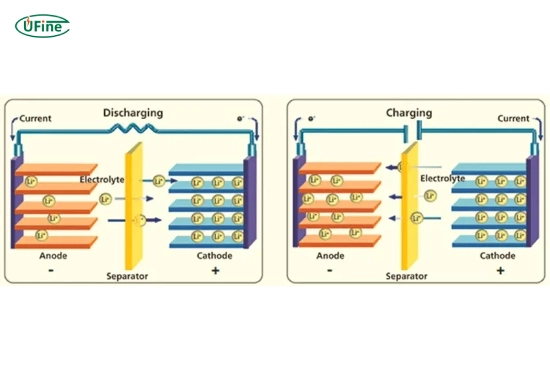
To understand the effects of fast charging, we first need to understand how these batteries charge in standard conditions. Charging a lithium-ion battery is a delicate process that involves moving lithium ions from one electrode to another.
How Lithium-Ion Charging Works
-
Basic Structure: A lithium-ion battery consists of two main electrodes—an anode (negative) and a cathode (positive)—separated by an electrolyte that allows ions to move back and forth. During charging, lithium ions move from the cathode to the anode, and during discharging, they return to the cathode, releasing energy to power the device.
-
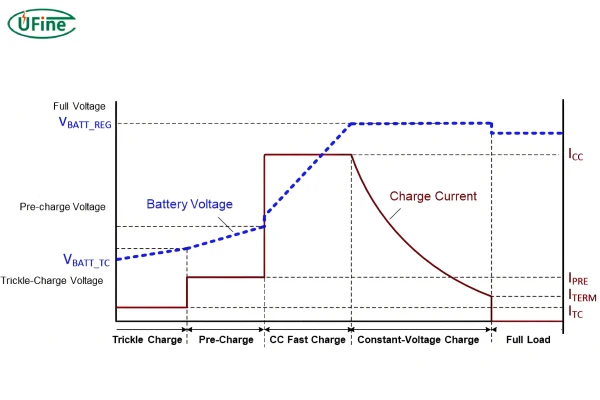
Constant Current Phase: Charging typically starts with a constant current (CC) phase, where a steady current is applied to the battery, gradually increasing its voltage until it reaches a specific level (usually around 4.2 volts for lithium-ion cells).
-
Constant Voltage Phase: Once the battery reaches this voltage, the charging enters a constant voltage (CV) phase. In this stage, the voltage remains stable, but the current slowly decreases as the battery nears full capacity. This phase is designed to avoid overcharging and to maximize battery safety.
-
Battery Management System (BMS): Most lithium-ion batteries are equipped with a Battery Management System (BMS), which monitors voltage, current, and temperature to optimize safety and efficiency. The BMS prevents the battery from overcharging, which can lead to overheating and potential degradation over time.
Fast Charging Technology and BMS for Lithium Batteries
This two-phase approach helps protect the battery’s structure, ensuring stable performance and extending battery lifespan.
Part 2. What is the fast charging battery?
Now, what exactly do we mean by “fast charging”? Typically, fast charging refers to charging that operates above the standard 1C rate, where “C” represents the battery’s capacity. For example, if a 1,000mAh battery charges at 1C, it takes one hour to charge fully at 1,000mA. Fast charging increases this rate, achieving 50% or even 80% capacity in under an hour.
What does C Mean in Batteries?
How Fast is Considered “Fast Charging”?
Fast charging generally refers to anything that charges a battery significantly faster than standard 1C. Different technologies, such as Qualcomm Quick Charge, USB Power Delivery (PD), and proprietary fast-charging systems from companies like Tesla or OnePlus, can charge batteries at rates from 1.5C to as high as 5C or more. This level of power delivery requires special chargers and a compatible device, and the faster the charging, the more complex the battery management needed to prevent damage.
Part 3. The principle of fast charging batteries
Fast charging a lithium battery works by delivering either higher current, increased voltage, or a combination of both. Let’s look at the main approaches:
High-Current Charging
Increasing the current during charging directly reduces the time required. However, high-current charging generates more heat, putting additional stress on the battery’s materials. Managing this heat is crucial, as excess heat can accelerate chemical reactions that lead to degradation.
Increased Voltage Charging
Another fast-charging approach involves raising the charging voltage, which increases the energy pumped into the battery within a given time. This method is generally controlled by the BMS to prevent over-voltage damage.
Pulse Charging and Dual-Cell Batteries
Some advanced fast-charging systems use pulse charging, where the current pulses on and off rapidly. This method reduces overheating and allows for faster charging with less stress on battery cells. Another design strategy is the use of dual-cell batteries, where two smaller cells charge simultaneously, effectively doubling the charging rate without requiring excessively high voltage or current.
Part 4. What is the impact of fast charging on the battery?
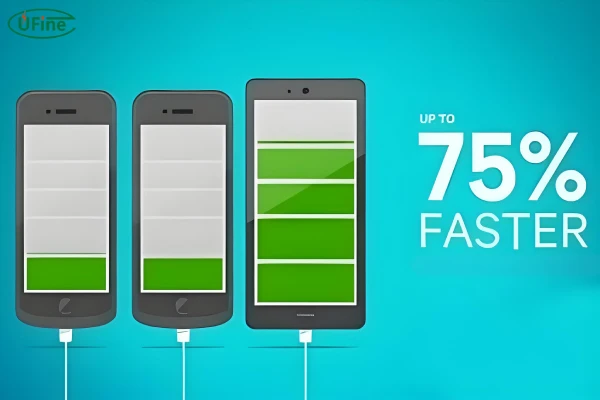
While fast charging is highly convenient, it comes with certain impacts on the battery’s health and lifespan. Here’s how fast charging can affect your battery:
Increased Heat Generation
One of the most significant impacts of fast charging is the extra heat generated. Charging at high currents or voltages creates heat as a byproduct. While batteries are built to handle some level of heat, consistently high temperatures can degrade the battery’s electrolyte and the anode-cathode materials, leading to reduced capacity over time.
Lithium Plating
At high charging speeds, there is a risk of lithium plating, where lithium ions accumulate on the anode’s surface instead of embedding properly. This phenomenon can cause a reduction in battery capacity and increase the risk of short circuits, impacting battery life and even posing safety risks in extreme cases.
Reduced Battery Capacity Over Time
Lithium-ion batteries have a finite number of charge cycles, usually between 300 to 500 full charges. Fast charging, due to its more intense current and temperature, may shorten the effective life of a battery by accelerating the wear on battery cells, leading to a faster loss of capacity.
Part 5. Does fast charging damage batteries?
Yes, but not in a catastrophic way if you use it wisely. Let’s break it down.
Chemical stress
Lithium-ion batteries rely on a delicate structure. High current can speed up SEI layer degradation (a protective film on the anode). If that layer wears down too quickly, your battery capacity declines faster.
Additionally, under certain conditions, lithium plating may occur. This is when lithium forms tiny crystals on the anode, which can reduce capacity and, in extreme cases, create safety risks.
Physical stress
Fast charging produces heat, and heat accelerates chemical reactions. Over time, repeated thermal stress can slightly shrink your battery’s lifespan. Plus, electrodes expand and contract faster under high currents, adding mechanical stress.
Part 6. Different batteries handle fast charging differently
Not all batteries are created equal. The type of battery in your device matters a lot when it comes to fast charging. Here’s a table comparing popular battery types:
| Battery Type | Fast Charge Tolerance | Notes |
|---|---|---|
| Li-ion (phones, laptops) | Moderate | Can handle 1C safely; heat accelerates wear |
| Li-Polymer | Moderate | Flexible, but overcurrent can be risky |
| LFP (Lithium Iron Phosphate) | High | Excellent thermal stability; ideal for EVs and power banks |
| EV NMC/NCA | High | Managed by BMS; frequent fast charging can slightly reduce capacity |
As you can see, LFP batteries are much more tolerant, which is why some modern smartphones and EVs are moving toward these chemistries.
Part 7. Factors that influence battery degradation
Even if you love fast charging, several factors affect how quickly your battery wears out:
- Temperature matters more than speed. Charging in a hot car can degrade your battery faster than fast charging itself.
- Charging cycles. Frequent small top-ups are often less harmful than full 0–100% cycles.
- SOC and battery chemistry. Avoid charging to 100% all the time; stopping at ~80% is gentler.
- Charging management. Modern devices intelligently reduce current at high SOC or temperature, preventing most damage.
Part 8. What is the impact of frequent charging on the life of lithium batteries?
Frequent charging, especially if done with fast chargers, can add strain to the battery. Here’s why:
-
More Frequent Cycles: Every time a battery charges, it completes a partial cycle. Frequent partial charging, especially when done at high speed, can accelerate wear, reducing overall lifespan.
-
Shallow Cycles vs. Deep Cycles: Lithium-ion batteries tend to perform best with moderate discharge cycles. Constantly topping off the battery without allowing it to discharge to a lower level can lead to reduced battery capacity over time.
Frequent charging with a fast charger amplifies these issues, potentially reducing the total lifespan of the battery. Balancing fast charging with regular charging can help maintain battery health over time.
Part 9. Should I avoid using fast charging batteries?
So, with all these potential downsides, should you avoid fast charging altogether? The answer depends on your specific needs and how you use your devices. Here are some best practices to help you use fast charging responsibly:
-
Use Fast Charging Sparingly: Limit fast charging to occasions when you genuinely need a quick power-up. Rely on slower charging when you have more time to extend your battery’s lifespan.
-
Avoid Fast Charging in Hot Conditions: Heat amplifies the wear and tear on your battery. Fast charge in cooler environments and avoid using the device heavily while it’s charging, as this adds to the heat load.
-
Choose High-Quality Chargers: Always use chargers and cables recommended by your device’s manufacturer. Cheap or off-brand fast chargers may not have adequate safeguards, potentially damaging the battery with inconsistent voltage or current levels.
-
Don’t Leave Devices Plugged in for Long: Try not to leave devices plugged into a fast charger for extended periods, as this could overcharge and stress the battery.
By balancing fast charging with regular, slow charging, you can get the best of both worlds—convenience and longer battery health.
Part 10. FAQs
1. How does battery temperature rise during fast charging affect lifespan?
When your battery heats up during fast charging, chemical reactions inside accelerate. Over time, this slightly reduces the number of charge cycles your battery can handle. If you often charge in hot environments, like a sun-exposed car or near a heater, the effect is stronger. You can minimize risk by charging in cooler conditions and removing phone cases that trap heat.
2. Are certain charging cables safer than others for fast charging?
Yes! Original or certified cables regulate current and prevent voltage spikes. Cheap or uncertified cables may let too much current through, increasing heat and stress on your battery. Using high-quality cables ensures your battery gets the fast charge it can safely handle.
3. Does fast charging impact older phones differently than newer ones?
Absolutely. Older phones often lack advanced charging controllers that modern devices have. Without smart SOC and temperature management, fast charging can cause more wear and slightly shorten battery lifespan. With newer devices, you can fast charge more confidently because they adjust current and voltage intelligently.
4. Can app usage during fast charging increase battery wear?
Yes, using power-hungry apps while charging generates extra heat. For example, gaming or streaming during a fast charge can push your battery temperature higher than normal, which accelerates aging. If you want to maximize battery life, it’s better to limit heavy usage during charging.
5. Do battery health monitoring apps actually help prevent fast charging damage?
They can, indirectly. Apps that show battery temperature, SOC trends, and charging habits give you insight into how your battery behaves. While they can’t physically stop damage, they help you adjust habits.
Related Tags:

More Articles
Buck vs. Boost vs. Buck-Boost Converter: Which Is Best for Battery?
Not sure which converter your battery-powered device needs? Compare Buck, Boost, and Buck-Boost designs and discover what affects voltage stability and runtime.
How to Match 18650 Cells for a Reliable Battery Pack?
Building an 18650 battery pack? Learn how to compare cell capacity, voltage, and internal resistance to avoid mismatches and improve reliability.
Why Do 18650 Battery Packs Get Hot During Discharge?
Is your 18650 battery pack overheating under load? Learn what causes excess heat, how to spot dangerous symptoms, and what to do next.
18650 Battery BMS: How to Get the Specs Right
Learn how to choose a BMS for an 18650 battery pack. Compare voltage, current ratings, protection features, and balancing before you buy.
Why Does My Ring Camera Battery Drain So Fast or Stop Charging?
Is your Ring camera battery draining fast or not charging? Discover common causes, practical fixes, and when to replace the battery.


