- Key Takeaways
- Part 1. What is a lightweight car battery?
- Part 2. Types of lightweight car batteries
- Part 3. How to choose the right lightweight car battery?
- Part 4. Top 10 Lightweight Car Battery Options for Enhanced Performance
- Part 5. How to install a lightweight car battery?
- Part 6. FAQs About lightweight car batteries
Lightweight car batteries reduce vehicle weight while maintaining reliable power, improving acceleration, fuel efficiency, and handling. This guide compares lithium-ion, LiFePO4, and AGM options, highlighting key specifications, applications, and performance to help engineers and drivers select the optimal battery for their vehicle.
Key Takeaways
- Replacing a conventional lead-acid battery with a lithium-based lightweight battery can reduce battery weight by up to 60% while maintaining or improving starting performance.
- LiFePO4 batteries offer the best balance of safety, cycle life, and thermal stability for automotive and performance applications.
- Cold Cranking Amps (CCA) and physical battery size remain the two non-negotiable constraints when upgrading to lightweight options.
- AGM batteries are a transitional solution—lighter than flooded lead-acid but significantly heavier than lithium alternatives.
- Correct battery selection improves not only starting reliability but also long-term electrical system stability.
Part 1. What is a lightweight car battery?
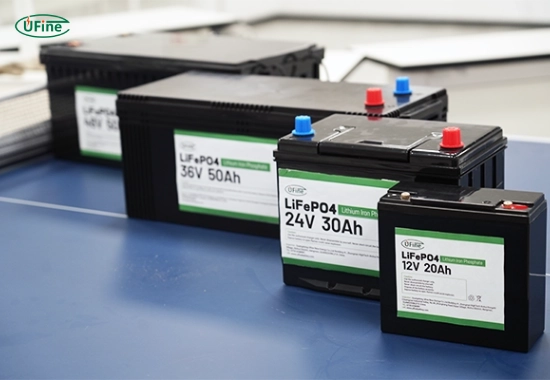
A lightweight car battery is designed to deliver required starting and accessory power while significantly reducing mass compared to traditional flooded lead-acid batteries. Most lightweight options rely on lithium-ion or lithium iron phosphate (LiFePO4) chemistries, though advanced AGM designs are also included.
From an engineering perspective, performance differences between lightweight batteries are largely determined by core lithium battery components, including cell chemistry, internal resistance, battery management systems (BMS), and thermal protection design rather than weight alone.
Core technical advantages
- Reduced Weight: Up to 50–70% lighter than conventional batteries.
- Higher Energy Efficiency: Lower internal resistance improves power delivery.
- Extended Cycle Life: Lithium batteries often exceed 2,000–5,000 cycles.
Why choose a lightweight car battery?
- Improved Fuel Economy: Less mass equals reduced energy demand.
- Enhanced Handling: Particularly noticeable in performance and sports vehicles.
- Installation Convenience: Easier handling and reduced injury risk.
Part 2. Types of lightweight car batteries
- Lithium-Ion Batteries: High energy density, fast charging, commonly used in motorsports.
- LiFePO4 Batteries: Superior thermal stability and safety; ideal for automotive starting.
- AGM Batteries: Maintenance-free lead-acid variant; heavier but cost-effective.
Part 3. How to choose the right lightweight car battery?
Size & Compatibility
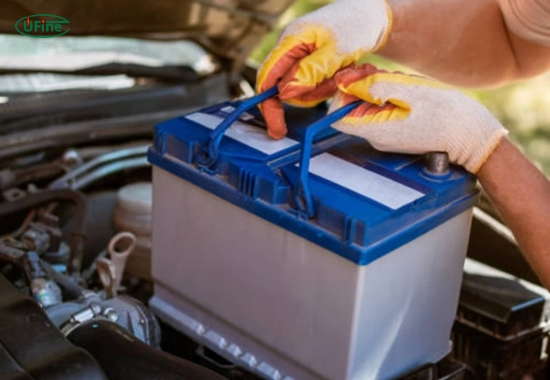
Always confirm BCI group size, terminal orientation, and mounting configuration using your owner’s manual or existing battery.
From a technical and compliance standpoint, lightweight car batteries should align with SAE automotive battery standards and recognized BCI group size classifications to ensure correct fitment, electrical compatibility, and safe operation across different vehicle platforms.
Weight vs Performance Tradeoff
Ultra-light lithium batteries excel in performance vehicles, while daily drivers may benefit from moderate-weight AGM upgrades.
Cold Cranking Amps (CCA)
CCA determines starting reliability in cold environments. For winter climates, prioritize batteries with verified CCA ratings.
Cycle Life & Longevity
Higher cycle life reduces replacement frequency and long-term cost.
Safety & Battery Management System (BMS)
Lithium batteries should always include an integrated BMS for overcharge, over-discharge, and thermal protection.
Part 4. Top 10 Lightweight Car Battery Options for Enhanced Performance
The following lightweight car batteries represent a mix of lithium and advanced AGM technologies. Each option is evaluated based on weight reduction, starting performance, durability, and real-world automotive suitability rather than marketing claims alone.
1 UFine 12V 100Ah LiFePO4 Battery
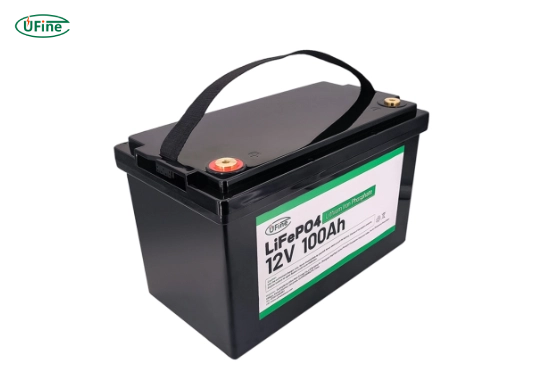
- Voltage: 12V
- Capacity: 100Ah
- Weight: 23.5 lbs (10.7 kg)
- Cycle Life: 2,000–5,000 cycles
This LiFePO4 battery is engineered for users who prioritize long cycle life, stable voltage output, and significant weight reduction. While its capacity exceeds typical starter battery needs, it is well suited for vehicles with auxiliary loads, performance builds, and hybrid automotive-power applications.
2 XingCell GD26 12V Group 24R LiFePO4 Car Battery
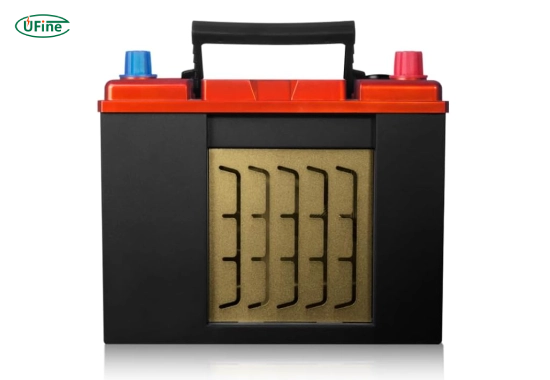
- Voltage: 12V
- Capacity: 75Ah
- Weight: 17.6 lbs (8 kg)
- Cold Cranking Amps: 900 CCA
Designed specifically for automotive starting, this battery combines lithium weight savings with high CCA output. It is suitable for drivers seeking fast engine starts without compromising cold-weather performance.
3 AOKLY 12V 6Ah LiFePO4 Rechargeable Battery
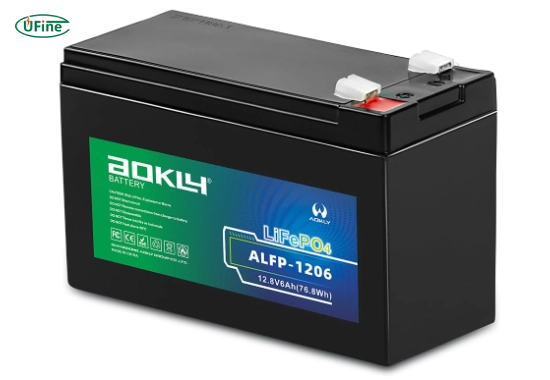
- Voltage: 12V
- Capacity: 6Ah
- Weight: 1.76 lbs (0.8 kg)
- Cycle Life: 4,000+ cycles
This ultra-compact LiFePO4 battery is intended for lightweight vehicles, auxiliary systems, or electronics rather than full-size passenger cars. Its value lies in extreme weight savings and long cycle life for low-current applications.
4 BCI Group 47 (H5) AGM Car Battery – 12V 60Ah
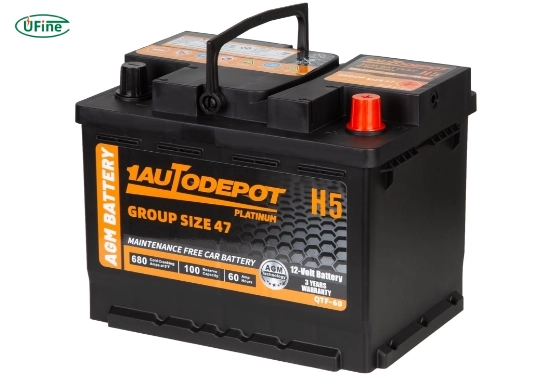
- Voltage: 12V
- Capacity: 60Ah
- Weight: 42 lbs (19 kg)
- Cold Cranking Amps: 680 CCA
This AGM battery offers a moderate weight reduction compared to flooded lead-acid designs while maintaining dependable cold-start performance. It is a practical upgrade for daily drivers not ready to transition to lithium.
5 ACDelco Gold 48AGM Battery
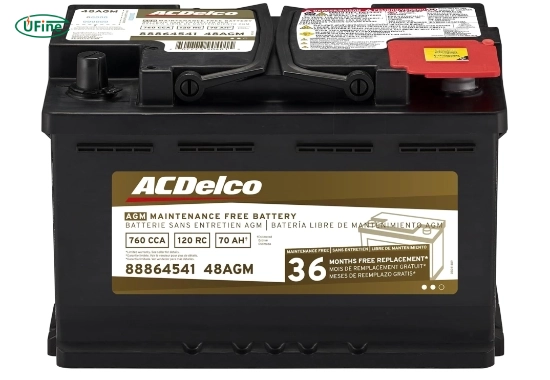
- Voltage: 12V
- Capacity: 70Ah
- Weight: 40.8 lbs (18.5 kg)
- Cold Cranking Amps: 760 CCA
Known for reliability and consistent quality control, this AGM battery suits drivers who want maintenance-free operation and predictable performance across a wide temperature range.
6 OPTIMA RedTop Group 35 Sealed AGM Battery
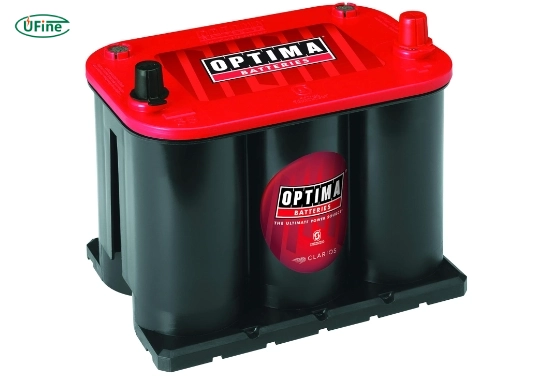
- Voltage: 12V
- Capacity: 50Ah
- Weight: 38.8 lbs (17.6 kg)
- Cold Cranking Amps: 720 CCA
OPTIMA’s spiral-cell design delivers high vibration resistance and fast starts. It is commonly selected for performance cars, trucks, and vehicles exposed to rough driving conditions.
7 TUCHONG 12V 7Ah LiFePO4 Lithium Battery
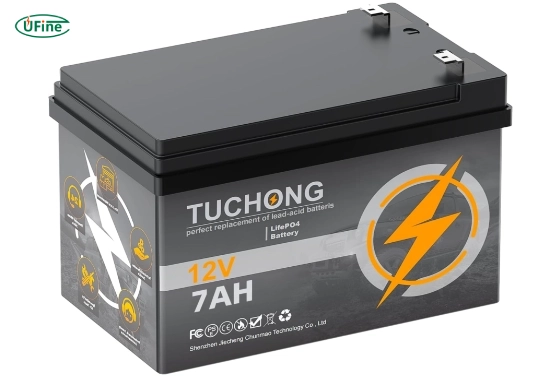
- Voltage: 12V
- Capacity: 7Ah
- Weight: 1.87 lbs (0.85 kg)
- Cycle Life: 5,000+ cycles
This battery targets compact vehicles, motorcycles, and auxiliary power roles. Its long cycle life and minimal weight make it unsuitable for high-displacement engines but ideal for lightweight systems.
8 Weize Platinum AGM Battery
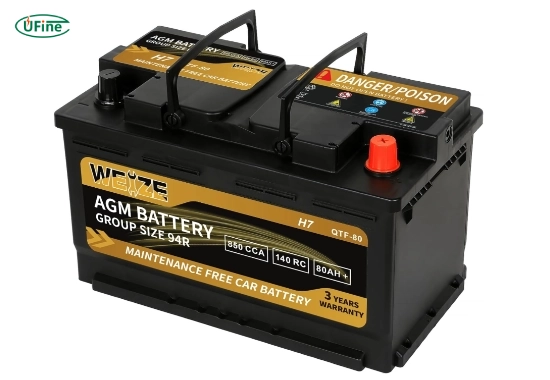
- Voltage: 12V
- Capacity: 80Ah
- Weight: 49 lbs (22.2 kg)
- Cold Cranking Amps: 850 CCA
With a strong emphasis on cold-start reliability, this AGM battery is suitable for larger vehicles and colder climates where CCA takes priority over weight savings.
9 UPLUS BCI Group 48 AGM Car Battery
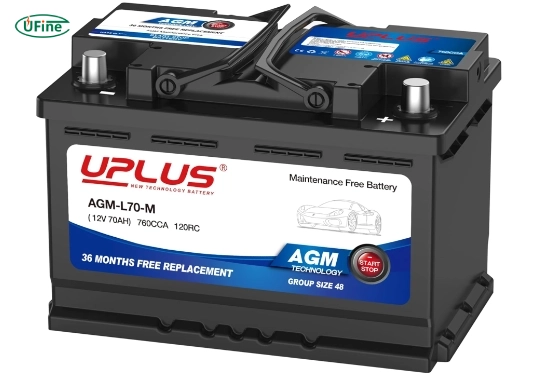
- Voltage: 12V
- Capacity: 70Ah
- Weight: 49 lbs (22.2 kg)
- Cold Cranking Amps: 760 CCA
This maintenance-free AGM battery provides consistent performance for everyday vehicles and is commonly selected as a direct OEM replacement with improved durability.
10 HOUNY 12V 20Ah LiFePO4 Lithium Car Battery
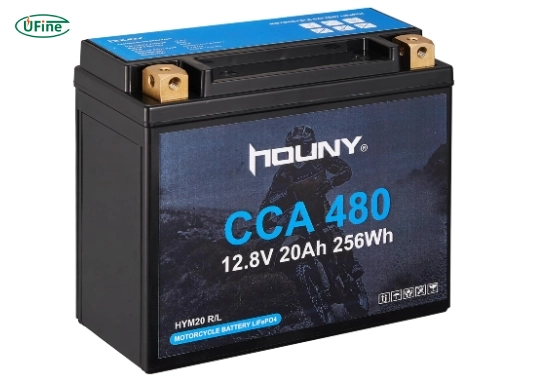
- Voltage: 12V
- Capacity: 20Ah
- Weight: 5.5 lbs (2.5 kg)
- Cold Cranking Amps: 480 CCA
This compact lithium battery is best suited for motorcycles, ATVs, and small-engine vehicles where rapid starting and minimal weight are more important than high reserve capacity.
Lightweight Car Battery Selection Comparison Table
The table below summarizes key parameters of popular lightweight car batteries, focusing on weight reduction, starting capability (CCA), and typical use cases to help engineers and vehicle owners quickly identify suitable options.
| Product | Weight | CCA | Best For |
|---|---|---|---|
| UFine 12V 100Ah LiFePO4 | 23.5 lbs (10.7 kg) | N/A* | Vehicles with auxiliary loads, performance builds, hybrid power systems |
| XingCell GD26 LiFePO4 (Group 24R) | 17.6 lbs (8 kg) | 900 | Passenger cars requiring fast starts and high cold-cranking performance |
| AOKLY 12V 6Ah LiFePO4 | 1.76 lbs (0.8 kg) | N/A | Lightweight vehicles, auxiliary electronics, non-primary starter use |
| BCI Group 47 (H5) AGM | 42 lbs (19 kg) | 680 | Daily drivers seeking modest weight reduction with OEM fitment |
| ACDelco Gold 48 AGM | 40.8 lbs (18.5 kg) | 760 | Daily driving, balanced performance and reliability |
| OPTIMA RedTop Group 35 AGM | 38.8 lbs (17.6 kg) | 720 | Performance vehicles, off-road and high-vibration environments |
| TUCHONG 12V 7Ah LiFePO4 | 1.87 lbs (0.85 kg) | N/A | Motorcycles, compact vehicles, auxiliary systems |
| Weize Platinum AGM | 49 lbs (22.2 kg) | 850 | Large vehicles, cold climates prioritizing high CCA |
| UPLUS Group 48 AGM | 49 lbs (22.2 kg) | 760 | OEM replacement for mid-to-large passenger vehicles |
| HOUNY 12V 20Ah LiFePO4 | 5.5 lbs (2.5 kg) | 480 | Motorcycles, ATVs, small-engine vehicles |
*N/A indicates that traditional CCA ratings are not always specified for high-capacity lithium batteries, where discharge rate and BMS design better represent starting performance.
Part 5. How to install a lightweight car battery?

- Disconnect negative terminal first.
- Ensure secure mounting to prevent vibration damage.
- Verify charging system compatibility with lithium chemistry.
Part 6. FAQs About lightweight car batteries
Are lightweight car batteries suitable for OEM or fleet vehicles?
Yes. Automotive-grade LiFePO4 batteries with BMS are used in OEM and fleet vehicles for stable voltage, long cycle life, and low maintenance.
What causes lithium polymer battery swelling, and how can it be prevented?
Swelling is caused by overcharging, heat, or cell degradation. Proper BMS and conservative charge limits reduce this risk.
Do lightweight batteries require changes to the vehicle charging system?
Usually no. Most work with standard alternators if voltage stays within manufacturer specifications.
How does battery capacity affect real-world vehicle performance?
Higher capacity extends accessory runtime. Engine starting performance depends mainly on CCA and discharge rate.
Are lightweight car batteries compliant with automotive safety standards?
Yes. Reputable products comply with SAE, UN38.3, and automotive vibration standards.
Related Tags:

More Articles

JST vs Molex: The Right Battery Connector Choice
JST or Molex for your battery? Learn how connector selection affects current, voltage drop, reliability, and device performance.
Custom Battery Pricing: Costs Manufacturers Don’t Mention
A low battery quote may not be the final cost. Discover common hidden expenses that affect custom lithium battery projects.
Battery Wire Length: Hidden Cause of Power Loss
A longer battery wire can cause voltage drop, power loss, and unstable operation. Learn how wire length affects battery performance.
How Device Sleep Modes Affect Battery Life
Think sleep mode extends battery life? Learn why devices still drain power and how firmware, hardware, and batteries affect runtime.
LiPo Battery and PCB Design: Clearance, Insulation, and Placement
Learn how to optimize LiPo battery PCB clearance, insulation, placement, wiring, and thermal design—and avoid common integration mistakes.