
- Key Takeaways
- Part 1. Understanding ebike batteries
- Part 2. Why use an ebike battery cover?
- Part 3. Types of ebike battery covers
- Part 4. Best materials for a waterproof ebike battery cover
- Part 5. How to cover an e bike battery (step-by-step)
- Part 6. How to choose the right ebike battery cover?
- Part 7. Best practices for ebike battery care
- Part 8. FAQs about ebike battery cover
Ebike batteries are sensitive to rain, cold weather, and road debris. Without protection, these factors can reduce performance and shorten battery lifespan.
A simple ebike battery cover helps block water, maintain battery temperature, and protect the battery during daily riding.
This guide explains how to cover an ebike battery, the best materials for a waterproof ebike battery cover, and how to choose the right option for your riding conditions.
Key Takeaways
- A waterproof ebike battery cover protects lithium batteries from rain, snow, dust, and road debris during riding and storage.
- Neoprene covers are the most common option because they provide insulation and water resistance without adding much weight.
- Covering the battery helps maintain a stable operating temperature, especially in cold climates where battery efficiency drops.
- The cover must fit tightly but still allow heat dissipation and access to charging ports.
- Riders should combine a battery cover with proper charging, storage, and inspection to maximize battery lifespan.
Part 1. Understanding ebike batteries
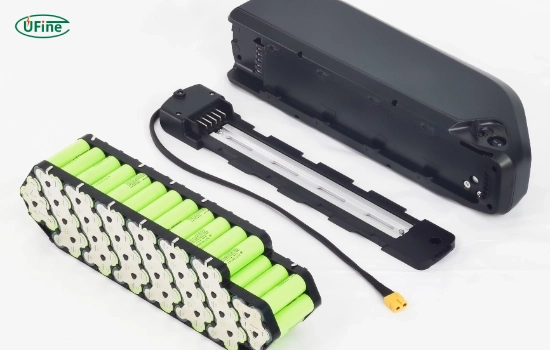
Most modern electric bicycles use lithium-ion batteries. These battery packs contain multiple lithium cells and an internal Battery Management System (BMS) that controls voltage, temperature, and charging.
If you want a deeper explanation of battery structure and types, see our guide:
👉 The Ultimate Guide to Ebike Battery
1 Why lithium batteries need protection
Compared with older battery technologies, lithium batteries provide several advantages:
- High energy density
Lithium batteries store more energy per kilogram, allowing e-bikes to travel longer distances. - Long cycle life
Most e-bike batteries last 500–1000 charge cycles, depending on charging habits and temperature. - Smart battery management
A built-in BMS protects against overcharging, short circuits, and overheating.
However, lithium batteries still have limitations:
- Cold temperatures reduce discharge efficiency
- Water exposure can damage connectors
- Physical shocks can damage cells or wiring
Because of these factors, protecting the battery externally is important, especially for daily commuters and off-road riders.
Part 2. Why use an ebike battery cover?
Many riders ask: Should I cover my e bike battery?
In most climates, the answer is yes.
A protective electric bike battery cover provides several benefits.
1 Weather protection
Rain, snow, and road splash can reach battery connectors. A waterproof ebike battery cover reduces moisture exposure and helps protect electrical contacts.
For example, heavy rain during commuting can cause corrosion around battery terminals over time.
2 Temperature insulation
Lithium batteries perform best between 10°C and 30°C (50–86°F).
Cold air can reduce capacity and range.
An insulated cover helps:
- retain battery heat
- reduce voltage drop in winter
- maintain consistent performance
3 Physical protection
Riding off-road or on rough city streets exposes the battery to:
- gravel
- mud
- small impacts
- vibration
A protective cover reduces wear and helps prevent scratches or casing damage.
4 Visual protection
Some riders also use a battery cover to hide the battery pack, making the bike less attractive to thieves when parked.
Part 3. Types of ebike battery covers
Different riding conditions require different cover designs.
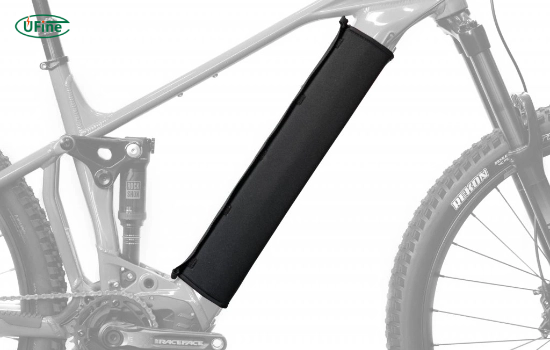
1 Neoprene battery covers
Neoprene covers are the most common ebike battery cover.
Advantages:
- waterproof or water-resistant
- flexible and lightweight
- good cold insulation
- easy installation
These covers wrap around the battery and close with Velcro or zipper fasteners.
They are widely used by commuters and urban riders.
2 Hard shell battery cases
Hard cases provide maximum protection.
Typical materials:
- ABS plastic
- polycarbonate
- reinforced composite shells
Advantages:
- impact protection
- weather resistance
- suitable for off-road e-bikes
However, they are heavier and less flexible than neoprene covers.
3 DIY battery covers
Some riders create custom covers using materials like:
- foam padding
- waterproof fabric
- thermal insulation sheets
DIY covers can work temporarily but may lack proper ventilation and water sealing. For long-term use, commercial covers are usually safer.
Part 4. Best materials for a waterproof ebike battery cover
Material choice directly affects protection and durability.
| Material | Key Advantages | Typical Use |
|---|---|---|
| Neoprene | Waterproof, flexible, insulated | Most common battery covers |
| Polyester fabric | Lightweight and breathable | Dust protection |
| Polycarbonate | Strong impact resistance | Hard shell cases |
| Foam padding | Shock absorption | DIY covers |
Among these, neoprene is usually the best balance between weight, insulation, and waterproofing.
Part 5. How to cover an e bike battery (step-by-step)
Many riders search for how to cover e bike battery correctly. The process is simple.
Clean the Battery Area
Remove dust and moisture from the battery casing and connectors before installing the cover.
Align the Cover
Position the cover so that:
- charging port remains accessible
- battery lock mechanism remains usable
- cables are not compressed
Secure the Cover
Most covers use Velcro straps or zippers. Tighten the cover so it stays in place but does not compress the battery housing.
Check Ventilation
The cover should not trap excessive heat. Ensure airflow around the battery if riding in warm weather.
Inspect Regularly
After long rides, remove the cover and check for:
- moisture buildup
- dirt accumulation
- connector damage
Routine inspection helps prevent long-term problems.
Part 6. How to choose the right ebike battery cover?
When selecting an electric bike battery cover, consider the following factors.
1 Battery compatibility
Battery packs come in different shapes:
- downtube batteries
- rear rack batteries
- integrated frame batteries
Choose a cover designed for your battery type.
2 Weather conditions
Riders in rainy climates should prioritize:
- waterproof materials
- sealed seams
- corrosion protection
Cold-weather riders should choose thermal neoprene covers.
3 Ease of installation
Look for covers with:
- zipper closure
- elastic edges
- Velcro straps
Easy installation encourages riders to use the cover regularly.
4 Ventilation design
Battery covers must allow heat dissipation during operation.
Overheating can damage lithium cells, so some covers include:
- breathable panels
- small ventilation openings
Part 7. Best practices for ebike battery care
A battery cover helps, but proper battery care is still essential.
1 Maintain healthy charge levels
Lithium batteries last longer when kept between 20% and 80% charge.
Avoid frequent full discharges.
2 Store batteries properly
If the bike will not be used for several weeks:
- store the battery indoors
- keep charge around 50–60%
- avoid humid environments
3 Avoid extreme temperatures
Do not charge or store the battery in:
- freezing temperatures
- very hot environments
Extreme temperatures accelerate battery degradation.
4 Inspect the battery regularly
Watch for warning signs such as:
- reduced riding range
- battery swelling
- corrosion around terminals
If these issues appear, the battery may need replacement.
Part 8. FAQs about ebike battery cover
Should I cover my ebike battery?
Yes. A waterproof ebike battery cover protects the battery from rain, dust, and temperature fluctuations, which can improve reliability and lifespan.
What is the best ebike battery cover material?
Neoprene is the most widely used material because it provides insulation, flexibility, and water resistance while remaining lightweight.
How do I waterproof my e bike battery?
Use a waterproof battery cover, keep connectors clean, and avoid direct exposure to heavy rain. Many riders also seal cable entry points with protective rubber covers.
Can I ride an e-bike in the rain without a battery cover?
Most e-bikes are designed to handle light rain. However, a battery cover adds extra protection and helps prevent water from entering connectors.
Does covering the battery improve winter performance?
Yes. Insulated covers help maintain battery temperature, which reduces capacity loss in cold weather and can slightly improve winter riding range.
Related Tags:

More Articles

JST vs Molex: The Right Battery Connector Choice
JST or Molex for your battery? Learn how connector selection affects current, voltage drop, reliability, and device performance.
Custom Battery Pricing: Costs Manufacturers Don’t Mention
A low battery quote may not be the final cost. Discover common hidden expenses that affect custom lithium battery projects.
Battery Wire Length: Hidden Cause of Power Loss
A longer battery wire can cause voltage drop, power loss, and unstable operation. Learn how wire length affects battery performance.
How Device Sleep Modes Affect Battery Life
Think sleep mode extends battery life? Learn why devices still drain power and how firmware, hardware, and batteries affect runtime.
LiPo Battery and PCB Design: Clearance, Insulation, and Placement
Learn how to optimize LiPo battery PCB clearance, insulation, placement, wiring, and thermal design—and avoid common integration mistakes.


