- Part 1. What is 7.2V battery and charger chemistry and how do NiMH and lithium compare?
- Part 2. How to determine the right capacity for 7.2V battery and charger in real applications?
- Part 3. What affects the price of 7.2V battery and charger in 2026?
- Part 4. How to upgrade old NiMH systems using 7.2V battery and charger safely?
- Part 5. How to choose the right 7.2V battery and charger step by step?
- Part 6. FAQs about 7.2V battery and charger
- Part 7. Conclusion – How to make the final decision on 7.2V battery and charger
Selecting the right 7.2V battery and charger is a critical decision that affects performance, safety, and longevity. Whether powering RC cars, power tools, medical devices, solar systems, or industrial equipment, the wrong choice can cause:
- Short runtime or frequent recharging
- Overheating or battery damage
- Reduced cycle life and efficiency
- Safety risks if chemistry and charger are incompatible
This guide provides a step-by-step framework for selecting the best battery and charger, compares chemistries, explains capacity and pricing, and offers upgrade advice. By the end, you’ll know exactly what to buy or request from a manufacturer.
Part 1. What is 7.2V battery and charger chemistry and how do NiMH and lithium compare?
The chemistry you choose sets the foundation for performance, weight, and safety.
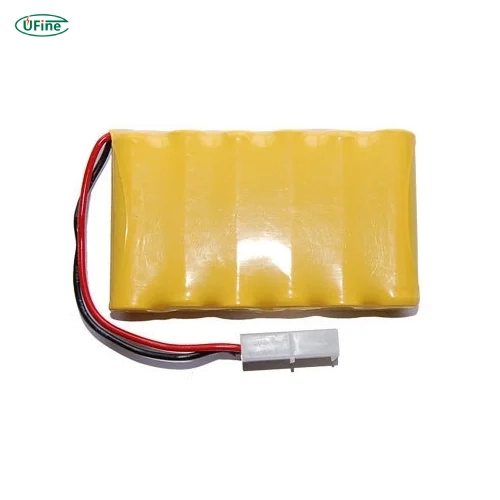
1 Advantages & Disadvantages of NiMH Batteries
| Feature | Advantage | Limitation |
|---|---|---|
| Energy density | Moderate | Lower than lithium |
| Weight | Heavier | Not ideal for lightweight devices |
| Cycle life | 500–1000 cycles | Can suffer memory effect |
| Cost | Affordable | Frequent replacement may increase total cost |
2 Advantages & Disadvantages of Lithium Batteries
| Feature | Advantage | Limitation |
|---|---|---|
| Energy density | High, compact | Slightly higher upfront cost |
| Weight | Lighter | Requires compatible charger |
| Cycle life | 1,000–2,000 cycles | Sensitive to overcharge/overdischarge |
| Efficiency | High voltage stability | Safety monitoring needed |
If you’re comparing NiMH vs lithium 7.2V battery and charger, this detailed comparison will help you avoid the wrong chemistry choice.
Decision tip:
- Choose NiMH for budget devices or casual hobby use.
- Choose Lithium for long-term projects, lightweight setups, or high-drain devices.
Part 2. How to determine the right capacity for 7.2V battery and charger in real applications?
Capacity (mAh) determines how long your device can run per charge, but choosing purely based on “bigger is better” is one of the most common mistakes.
How mAh affects runtime
Basic estimation:
Runtime (hours) ≈ Capacity (mAh) ÷ Device current (mA)
- 2000mAh at 1A ≈ 2 hours
- 3000mAh at 2A ≈ 1.5 hours
How to match capacity with load correctly
- Identify your device’s continuous current draw
- Estimate required runtime per work cycle
- Add 10–20% buffer for efficiency loss
Still unsure about 7.2V battery and charger mAh and runtime selection? This guide explains capacity vs load clearly.
Example:
- RC car draws 2A continuously → 2000 mAh battery gives ~1 hour runtime
- Power tool draws 1.5A → 3000 mAh battery gives ~2 hours runtime
Part 3. What affects the price of 7.2V battery and charger in 2026?
The price of a 7.2V battery and charger is affected by far more than just capacity.
Key price factors
- Battery chemistry (NiMH vs lithium)
- Capacity rating (mAh)
- Discharge current capability
- Certification requirements
- Connector and cable customization
Standard vs custom 7.2V battery and charger
| Type | Best for | Cost level |
|---|---|---|
| Standard pack | Hobby, generic tools | Low |
| Custom pack | OEM, medical, industrial | Medium–High |
To understand 7.2V battery and charger pricing, including custom cost factors, see this guide.
Important buying advice: Always evaluate total cost of ownership, not just unit price.
Part 4. How to upgrade old NiMH systems using 7.2V battery and charger safely?
Upgrading from NiMH to lithium is one of the most common user decisions in recent years.
Why users upgrade to lithium
- 30–50% weight reduction
- Longer runtime
- Slower capacity degradation
- Higher output stability
Safe upgrade checklist
- Confirm device voltage tolerance
- Replace NiMH charger with lithium charger
- Ensure lithium pack has built-in BMS
- Test temperature during first 3–5 cycles
If you’re upgrading from NiMH, this 7.2V lithium conversion guide is essential.
Part 5. How to choose the right 7.2V battery and charger step by step?
This is the practical selection workflow used by engineers and OEM buyers.
Step 1. Identify your real device requirement
- Device type
- Working current
- Operating environment
Step 2. Select the correct battery chemistry
- Budget → NiMH
- Performance → Lithium
Step 3. Calculate required capacity
- Based on runtime and current
Step 4. Match proper charger
- Chemistry-specific
- Correct voltage and charging current
Step 5. Evaluate standard or custom solution
- Off-the-shelf vs OEM customization
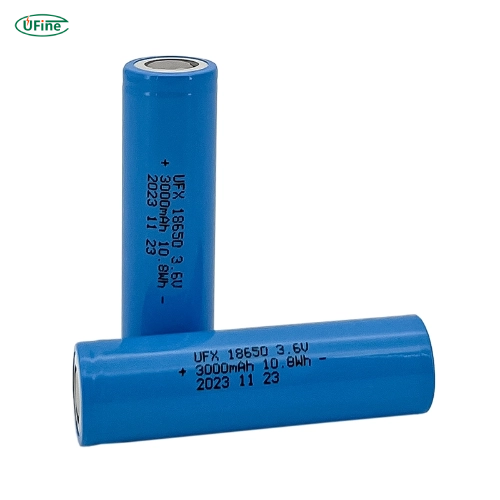
Recommended Battery Example: For devices requiring a high-quality lithium cell, consider the Ufine 3.6V 3000mAh 18650 Battery. It offers reliable performance, long cycle life, and is suitable for DIY electronics, RC devices, and more.
Part 6. FAQs about 7.2V battery and charger
Can I mix NiMH and Lithium batteries?
No. Mixing chemistries can cause overheating, damage, or reduced lifespan. Always stick to one chemistry per pack.
How long will a 7.2V battery last?
NiMH: ~500–1000 cycles; Lithium: ~1000–2000 cycles depending on usage, charge rate, and storage conditions.
Can I replace my existing NiMH charger with a lithium charger?
Only if it’s designed for lithium chemistry. Using an incompatible charger can cause overheating or fire risk.
How do I choose between standard and custom battery packs?
Standard is sufficient for hobby devices. Custom is best for OEM, industrial, or high-drain applications requiring exact dimensions and connectors.
Are custom 7.2V lithium batteries safe for shipping?
Yes, if they meet UN38.3, MSDS, and UL/CE certifications. Always request certification from the manufacturer.
Part 7. Conclusion – How to make the final decision on 7.2V battery and charger
Choosing the right 7.2V battery and charger requires balancing chemistry, capacity, price, safety, and device compatibility. By following the step-by-step selection guide:
- You ensure optimal runtime and performance
- You avoid safety hazards
- You maximize battery life and ROI
For complex or custom applications, a trusted lithium battery manufacturer can provide tailored solutions including:
- Custom dimensions and connectors
- BMS (Battery Management System) integration
- Certified and compliant battery packs
Your decision today determines efficiency, safety, and performance for years to come.
Related Tags:

More Articles

고방전 배터리는 높은 전류와 발열로 배터리수명이 줄어듭니다. 구조적 한계, 사용 패턴, 충전 습관 등 실제 수명 단축 요인을 체계적으로 분석했습니다.
Capacitor vs Battery: What is the Difference?
Capacitor vs battery explained in detail. Learn the difference between capacitor and battery in energy storage, charging speed, lifespan, and real applications.
18650 Battery vs AA: Which Is Better for Your Device?
Compare 18650 vs AA batteries in capacity, voltage, rechargeability, and applications. Learn which battery type fits high-drain or everyday devices.
What is the Difference Between Battery Cell, Battery Control Module, and Battery Pack?
Compare battery cells, modules, and packs. Learn functions, design differences, control modules, and selection tips for EV, ESS, and industrial use.
How to Prevent LiPo Battery Explosion?
Can LiPo batteries explode or catch fire? Learn key causes of LiPo battery fires and proven charging, storage, and handling tips to reduce explosion risk.