
- Part 1. Moped battery types
- Part 2. Key parameters to consider
- Part 3. How to choose cold cranking ability
- Part 4. Signs that a battery needs replacement
- Part 5. How to select the right battery
- Part 6. Should you upgrade to lithium technology?
- Part 7. How to replace a moped battery
- Part 8. Charging and maintenance best practices
- Part 9. Troubleshooting common issues
- Part 10. FAQs
If you own a moped, the battery is the heart of your vehicle. A reliable battery ensures smooth starts, bright lights, and consistent performance. But with so many options and technical details, choosing and maintaining the right moped battery can be confusing. This guide answers the most common questions about moped batteries and helps you make the right choice.
Part 1. Moped battery types
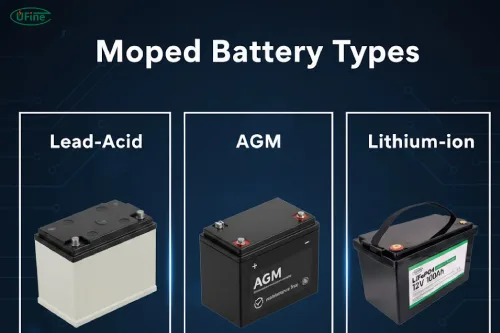
Modern mopeds rely on several battery chemistries, each offering distinct advantages and limitations:
- Conventional Lead-Acid Batteries: These are widely used due to their affordability and dependable performance. They typically require periodic maintenance, such as monitoring electrolyte levels and ensuring terminals remain clean.
- Absorbent Glass Mat (AGM) Batteries: A subtype of lead-acid batteries, AGM units are sealed and maintenance-free. Their construction provides better vibration resistance and improved durability under frequent start-stop cycles, making them suitable for urban commuting.
- Lithium-Ion Batteries: Characterized by high energy density, low weight, and longer service life, lithium-ion batteries offer superior performance for mopeds. They maintain consistent voltage output even under heavy load, but require compatible charging systems and come at a higher upfront cost.
AGM VS Lithium VS Lead-Acid Battery: Comprehensive Comparison
| Battery Type | Key Features | Advantages | Limitations |
|---|---|---|---|
| Lead-Acid | Conventional flooded design | Affordable, widely available | Requires periodic maintenance, heavy |
| AGM | Absorbent Glass Mat, sealed | Maintenance-free, vibration-resistant | Higher cost than conventional lead-acid |
| Lithium-Ion | High energy density, lightweight | Long lifespan, consistent voltage, fast charging | Requires compatible charger, higher upfront cost |
Part 2. Key parameters to consider
Choosing a battery goes beyond simply matching size and voltage. Critical parameters to evaluate include:
- Nominal Voltage: Most mopeds operate on a 12-volt system. Ensuring voltage compatibility prevents electrical failures or damage.
- Capacity (Ampere-Hours or milliampere-hours): This indicates the total energy storage of the battery. Higher capacity provides longer operation between charges but may increase physical size and weight.
- Cold Cranking Performance: Essential in colder climates, this measures the battery’s ability to deliver high current instantaneously for engine startup. Insufficient performance can result in difficulty starting the vehicle under low temperatures.
- Physical Dimensions and Terminal Configuration: Battery compartments in mopeds are compact. Ensuring the battery fits securely and that terminals align with connectors is crucial for safe and efficient installation.
| Parameter | Description | Typical Values |
|---|---|---|
| Nominal Voltage | Voltage output for moped electrical system | 12V |
| Capacity | Total energy storage, measured in Ah or mAh | 4–12 Ah |
| Cold Cranking Ability | Current delivered at low temperatures | 50–200 A (depending on moped) |
| Physical Dimensions | Size constraints for the battery compartment | Varies by model |
Evaluating these parameters carefully allows owners to select a battery that meets both performance and compatibility requirements.
Part 3. How to choose cold cranking ability
The battery’s ability to supply sufficient starting current in low temperatures is measured in cold cranking performance. Selecting the appropriate rating depends on environmental conditions and vehicle specifications:
- Consult the moped’s manufacturer recommendations to identify the minimum required starting current.
- Consider higher-rated batteries if operating in regions with sub-zero temperatures to ensure reliable ignition.
- Avoid choosing a battery with a significantly lower rating, as it may compromise starting reliability and electrical system health.
Proper assessment of cold-start capability ensures consistent performance regardless of weather conditions.
Part 4. Signs that a battery needs replacement
A battery nearing the end of its service life can manifest in several ways:
- Starting Issues: Hesitation or repeated failed attempts to ignite the engine.
- Electrical Instability: Flickering lights, inconsistent dashboard indicators, or weak horn output.
- Physical Degradation: Swelling, leakage, corrosion, or unusual odors.
- Voltage Drop: Measured voltage significantly below specification during operation.
Recognizing these early signs allows timely intervention, preventing complete failure and potential damage to the moped’s electrical system.
Part 5. How to select the right battery
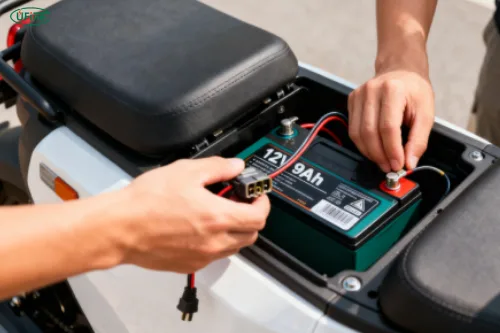
Battery selection should balance technical specifications, durability, and operational requirements:
- Determine Appropriate Chemistry: Decide between conventional lead-acid, maintenance-free AGM, or lithium-ion based on performance, budget, and maintenance preferences.
- Match Voltage and Capacity: Ensure the battery provides adequate energy for both starting and running electrical accessories.
- Assess Cold-Start Requirements: Factor in operating temperature and current delivery requirements.
- Physical Compatibility: Confirm that the battery fits securely and terminals align correctly.
- Reputation and Quality: Consider batteries with proven track records and available manufacturer support.
A careful evaluation reduces the risk of early failure and enhances overall vehicle reliability.
Part 6. Should you upgrade to lithium technology?
Transitioning from lead-acid to lithium-based batteries offers several benefits:
- Reduced Weight: Lighter batteries improve handling and acceleration.
- Extended Lifecycle: Lithium cells generally outlast conventional batteries, reducing replacement frequency.
- Rapid Recharging: Faster charging times minimize downtime.
- Stable Voltage Delivery: Consistent voltage enhances performance of all electrical components.
However, lithium technology requires compatible charging systems and protective circuitry to prevent overcharge or over-discharge. While costlier upfront, the benefits often justify the investment for regular riders or those seeking enhanced performance.
Part 7. How to replace a moped battery
Replacing a moped battery safely involves careful adherence to procedure:
- Turn off the ignition and remove the key.
- Access the battery compartment, often located beneath the seat or side panel.
- Disconnect the negative terminal first, followed by the positive terminal.
- Remove the old battery and inspect the compartment for corrosion or damage.
- Insert the new battery, ensuring proper alignment of terminals and secure fit.
- Connect the positive terminal first, then the negative terminal.
- Check connections for tightness and start the moped to verify proper installation.
Following these steps minimizes risk of short circuits, electrical damage, and personal injury.
Part 8. Charging and maintenance best practices
Proper care significantly extends battery life:
- Charge the battery using a compatible charger and avoid overcharging.
- Store in a dry, well-ventilated area during extended inactivity.
- Periodically inspect terminals and clean any corrosion.
- For non-sealed batteries, monitor electrolyte levels and refill with distilled water as needed.
Routine maintenance preserves battery capacity, ensures reliable starts, and prolongs overall service life.
Part 9. Troubleshooting common issues
Common battery-related issues include:
- Failure to Hold Charge: May indicate aging cells or insufficient charging cycles.
- Corrosion: Clean terminals carefully with a mild solution of baking soda and water.
- Intermittent Electrical Failures: Check terminal connections, cable integrity, and voltage levels.
Persistent problems should be addressed by professional service to avoid further electrical complications.
Part 10. FAQs
What kind of batteries do mopeds use?
Mopeds generally use three main types of batteries: conventional lead-acid, maintenance-free AGM (Absorbent Glass Mat), and lithium-ion. Lead-acid batteries are affordable and widely available, AGM batteries offer vibration resistance and are maintenance-free, and lithium-ion batteries are lightweight with a longer lifespan and faster charging capability. The choice depends on riding habits, maintenance preferences, and performance needs.
Are all moped batteries the same size?
No, moped batteries vary in physical dimensions depending on the make and model of the vehicle. It’s important to check the battery compartment’s size and terminal configuration to ensure a proper fit. Using an incorrectly sized battery may cause installation issues or affect electrical connections.
How many volts is a 50cc moped battery?
Most 50cc mopeds use a 12-volt battery system. This voltage provides sufficient power for starting the engine and running essential electrical components like lights, indicators, and the horn. Always confirm the manufacturer’s specifications for your specific moped model.
Are moped batteries 6V or 12V?
While some older mopeds may use 6-volt batteries, the vast majority of modern mopeds operate on 12 volts. A 12-volt system ensures reliable starting performance and supports modern electrical accessories. Using the wrong voltage can lead to poor performance or damage to the moped’s electrical system.
How long do moped batteries last?
- Lead-acid: 1–3 years
- AGM: 2–4 years
- Lithium-ion: 4–6 years or longer
Factors affecting longevity include frequent short rides, extreme temperatures, overcharging, and lack of maintenance. Regular checks and proper charging practices can significantly extend battery life.
Related Tags:

More Articles

고방전 배터리는 높은 전류와 발열로 배터리수명이 줄어듭니다. 구조적 한계, 사용 패턴, 충전 습관 등 실제 수명 단축 요인을 체계적으로 분석했습니다.
Capacitor vs Battery: What is the Difference?
Capacitor vs battery explained in detail. Learn the difference between capacitor and battery in energy storage, charging speed, lifespan, and real applications.
18650 Battery vs AA: Which Is Better for Your Device?
Compare 18650 vs AA batteries in capacity, voltage, rechargeability, and applications. Learn which battery type fits high-drain or everyday devices.
What is the Difference Between Battery Cell, Battery Control Module, and Battery Pack?
Compare battery cells, modules, and packs. Learn functions, design differences, control modules, and selection tips for EV, ESS, and industrial use.
How to Prevent LiPo Battery Explosion?
Can LiPo batteries explode or catch fire? Learn key causes of LiPo battery fires and proven charging, storage, and handling tips to reduce explosion risk.


