
- Key Takeaways
- Part 1. What does 18V mean on a battery?
- Part 2. 18V battery voltage range
- Part 3. Why lithium-ion dominates 18V batteries
- Part 4. 18V vs other battery voltages: what’s the real difference?
- Part 5. How long does an 18V battery last?
- Part 6. Choosing the right 18V battery
- Part 7. What battery can replace the 18V battery?
- Part 8. 18V Battery and charger compatibility
- Part 9. 18V battery applications
- Part 10. Charging and maintenance
- Part 11. FAQs
Key Takeaways
- An 18V battery is not always exactly 18 volts—it’s a nominal voltage, not a fixed value
- Most 18 volt lithium ion batteries use a 5-cell (5S) configuration
- The typical 18V battery voltage range is about 15V to 21V
- Lithium-ion is the dominant chemistry due to higher energy density and longer lifespan
- Choosing the right 18V battery and charger depends on capacity (Ah), discharge rate, and compatibility
Part 1. What does 18V mean on a battery?
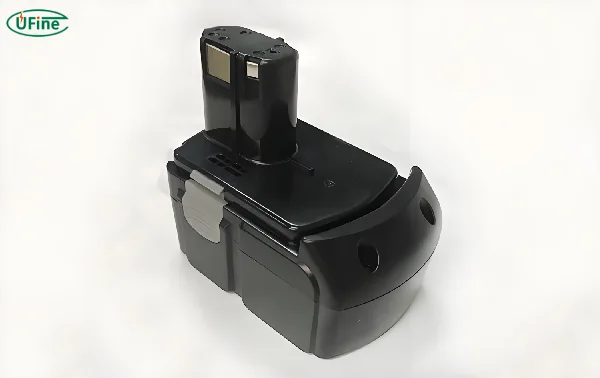
18V is a nominal voltage, not the actual voltage you’ll measure at any given moment.
In reality, a typical 18V lithium ion battery is built using five 3.6V cells in series:
- 3.6V × 5 = 18V (nominal)
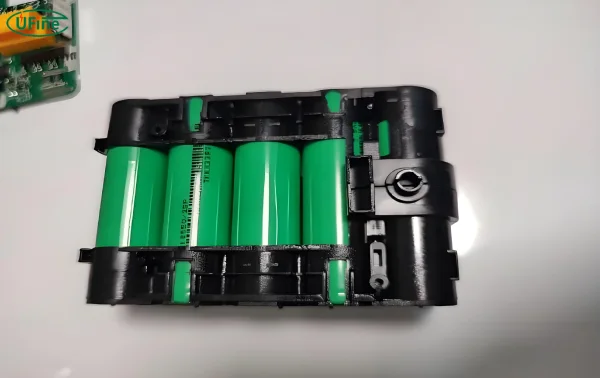
However, lithium-ion cells don’t stay at 3.6V. Their voltage changes depending on charge level. That’s why the real voltage constantly shifts during use.
This is also why you sometimes see “20V MAX” on tools—it’s the same system, just labeled based on peak voltage rather than nominal.
Part 2. 18V battery voltage range
Understanding the actual 18V battery voltage range is critical—especially if you’re designing systems or troubleshooting performance.
Here’s how it typically looks:
| Battery State | Voltage Range |
|---|---|
| Fully Charged | 20V – 21V |
| Nominal Voltage | 18V |
| Low Voltage Cut-off | ~15V |
So if your battery reads 20V fresh off the charger, that’s completely normal.
And if your tool shuts down around 15V? That’s not a defect—it’s protection from over-discharge, usually handled by the BMS (Battery Management System).
Part 3. Why lithium-ion dominates 18V batteries
Not long ago, 18V batteries were commonly made using NiCd or NiMH chemistry. Today, almost every lithium 18V battery uses lithium-ion—and for good reason.
Compared to older chemistries, lithium-ion offers:
- Higher energy density (more power in less weight)
- No memory effect
- Lower self-discharge
- Longer cycle life
In other words, if you’re using an 18 volt lithium ion battery, you’re already on the most advanced mainstream technology available.
Part 4. 18V vs other battery voltages: what’s the real difference?
You might be wondering—how do 18V batteries compare to other options?
Here’s a simplified comparison:
| Voltage | Typical Use Case | Performance Level |
|---|---|---|
| 12V | Light-duty tools | Low |
| 18V | General power tools | Medium–High |
| 20V MAX | Same as 18V (marketing) | Medium–High |
The key takeaway?
18V hits the sweet spot—strong enough for demanding tasks, but still portable and efficient.
That’s why it dominates categories like drills, impact drivers, and outdoor tools.
Part 5. How long does an 18V battery last?
The lifespan of an 18V battery depends on several factors, including usage patterns and maintenance. On average, these batteries can last between two to three years with regular use. The number of charge cycles also affects longevity, with most 18V batteries offering 300 to 500 charge cycles.
Proper care can significantly extend the battery’s life. By following good charging practices and avoiding extreme temperatures, you can ensure your battery remains in top condition for as long as possible.
Part 6. Choosing the right 18V battery
Not all 18 v batteries are created equal. And this is where many users make expensive mistakes.
Instead of focusing only on voltage, you should pay attention to a few key factors:
- Capacity (Ah): Determines runtime
- Discharge rate: Affects performance under load
- Cell quality: Impacts lifespan and safety
- BMS design: Controls protection and balancing
For example, a cheap lithium ion 18v battery with poor cells might show the same voltage—but under load, it drops quickly and overheats.
On the other hand, a high-quality pack maintains stable output even in demanding conditions.
Part 7. What battery can replace the 18V battery?
When looking to replace an 18V battery, it’s important to find a compatible alternative that meets your tool’s requirements. Here are some options to consider:
Compatible Battery Types
-
Higher Capacity 18V Batteries
- Some manufacturers offer higher capacity versions of their standard 18V batteries. These provide longer runtimes while maintaining compatibility with your tools.
-
20V Max Batteries
- Many brands offer 20V max batteries designed to work with existing 18V tools. They often fit the same battery slots and offer slightly increased power.
-
Adaptable Battery Systems
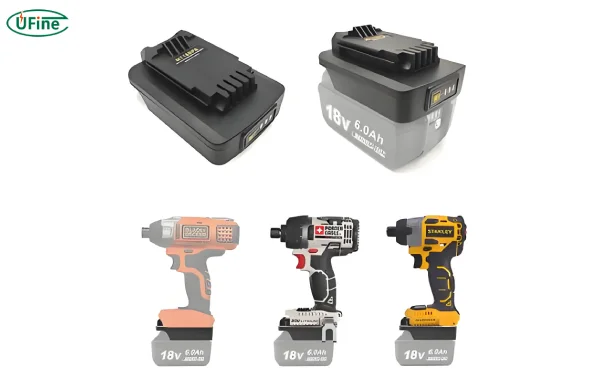
- Some brands have adaptable battery systems that allow you to use different voltage batteries with the same tools through adapters.
Key Considerations
- Brand Compatibility: Stick to the same brand when possible, as batteries are often designed to work best with their respective tools.
- Voltage Matching: Ensure the replacement battery has a similar voltage to prevent performance issues.
- Physical Fit: Check that the replacement battery fits securely in the tool’s battery compartment.
Part 8. 18V Battery and charger compatibility
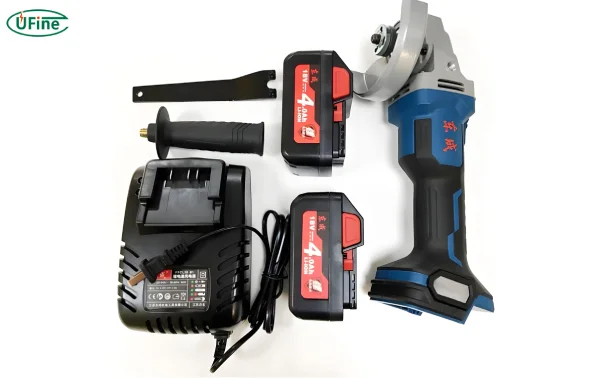
Now let’s talk about something that often gets overlooked—18V battery and charger compatibility.
At first glance, it seems simple: 18V battery → 18V charger.
But in reality, it’s more nuanced.
Different brands use:
- Proprietary communication protocols
- Unique charging curves
- Different connector designs
So while voltage matches, compatibility isn’t guaranteed.
When your tool suddenly loses power, it often relates to the curve—this battery curve guide breaks it down.
If you’re working across brands or building custom packs, always verify:
- Charging voltage range
- Current limits
- Connector pinout
Part 9. 18V battery applications
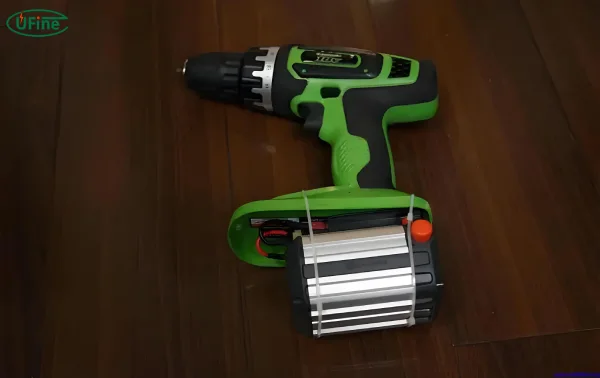
The versatility of the 18V battery makes it suitable for a wide range of applications. Here are some common uses:
Power Tools
The most common application is in power tools. From drills and saws to sanders and impact drivers, the 18V battery provides the power needed for various tasks. Its portability and efficiency make it a favorite among professionals and DIYers alike.
Garden Equipment
Many garden tools, such as trimmers and blowers, also use 18V batteries. They offer the freedom to move around without the hassle of cords, making gardening more convenient and enjoyable.
Household Appliances
Some household appliances and gadgets, like vacuum cleaners and portable speakers, utilize 18V batteries. Their reliable power output ensures these devices run smoothly and effectively.
Part 10. Charging and maintenance
Proper charging and maintenance are key to maximizing the lifespan of your 18V battery. Here are some tips to keep your battery in top condition:
Charging Tips
- Avoid Full Discharge: Try not to let your battery completely discharge. Recharge it when it reaches a low level to maintain its health.
- Use the Right Charger: Always use a charger that matches your battery type and specifications.
- Monitor Charging: Keep an eye on the charging process and avoid leaving the battery on the charger once it’s fully charged.
Maintenance Tips
- Store Properly: Store your battery in a cool, dry place when not in use. High temperatures can degrade its performance.
- Regular Checks: Inspect your battery regularly for any signs of damage or wear. Replace it if necessary to ensure safety and efficiency.
- Clean Contacts: Keep the battery contacts clean to ensure a good connection with the tool or charger.
Part 11. FAQs
1. Do all 18V lithium batteries use 18650 cells?
Not always. While many 18V lithium ion batteries use 18650 cells, newer designs may use 21700 cells for higher capacity and better performance.
2. Why does my charger say “20V” instead of 18V?
This is mainly a marketing difference. “20V MAX” refers to the peak voltage when fully charged, while 18V refers to nominal voltage. In practice, they are the same system.
3. Is it safe to leave an 18V battery on the charger overnight?
Most modern chargers have overcharge protection, so it’s generally safe. However, regularly leaving batteries plugged in for long periods may slightly reduce long-term lifespan.
4. Why do some 18V batteries feel heavier than others?
Weight differences usually come from:
Cell type (18650 vs 21700)
Capacity (Ah rating)
Internal structure and protection circuits
Higher capacity batteries are typically heavier but last longer.
Related Tags:

More Articles
Dead Battery or Device Failure? How to Find the Cause
Think your device is broken? Learn how to tell if the problem comes from battery aging or hardware failure before replacing your electronics.
Why iPhone Duo Uses Two Batteries: The Engineering Behind Foldable Phone Power
Why do foldable phones need two batteries? Explore the engineering challenges behind iPhone Duo’s dual-battery architecture and future battery trends.
Solid-State Batteries: 3 Myths You Need to Know
Solid-state batteries promise safer EVs and longer range, but the reality is more complex. Discover the challenges behind this next-gen technology.
Battery Capacity vs Discharge Rate: The Choice Engineers Face
Higher capacity or higher discharge rate? Learn how to choose the right LiPo battery for longer runtime, stable power output, and better device performance.
Battery Cable Size Guide: Choose the Right Wire Fast
Not sure what battery cable size you need? Learn how to select the right wire gauge, terminal size, and cable for safer, more efficient battery systems.


