
- Part 1. Do lithium batteries die if not used?
- Part 2. What is deep discharge in lithium-ion batteries?
- Part 3. Why does my lithium battery keep dying?
- Part 4. How often should an unused lithium battery be charged?
- Part 5. Lithium battery too low to charge — what does it mean?
- Part 6. Can a dead lithium-ion battery be restored?
- Part 7. How to revive a lithium-ion battery safely
- Part 8. How to maintain an unused lithium battery
- Part 9. Final thoughts
- Part 10. Quick FAQ
Quick Overview: Lithium-ion batteries don’t suddenly “die” for no reason — they usually fail because of deep discharge caused by long-term self-discharge.
The good news? With proper storage, regular charging, and the right recovery methods, some dead lithium-ion batteries can be revived.
In this guide, we’ll explain why lithium batteries keep dying, what deep discharge really means, and whether a dead lithium-ion battery can be restored safely.
Part 1. Do lithium batteries die if not used?
Yes — lithium batteries can die even when they’re not being used.
Unlike lead-acid batteries, lithium-ion batteries self-discharge continuously, even while sitting on a shelf. Internal chemical reactions slowly drain energy over time, whether the battery is powering a device or not.
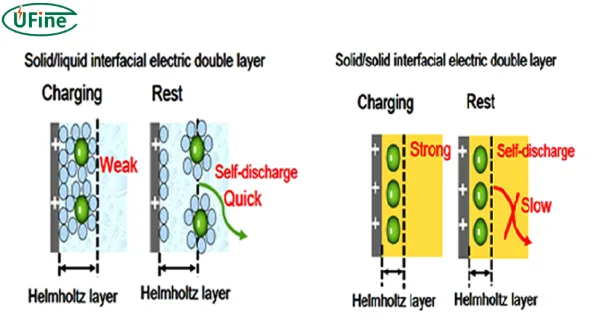
Why self-discharge happens
Inside every lithium-ion battery, lithium ions constantly move between the anode and cathode through the electrolyte. This movement never fully stops, which causes a gradual loss of charge.
Want to understand why lithium batteries lose power even when not in use?
Learn more about battery self-discharge and typical Li-ion self-discharge rates in this detailed guide.
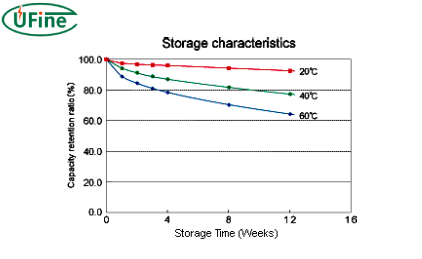
Typical self-discharge rate:
- Around 3–5% per month, depending on temperature, age, and battery chemistry
Left unchecked, this slow drain can push the battery into a dangerous state known as deep discharge.
Why lithium batteries die – quick overview
| Situation | What happens | Result |
|---|---|---|
| Battery left unused | Natural self-discharge continues | Voltage slowly drops |
| Voltage drops too low | Deep discharge occurs | Internal damage starts |
| Long-term deep discharge | Electrolyte and electrodes degrade | Battery may die permanently |
| Regular charging | Voltage stays in safe range | Battery lifespan extends |
Part 2. What is deep discharge in lithium-ion batteries?
Deep discharge occurs when a lithium-ion battery’s voltage drops below its safe minimum level, causing internal damage.
When a battery stays deeply discharged for too long, several irreversible problems can occur.
What happens inside a deeply discharged battery?
- Electrolyte crystallization
- Crystals form and block lithium-ion movement.
- SEI layer degradation
- The protective layer on the anode thickens, increasing internal resistance.
- Electrode damage
- The anode loses its ability to store lithium ions effectively.
The point of no return
Once these changes become severe, the battery may:
- Refuse to charge
- Charge but hold very little capacity
- Overheat or become unsafe
This is why preventing deep discharge is far easier than fixing it.
Check out this complete breakdown of what deep discharge really means.
Normal discharge vs deep discharge lithium-ion battery
| Item | Normal Discharge | Deep Discharge |
|---|---|---|
| Voltage level | Within safe range | Below minimum threshold |
| Internal damage | None | Often irreversible |
| Battery health | Stable | Rapid degradation |
| Can be recovered? | Yes | Sometimes / No |
| Safety risk | Low | High |
Part 3. Why does my lithium battery keep dying?
If your lithium battery keeps dying, it’s usually due to one (or more) of the following reasons:
- Long-term storage without charging
- Repeated deep discharges
- High storage temperatures
- Old or degraded battery chemistry
- No Battery Management System (BMS)
In short: the battery voltage drops too low too often, accelerating permanent damage.
Part 4. How often should an unused lithium battery be charged?
An unused lithium battery should be charged every 2–3 months.
This keeps the voltage safely above the deep discharge threshold and maintains the battery’s internal chemistry.
Best storage charge level
- Ideal range: 40%–60% state of charge
- Avoid storing at 0% or 100% for long periods
Regular top-ups dramatically extend battery lifespan and reduce recovery risks.
Part 5. Lithium battery too low to charge — what does it mean?
If a lithium battery is “too low to charge,” its voltage has fallen below the charger’s safety limit.
Most standard chargers will refuse to charge a battery that’s deeply discharged, to prevent overheating or short circuits.
This doesn’t always mean the battery is permanently dead — but recovery becomes more difficult.
Part 6. Can a dead lithium-ion battery be restored?
Sometimes — but not always.
A dead lithium-ion battery can sometimes be restored if the internal damage is limited and the voltage hasn’t dropped too far for too long.
Factors that affect recovery success
- How long the battery stayed discharged
- Battery age
- Storage temperature
- Presence of a BMS
Older or heavily damaged batteries are much harder (or impossible) to revive safely.
Can a dead lithium-ion battery be restored?
| Battery condition | Can it be restored? | Notes |
|---|---|---|
| Slightly over-discharged | Yes | Gentle charging may work |
| Deeply discharged (short time) | Possibly | Special charger required |
| Deeply discharged (long time) | Unlikely | Internal damage severe |
| Swollen or overheated | No | Unsafe to use |
Part 7. How to revive a lithium-ion battery safely
You cannot jumpstart a lithium battery like a car battery, but there are safer recovery methods.
Common revival techniques
Gentle low-current charging
Slowly raises voltage without stressing the battery.
Special recovery chargers
Designed to detect and revive deeply discharged lithium cells.
Professional battery services
Recommended for high-value or large battery packs.
⚠️ Important: If a battery swells, overheats, or smells unusual, stop immediately and dispose of it properly.
Part 8. How to maintain an unused lithium battery
Prevention is always better than revival.
Follow these best practices to keep lithium batteries healthy:
Lithium battery maintenance tips
- Charge every 2–3 months
- Store at 40%–60% charge
- Keep in a cool, dry place
- Avoid extreme heat
- Don’t mix old and new batteries
- Use a Battery Management System (BMS) when possible
How to prevent lithium battery from dying
| Action | Recommended practice | Benefit |
|---|---|---|
| Storage charge | 40%–60% | Prevents deep discharge |
| Charging interval | Every 2–3 months | Maintains safe voltage |
| Storage temperature | Cool & dry | Slows self-discharge |
| Use BMS | Yes | Protects battery automatically |
These steps greatly reduce the risk of deep discharge and premature failure.
Part 9. Final thoughts
Lithium-ion batteries are powerful, efficient, and long-lasting — but they don’t forgive neglect.
Most cases of a “dead” lithium battery come down to deep discharge caused by long-term inactivity.
By understanding how lithium batteries die, charging them periodically, and storing them properly, you can avoid failure, extend lifespan, and reduce safety risks.
A little care goes a long way — and your batteries will thank you for it.
Part 10. Quick FAQ
Do lithium batteries die permanently?
Yes — if deep discharge causes severe internal damage, recovery may be impossible.
Why does my lithium battery die even when unused?
Because lithium batteries self-discharge over time and can enter deep discharge if not recharged.
Can a completely dead lithium battery be recharged?
Sometimes, using low-current or recovery chargers, but success is not guaranteed.
Is it safe to revive a lithium-ion battery?
Only if done carefully. Unsafe revival attempts can cause overheating or fire.
Related Tags:

More Articles
Buck vs. Boost vs. Buck-Boost Converter: Which Is Best for Battery?
Not sure which converter your battery-powered device needs? Compare Buck, Boost, and Buck-Boost designs and discover what affects voltage stability and runtime.
How to Match 18650 Cells for a Reliable Battery Pack?
Building an 18650 battery pack? Learn how to compare cell capacity, voltage, and internal resistance to avoid mismatches and improve reliability.
Why Do 18650 Battery Packs Get Hot During Discharge?
Is your 18650 battery pack overheating under load? Learn what causes excess heat, how to spot dangerous symptoms, and what to do next.
18650 Battery BMS: How to Get the Specs Right
Learn how to choose a BMS for an 18650 battery pack. Compare voltage, current ratings, protection features, and balancing before you buy.
Why Does My Ring Camera Battery Drain So Fast or Stop Charging?
Is your Ring camera battery draining fast or not charging? Discover common causes, practical fixes, and when to replace the battery.


