- Key Takeaways
- Part 1. What are lithium-ion batteries?
- Part 2. What materials are used in lithium batteries?
- Part 3. Do lithium ion batteries contain nickel?
- Part 4. Which lithium-ion battery types use nickel?
- Part 5. Why is nickel used in lithium-ion batteries?
- Part 6. Nickel vs non-nickel batteries (quick comparison)
- Part 7. Environmental impact of nickel in batteries
- Part 8. Are there alternatives to nickel?
- Part 9. How recycling reduces nickel demand
- Part 10. Application-based lithium battery selection guide (nickel vs lfp)
- Part 11. FAQs: Nickel in lithium-ion batteries
Lithium-ion batteries power modern devices—from smartphones to EVs—but many users still ask: do lithium ion batteries have nickel?
The answer is yes—but not always. Nickel is widely used in high-performance lithium-ion batteries, but some chemistries are completely nickel-free.
This guide explains:
- Is nickel used in lithium batteries
- Which battery types contain nickel
- When nickel matters for performance and cost
- How to choose between nickel vs nickel-free batteries
Key Takeaways
- Most high-energy lithium-ion batteries contain nickel, especially NCM and NCA chemistries.
- Nickel increases energy density, making it critical for EVs and long-runtime devices.
- Not all lithium batteries contain nickel—LFP batteries are a major nickel-free alternative.
- Higher nickel content = higher capacity but stricter thermal management needs.
- Battery selection depends on application, not just materials—safety, cost, and lifespan all matter.
Part 1. What are lithium-ion batteries?
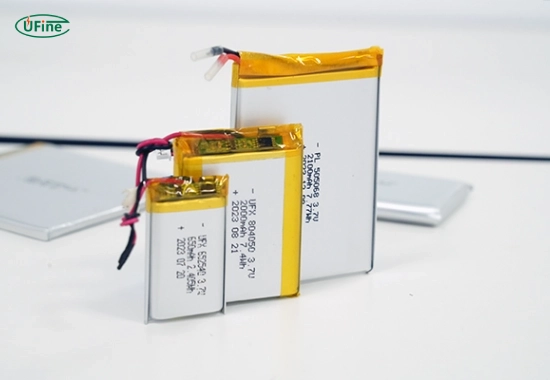
Lithium-ion batteries are rechargeable systems where lithium ions move between two electrodes:
- Anode (negative): usually graphite
- Cathode (positive): determines performance and chemistry
- Electrolyte: enables ion flow
- Separator: prevents short circuits
They are widely used due to:
- High energy density
- Long cycle life
- Lightweight design
👉 Related reading: What Elements Are Used in Batteries?
Part 2. What materials are used in lithium batteries?
A lithium-ion battery includes:
| Component | Material | Function |
|---|---|---|
| Anode | Graphite | Stores lithium ions |
| Cathode | Nickel, cobalt, manganese, iron phosphate | Defines capacity & voltage |
| Electrolyte | Lithium salt solution | Transfers ions |
| Separator | Polymer membrane | Safety barrier |
👉 Key point:
The cathode material determines whether nickel is present.
Part 3. Do lithium ion batteries contain nickel?
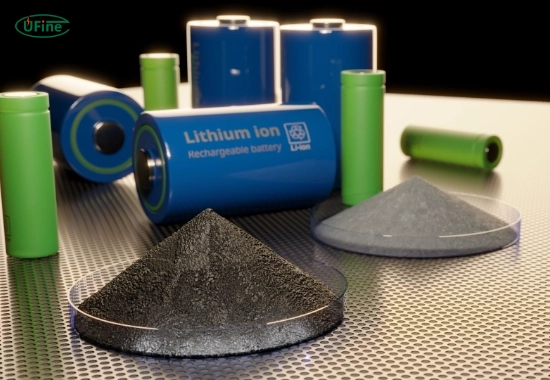
Yes—many lithium-ion batteries contain nickel, especially those designed for high energy density.
However, the more accurate answer is:
Some lithium batteries contain nickel, while others do not.
Nickel is commonly used in:
- Electric vehicles (EVs)
- Power tools
- High-end electronics
Nickel is NOT used in:
- Lithium iron phosphate (LFP) batteries
- Some low-cost or safety-focused systems
Part 4. Which lithium-ion battery types use nickel?
1 NCM (nickel cobalt manganese)
- Balanced performance
- Adjustable nickel ratio (e.g., 622, 811)
- Widely used in EVs and energy storage
2 NCA (nickel cobalt aluminum)
- Very high energy density
- Used in premium EVs
- Longer driving range
3 High-nickel batteries
- Nickel content ≥80%
- Lower cobalt usage
- Higher capacity, but stricter safety control
4 Nickel-free alternative: LFP
- No nickel or cobalt
- Lower energy density
- Excellent thermal stability
- Longer cycle life
👉Comparison: Lithium-ion vs NiMH vs Solid-State Batteries
Part 5. Why is nickel used in lithium-ion batteries?
Nickel plays a critical role in performance:
- Higher Energy Density
More nickel → more stored energy
Essential for EV range and compact devices - Reduced Cobalt Cost
Nickel replaces expensive cobalt
Improves supply chain stability - Better Capacity Retention
Supports longer runtime per charge - Engineering Trade-Off
High nickel = higher energy
But also: More heat sensitivity, Requires advanced battery management systems (BMS)
Part 6. Nickel vs non-nickel batteries (quick comparison)
| Factor | Nickel-Based (NCM/NCA) | Nickel-Free (LFP) |
|---|---|---|
| Energy Density | High | Medium |
| Safety | Moderate | Very High |
| Cost | Medium–High | Lower |
| Lifespan | Good | Excellent |
| EV Use | Long range | Entry-level / standard range |
Part 7. Environmental impact of nickel in batteries
Nickel improves performance—but has environmental costs:
Key Concerns:
- Mining impacts (land use, pollution)
- Energy-intensive refining
- Carbon emissions
According to the International Energy Agency, battery material demand—including nickel—is rising rapidly with EV adoption.
Industry Response:
- Increased recycling
- Cleaner extraction technologies
- Reduced cobalt dependency via high-nickel designs
Part 8. Are there alternatives to nickel?
Yes, but each has trade-offs:
- LFP (Lithium Iron Phosphate)
No nickel
Safer and cheaper
Lower energy density - Solid-State Batteries (Emerging)
Potential to reduce nickel reliance
Still in early commercialization
👉 Conclusion:
Nickel remains essential for high-performance applications today.
Part 9. How recycling reduces nickel demand
Battery recycling is becoming critical:
Benefits:
- Recovers nickel, cobalt, lithium
- Reduces mining demand
- Lowers production cost
Organizations like Redwood Materials are scaling closed-loop battery recycling systems.
Part 10. Application-based lithium battery selection guide (nickel vs lfp)
| Application | Recommended Chemistry | Nickel Needed? |
|---|---|---|
| Electric vehicles (long range) | NCM / NCA | Yes |
| Energy storage systems | NCM / LFP | Optional |
| Solar storage | LFP | No |
| Consumer electronics | NCM / NCA | Yes |
| Industrial backup power | LFP | No |
Part 11. FAQs: Nickel in lithium-ion batteries
Do all lithium ion batteries have nickel?
No. LFP batteries do not contain nickel, but NCM and NCA batteries do.
Is nickel used in lithium batteries for all applications?
No. Nickel is mainly used in high-energy applications like EVs and electronics.
Why do lithium ion batteries contain nickel?
Because nickel increases energy density and reduces cobalt cost, improving overall performance.
Are nickel-based batteries safe?
Yes, but they require proper thermal management and BMS design to ensure safety.
Which is better: nickel or nickel-free batteries?
It depends: Choose nickel-based for high energy needs; choose nickel-free (LFP) for safety, cost, and long life.
Related Tags:

More Articles

Lithium Manganese Batteries: A Comprehensive Guide
Learn how lithium manganese oxide (LMO) batteries work, their advantages, applications, lifespan, and how they compare with LFP and NMC batteries.
Battery Tab: Types, Manufacturing Processes, and Applications
What is a battery tab? Learn about battery tab materials, lithium battery tabs, welding methods, manufacturing processes, and common applications.
Watts to Amps: Complete Guide with Formulas, Calculations, and Common Mistakes
Learn how to convert watts to amps using DC, AC, and three-phase formulas. Includes conversion examples, charts, power factor tips, and common mistakes.
What is an RC Battery? A Comprehensive Guide
Learn what an RC battery is, RC battery types, voltage, mAh, C rating, charging, safety tips, and how to choose the right battery for RC vehicles.
Lithium-Ion Batteries: The Difference Between Voltage and Amperage
Learn the difference between voltage and amperage in lithium-ion batteries. Discover how volts and amps affect battery performance, charging, power, and safety.