- Key Takeaways
- Part 1. Are all lithium batteries rechargeable?
- Part 2. Types of lithium batteries
- Part 3. How to identify rechargeable lithium batteries
- Part 4. How rechargeable lithium batteries work
- Part 5. Types of non-rechargeable lithium batteries and application
- Part 6. Rechargeable vs non-rechargeable lithium batteries
- Part 7. FAQs
Key Takeaways
- Not all lithium batteries are rechargeable
- Lithium-ion, LiPo, and LiFePO4 batteries are rechargeable
- Lithium metal batteries are usually non-rechargeable
- Recharging non-rechargeable lithium batteries is dangerous
- Battery model numbers often tell you whether a battery is rechargeable
- Choosing the right battery depends on your device, cost, and usage pattern
Part 1. Are all lithium batteries rechargeable?
No. Not all lithium batteries are rechargeable.
This is one of the most common misconceptions, especially because modern electronics mostly use rechargeable lithium batteries. However, lithium batteries actually fall into two broad categories:
- Rechargeable lithium batteries (secondary batteries)
- Non-rechargeable lithium batteries (primary batteries)
Rechargeable lithium batteries are designed for repeated charge and discharge cycles. These include lithium-ion batteries used in smartphones, laptops, power tools, and electric vehicles.
Non-rechargeable lithium batteries, on the other hand, are designed for single-use applications. You’ll often find them in coin cells, sensors, meters, and backup power systems.
The difference comes down to chemistry. Rechargeable batteries rely on reversible chemical reactions, while primary lithium batteries rely on reactions that cannot safely reverse.
This is why trying to recharge a disposable lithium battery is not just ineffective — it can be dangerous.
Part 2. Types of lithium batteries
Not all lithium batteries are rechargeable. Lithium batteries are divided into two types: rechargeable batteries and non-rechargeable batteries. Among them, rechargeable batteries are divided into lithium-ion batteries and lithium-polymer batteries.
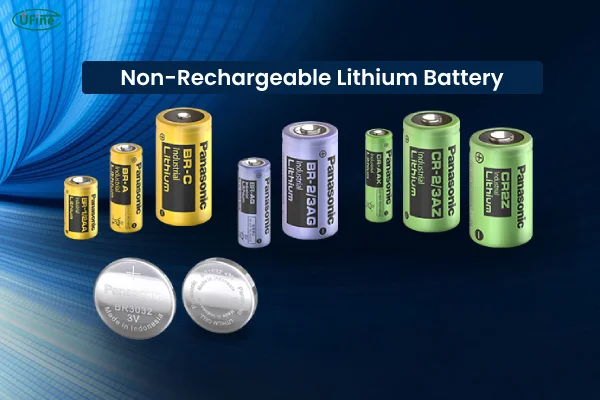
Non-rechargeable batteries (disposable batteries)
Non-rechargeable batteries (disposable batteries) can only convert chemical energy into electrical energy once. They cannot restore electrical energy to chemical energy (or have extremely poor reduction performance). Due to the presence of lithium metal, non-rechargeable batteries (disposable batteries) cannot be recharged once they lose power and can only be recycled.
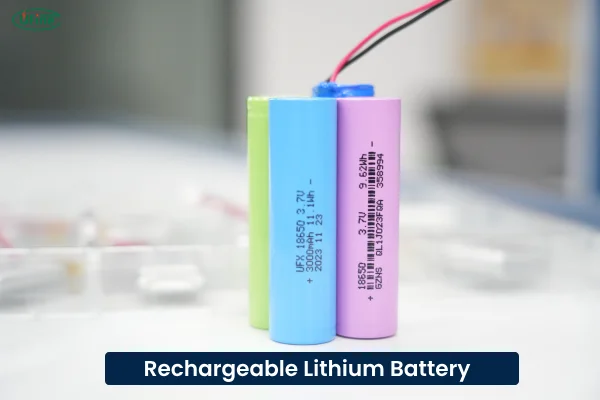
Rechargeable lithium battery (secondary battery)
Rechargeable batteries are called secondary batteries (also called storage batteries). It can convert electrical energy into chemical energy and store it. When used, chemical energy is converted into electrical energy. Rechargeable batteries can be cycled through charge and discharge.
Lithium-ion and lithium-polymer batteries
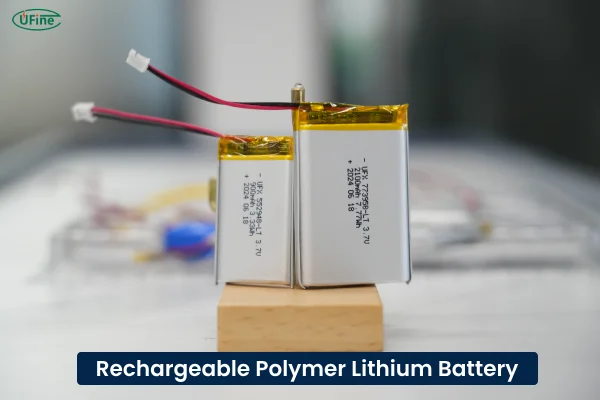
Lithium-ion batteries and lithium polymer batteries are both rechargeable batteries. The lithium-ion battery is a relatively common and widely used lithium battery. It is characterized by large capacity, long life, safety, and reliability. It can meet the needs of mobile electronic equipment, electric vehicles, etc.
Polymer lithium batteries have higher capacity, lighter weight, and are safer and are the future development trend.
Part 3. How to identify rechargeable lithium batteries
Sometimes the easiest way to avoid mistakes is simply knowing what to look for.
Battery model numbers often reveal whether a lithium battery is rechargeable. For example, 18650 batteries are rechargeable lithium-ion batteries. Meanwhile, CR2032 coin cells are non-rechargeable lithium metal batteries.
Voltage can also provide a clue. Rechargeable lithium batteries typically operate at 3.6V or 3.7V nominal voltage. Many non-rechargeable lithium batteries operate around 3V.
However, model numbers are still the safest indicator. When in doubt, always check the manufacturer specifications.
Part 4. How rechargeable lithium batteries work
The charging process of lithium batteries can be divided into three stages: Pre-Charging Mode, Fast Charging Mode, and Constant Voltage Mode.
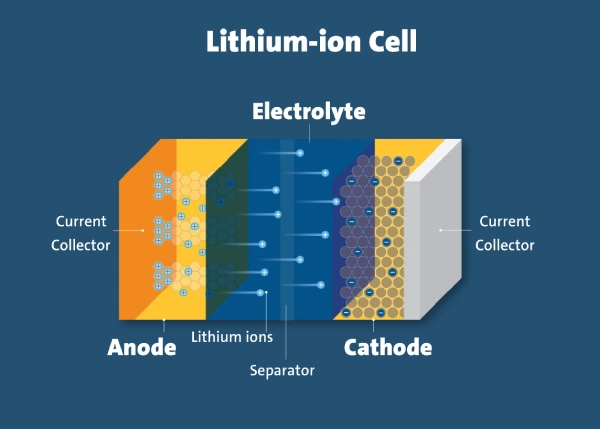
The charging method of lithium batteries is voltage limiting and constant current, which is controlled by IC chips.
The typical charging method for lithium batteries is first to detect the voltage of the battery to be charged. If the voltage is lower than 3V, precharge must be performed first. The charging current is 1/10 of the set current. After the voltage rises to 3V, it enters the standard charging process.
The standard charging process is constant current charging with a set current. When the battery voltage rises to 4.20V, it changes to constant voltage charging to keep the charging voltage at 4.20V. At this time, the charging current gradually decreases. When the current drops to 1/10 of the set charging current, charging ends.
Part 5. Types of non-rechargeable lithium batteries and application
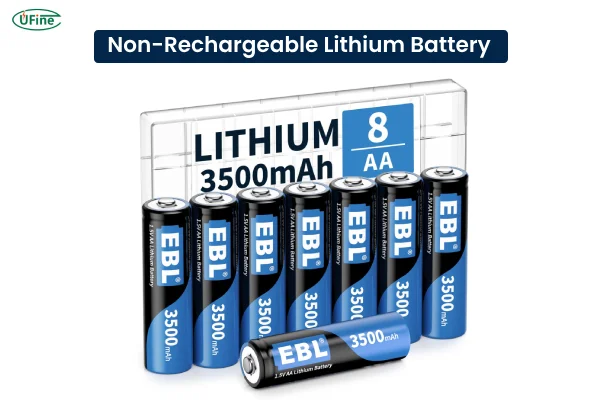
What is a non-rechargeable lithium battery?
Non-rechargeable lithium batteries are those that cannot be recharged after the battery is used up.
There are many kinds of non-rechargeable lithium batteries. The common ones are lithium-manganese dioxide batteries, lithium-thionyl chloride batteries, and lithium and other compound batteries.
1. Lithium-Manganese Dioxide (Li-MnO₂)
- Voltage: 3V
- Applications:
- Cameras
- Flashlights
- Watches
- Key fobs
- Medical equipment
- Features: High energy density, long shelf life, and reliable performance over a wide temperature range.
2. Lithium-Thionyl Chloride (Li-SOCl₂)
- Voltage: 3.6V
- Applications:
- Utility meters
- Sensors
- Military equipment
- Industrial electronics
- Features:
- Extremely long shelf life (10-20 years)
- Operates in extreme temperatures (-55°C to 150°C)
- High energy density
- Commonly used in low-drain, long-term applications.
3. Lithium-Iron Disulfide (Li-FeS₂)
- Voltage: 1.5V
- Applications:
- Digital cameras
- Toys
- Flashlights
- Portable electronics
- Features:
- Lightweight and high energy density
- Compatible as a direct replacement for standard alkaline batteries in many devices.
- Performs well in low-temperature environments.
4. Lithium-Carbon Monofluoride (Li-CFx)
- Voltage: 3V
- Applications:
- Medical devices (e.g., pacemakers)
- Utility meters
- Memory backup in electronics
- Features:
- Very high energy density
- Long shelf life
- Often used in specialized and critical applications.
5. Lithium-Copper Oxide (Li-CuO)
- Voltage: 1.5V
- Applications:
- Military and aerospace applications
- Features:
- High capacity
- Used in niche applications requiring low-to-moderate energy consumption.
6. Lithium-Polycarbon Monofluoride (Li-(CF)n)
- Voltage: 2.8–3.0V
- Applications:
- Medical implants (e.g., pacemakers)
- Military electronics
- Backup power in small devices
- Features:
- Exceptional energy density and reliability.
- Very stable voltage output over extended periods, making it ideal for low-drain, long-life devices.
Other Specialty Primary Lithium Batteries
While the above are the most commonly used types, some niche applications use custom chemistries based on lithium due to specific performance requirements, such as extreme temperatures, extended shelf lives, or precise energy outputs. Examples include lithium-sulfur dioxide (Li-SO₂) batteries, which are often used in military-grade devices and aerospace applications.
Part 6. Rechargeable vs non-rechargeable lithium batteries
To better understand the differences, here’s a comparison:
| Feature | Rechargeable Lithium | Non-Rechargeable Lithium |
|---|---|---|
| Cycle life | 500–3000 cycles | Single use |
| Cost | Higher upfront | Lower upfront |
| Maintenance | Required | Minimal |
| Shelf life | Moderate | Very long |
| Applications | Electronics, EVs | Sensors, backup power |
Another important comparison is performance characteristics:
| Battery type | Rechargeable | Typical voltage | Common applications |
|---|---|---|---|
| Lithium-ion | Yes | 3.7V | Phones, laptops |
| LiFePO4 | Yes | 3.2V | Solar, storage |
| Lithium polymer | Yes | 3.7V | Drones, electronics |
| Lithium metal | No | 3V | Coin cells, sensors |
Part 7. FAQs
Are lithium batteries rechargeable?
Some lithium batteries are rechargeable, but not all. Lithium-ion batteries are rechargeable, while lithium metal batteries are usually not.
Are lithium metal batteries rechargeable?
No. Lithium metal batteries are typically non-rechargeable and should not be charged.
Are Li-ion batteries rechargeable?
Yes. All lithium-ion batteries are rechargeable and designed for repeated use.
Can lithium batteries be recharged?
Only rechargeable lithium batteries should be recharged. Attempting to recharge disposable lithium batteries is dangerous.
Are all rechargeable batteries lithium?
No. Rechargeable batteries also include nickel-metal hydride (NiMH) and nickel-cadmium (NiCd) batteries.
Related Tags:

More Articles

JST vs Molex: The Right Battery Connector Choice
JST or Molex for your battery? Learn how connector selection affects current, voltage drop, reliability, and device performance.
Custom Battery Pricing: Costs Manufacturers Don’t Mention
A low battery quote may not be the final cost. Discover common hidden expenses that affect custom lithium battery projects.
Battery Wire Length: Hidden Cause of Power Loss
A longer battery wire can cause voltage drop, power loss, and unstable operation. Learn how wire length affects battery performance.
How Device Sleep Modes Affect Battery Life
Think sleep mode extends battery life? Learn why devices still drain power and how firmware, hardware, and batteries affect runtime.
LiPo Battery and PCB Design: Clearance, Insulation, and Placement
Learn how to optimize LiPo battery PCB clearance, insulation, placement, wiring, and thermal design—and avoid common integration mistakes.