
- Key Takeaways
- Part 1. What are home batteries?
- Part 2. Types of home batteries
- Part 3. How to choose the best home battery?
- Part 4. Home battery installation guide (best practices)
- Part 5. Home battery maintenance and safety tips
- Part 6. Home battery cost analysis: Are they worth it?
- Part 7. FAQs: Home batteries
Home batteries are a key part of modern energy systems. They store electricity from the grid or solar panels and release it when needed. This helps reduce energy bills and ensures backup power during outages. Whether you are comparing types of inverter battery for home or deciding which battery is best for home, this guide provides clear, practical answers.
Key Takeaways
- Lithium-ion is the best choice for most home batteries due to high efficiency and long lifespan.
- Battery size (kWh) should match your daily energy use and backup needs.
- Solar + battery systems deliver the highest ROI and energy independence.
- Lead-acid works for low-budget or off-grid use but needs more maintenance.
- Always check inverter compatibility, warranty (≥10 years), and cycle life.
Part 1. What are home batteries?
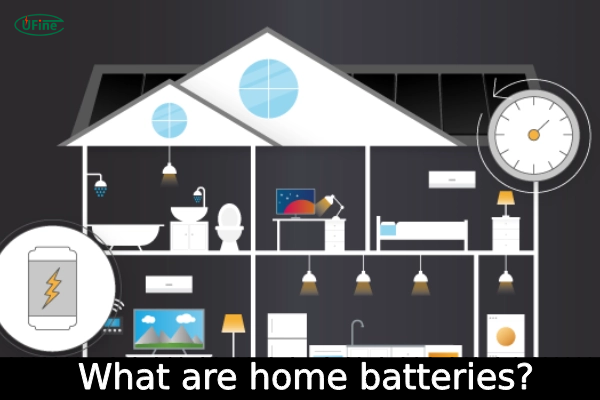
Home batteries are energy storage systems designed for residential use. They store electricity from solar panels or the grid and supply power when demand is high or during outages.
1 How home batteries work
- Charge when electricity is cheap or solar output is high
- Store energy in battery cells
- Discharge when electricity prices rise or power fails
👉 Related guide: Lithium Battery Voltage Guide
2 Benefits of home batteries
- Lower Electricity Bills
Store power during off-peak hours and use it during peak pricing. - Reliable Backup Power
Keep essential devices running during outages:- Refrigerators
- Lights
- Medical equipment
- Energy Independence
Reduce reliance on utility companies and unstable grids. - Better Solar Utilization
Store excess solar energy instead of exporting it at low rates. - Environmental Benefits
Reduce carbon footprint by maximizing renewable energy use.
Part 2. Types of home batteries
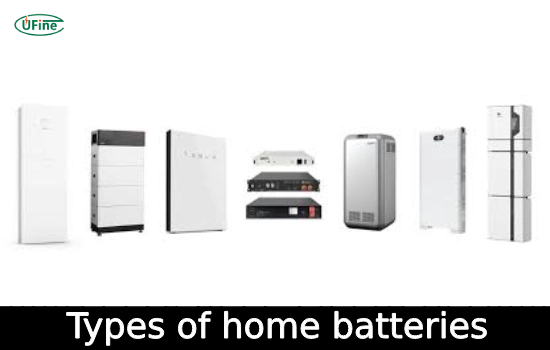
1 Lithium-ion batteries (most recommended)
- High energy density
- 90–95% efficiency
- 10–15 years lifespan
- Low maintenance
Best for:
- Solar storage
- Daily cycling
- Smart home systems
👉 Custom lithium battery solutions
2 Lead-acid batteries
- Lower upfront cost
- Mature technology
- Short lifespan (3–7 years)
- Requires maintenance
Best for:
- Off-grid systems
- Backup-only applications
3 Flow batteries
- Long cycle life
- Scalable capacity
- Lower energy density
Best for:
- Large homes
- Long-duration storage
4 Nickel-cadmium (ni-cd)
- Durable and reliable
- Performs in extreme temperatures
- Environmental concerns limit usage
5 Saltwater batteries
- Non-toxic and safe
- Eco-friendly
- Lower efficiency
6 Hybrid battery systems
- Combine multiple chemistries
- Optimize cost and performance
Part 3. How to choose the best home battery?
- Energy Consumption (kWh)
- Calculate daily usage and identify essential loads
- Battery Capacity
- Small homes: 5–10 kWh
- Backup-focused: 10–20 kWh
- Battery Chemistry
- Lithium-ion → best performance
- Lead-acid → budget option
- Inverter Compatibility
- Critical when selecting types of inverter battery for home
- Lifespan & Warranty
- ≥6000 cycles recommended
- 10-year warranty standard
- 👉 Battery lifespan guide
- Installation Environment
- Ensure proper ventilation and temperature control
- Cost vs ROI
- Consider electricity rates, solar usage, and incentives
Part 4. Home battery installation guide (best practices)
- Install in a dry, ventilated location
- Follow local electrical codes
- Use certified installers
- Ensure inverter and battery compatibility
- Test system before full operation
Part 5. Home battery maintenance and safety tips
- Inspect battery connections regularly
- Keep terminals clean and corrosion-free
- Maintain proper temperature range
- Update system software
- Follow manufacturer safety guidelines
Part 6. Home battery cost analysis: Are they worth it?
Key Cost Factors
| Factor | Impact |
|---|---|
| Upfront cost | $5,000–$15,000 |
| Energy savings | Depends on usage |
| Solar integration | Improves ROI |
| Incentives | Reduce payback time |
When Home Batteries Make Sense
- High electricity costs
- Frequent power outages
- Solar panel systems installed
- Time-of-use electricity pricing
Part 7. FAQs: Home batteries
Which battery is best for home use?
Lithium-ion batteries are the best option due to high efficiency, long lifespan, and low maintenance.
What are the main types of home batteries?
The main types include lithium-ion, lead-acid, flow batteries, saltwater batteries, and hybrid systems.
How long do home batteries last?
Lithium-ion batteries last 10–15 years, while lead-acid batteries last 3–7 years.
Can home batteries work without solar panels?
Yes. They can store electricity from the grid and provide backup power.
How do I choose the right battery size?
Match battery capacity (kWh) with your daily energy usage and backup needs.
Related Tags:

More Articles

JST vs Molex: The Right Battery Connector Choice
JST or Molex for your battery? Learn how connector selection affects current, voltage drop, reliability, and device performance.
Custom Battery Pricing: Costs Manufacturers Don’t Mention
A low battery quote may not be the final cost. Discover common hidden expenses that affect custom lithium battery projects.
Battery Wire Length: Hidden Cause of Power Loss
A longer battery wire can cause voltage drop, power loss, and unstable operation. Learn how wire length affects battery performance.
How Device Sleep Modes Affect Battery Life
Think sleep mode extends battery life? Learn why devices still drain power and how firmware, hardware, and batteries affect runtime.
LiPo Battery and PCB Design: Clearance, Insulation, and Placement
Learn how to optimize LiPo battery PCB clearance, insulation, placement, wiring, and thermal design—and avoid common integration mistakes.


