
- Part 1. What is an amp breaker?
- Part 2. What is a fuse?
- Part 3. Why does your lithium battery need protection?
- Part 4. How do amp breakers work in a lithium battery system?
- Part 5. How do fuses protect your lithium battery?
- Part 6. Pros and cons of amp breakers vs fuses
- Part 7. Which one is safer for lithium batteries?
- Part 8. When should you use an amp breaker?
- Part 9. When should you use a fuse?
- Part 10. Can you use both together?
- Part 11. FAQs about amp breakers and fuses
Amp breaker vs fuse is a common question when it comes to lithium battery protection. If you’re setting up a lithium battery system for your camper, solar setup, or boat, you need to protect your batteries from overcurrent. But should you use a fuse or an amp breaker?
The short answer: An amp breaker offers resettable protection, while a fuse is cheaper but needs to be replaced after every trip.
In this article, we’ll dive deep into the differences between amp breakers and fuses, how each one works, and which one might be better for your lithium battery system.
Part 1. What is an amp breaker?
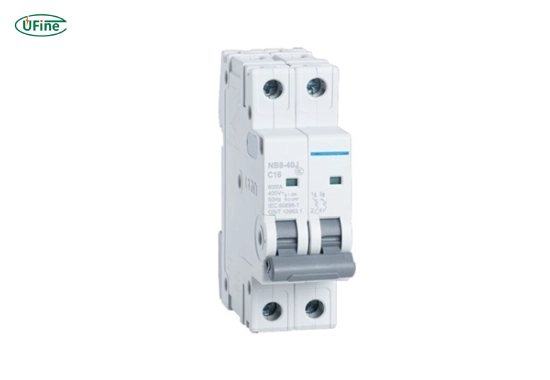
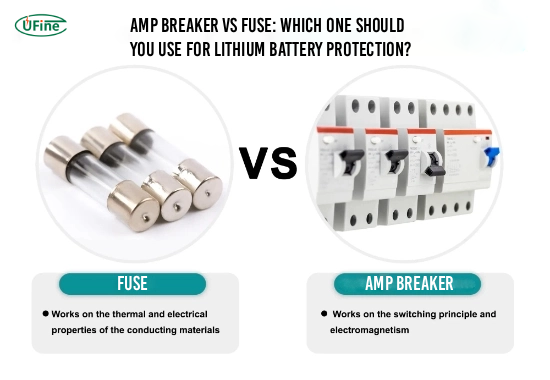
An amp breaker, also known as a circuit breaker, is a resettable electrical switch designed to protect an electrical circuit from damage caused by overcurrent or short circuit.
When too much current flows through the circuit, the amp breaker trips, cutting off the power. Unlike a fuse, it doesn’t need to be replaced. You just flip the switch back on after fixing the issue.
Most amp breakers used in lithium battery systems are DC-rated and come in various current ratings, such as 50A, 100A, or 200A.
Key features of amp breakers:
- Resettable, no replacement needed
- Available in manual or automatic reset types
- Easy to use and install
- Can act as a switch for disconnecting power
Part 2. What is a fuse?
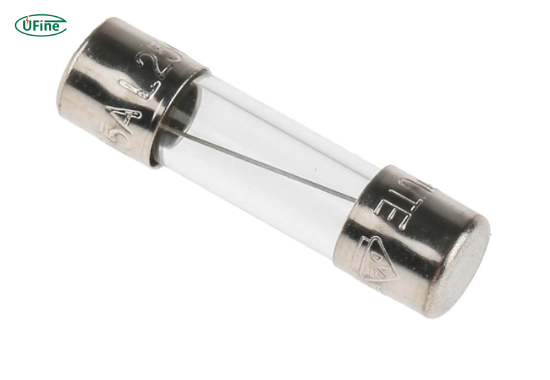
A fuse is a sacrificial safety device made of a thin metal strip. When the current exceeds a certain limit, the metal melts, breaking the circuit.
Fuses are single-use. Once blown, they need to be replaced. They are cheaper than amp breakers and have been a go-to for many traditional systems.
Types of fuses commonly used for lithium batteries:
- ANL fuses
- MIDI fuses
- Mega fuses
- Blade fuses (for smaller currents)
Key features of fuses:
- Inexpensive
- Simple design
- Reliable protection
- Must be replaced after tripping
Part 3. Why does your lithium battery need protection?
Lithium batteries are powerful and efficient, but they can also be dangerous if not handled properly. One of the main risks is overcurrent or short circuits, which can damage the battery, connected devices, or even start a fire.
Amp breakers and fuses are critical in preventing these problems. They act like safety guards, ensuring that if something goes wrong, your battery system shuts down safely.
Part 4. How do amp breakers work in a lithium battery system?
When installed in a lithium battery system, amp breakers monitor the current flow. If the current exceeds safe limits, the breaker trips, cutting off power to prevent damage.
They can be installed:
- Between the battery and inverter
- Between the battery and charge controller
- Between the battery and DC load panel
Benefits of using an amp breaker in lithium setups:
- Easy reset after tripping
- No need to carry spare fuses
- Easier troubleshooting
- Can double as a power switch
Part 5. How do fuses protect your lithium battery?
Fuses are installed in line with the positive cable. When the current exceeds the fuse’s rating, the metal strip inside melts, breaking the circuit instantly.
They are simple and reliable. However, after a fuse blows, it must be manually replaced, which can be a problem if you don’t have spares on hand.
Fuses are better for permanent installations where space is limited and minimal maintenance is expected.
Part 6. Pros and cons of amp breakers vs fuses
| Feature | Amp Breaker | Fuse |
|---|---|---|
| Resettable | Yes, just flip the switch | No, must be replaced |
| Cost | Higher upfront cost | Low cost |
| Ease of use | Very user-friendly | Not convenient |
| Size | Larger in size | Smaller and compact |
| Switch function | Can be used as power switch | No |
| Availability | May be harder to find locally | Widely available |
| Maintenance | Low, no spare parts needed | Must stock replacement fuses |
Part 7. Which one is safer for lithium batteries?
Both amp breakers and fuses are safe if used correctly. However, amp breakers give you more control and are easier to manage in case something goes wrong.
If you’re working with larger battery banks or complex systems, an amp breaker is often the better choice. For basic setups or tight budgets, fuses still work well.
Part 8. When should you use an amp breaker?
Use an amp breaker if:
- You want a resettable solution
- You’re installing a DIY solar or camper setup
- You need to manually shut off power
- You want to troubleshoot easily
- You prefer maintenance-free protection
Amp breakers are ideal for those who want flexibility and convenience in managing their lithium battery systems.
Part 9. When should you use a fuse?
Use a fuse if:
- You’re on a tight budget
- Space is limited
- You don’t need to reset the circuit often
- You want a simple and reliable solution
- You have spare fuses ready
Fuses are better in small, static systems where switching and frequent resets are not necessary.
Part 10. Can you use both together?
Yes, in fact, some people use both an amp breaker and a fuse for extra protection. For example, you might use a fuse close to the battery terminal and an amp breaker closer to the load.
This layered approach adds redundancy and safety, especially in critical systems.
Part 11. FAQs about amp breakers and fuses
What size amp breaker should I use for a 100Ah lithium battery?
You should choose an amp breaker rated slightly higher than your maximum expected current. For a 100Ah lithium battery, if your system draws up to 50A, a 60A breaker would be a good choice.
Are amp breakers better than fuses?
Amp breakers are better for convenience, but fuses are better for cost-effectiveness. Each has its place. For frequent access and troubleshooting, a breaker wins. For simple systems, a fuse may be enough.
Can I replace a fuse with an amp breaker?
Yes, you can replace a fuse with an amp breaker as long as the current rating matches and the breaker is rated for DC use. Make sure to check the voltage ratings too.
Do amp breakers trip faster than fuses?
Not always. Fuses typically trip faster, especially glass or blade fuses. Amp breakers can have short delays, depending on their type. Choose based on your protection needs.
What happens if I use the wrong size fuse or breaker?
Using a fuse or breaker that’s too large means your system might not be protected. If it’s too small, it might trip or blow unnecessarily. Always size them according to your system’s max current draw.
Related Tags:

More Articles

Best 5 Riding Lawn Mower Battery Manufacturers
Looking for the best riding mower battery? Compare top battery brands by lifespan, maintenance, price, and performance.
All You Need to Know About CB Certification for Lithium Batteries
Learn what CB certification and the IECEE CB Scheme mean for lithium batteries. Explore requirements, testing, benefits, and global market access.
How to Choose the Right 3S LiPo Battery 5000mAh for Your RC Hobby Projects?
Learn how to choose the best 3S LiPo battery 5000mAh for RC cars, drones, boats, and planes. Compare C ratings, runtime, connectors, charging, and safety tips.
Comparing Semi Truck Batteries vs. Truck Batteries
Compare semi truck batteries and truck batteries by size, CCA, lifespan, and battery type. Learn how to choose the right truck battery for your vehicle.
Top 10 Flat Lithium Ion Battery Options for Compact Devices
Explore top flat lithium ion battery options, key specifications, and selection factors for compact electronics, medical devices, and energy storage systems.


