
- Key Takeaways
- Part 1. What is a power wheels battery?
- Part 2. Types of batteries for power wheels
- Part 3. How to choose the best battery for power wheels
- Part 4. How long does a power wheels battery last?
- Part 5. How to charge a power wheels battery correctly
- Part 6. Maintenance tips to extend power wheel battery life
- Part 7. Common power wheels battery problems
- Part 8. When to replace your power wheels battery
- Part 9. FAQs: Power wheels battery
Power Wheels batteries power kids’ ride-on cars. The right battery affects speed, run time, and safety. This guide explains battery types, lifespan, charging, and how to choose the best battery for Power Wheels.
Key Takeaways
- 12V is the most common power wheels battery for balanced speed and safety.
- Lithium batteries (LiFePO4/NMC) offer longer life, faster charging, and lighter weight than lead-acid.
- A typical power wheels battery lasts 1–3 years (lead-acid) or up to 5 years (lithium).
- Always match voltage and connector type to avoid damage.
- Proper charging and storage can extend battery life by 30–50%.
Part 1. What is a power wheels battery?
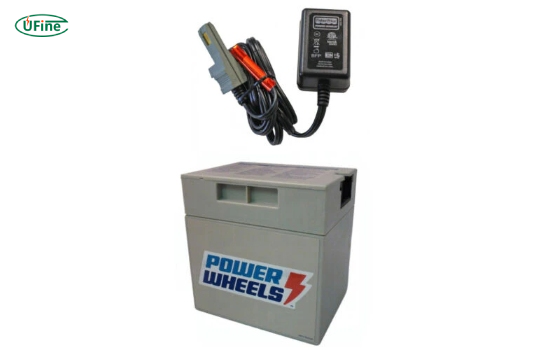
A power wheels battery is a rechargeable battery used in electric ride-on toys. It supplies energy to the motor, lights, and control system.
Common Battery Types
- Sealed Lead-Acid (SLA / VRLA)
Standard in most toys
Low cost and widely available - Lithium-ion (LiFePO4 / NMC)
Higher performance upgrade option
Better energy density and lifespan
👉 Learn more about lithium technology in our guide: lithium-ion battery basics
Part 2. Types of batteries for power wheels
1 By voltage (most important factor)
| Battery Type | Typical Use | Speed | Best For |
|---|---|---|---|
| 6V | Entry-level | Low | Toddlers (2–5 years) |
| 12V | Standard | Medium | Most kids (5+) |
| 24V | High power | Fast | Older kids (8+) |
2 Lithium vs lead-acid comparison
| Feature | Lead-Acid Battery | Lithium Battery |
|---|---|---|
| Weight | Heavy | Light |
| Lifespan | 1–3 years | 3–5 years |
| Charging Time | 8–12 hours | 2–5 hours |
| Maintenance | Medium | Low |
| Performance | Drops over time | Stable output |
3 Why lithium is becoming the best battery for power wheels
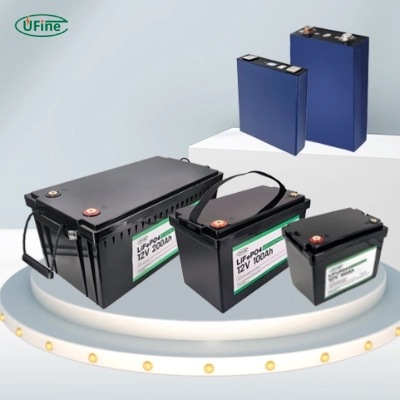
Many users now upgrade to power wheels lithium battery systems for better performance.
Key Advantages
- Lighter weight → better speed and efficiency
- Longer lifespan → fewer replacements
- Faster charging → less downtime
- Stable voltage → consistent speed
- Low maintenance → no fluid or corrosion issues
For safety standards, refer to battery guidelines from: UL (Underwriters Laboratories) and U.S. Department of Energy
Part 3. How to choose the best battery for power wheels
Choosing the right battery is a compatibility and usage decision.
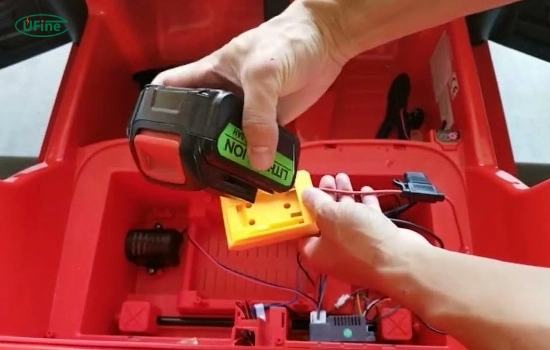
- Match Voltage First
Never upgrade from 12V → 24V unless the motor supports it
Wrong voltage can damage the controller - Check Connector & Size
Ensure plug type and dimensions fit your model - Consider Usage Frequency
Occasional use → lead-acid is fine
Daily use → lithium is more cost-effective - Think About Run Time
Higher Ah = longer ride time
👉 Related reading: battery capacity and runtime explained
Part 4. How long does a power wheels battery last?
This is one of the most searched questions: “how long does a power wheels battery last?”
Typical Lifespan
- Lead-acid: 1–3 years (200–300 cycles)
- Lithium: 3–5 years (500–1000 cycles)
Run Time Per Charge
- 6V: ~1 hour
- 12V: ~1–2 hours
- 24V: ~2–3 hours
- Lithium: Often longer under same conditions
Part 5. How to charge a power wheels battery correctly
Proper charging is critical for lifespan.
Charging Steps
- Use the correct charger (voltage-matched)
- Charge after each use
- Avoid deep discharge
- Stop charging when full
Charging Time
- Lead-acid: 8–12 hours
- Lithium: 2–5 hours
👉 See full guide: how to charge lithium batteries safely
Part 6. Maintenance tips to extend power wheel battery life
- Store in a cool, dry place (10–25°C)
- Avoid full discharge
- Charge every 1–2 months during storage
- Clean terminals to prevent corrosion
Part 7. Common power wheels battery problems
1 Battery not charging
- Check charger and cable
- Test voltage with a multimeter
- Replace if no response
2 Short run time
- Aging battery
- Overloading vehicle
- Cold weather impact
3 Car not moving
- Loose wiring
- Faulty switch or motor
- Battery connection issue
Part 8. When to replace your power wheels battery
Replace your battery if you notice:
- Run time drops sharply
- Battery won’t hold charge
- Swelling or leakage
- Overheating during charging
Part 9. FAQs: Power wheels battery
What is the best battery for Power Wheels?
For frequent use, lithium (LiFePO4) is the best battery for power wheels due to longer lifespan and faster charging. Lead-acid is still cost-effective for occasional use.
How long does a Power Wheels battery last?
Most lead-acid batteries last 1–3 years, while lithium batteries can last up to 5 years with proper care.
How to charge a Power Wheels battery safely?
Use the correct charger, avoid overcharging, and charge after each ride. Lithium batteries charge faster and need less monitoring.
Can I upgrade to a lithium battery?
Yes, but only if voltage and connector match. Also ensure the motor controller supports lithium output.
Why does my Power Wheels battery drain fast?
Common causes include battery aging, heavy load, low temperature, or improper charging habits.
Related Tags:

More Articles
Dead Battery or Device Failure? How to Find the Cause
Think your device is broken? Learn how to tell if the problem comes from battery aging or hardware failure before replacing your electronics.
Why iPhone Duo Uses Two Batteries: The Engineering Behind Foldable Phone Power
Why do foldable phones need two batteries? Explore the engineering challenges behind iPhone Duo’s dual-battery architecture and future battery trends.
Solid-State Batteries: 3 Myths You Need to Know
Solid-state batteries promise safer EVs and longer range, but the reality is more complex. Discover the challenges behind this next-gen technology.
Battery Capacity vs Discharge Rate: The Choice Engineers Face
Higher capacity or higher discharge rate? Learn how to choose the right LiPo battery for longer runtime, stable power output, and better device performance.
Battery Cable Size Guide: Choose the Right Wire Fast
Not sure what battery cable size you need? Learn how to select the right wire gauge, terminal size, and cable for safer, more efficient battery systems.


