
- Part 1. What does 4.0Ah or 2.0Ah mean in a battery?
- Part 1. What does 4.0Ah or 2.0Ah mean in a battery?
- Part 2. What is a 4.0Ah battery?
- Part 3. What is a 2.0Ah battery?
- Part 4. What are the key differences between 4.0Ah and 2.0Ah batteries?
- Part 5. Which battery is better for heavy-duty projects?
- Part 6. Which battery is best for light or quick tasks?
- Part 7. How does battery weight affect usability?
- Part 8. Can you mix and match 4.0Ah and 2.0Ah batteries?
- Part 9. Which battery is more cost-effective?
- Part 10. How do 4.0Ah and 2.0Ah batteries perform in real-world scenarios?
- Part 11. FAQs about 2.0 ah vs 4.0 ah battery
One of the most common dilemmas when choosing the right battery for your cordless tools is: 4.0Ah vs. 2.0Ah battery—which one should you choose? You’re not alone if you’ve ever found yourself comparing these two options. The Ah rating is an essential factor that directly impacts your tools’ runtime, weight, and overall performance.
In this article, we’ll explain what makes a 4.0Ah battery different from a 2.0Ah battery, explore its advantages, and help you decide which one is better for your projects. We’ll also address some frequently asked questions to help you better understand how these batteries perform in real-world scenarios.
Part 1. What does 4.0Ah or 2.0Ah mean in a battery?
Part 1. What does 4.0Ah or 2.0Ah mean in a battery?
In battery terms, “Ah” stands for ampere-hours, a measure of the battery’s capacity. A 4.0Ah battery means it can supply 4 amps of current for 1 hour, whereas a 2.0Ah battery can provide 2 amps of current for 1 hour.
Quick Answer: A 4.0Ah battery stores twice the capacity of a 2.0Ah battery, offering about double the runtime, but with more weight, longer charging time, and higher cost. A 2.0Ah battery is lighter, charges faster, and is cheaper—best for short or light tool use.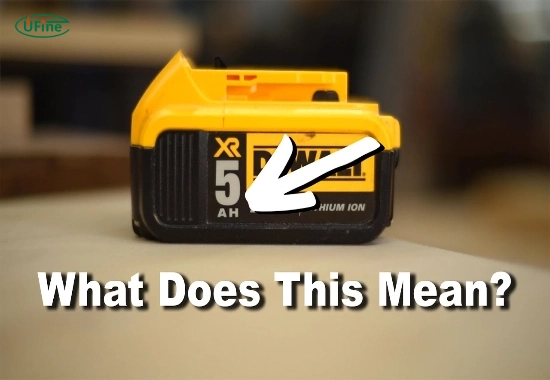
Part 2. What is a 4.0Ah battery?
A 4.0Ah battery is a high-capacity battery designed to provide more energy storage, directly translating to longer runtime for your tools. The “4.0Ah” rating means the battery can deliver 4 amps of current for one hour before recharging.
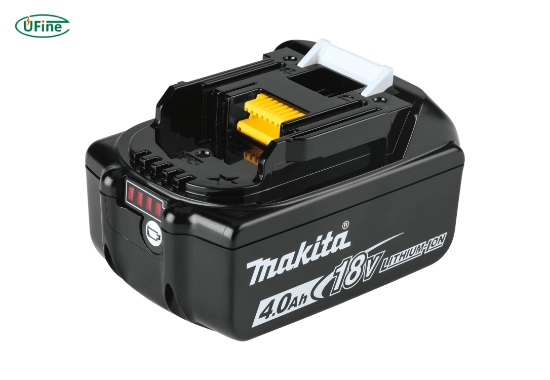
Key features of a 4.0Ah battery:
- Longer runtime: Ideal for heavy-duty or extended projects.
- Larger size and weight: Typically bulkier than lower-capacity batteries.
- Longer charging time: It takes more time to recharge compared to smaller batteries.
- Higher cost: Generally more expensive due to its larger capacity.
A 4.0Ah battery is best for professionals or individuals who frequently work on demanding projects, such as construction, woodworking, or long outdoor tasks.
Part 3. What is a 2.0Ah battery?
A 2.0Ah battery is a lower-capacity battery better suited for lighter tasks or quick jobs. The “2.0Ah” rating means it can deliver 2 amps of current for one hour before requiring a recharge.
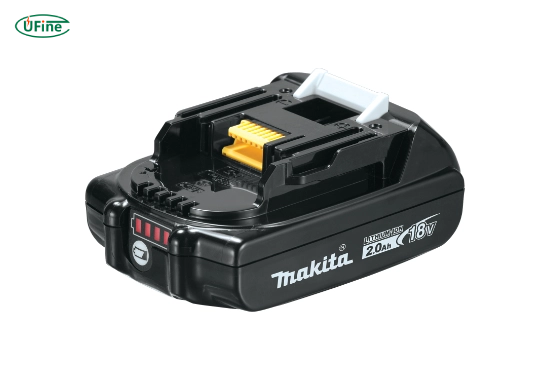
Key features of a 2.0Ah battery:
- Shorter runtime: Best for quick or light projects.
- Compact and lightweight: Easier to handle, making it ideal for handheld tools.
- Faster charging time: Recharges quicker than higher-capacity batteries.
- Lower cost: More affordable than higher Ah-rated batteries.
A 2.0Ah battery is perfect for DIY enthusiasts or those who use their tools occasionally and don’t require extended runtime.
Part 4. What are the key differences between 4.0Ah and 2.0Ah batteries?
The main difference lies in their capacity and performance:
- Capacity: A 4.0Ah battery has twice the energy storage capacity of a 2.0Ah battery.
- Runtime: The 4.0Ah battery lasts significantly longer, making it ideal for extended projects.
- Weight: The 4.0Ah battery is bulkier and heavier, while a 2.0Ah battery is compact and lightweight.
- Charging Time: A 4.0Ah battery requires longer charging time compared to the 2.0Ah battery.
- Cost: The 4.0Ah battery generally comes at a higher price due to its larger capacity.
Comparison Between 2.0Ah and 4.0Ah Batteries:
| Battery Type | Weight | Runtime | Charging Time | Best Use Case |
|---|---|---|---|---|
| 2.0Ah Battery | Lighter, more portable | Shorter runtime | Faster to recharge | Short, light projects (DIY, quick repairs) |
| 4.0Ah Battery | Heavier, less portable | Longer runtime | Takes longer to recharge | Extended heavy-duty work (construction, woodworking) |
Part 5. Which battery is better for heavy-duty projects?
If you’re working on large-scale or heavy-duty projects, such as construction or carpentry, a 4.0Ah battery is the better choice. Its higher capacity ensures that your tools will run longer without interruptions, which is crucial when you’re using power-hungry tools like:
- Circular saws
- Hammer drills
- Reciprocating saws
Although the 4.0Ah battery is heavier and takes longer to recharge, its extended runtime makes it worth the investment for professionals or users who rely on their tools for demanding work.
Part 6. Which battery is best for light or quick tasks?
A 2.0Ah battery is often better for smaller, less intensive projects. Its lightweight design and compact size make it easier to handle, especially for handheld tools like:
- Cordless drills
- Impact drivers
- Screwdrivers
Additionally, a 2.0Ah battery’s shorter charging time means you can quickly return to work if the battery runs out. This makes it ideal for DIY enthusiasts or anyone who doesn’t need extended runtime.
Part 7. How does battery weight affect usability?
Weight and ergonomics are key factors when choosing between a 4.0Ah and a 2.0Ah battery.
- 4.0Ah batteries are heavier, making tools harder to maneuver over long periods. This is especially noticeable in handheld tools.
- 2.0Ah batteries are lighter and more portable, making them easier for precision work or tight spaces.
If you prioritize comfort and ease of handling, the 2.0Ah battery might be the better choice. However, for stationary tools or tasks where weight isn’t a concern, the added capacity of a 4.0Ah battery is a clear advantage.
Part 8. Can you mix and match 4.0Ah and 2.0Ah batteries?
Yes, you can mix and match 4.0Ah and 2.0Ah batteries as long as they are compatible with your tool’s voltage requirements. Both batteries will provide the same power output, but keep the following in mind:
- A 4.0Ah battery will last longer but make the tool heavier.
- A 2.0Ah battery will make the tool lighter but require more frequent recharging.
This flexibility allows you to switch batteries depending on the task, maximizing both performance and convenience.
Part 9. Which battery is more cost-effective?
Regarding cost, 2.0Ah batteries are generally more affordable than 4.0Ah batteries. If you’re on a budget or don’t need extended runtime, the 2.0Ah battery is the most economical.
However, frequent users may find that the higher upfront cost of a 4.0Ah battery pays off in the long run due to fewer interruptions and less time spent charging.
Part 10. How do 4.0Ah and 2.0Ah batteries perform in real-world scenarios?
The performance of these batteries largely depends on the tool and task:
- 4.0Ah batteries excel in high-demand scenarios, such as cutting, drilling, or grinding for extended periods.
- 2.0Ah batteries are better suited for light-duty tasks or projects where portability and weight are more important than runtime.
Understanding how these batteries perform in different situations can help you choose the one that best suits your needs.
| Tool Type | Recommended Battery |
|---|---|
| Circular saw, hammer drill | 4.0Ah battery |
| Impact driver, cordless screwdriver | 2.0Ah battery |
| Reciprocating saw | 4.0Ah battery |
| Lightweight drill | 2.0Ah battery |
Part 11. FAQs about 2.0 ah vs 4.0 ah battery
What does 4.0Ah mean in a battery?
4.0Ah refers to a battery’s capacity, meaning it can provide 4 amps of current for 1 hour, offering longer runtime compared to a 2.0Ah battery.
What is the difference between 4.0Ah and 2.0Ah battery?
The key differences are in the energy storage capacity, runtime, weight, and cost. A 4.0Ah battery offers longer runtime and is heavier, while a 2.0Ah battery is more affordable and lighter for quick tasks.
Can you use a 4.0Ah battery in place of a 2.0Ah battery?
Yes, as long as the voltage matches your tool’s requirements. A 4.0Ah battery will last longer but will make the tool heavier.
Does a 4.0Ah battery last twice as long as a 2.0Ah battery?
Generally, yes. A 4.0Ah battery lasts about twice as long, making it ideal for longer tasks.
Related Tags:

More Articles

Comparative Analysis: 14500 Battery Vs. 18650 Battery
Compare 14500 vs 18650 batteries by size, voltage, capacity, runtime, discharge current, charging, safety, and applications to choose the right cell.
12V Lithium-Ion What Voltage at Fully Charged and Why Your Battery Might Not Reach It
Check the 12V lithium battery voltage chart for 3S Li-ion and 4S LiFePO4. Learn full charge, resting voltage, charger limits, and fault checks.
LiFePO4 Voltage Chart Guide: Everything You Need to Know
Check the LiFePO4 voltage chart for 3.2V, 12V, 24V and 51.2V batteries. Compare SOC, charging voltage, cutoff limits and internal resistance.
Lithium Ion Cell Sizes: A Comprehensive Guide
Compare lithium ion cell sizes with a chart of dimensions, capacity ranges, cell types, applications, and key factors for selecting the right battery.
6 Volt Tractor Battery vs 12 Volt: Which One Fits Your Farm Equipment Best?
Compare 6V and 12V tractor batteries. Learn which voltage fits vintage or modern tractors, which specifications matter, and how to convert safely.


