- Part 1. What is a 3C battery? The two key meanings
- Part 2. Types of 3C electronic batteries
- Part 3. Application of 3C electronic batteries
- Part 4. 3C rate battery types: what does the c-rate really mean?
- Part 5. Why is C important for battery performance?
- Part 6. Is the higher the battery c-rate, the better?
- Part 7. Ufine Battery: high rate batteries for every need
- Part 8. FAQs
If you’re into electronics or anything that runs on batteries, you’ve probably come across the term “3C battery” at some point. But what exactly does it mean, and why should you care?
The term “3C” can refer to two very different things in the world of batteries: the 3C electronic battery and the C-rate (discharge rate) of a battery. Understanding both aspects of 3C batteries is essential for anyone looking to dive deeper into battery performance, efficiency, and applications.Part
In this article, we’ll explore both meanings in detail. We’ll break down what these batteries are, how they work, and where they’re used. Let’s get started!
Key Takeaways
- A 3C battery can refer to both a battery used in consumer electronics and a battery with a 3C discharge rating, depending on the context.
- The C-rate determines how quickly a battery can deliver energy and directly affects power output, heat generation, and battery lifespan.
- A higher C-rate does not always mean better performance — the ideal rating depends on the device’s power requirements and operating conditions.
- High-rate batteries require proper thermal management and battery design to maintain safety and reliability.
- Choosing the right battery chemistry, capacity, and discharge capability is essential for achieving the best balance between performance and durability.
Part 1. What is a 3C battery? The two key meanings
3C as a Battery Type:
A 3C battery, in one sense, refers to a specific type of battery used in electronic devices. These batteries, often lithium-based, are designed to provide efficient power for small to medium-sized electronics.
3C as a Discharge Rate:
The other meaning of “3C” refers to the C-rate, which indicates how fast a battery discharges its power. A battery’s C-rate is a key factor that determines how quickly the stored energy is released during use. For example, a “3C battery” would discharge its rated capacity three times in one hour.
What does C Mean in Batteries?
Understanding these two aspects of 3C batteries is important because it helps you make informed choices about which battery suits your needs—whether it’s for electronics or high-power applications.
Part 2. Types of 3C electronic batteries

There are various types of 3C batteries based on their chemistry and the specific applications they’re designed for. Here’s a breakdown of the most common types:
Lithium-Ion Batteries (Li-ion):
These are the most widely used in 3C applications, thanks to their high energy density, long lifespan, and relatively lightweight design. They can provide consistent voltage over their discharge cycle and are used in a variety of devices, from smartphones to electric vehicles.
Lithium Polymer Batteries (LiPo):
LiPo batteries are similar to Li-ion but use a gel-like electrolyte. They’re known for their flexibility in design, which makes them ideal for applications that require a custom-shaped battery. LiPo batteries are often used in drones, RC devices, and wearables.
Nickel-Metal Hydride (NiMH):
While less common for high-drain devices than lithium-based batteries, NiMH batteries are still used in some electronic devices. They offer a good balance between capacity and cost but tend to be bulkier than lithium options.
Each of these battery types is designed with specific needs in mind, from portable electronics to more industrial applications. Understanding these distinctions can help you choose the right 3C battery for your needs.
Part 3. Application of 3C electronic batteries
The versatility of 3C batteries makes them suitable for a range of applications across different industries. Here are some of the most common uses:
Consumer Electronics:
3C batteries are found in devices like smartphones, laptops, tablets, and digital cameras. Their ability to deliver reliable power while being compact and lightweight makes them ideal for these devices.
Power Tools:
High-drain power tools like drills, saws, and sanders often use 3C-rated batteries to ensure long-lasting, high-powered performance. The high discharge rate is crucial for these tools, as they require bursts of energy to operate effectively.
Electric Vehicles (EVs):
Lithium-based 3C batteries are used in electric vehicles, including electric bikes and scooters. The ability to discharge at a high rate allows EVs to travel longer distances and charge faster.
Drones and RC Vehicles:
Another area where 3C batteries shine is in drones and remote-controlled vehicles. They offer the high power needed for quick movements and long flights, especially in racing or competitive settings.
Part 4. 3C rate battery types: what does the c-rate really mean?
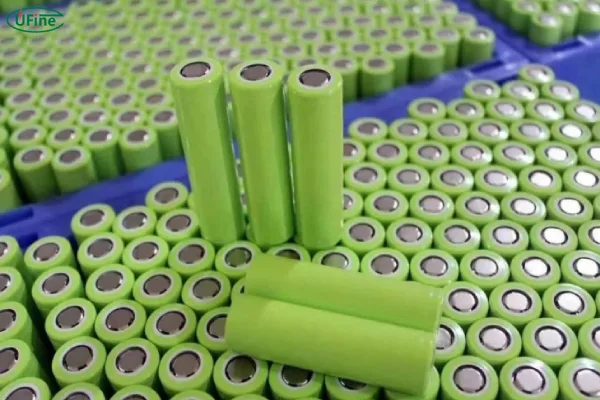
When it comes to 3C batteries, the “C” rating refers to the rate at which a battery discharges its energy. But what exactly does that mean in practical terms?
Let’s say a battery has a capacity of 1,000 mAh (milliampere-hour). A 1C discharge rate means the battery can provide 1,000 mA for one hour. Similarly, a 3C discharge rate means the battery can discharge 3,000 mA (or 3A) for one hour, releasing its stored energy more quickly.
Why the C-rate matters:
The higher the C-rate, the faster the battery discharges. Higher C-rates are important for applications that require sudden bursts of power, like power tools, drones, and electric vehicles. However, batteries with higher C-rates often have shorter lifespans because they’re stressed more during use.
Types of C-rates:
- 1C: Regular discharge rate, ideal for standard electronics and low-drain devices.
- 3C-5C: Suitable for high-drain devices like drones or power tools.
- 10C and beyond: Used in high-performance applications like racing drones or industrial machinery.
What is a High-Rate Discharge Battery?
Choosing the right C-rate for your application can make all the difference in battery performance, longevity, and overall efficiency.
Part 5. Why is C important for battery performance?
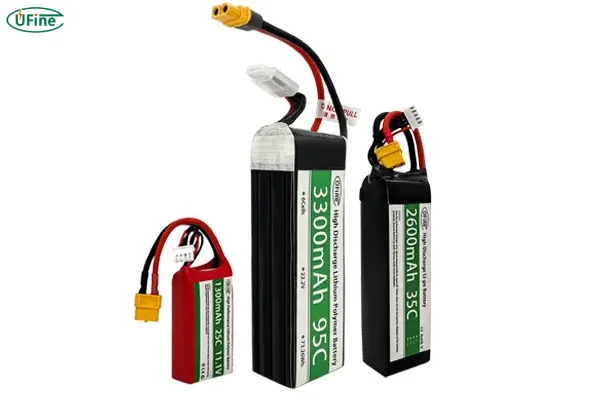
The C-rate is more than just a technical term—it directly affects how a battery performs. A higher C-rate means the battery can deliver more power more quickly. However, it’s a balancing act. If a battery is discharged too quickly (too high of a C-rate), it could overheat, reduce its lifespan, or even cause damage.
Battery Efficiency:
A higher C-rate allows batteries to perform better in demanding applications. But for devices that don’t need a lot of power, a lower C-rate will suffice and provide a longer, more stable battery life.
Thermal Management:
As the C-rate increases, so does the heat generated by the battery. Efficient thermal management is key to ensuring that high-discharge batteries don’t overheat, which is why batteries with higher C-rates often require additional cooling mechanisms.
Part 6. Is the higher the battery c-rate, the better?
You might think that a higher C-rate is always better for performance, but that’s not always the case. Here’s why:
Pros of High C-rate:
- Quick discharge of power, suitable for high-performance devices like drones and power tools.
- Ideal for applications requiring bursts of energy in short periods of time.
Cons of High C-rate:
- Reduced battery lifespan due to the increased stress on the battery.
- More heat is generated, which can cause damage or efficiency loss if not properly managed.
- Higher costs for high C-rate batteries.
The key is to choose a battery with a C-rate that aligns with your needs. If you’re using a device that doesn’t require a huge burst of power, a lower C-rate might actually be a better choice in terms of longevity and cost.
Part 7. Ufine Battery: high rate batteries for every need
If you’re in the market for high-rate batteries, look no further than Ufine Battery. As a leading Chinese lithium battery manufacturer, Ufine specializes in developing and producing high-performance batteries for a variety of applications.
Whether you need lithium-ion, LiFePO4, or any other high-rate battery, Ufine offers customizable options in terms of size, voltage, and capacity. Their batteries are designed to deliver reliable power even in the most demanding conditions.
Part 8. FAQs
1. How is a 3C battery different from a normal battery?
A 3C battery differs from a standard battery mainly in its power delivery capability. A battery with a 3C discharge rating can provide three times its rated capacity in current output, making it more suitable for devices that require higher power bursts. However, whether it is better than a normal battery depends on the specific application requirements.
2. Does a higher C-rate reduce battery life?
A higher C-rate can contribute to faster battery degradation because increased current output generates more heat and places greater stress on internal components. However, a well-designed high-rate battery with proper materials and thermal management can still provide reliable cycle life.
3. What factors affect the actual C-rate performance of a battery?
The actual performance of a battery depends on several factors, including battery chemistry, electrode design, internal resistance, temperature, battery management system (BMS), and manufacturing quality. The rated C-rate is usually measured under specific testing conditions.
4. Can manufacturers customize batteries with different C-rates?
Yes. Battery manufacturers can customize batteries with different discharge capabilities by adjusting cell chemistry, electrode materials, internal structure, and battery pack design. Customization allows the battery to meet specific requirements for applications such as IoT devices, drones, medical equipment, and portable electronics.
Related Tags:

More Articles
Buck vs. Boost vs. Buck-Boost Converter: Which Is Best for Battery?
Not sure which converter your battery-powered device needs? Compare Buck, Boost, and Buck-Boost designs and discover what affects voltage stability and runtime.
How to Match 18650 Cells for a Reliable Battery Pack?
Building an 18650 battery pack? Learn how to compare cell capacity, voltage, and internal resistance to avoid mismatches and improve reliability.
Why Do 18650 Battery Packs Get Hot During Discharge?
Is your 18650 battery pack overheating under load? Learn what causes excess heat, how to spot dangerous symptoms, and what to do next.
18650 Battery BMS: How to Get the Specs Right
Learn how to choose a BMS for an 18650 battery pack. Compare voltage, current ratings, protection features, and balancing before you buy.
Why Does My Ring Camera Battery Drain So Fast or Stop Charging?
Is your Ring camera battery draining fast or not charging? Discover common causes, practical fixes, and when to replace the battery.