

Ufine Electric Toothbrush Battery
As an efficient cleaning oral care tool, electric toothbrushes have become increasingly popular in recent years. There are many styles of electric toothbrushes on the market, many of which are unprofessional products. Many electric toothbrushes have problems such as uneven vibration frequency, unstable power, poor compatibility, and the need for frequent charging. They are likely to cause tooth damage after use.
But in fact, there are mainly three components that affect the basic functions of an electric toothbrush: motor, bristles, and battery. As a lithium battery manufacturer, Ufine will talk about electric toothbrush batteries today.
Electric toothbrush battery types
Most electric toothbrushes use rechargeable batteries, specifically Nickel-Metal Hydride (NiMH) or Lithium-ion (Li-ion) batteries. These batteries are chosen for their ability to provide consistent power output, long battery life, and the convenience of rechargeability.
NiMH batteries have been commonly used in electric toothbrushes for many years. They offer good capacity, allowing the toothbrush to operate for an extended period between charges. NiMH batteries are also relatively safe and cost-effective.
In recent years, some higher-end electric toothbrush models have started incorporating Lithium-ion batteries. Li-ion batteries are known for their higher energy density, which translates to longer battery life. They also have a lower self-discharge rate, meaning they can hold their charge for longer periods when not in use. Li-ion batteries are lightweight and provide consistent power output throughout their cycle.
The choice between NiMH and Li-ion batteries in electric toothbrushes often depends on factors such as cost, desired battery life, and the specific features of the toothbrush model. Regardless of the battery type, it is important to follow the manufacturer’s instructions for proper charging and maintenance to maximize the battery’s lifespan and performance.
Are electric toothbrush batteries with greater capacity better?
Frankly speaking, electric toothbrushes are convenient to use, but if the battery life is not good enough and they have to be charged every three days, it will also become a big trouble. More importantly, if the quality of the electric toothbrush battery is very poor and the battery life is too short, the charging frequency of the electric toothbrush will be relatively high. Not only will it be troublesome to use, but the battery life will also be quickly reduced!
Some people say this is simple, just choose the larger battery capacity. That’s right, but not entirely right. Although it is true that battery capacity and battery life are directly linked, if you blindly pursue a larger battery capacity, battery life may not necessarily improve. However, the weight of the toothbrush is constantly increasing, which makes your wrists suffer in vain. Therefore, when buying an electric toothbrush, you can choose one with a large battery but a light body, so that it can last a long time without using your hands.
Ufine electric toothbrush battery
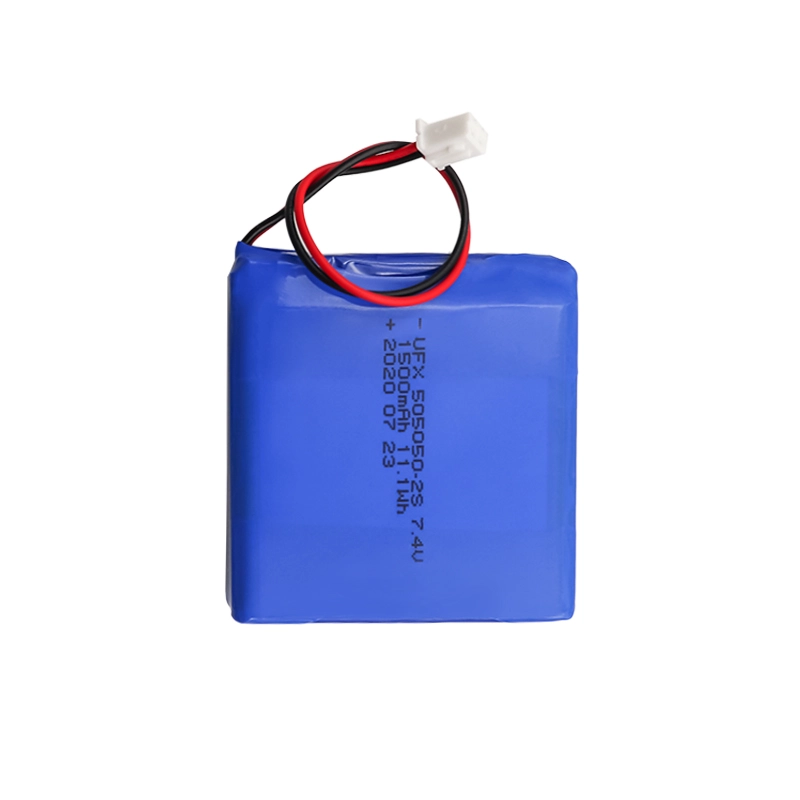
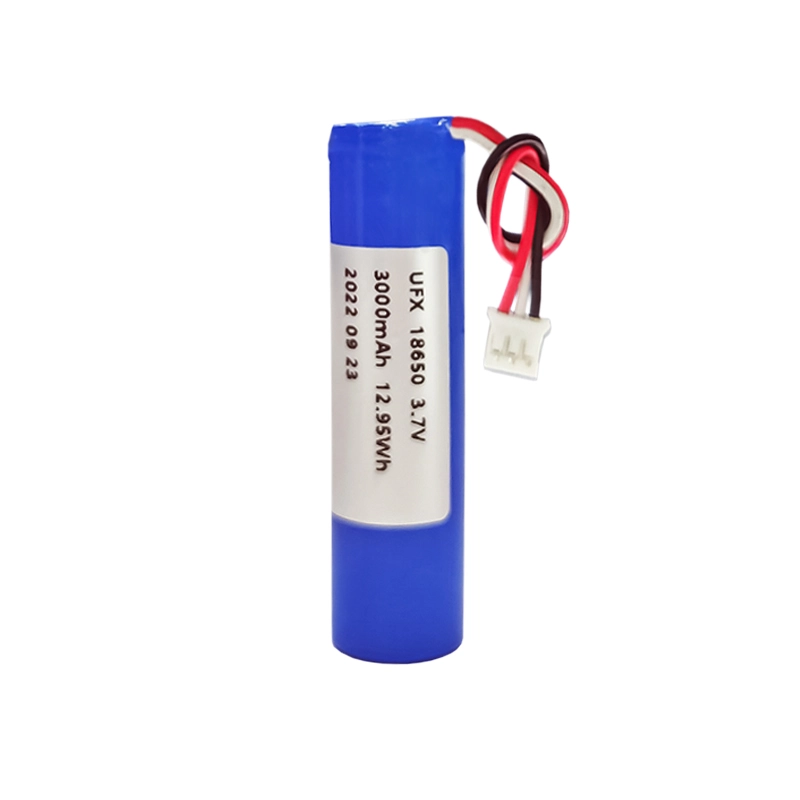
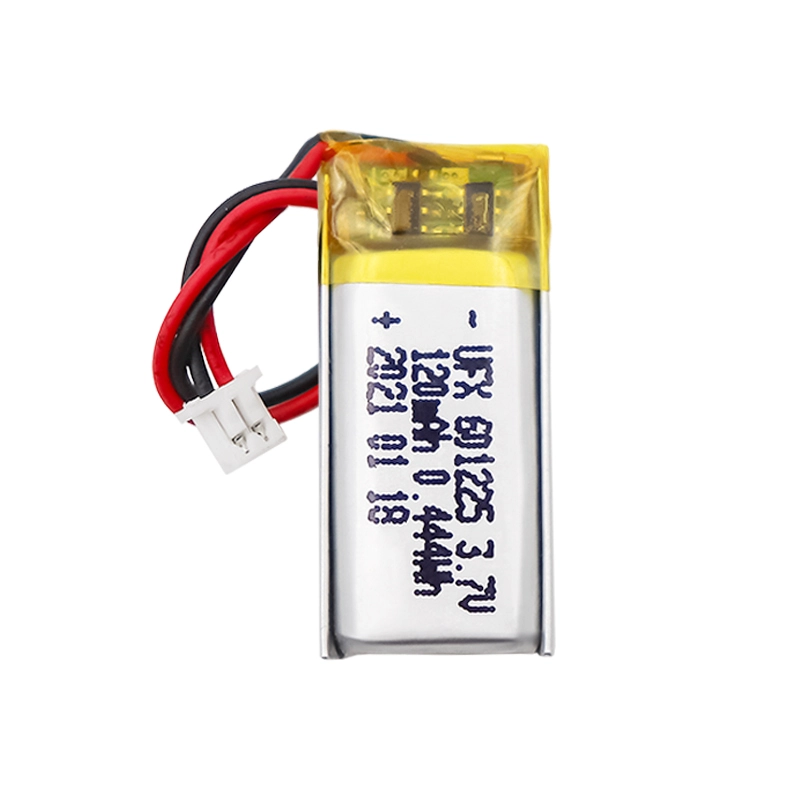
The Ufine electric toothbrush lithium battery is protected by a high-quality battery core, giving the toothbrush a longer battery life. The electric toothbrush with a built-in large-capacity lithium battery can be used for USB direct charging and can be used for weeks after just a few hours of recharging. This makes people’s daily life more convenient without having to charge or replace batteries frequently.
As the most advanced green battery in the world, the lithium battery produced by Ufine has excellent high-temperature charge and discharge performance and very high power generation energy, which is six to seven times that of ordinary lead-acid batteries. And the service life is very long. The lithium battery we produce has a charge and discharge cycle life of up to 4,000 times.
High Energy Density
It stores large amounts of energy in a smaller and lighter package
Longer Cycle Life
Withstands extensive charge and discharge cycles
Low Self-Discharge
Maintains power longer when not in use
Safety
Minimizes the risk of accidents and ensures safe operation
More Information About Toothbrush Battery
-
Can your lithium batteries meet specific country or region certification requirements?
-
How long does it take to make a sample of a custom battery?
-
What is the minimum order quantity (MOQ) for lithium batteries?
-
What is the lead time for lithium battery production and delivery?
Latest Blogs
About Lithium Battery Industry News
Buck vs. Boost vs. Buck-Boost Converter: Which Is Best for Battery?
Not sure which converter your battery-powered device needs? Compare Buck, Boost, and Buck-Boost designs and discover what affects voltage stability and runtime.
2026/10/20 Ufine

How to Match 18650 Cells for a Reliable Battery Pack?
Building an 18650 battery pack? Learn how to compare cell capacity, voltage, and internal resistance to avoid mismatches and improve reliability.
2026/10/19 Ufine

Why Do 18650 Battery Packs Get Hot During Discharge?
Is your 18650 battery pack overheating under load? Learn what causes excess heat, how to spot dangerous symptoms, and what to do next.
2026/10/19 Ufine

18650 Battery BMS: How to Get the Specs Right
Learn how to choose a BMS for an 18650 battery pack. Compare voltage, current ratings, protection features, and balancing before you buy.
2026/10/19 Ufine
Why Does My Ring Camera Battery Drain So Fast or Stop Charging?
Is your Ring camera battery draining fast or not charging? Discover common causes, practical fixes, and when to replace the battery.
2026/10/19 Ufine

Battery Pack Overheating? Causes and Solutions
Is your battery pack getting too hot? Learn the common causes, identify potential risks, and discover practical ways to prevent overheating.
2026/10/16 Ufine

