Best Selling Battery
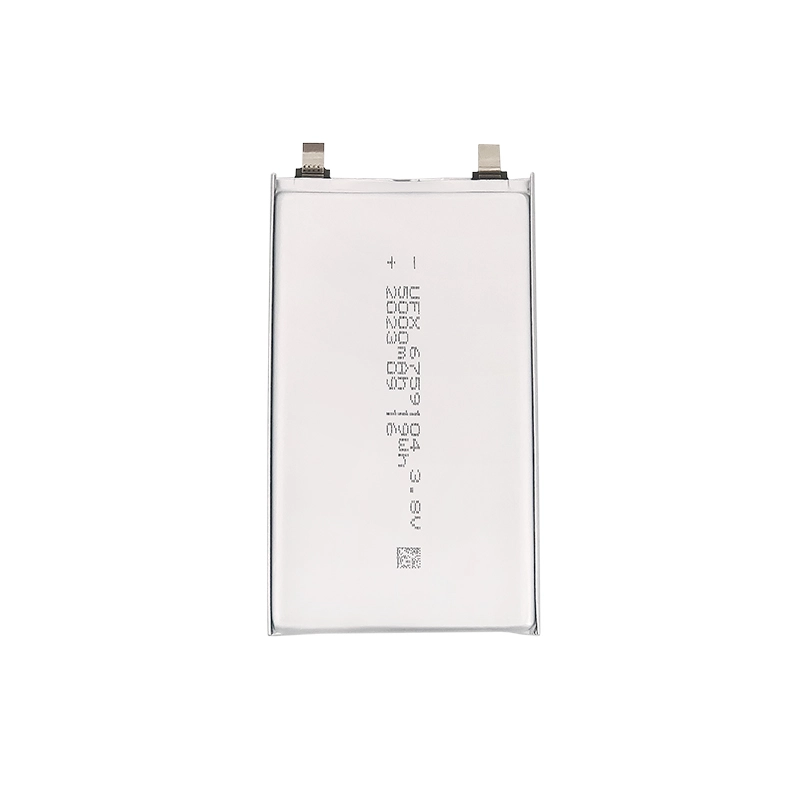
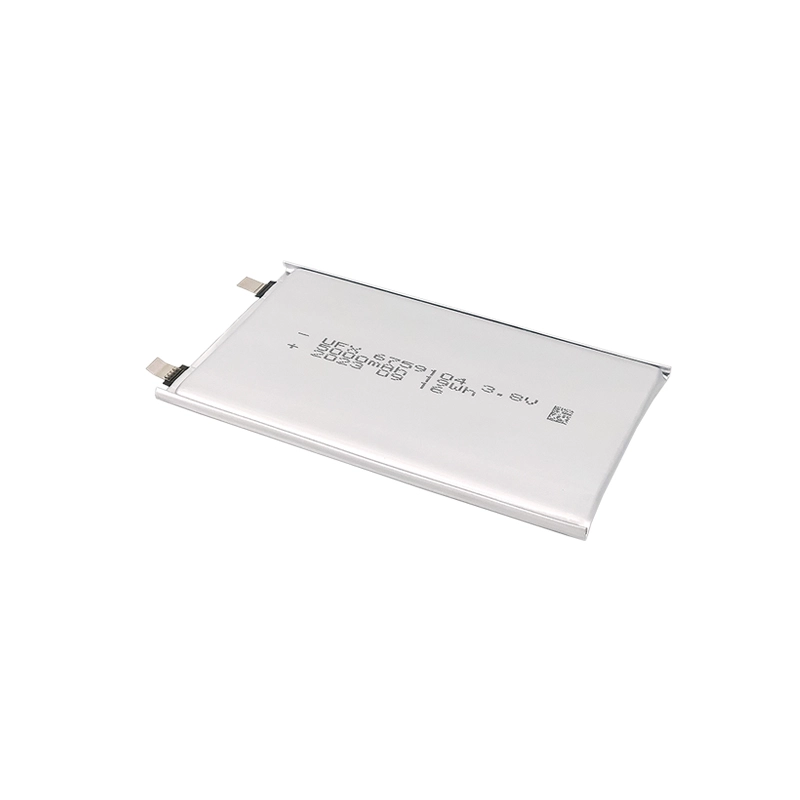
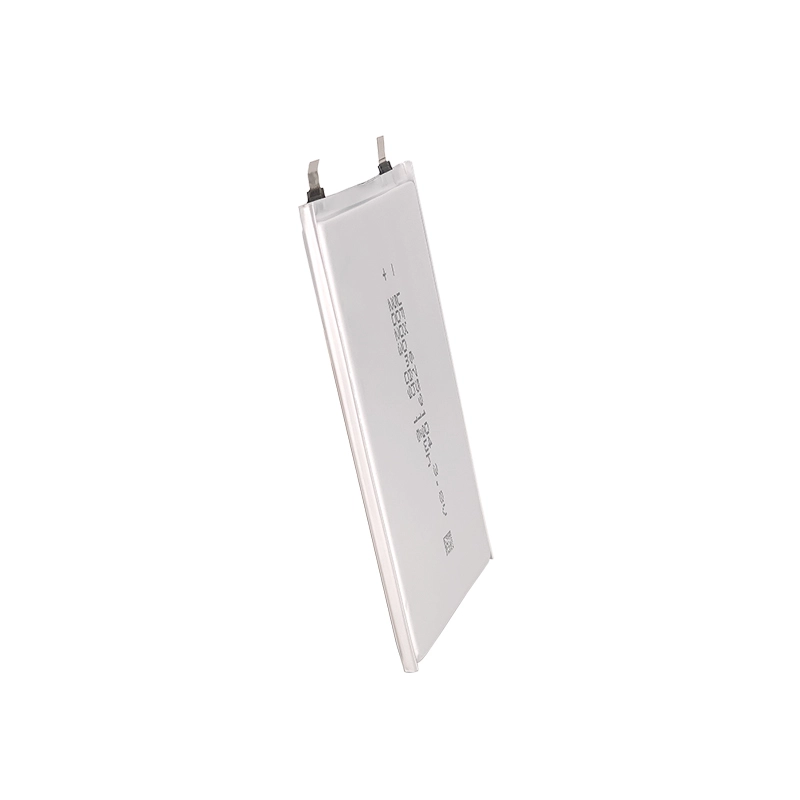
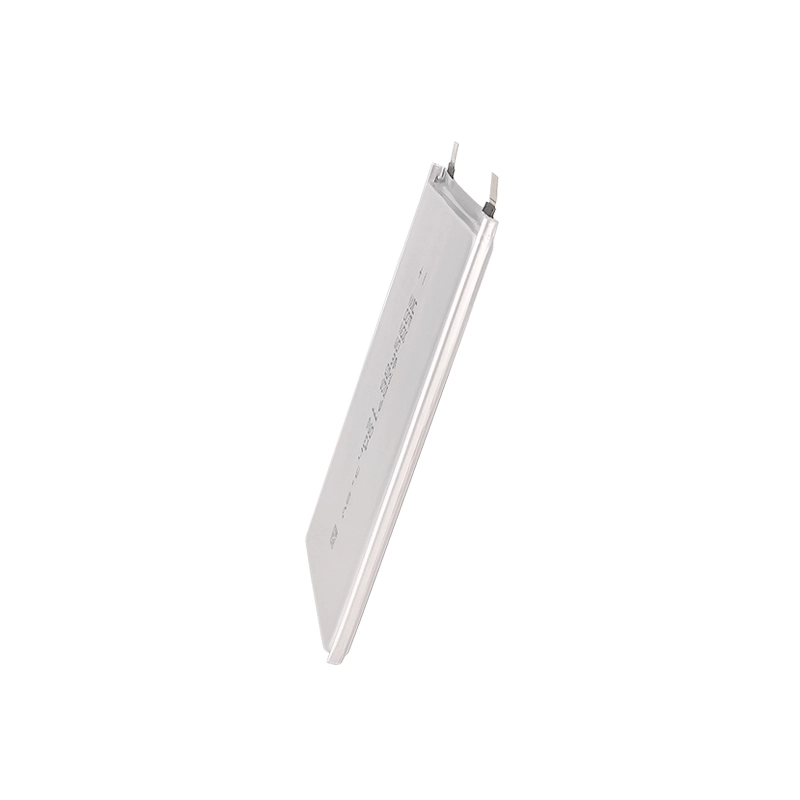
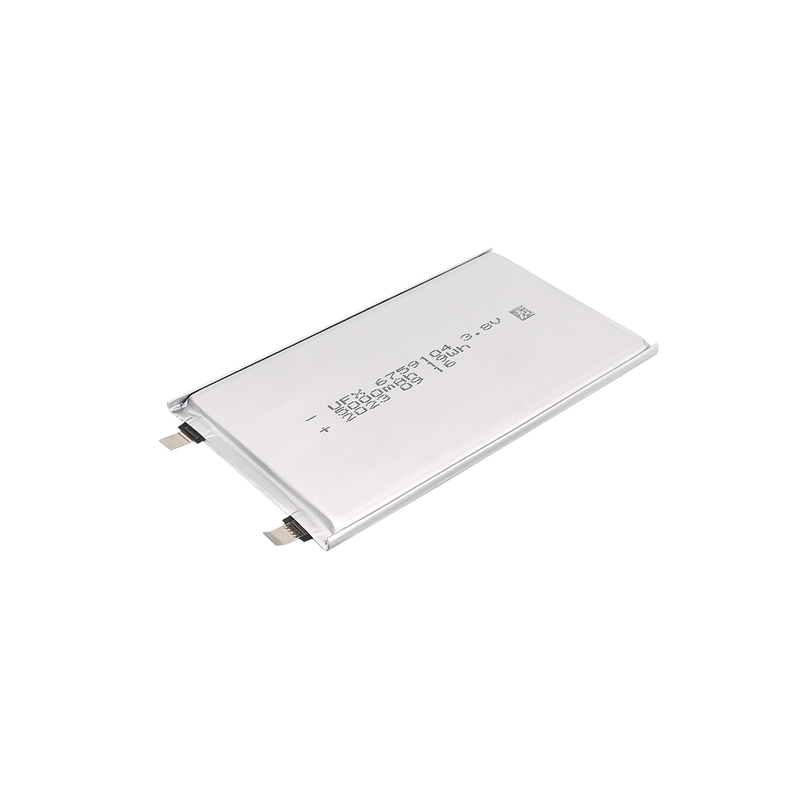
3.8 V 5000mAh Lithium ion Battery 6759104


- 16 Years Experience
- 200+ Certifications
- 1000+ Customers
- 7X24 Customer Support
-
Product Details
-
Specs
-
Content
-
FAQs

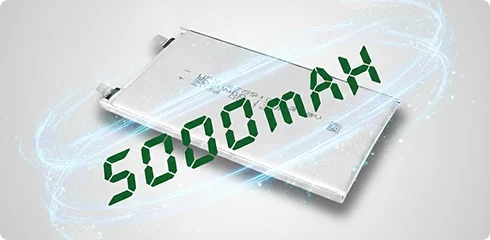
True 5000mAh Capacity for Power-Hungry Devices
This real 5000mAh capacity gives your device the freedom to run longer, work harder, and stay reliable throughout the day. It’s the kind of dependable power that keeps your users confident and your product performing at its best.
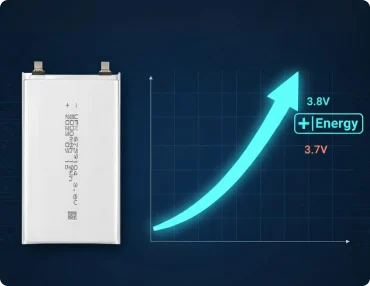
3.8V, Higher Voltage, Higher Energy
Ideal for modern electronics optimized for high-voltage LiPo chemistry
- More Energy per Cell
- Improved Discharge Efficiency
- Greater Power Headroom
- Better Performance Under Load
4.35V High-Voltage Chemistry for Superior Energy Utilization
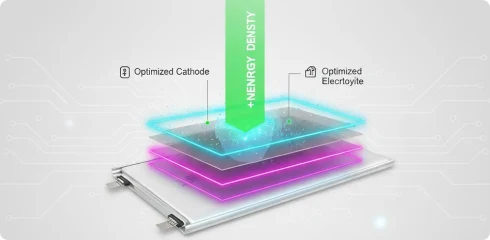
Built with 4.35V HV chemistry, this 3.8v lipo cell stores more usable energy per cycle while maintaining stable performance. The optimized cathode and electrolyte design ensure higher energy density and stronger mid-voltage retention—ideal for space-constrained devices that need maximum runtime.
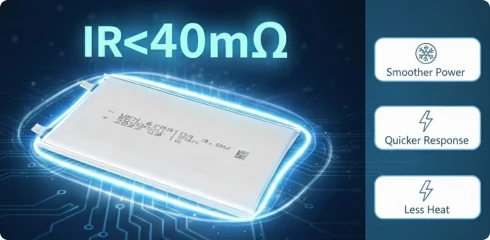
Consistently Stable Output with Low Internal Resistance (<40mΩ)
With internal resistance under 40mΩ, this 5000mAh LiPo battery delivers smoother power, quicker response, and less heat.
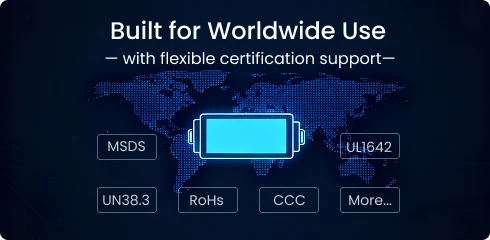
Certified & Trusted for Global Markets
Compliant with MSDS, UN38.3, UL1642, CCC, and RoHS, this bare LiPo cell meets global safety and transport standards. Manufacturers can integrate it directly into devices with confidence.
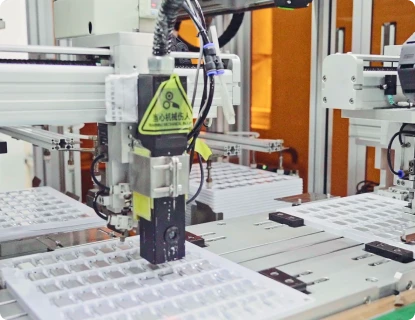
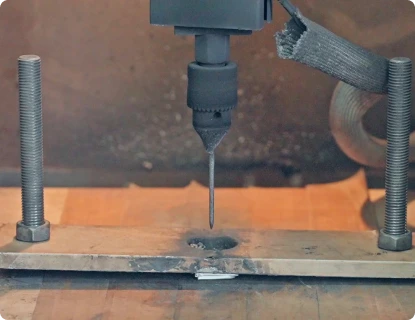
Quality You Can Trust
Your trust matters to us. That's why Ufine Battery uses only the finest materials and cutting-edge processes to ensure unbeatable quality.
View more production details 
Battery Specification
-
1. Mechanical Characteristics
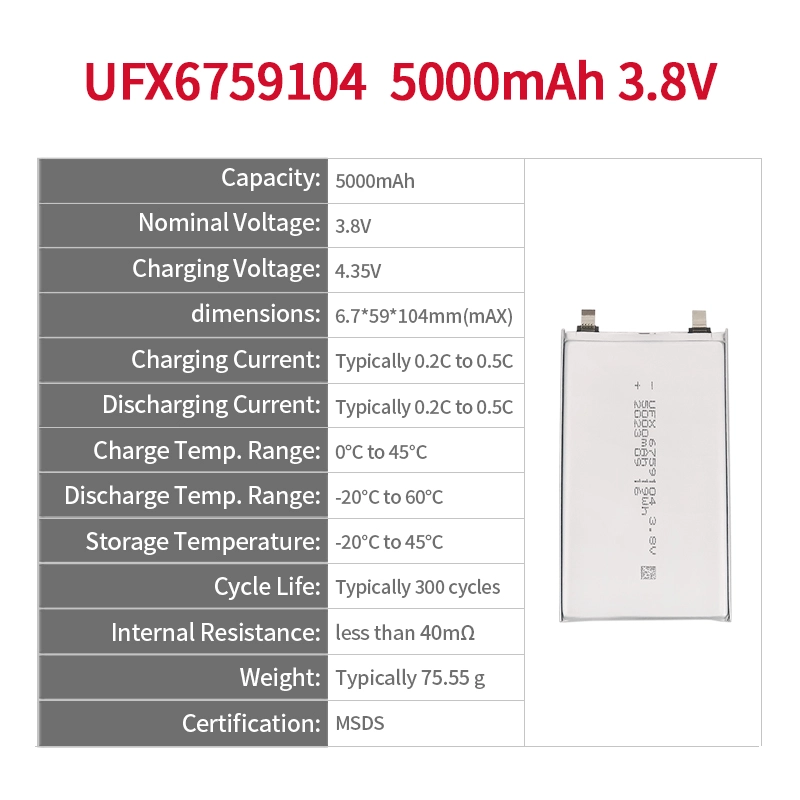
Cell 6759104 PCM No NTC No Weight appr. 75.55g
Configuration 1S1P -
2. Electrical Specification
Capacity 5000mAh Nominal Voltage 3.8V Energy 19Wh Internal Resistance less than 40mΩ Max. Charge Voltage 4.35V Discharge Cut Off 2.75V Max. Charge Current 5000mA Max. Discharge Current 5000mA Standard Charge Current 1000mA Standard Discharge Current 1000mA Charging Temperature 0℃ to 45℃ Discharging Temperature -20℃ to 60℃ Storage Temp.Range 1 year at -20℃ to +30℃ 3 mos. at -20℃ to +45℃ 1 mo. at -20℃ to +60℃ Cycle life 100 cycles ≥92% 300 cycles ≥88% 500 cycles ≥80% -
3. Cell protection
Overcharge Detection No Overdischarge Detection No Overcurrent Detection No Short protection No
Part 1. Why choose 3.8V? What are the advantages?
A 3.8V High-Voltage Lithium Polymer Cell (HV-LiPo) offers engineering-significant advantages over conventional 3.7V LiPo cells. The higher-voltage platform improves energy density, performance, and system efficiency.
-
Higher Gravimetric & Volumetric Energy Density: More Wh per gram and per cubic centimeter, enabling longer runtime without increasing battery size.
-
Higher Usable Voltage Plateau: Flatter and higher discharge curve with reduced voltage sag.
-
Improved Device Efficiency: Many PMICs, DC-DC converters, and RF subsystems perform more efficiently at higher voltages.
-
Enhanced Power Delivery: Higher nominal voltage = more power headroom for high-drain designs.
-
Modern HV Chemistry: Forward-compatible with next-generation consumer and industrial electronics.
Part 2. Can 3.7V and 3.8V batteries be interchanged?
Generally no — the two chemistries require different charging voltages and BMS configurations.
- A 3.8V HV LiPo charges to 4.35V
- A standard 3.7V LiPo charges to 4.2V
Using the wrong battery type leads to:
- Undercharging (if a 3.8V cell is charged at 4.2V → reduced capacity, poor performance)
- Overcharging risk (if a 3.7V cell is charged at 4.35V → serious safety hazard)
- Compatibility issues with voltage thresholds
- Incorrect SoC estimation by the device’s fuel gauge
Only replace within the same voltage platform unless the device’s charging IC and BMS are specifically designed to support both.
Part 3. Is a 3.8V high-voltage LiPo battery safe?
Yes—3.8V HV LiPo batteries are safe when used with proper charging and protection electronics. The chemistry incorporates:
- Stabilized high-voltage cathode materials (Lithium Cobalt / NCM blended structures)
- Electrolyte additives that reduce electrolyte oxidation at higher voltages
- Enhanced separator materials for thermal and electrical stability
- Strict cell-level UN38.3, UL1642, and reliability testing
Electrical Characteristics:
- Charge voltage: 4.35V ± 0.05V
- Typical discharge cutoff: 2.75–3.0V
- Nominal operating range: 3.0V–4.35V
- Recommended charge rate: 0.2C–0.5C
- Recommended discharge rate: 0.2C–0.5C
The chemistry is engineered to deliver higher usable energy while complying with international safety standards.
| Aspect | Details |
|---|---|
| Materials | Stabilized high-voltage cathodes (LCO / NCM blends), improved electrolytes, reinforced separators |
| Charge Voltage | 4.35V ± 0.05V |
| Discharge Cutoff | 2.75V–3.0V |
| Normal Operating Range | 3.0V–4.35V |
| Recommended Charge Rate | 0.2C–0.5C |
| Recommended Discharge Rate | 0.2C–0.5C |
| Certifications | UN38.3, UL1642, reliability and abuse testing |
Part 4. How long can a 5000mAh LiPo battery last?
Energy = 3.8V × 5Ah = 19Wh
Estimated runtimes for typical device loads:
- 0.5W → ~36–38 hours
- 1W → ~18–19 hours
- 2W → ~9–10 hours
- 3W+ → depends on duty cycle and efficiency
Part 5. Is the 3.8V cell compatible with my device?
Compatibility depends on electrical and mechanical requirements.
- Charging Voltage: Device must support 4.35V charging.
- Operating Voltage: System must accept 3.0V–4.35V range.
- Mechanical Fit: Cell size is 6.7 × 59 × 104mm (allow 0.5–1mm tolerance).
If unsure, Ufine can perform charging-IC and BMS compatibility analysis.
Part 6. Do I need a PCB for this LiPo cell?
A bare LiPo cell does not include safety protections.
Depending on your architecture, you may need:
A standard PCM/PCB for:
- Overcharge protection
- Over-discharge protection
- Overcurrent and short-circuit protection
- Cell balancing (if in multi-cell packs)
Direct cell use is acceptable ONLY when:
- A full BMS is already integrated into your device
- You have control over charge voltage, cutoff, and current
- You comply with regulatory safety requirements
Ufine provides:
✔ Bare cell
✔ Cell + PCM
✔ Custom wiring, connectors, NTC, multi-cell packs
Part 7. Common applications
This 3.8V 5000mAh HV LiPo cell is ideal for:
- Smart home control panels
- Handheld testers and meters
- IoT terminals and industrial wireless devices
- POS / barcode scanners
- Portable medical diagnostic devices
- Compact multimedia electronics
- Wearables and modular electronics
Part 8. Buyer’s checklist
Before sourcing this 3.8V cell, confirm:
- Charging IC supports 4.35V
- Required capacity ≥ 5000mAh
- Size fits your enclosure (6.7×59×104mm)
- Discharge current matches 0.2C–0.5C
- Certifications: UL, UN38.3, MSDS
- Need PCM, connector, or NTC
- Operating temperature is within limits
- MOQ and long-term supply available
Part 9. Common mistakes to avoid
❌ Charging a 3.8V battery with a 4.2V charger
❌ Assuming 3.7V and 3.8V are interchangeable
❌ No PCM in systems requiring safety protection
❌ Charging outside recommended temperature range
❌ Enclosure too tight (no expansion space)
❌ Missing transport certifications (UN38.3)
FAQs
-
Does the 3.8V HV chemistry reduce cycle life?
HV cells may have slightly lower theoretical cycle life, but modern high-voltage formulations typically deliver around 300 stable cycles—very close to standard 3.7V LiPo performance in real-world applications. -
Can I fast-charge the 5000mAh 3.8V HV LiPo cell?
Standard charging is 0.5C. Higher charging currents are possible but require engineering validation, as fast charging increases heat and may reduce cycle life over time. -
What is the recommended storage voltage and environment?
Store the cell at 40–60% state of charge and keep it in a cool, dry environment between –20°C and 45°C to minimize electrolyte and SEI layer degradation. -
Is energy density higher in 3.8V cells compared to 3.7V cells?
Yes. 3.8V HV LiPo cells typically offer 8–12% higher energy density thanks to their higher voltage platform and optimized cathode/electrolyte chemistry. -
Can Ufine develop a custom 3.8V HV LiPo battery pack for my device?
Yes. Ufine provides full customization services including HV LiPo cells, PCM/BMS integration, connectors, wiring, NTC, multi-cell pack design, prototypes, and mass production.
Ready to Power Your Project?
We’ll help you design the perfect power source — tailored to your voltage, capacity, size, C-rate, and performance needs.
Contact Us NowWhat Our Customers Are Saying
We love hearing from you! Your experiences help us improve and inspire others. Check out what our happy customers have to say about our lithium batteries—share your thoughts with us too!









Latest Articles
About Lithium Battery Industry News

JST vs Molex: The Right Battery Connector Choice
JST or Molex for your battery? Learn how connector selection affects current, voltage drop, reliability, and device performance.
2026-9-15 Ufine
Custom Battery Pricing: Costs Manufacturers Don't Mention
A low battery quote may not be the final cost. Discover common hidden expenses that affect custom lithium battery projects.
2026-9-15 Ufine

Battery Wire Length: Hidden Cause of Power Loss
A longer battery wire can cause voltage drop, power loss, and unstable operation. Learn how wire length affects battery performance.
2026-9-14 Ufine