Popular Choice
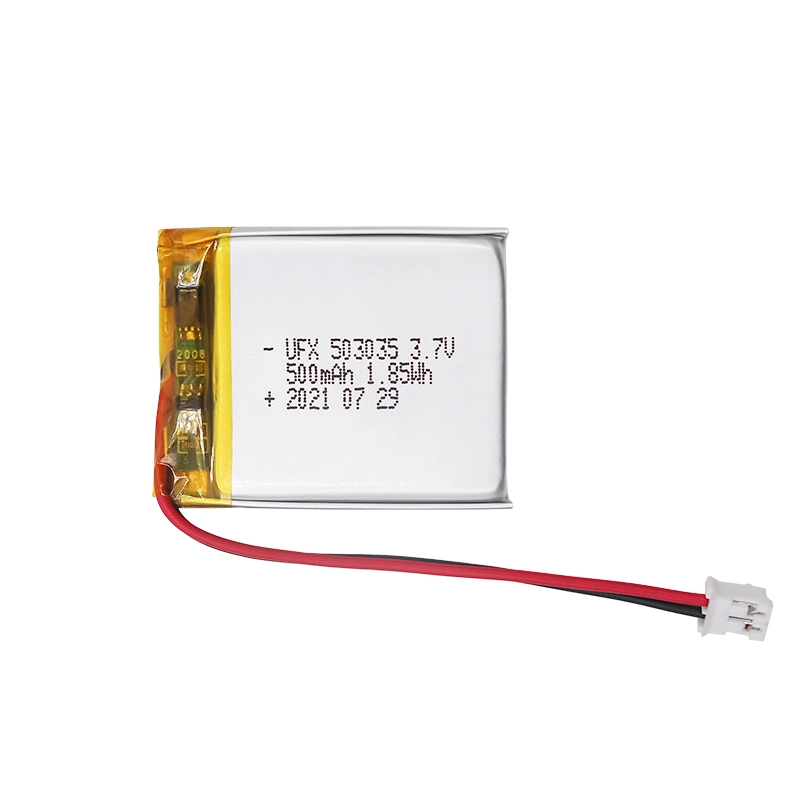
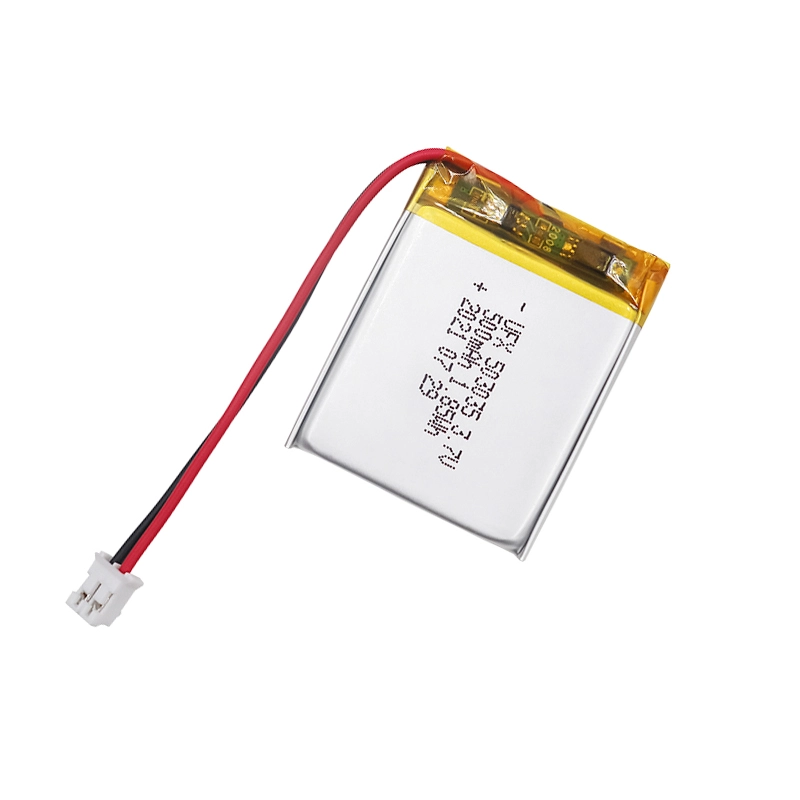
503035 Rechargeable 500mAh Pouch Battery for Compact Devices


- 16 Years Experience
- 200+ Certifications
- 1000+ Customers
- 7X24 Customer Support
-
Product Details
-
Specs
-
Content
-
FAQs

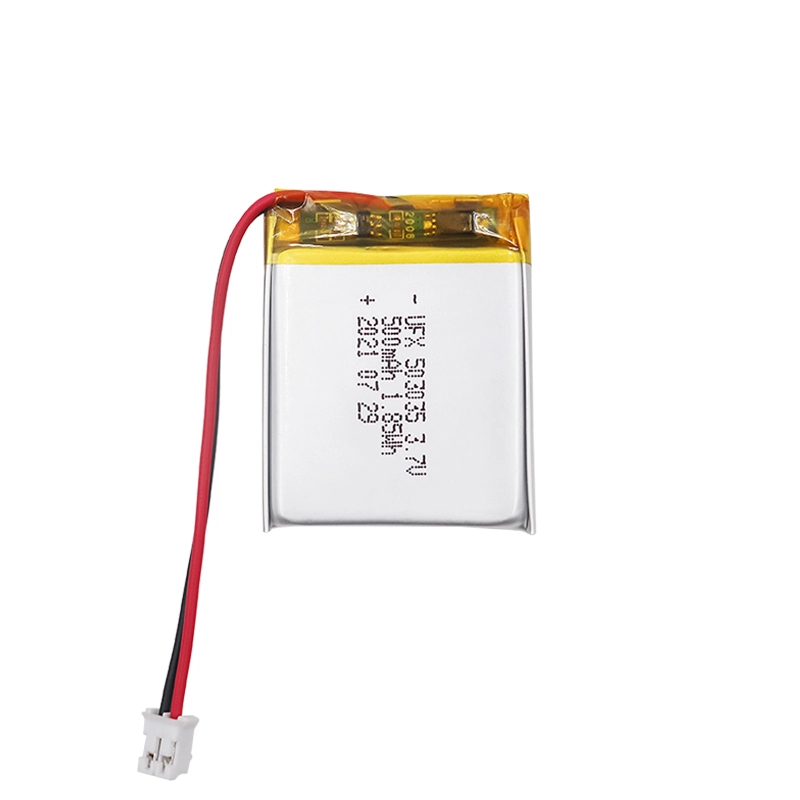
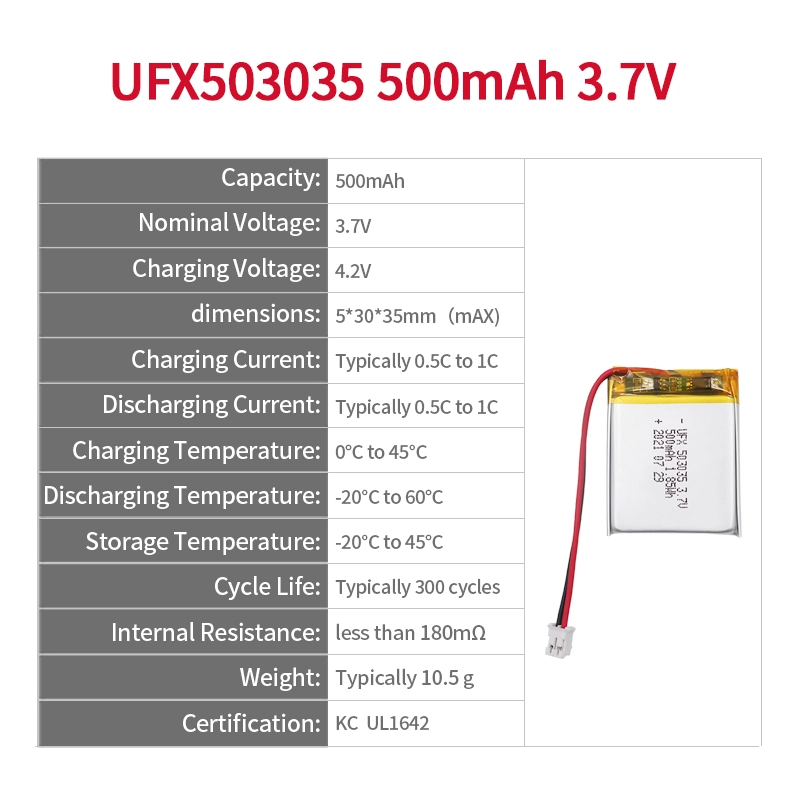
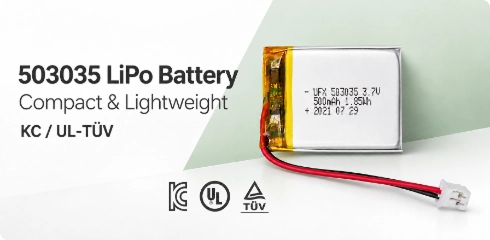
The Ufine 503035 is a rechargeable lithium polymer pouch battery. It provides 3.7V and 500mAh for small electronic devices. The listed maximum size is 5 × 30 × 35mm. The standard version includes a protection board. KC and UL/TÜV certification documents are available for review.
503035 Battery Performance
Check the device load, use pattern, and temperature before choosing this battery. See Specs for the full ratings.
- Battery Output
- Cycle Life
- Storage
- Temperature
Match the Battery to Your Device Load
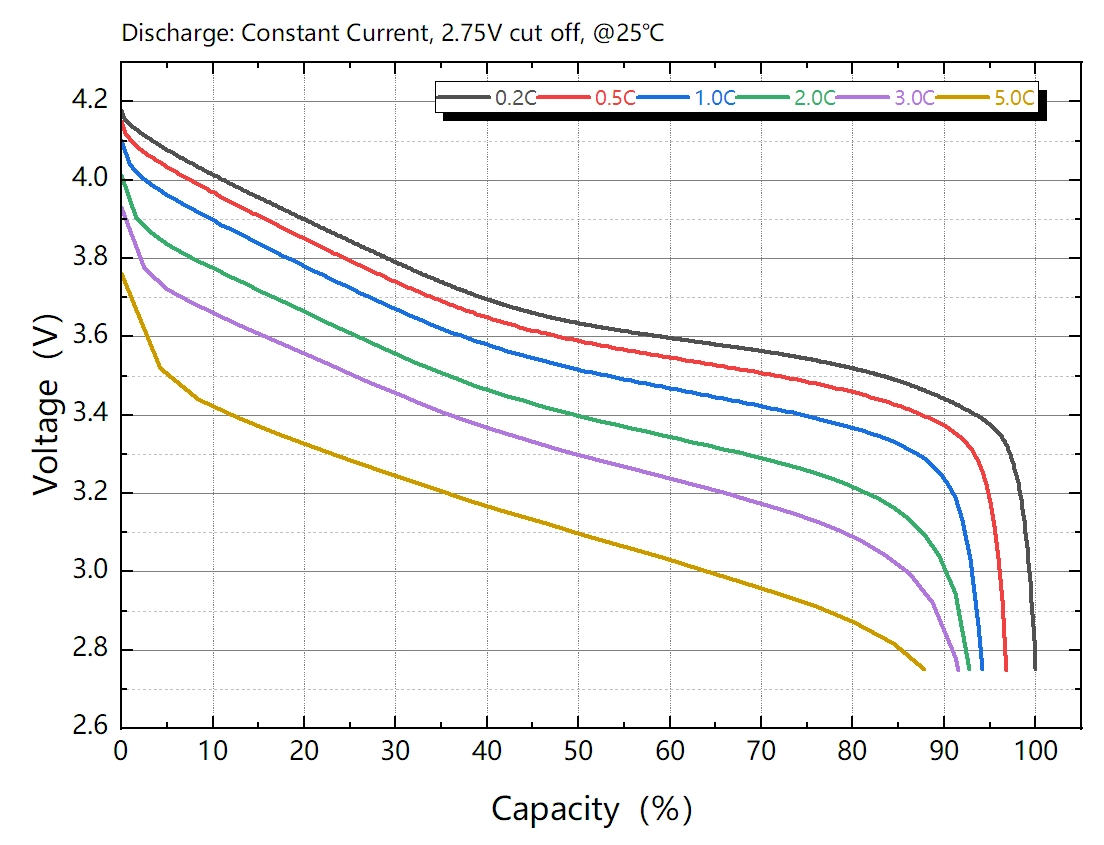
The listed maximum discharge current is 500mA (1C). Check both the normal load and brief current peaks. Motors, lights, and wireless modules may draw more current at startup.
- Check the load in each device mode.
- Share the peak current and how long it lasts.
- Do not use the protection trip level as the working current limit.
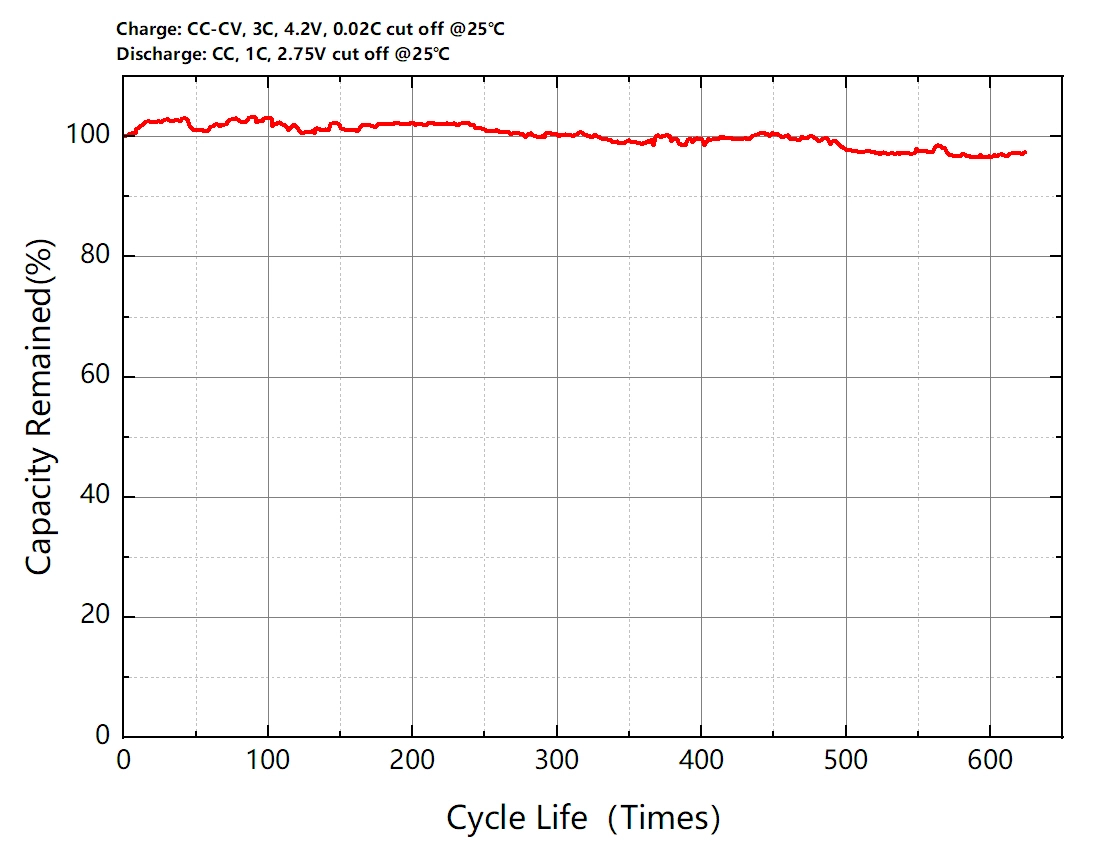
Cycle Life Depends on Use
A cycle rating needs a clear test method. The charge rate, discharge rate, temperature, and end point all matter. Review the test conditions when comparing batteries.
- Check how much capacity remains after testing.
- Compare results from the same test conditions.
- Test samples with your device's charge and use pattern.
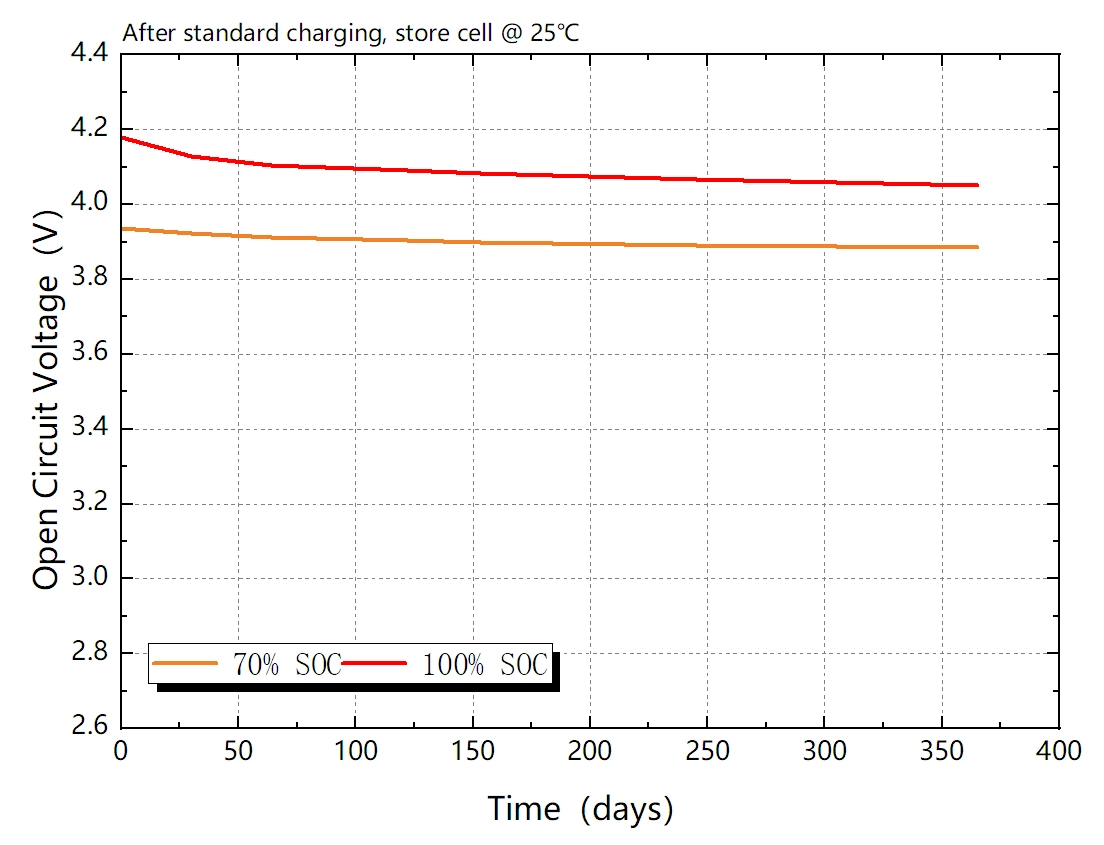
Plan for Storage Between Uses
Store the battery in a cool, dry place. Follow the storage limits for the planned storage time. Check the battery before use after a long period in storage.
- Keep the battery away from heat and moisture.
- Protect the leads from short circuits.
- Check the device's standby drain during storage.
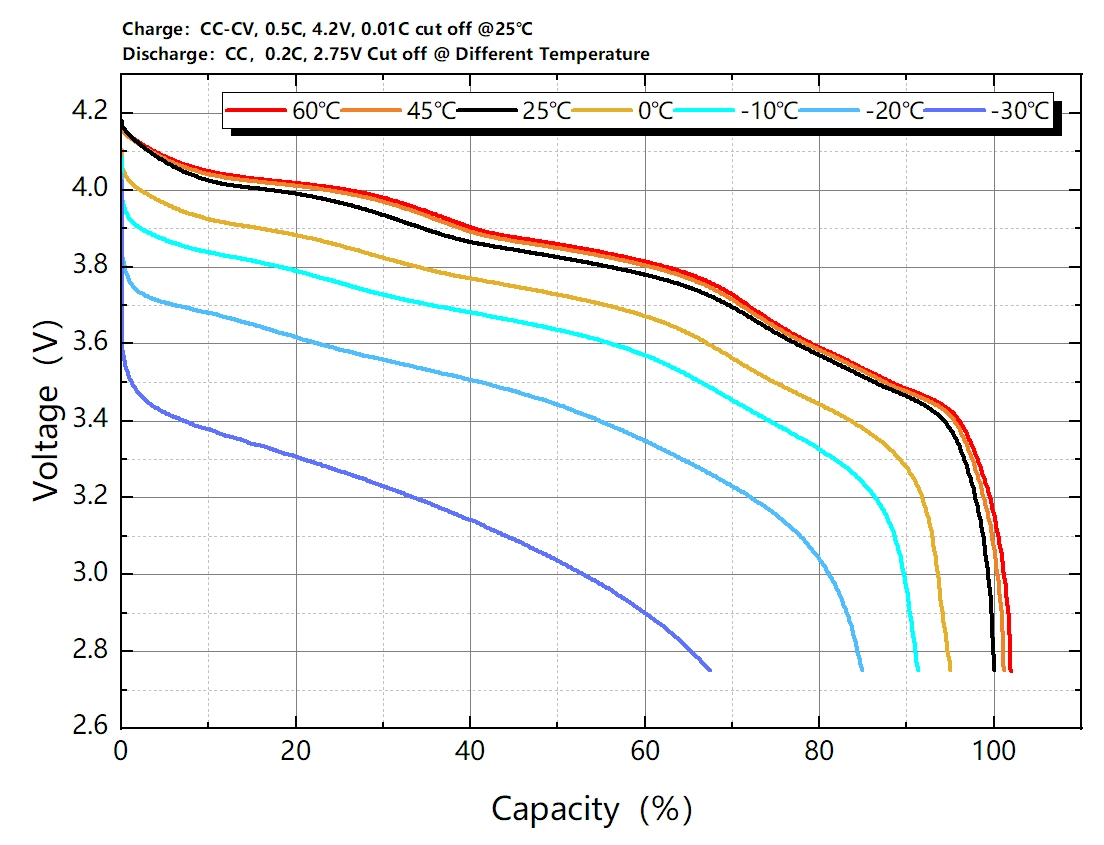
Check Charging and Use Temperatures
The listed charging range is 0°C to 45°C. The discharge range is −20°C to 60°C. The discharge range does not apply to charging.
- Check the temperature inside the device.
- Keep the battery away from parts that produce heat.
- Test runtime at the temperatures your device will face.
Fit the 503035 Into Your Device
Check the full battery assembly before you approve the enclosure.
Leave Space for the Battery and Leads
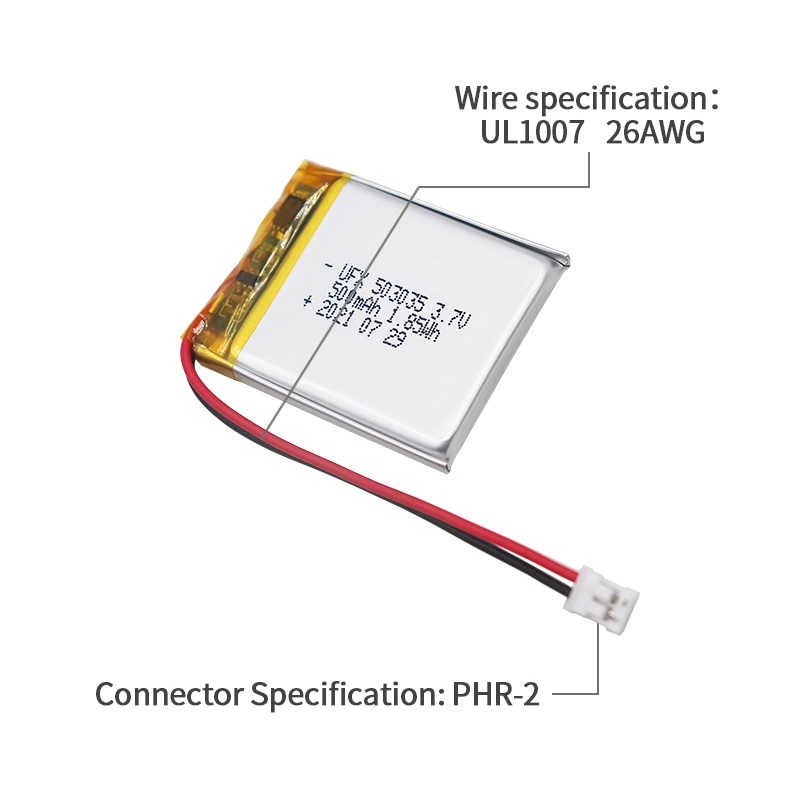
Start with the battery drawing. Allow room for the wire route and connector. The pouch should fit without pressure from the case or nearby parts.
- Battery space: Check the final drawing and assembly clearance.
- Wire route: Avoid tight bends and pinched leads.
- Connector: Confirm the part number and pin polarity.
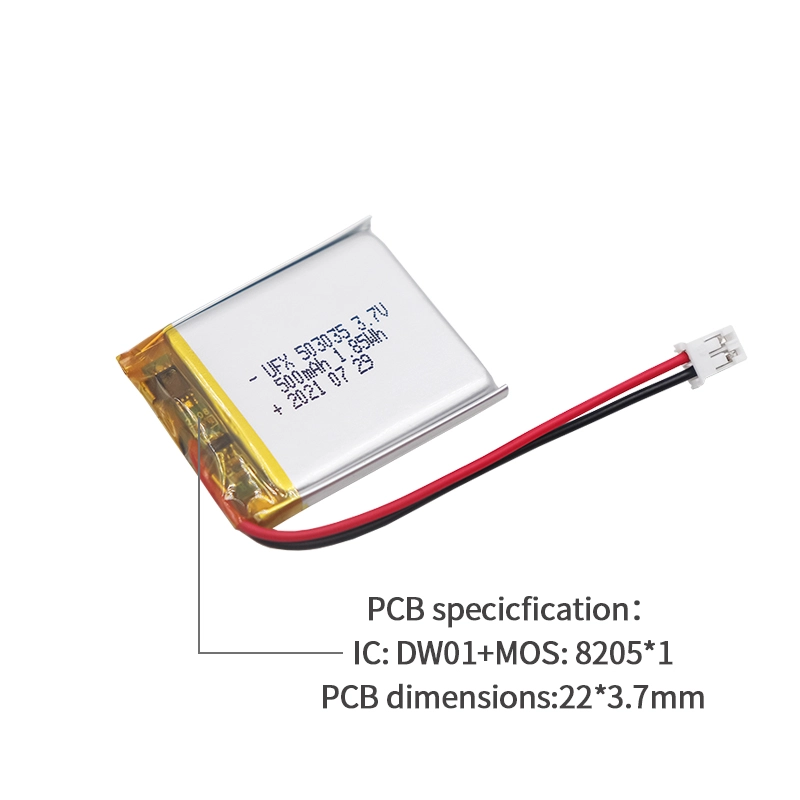
- Protection: The listed version includes a PCM.
- Temperature sensing: The listed version has no NTC. Tell us if your device needs one.
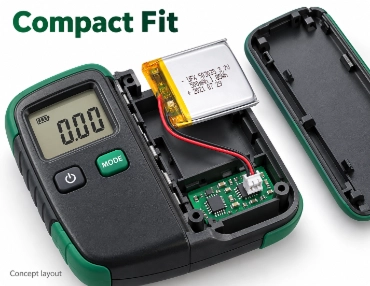
Where the 503035 Can Be Used
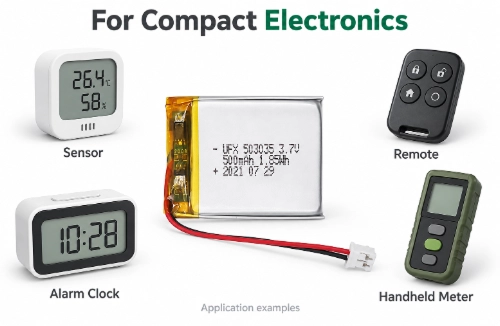
Possible uses include small sensors, remote controls, alarm clocks, and handheld meters. Suitability depends on the device load, battery space, and charging circuit. Check these points before choosing a sample.
For wireless devices, check the current during data transfer. For devices with lights or motors, check startup demand. Confirm runtime in the finished device.
How We Check the 503035
Quality checks cover materials, assembly, electrical values, and finished batteries.
View the Production Process 


Prepare Your 503035 Battery Sample
Share your device needs so we can review the battery assembly.
- Connector: part number and pin layout
- Wire: length, size, and exit direction
- Protection: PCM and temperature sensing needs
- Documents: drawing, specification, and certification scope
-
01Available battery space or an enclosure drawing.
-
02Normal current, peak current, and peak duration.
-
03Connector details and charging circuit requirements.
-
04Use temperature, target market, and sample quantity.
Compare 3.7V LiPo Batteries by Size and Capacity
Compare other 3.7V LiPo batteries if the 503035 does not fit your space or runtime target. A similar capacity does not mean the batteries are direct replacements. Check the size, connector, current, and protection design first.
| Recommended Products | Voltage | Model | Capacity | Max. Size (mm) |
|---|---|---|---|---|
| Compact LiPo Battery | 3.7V | 552826 | 450mAh | 5.5 × 28 × 28 |
| LiPo Pouch Battery | 3.7V | 702535 | 600mAh | 7 × 25 × 37 |
| Compact LiPo Battery | 3.7V | 672330 | 450mAh | 6.7 × 23 × 32 |
| LiPo Pouch Battery | 3.7V | 502545 | 600mAh | 5 × 25 × 47 |
| LiPo Pouch Battery | 3.7V | 502049 | 500mAh | 5 × 20 × 51 |
| LiPo Pouch Battery | 3.7V | 503443 | 750mAh | 5 × 34 × 45 |
| Compact LiPo Battery | 3.7V | 902128 | 500mAh | 9 × 21 × 30 |
| LiPo Pouch Battery | 3.7V | 403442 | 700mAh | 4 × 34 × 44 |
| Compact LiPo Battery | 3.7V | 702527 | 380mAh | 7 × 25 × 29 |
Battery Specification
-
1. Mechanical Characteristics
Cell 503035 PCM Yes NTC No Weight appr. 10.5g Configuration 1S1P -
2. Electrical Specification
Capacity 500mAh Nominal Voltage 3.7V Energy 1.85Wh Internal Resistance less than 180mΩ Max. Charge Voltage 4.2V Discharge Cut Off 2.75V Max. Charge Current 500mA Max. Discharge Current 500mA Standard Charge Current 100mA Standard Discharge Current 100mA Charging Temperature 0℃ to 45℃ Discharging Temperature -20℃ to 60℃ Storage Temp.Range 1 year at -20℃ to +30℃ 3 mos. at -20℃ to +45℃ 1 mo. at -20℃ to +60℃ Cycle life 100 cycles ≥92% 300 cycles ≥88% 500 cycles ≥80% -
3. Cell protection
Overcharge Detection 4.28V ±50mV (80 to 200msec delay, release 4.08V ±50mV) Overdischarge Detection 2.4V ±100mV (40 to 120msec. delay, release 3.0V ±100mV) Overcurrent Detection 2.5A to 4.5A (5 to 10msec. delay) Short protection Yes
The Ufine 503035 is a 3.7V 500mAh rechargeable pouch battery with 1.85Wh of nominal energy. For a new device, the key question is how much of that energy your product needs each day.
Use the steps below to build a power budget, check sample results, and prepare a clear battery request. See the Specs tab for the full electrical and mechanical ratings.
Part 1. Build a daily power budget for the 503035
A device may sleep for hours but use short bursts of power to take readings or send data. Calculate each mode on its own. Then add the results.
Daily use (mAh) = current (mA) × time per day (hours)
-
Sleep mode: 1mA for 23 hours uses 23mAh.
-
Active mode: 50mA for 1 hour uses 50mAh.
-
Total daily use in this example: 73mAh.
With a 500mAh battery, this gives about 6.8 days in theory. This example assumes both currents are measured at the battery. It uses the full rated capacity and leaves no reserve for losses or aging.
Use this estimate to set a test target. Confirm the actual time between charges with a sample.
Part 2. Does your device draw power at 3.7V or another voltage?
A 3.7V battery does not stay at 3.7V through the whole discharge. If your device needs a fixed 3.3V or 5V supply, its power circuit must handle the changing battery voltage.
For a device with a voltage converter, compare energy in Wh rather than dividing 500mAh by the current on the output side.
Estimated runtime (hours) ≈ 1.85Wh × converter efficiency ÷ load power (W)
-
Example load: 5V at 50mA equals 0.25W.
-
Assumed converter efficiency: 85%.
-
Estimated runtime: 1.85 × 0.85 ÷ 0.25 ≈ 6.3 hours.
This is a planning estimate, not a tested runtime. Converter efficiency changes with load. The device may also shut down before the battery has delivered its full rated energy.
Part 3. Check the 503035 when the battery is nearly empty
A device that starts well on a full battery may reset near the end of a charge. Test the most demanding task at a lower charge level, too.
-
Run the screen, radio, lights, or motor in the highest-load mode.
-
Measure current at the battery, including short peaks.
-
Record the lowest battery voltage during the task.
-
Check whether the device resets or shuts down too early.
The listed maximum discharge current for the 503035 is 500mA. A brief load above this value needs a separate review. The PCM trip current is not an approved operating current.
Part 4. Turn 503035 sample tests into clear results
Use the same device settings when comparing samples. Keep a short test record so the results can be checked and repeated.
-
Sample details: battery version, connector, and protection board.
-
Test setup: device version, software settings, and room temperature.
-
Starting point: charging method and charge completion.
-
Use pattern: time spent in each device mode.
-
End point: device shutdown, low-battery warning, or another agreed limit.
Record what happened as well as the runtime. A reset during data transfer or an early low-battery warning can reveal a problem that a single runtime number misses.
Part 5. Send a clear 503035 battery request
A useful request starts with your device target. Tell us what the battery must achieve and which parts of the design are already fixed.
-
Product type and target time between charges.
-
Daily power use, peak current, and peak duration.
-
Available battery space and the required connector.
-
Sample quantity and expected order volume.
-
Target market and required battery documents.
If samples have already been tested, include the results and any issues found. This helps us review whether the standard 503035 assembly meets your needs or whether changes should be discussed.
FAQs
-
What size is the 503035 500mAh battery?
The listed maximum dimensions are 5 × 30 × 35mm. Check the final assembly drawing and leave space for the wires, connector, and installation clearance. -
Can the 503035 battery supply more than 500mA?
The listed maximum discharge current is 500mA (1C). Higher loads, including short peaks, need a separate review. The PCM trip current is not the battery's working current limit. -
Can I connect the 503035 battery directly to a 5V USB supply?
No. Use a single-cell Li-ion charging circuit with a 4.2V charge limit. The listed standard charge current is 100mA, and the maximum is 500mA. -
How long can the 503035 run a device drawing 50mA?
About 10 hours in theory, based on 500mAh ÷ 50mA measured at the battery. Actual runtime depends on usable capacity, temperature, losses, and the device's shutdown voltage. -
Does the 503035 include a temperature sensor?
The listed standard version includes a PCM but no NTC temperature sensor. If your charging circuit needs an NTC, share the sensor and wiring requirements for review. -
Which certification documents are available for the 503035?
KC and UL/TÜV documents are available for review. Confirm that the documents cover the exact battery version selected for your project. -
Is another 503035 battery always a direct replacement?
No. The same model code does not guarantee the same finished size or electrical ratings. Compare the drawing, current limits, charging requirements, connector polarity, and protection board. -
What information should I send to request 503035 samples?
Send the sample quantity, available battery space, normal and peak current, and connector details. Include any wire, temperature sensing, or certification requirements.
Ready to Power Your Project?
We’ll help you design the perfect power source — tailored to your voltage, capacity, size, C-rate, and performance needs.
Contact Us NowWhat Our Customers Are Saying
We love hearing from you! Your experiences help us improve and inspire others. Check out what our happy customers have to say about our lithium batteries—share your thoughts with us too!









Latest Articles
About Lithium Battery Industry News
How to Test a Robot Battery Pack Before Mass Production
Use this OEM checklist to test robot battery pack samples for startup load, usable energy, charging, protection, fit, and pilot-lot approval.
2026-11-20 Ufine
How to Size an AMR Battery for Short Charging Stops
Size an AMR battery using route energy, actual charging time, and return-to-dock reserve. See how one missed charge changes the required capacity.
2026-11-19 Ufine
Why Does My Robot Reset When the Motors Start? Battery Voltage Sag Explained
Find out why your robot resets at motor startup. Compare battery voltage, wiring loss, and the logic supply to pinpoint the cause.
2026-11-19 Ufine