
- Part 1. What is a ternary lithium battery (NCM)?
- Part 2. NCMA batteries: Concept and material innovation
- Part 3. Electrochemical principles of NCMA batteries
- Part 4. Advantages and disadvantages of NCMA batteries
- Part 5. Will NCMA batteries replace NCM/NCA batteries?
- Part 6. Industry applications and trends
- Part 7. FAQs
Part 1. What is a ternary lithium battery (NCM)?
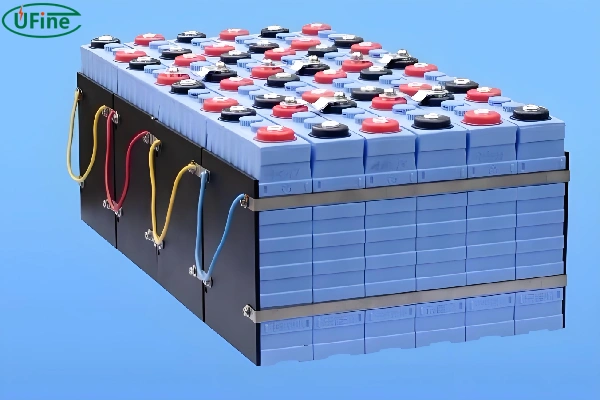
Ternary Lithium Batteries Overview
Ternary lithium batteries, such as NCM (Nickel-Cobalt-Manganese) and NCA (Nickel-Cobalt-Aluminum), are the backbone of modern electric vehicle (EV) energy storage. These batteries are lithium-ion systems where lithium ions shuttle between the cathode and anode during charge/discharge cycles, generating electric current.
- Cathode composition: NCM and NCA batteries employ a layered oxide structure, typically Li(Ni_xCo_yMn_z)O₂ or Li(Ni_xCo_yAl_z)O₂.
- Material roles:
- Nickel (Ni): Enhances capacity and energy density. High Ni content (>80%) can significantly increase driving range.
- Cobalt (Co): Stabilizes layered structure and mitigates cation mixing, improving cycle life.
- Manganese (Mn): Provides structural support and safety through thermal stability.
- Aluminum (Al, in NCA): Increases structural rigidity, improving high-temperature stability.
Performance Considerations:
We all know that what electric vehicles need most at present is to improve the battery life. The most direct way to improve the battery life is to increase the proportion of nickel content. Therefore, NCM811 batteries are favored by more and more manufacturers. However, suppose the content of cobalt and manganese is forcibly reduced. In that case, the stability of the battery will naturally be more difficult to control.
Since high-energy chemistries like NCMA are sensitive to usage habits, this article explains practical ways to extend the life of a 3.7V lithium-ion cell, which also applies to NCMA-based battery packs.
10 Ways to Extend the Life of a 3.7V Lithium-Ion Cell
Part 2. NCMA batteries: Concept and material innovation
Definition of NCMA
NCMA stands for Nickel-Cobalt-Manganese-Aluminum. It represents a quaternary cathode material that integrates the advantages of high-energy NCA and stable NCM systems. By introducing aluminum into the high-nickel NCM cathode, NCMA maintains structural stability while achieving higher capacity.
Key Challenges Addressed:
- Nickel-induced instability: High Ni content can accelerate capacity fading and thermal degradation.
- Cobalt cost and scarcity: Reducing Co lowers material costs and reliance on critical raw materials.
- Performance-safety balance: NCMA achieves high energy density without compromising cycle life or safety.
Material Engineering Insight:
- Aluminum doping stabilizes the layered structure by reducing cation mixing (Ni²⁺ ↔ Li⁺ exchange) at high Ni content.
- Microstructural uniformity improves lithium-ion diffusion kinetics, enhancing rate capability.
- Optimized Ni:Co:Mn:Al ratios allow fine-tuning of energy density, thermal stability, and mechanical integrity.
Part 3. Electrochemical principles of NCMA batteries
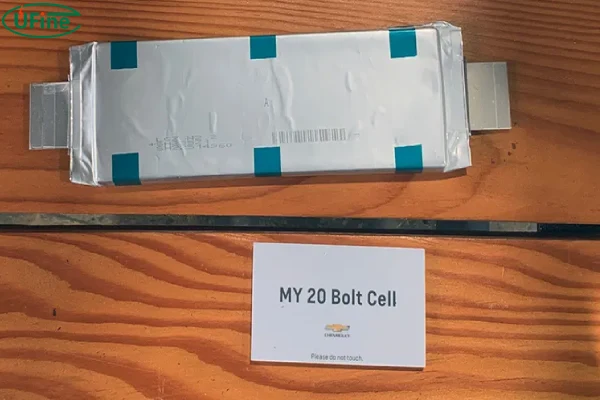
Cathode Chemistry Enhancements
NCMA is essentially a high-nickel, aluminum-doped NCM battery. Its quaternary cathode composition (LiNi_xCo_yMn_zAl_wO₂) provides several advantages:
- Higher energy density: Nickel-rich composition enables more lithium intercalation per unit mass.
- Improved cycle life: Aluminum stabilizes crystal structure, reducing capacity fading over hundreds or thousands of cycles.
- Enhanced thermal stability: Reduces oxygen release at high voltages, lowering risks of thermal runaway.
- Maintained voltage profile: Slight voltage plateau modification improves battery efficiency and EV range.
When you understand what the ternary lithium battery is, then the NCMA lithium battery is easy to understand. You can simply mix the advantages of NCM and NCA batteries into one and combine them into NCMA batteries.
If you want a broader perspective beyond NCMA, this guide breaks down the main types of lithium batteries, their chemistries, and real-world use cases, helping you understand where NCMA fits in the lithium battery landscape.
What Are the Types of Lithium Batteries?
If you want to understand NCMA, you must first understand some of the problems of NCA/NCM batteries.
In fact, NCA/NCM batteries are already an excellent solution among thousands of choices. The higher variable capacity, long cycle period, and high operating voltage allow this battery to adapt to various working scenarios. But this is not enough for electric vehicles. We need batteries with higher energy density to achieve a longer driving range. How to do it, as mentioned above, increase the proportion of nickel.
In this way, the proportion of nickel content in the battery is getting higher and higher. The nickel content is constantly increasing, but excessive nickel enrichment will lead to a decrease in the capacity retention rate of the material and deterioration of thermal stability. This means that 1. The battery power easily decays, and it is more likely to cause safety accidents such as combustion and explosion.
In order to eliminate the negative impact of high nickel. Scientists are thinking of adding dopants to ultra-high nickel content batteries. At the same time, reducing the content of high-value rare metal cobalt, increasing battery capacity, and reducing costs, killing two birds with one stone.
Comparison Table: NCMA vs NCM/NCA
| Feature | NCM/NCA | NCMA |
|---|---|---|
| Energy Density (Wh/kg) | 200–250 | 250–280 |
| Cycle Life (cycles) | 800–1200 | 1000–2000 |
| Thermal Stability (°C) | 200–220 | 220–240 |
| Cobalt Content (%) | 15–20 | 5–10 |
| Cost per kWh | High | Moderate |
Part 4. Advantages and disadvantages of NCMA batteries
1. Advantages of NCMA batteries
Un-Hyuck Kim, a lithium battery expert at Hanyang University in South Korea, has proved the excellent performance of NCMA quaternary lithium batteries in the high-nickel technology route through experiments.
Korean battery experts have proven the three major advantages of NCMA batteries:
- The capacity decay of NCMA quaternary lithium batteries is not obvious
- The structure of NCMA quaternary lithium batteries is more stable
- The thermal stability of the NCMA positive electrode materials is stronger
In short, if NCMA batteries are used in electric vehicles, they are still as safe and durable. Still, NCMA batteries allow the car to run further.
2. Disadvantages of NCMA batteries
First, the preparation process of the core of NCMA batteries, the positive electrode materials, is more complicated than that of NCM and NCA batteries. The complexity of the production process may temporarily delay the pace of NCMA batteries occupying the market. But long-term interests will still drive power battery manufacturers and car companies to use NCMA batteries.
In summary, the current mass production cost of NCMA positive electrode materials is relatively high.
Part 5. Will NCMA batteries replace NCM/NCA batteries?

Compared with ternary lithium batteries, NCMA batteries have the advantages of longer cycle life, excellent safety, and lower cost. For car companies and battery manufacturers, these advantages mean that NCMA batteries are an option that is difficult to refuse.
However, there are many subsequent development routes for ternary lithium batteries, and new technologies have changed production processes, materials, etc.
From the perspective of materials alone, nickel manganese oxide “cobalt-free” batteries, lithium-sulfur batteries, and lithium-air batteries are all potential competitors for NCMA batteries. These battery products also have considerable performance advantages over current ternary lithium batteries.
It can only be said that NCMA batteries are very close to alternatives to ternary lithium batteries, and the subsequent situation still needs to be observed
Part 6. Industry applications and trends
Electric Vehicles (EVs):
NCMA batteries are increasingly used in high-performance EVs, providing a balance of long-range capability and safety.
Energy Storage Systems (ESS):
Grid storage and renewable energy integration benefit from NCMA’s high cycle life and thermal stability.
Research Trends:
- Exploring cobalt-free NCMA variants.
- High-voltage NCMA batteries for 800V EV architectures.
- Advanced electrolyte formulations to further improve high-Ni performance.
Part 7. FAQs
What does NCMA stand for?
Nickel-Cobalt-Manganese-Aluminum, a quaternary cathode chemistry.
How is NCMA different from NCM or NCA?
NCMA integrates aluminum into high-nickel cathodes, improving cycle life, thermal stability, and energy density, while reducing cobalt content.
Are NCMA batteries suitable for EVs?
Yes, they are designed for long-range, high-performance electric vehicles.
What are the main disadvantages?
Complex production processes and higher initial material costs.
Can NCMA batteries be recycled?
Yes, similar to other lithium-ion chemistries, NCMA cathodes can be recycled and reused.
What is the expected lifespan?
Typically 1000–2000 full charge cycles, depending on usage conditions.
Related Tags:

More Articles

JST vs Molex: The Right Battery Connector Choice
JST or Molex for your battery? Learn how connector selection affects current, voltage drop, reliability, and device performance.
Custom Battery Pricing: Costs Manufacturers Don’t Mention
A low battery quote may not be the final cost. Discover common hidden expenses that affect custom lithium battery projects.
Battery Wire Length: Hidden Cause of Power Loss
A longer battery wire can cause voltage drop, power loss, and unstable operation. Learn how wire length affects battery performance.
How Device Sleep Modes Affect Battery Life
Think sleep mode extends battery life? Learn why devices still drain power and how firmware, hardware, and batteries affect runtime.
LiPo Battery and PCB Design: Clearance, Insulation, and Placement
Learn how to optimize LiPo battery PCB clearance, insulation, placement, wiring, and thermal design—and avoid common integration mistakes.


