- Part 1. The basic components of lithium batteries
- Part 2. What is battery leakage?
- Part 3. Why does battery leak?
- Part 4. Will a lithium battery leak?
- Part 5. What does lithium battery leakage look like?
- Part 6. What is the leaked liquid? Is it dangerous?
- Part 7. What happens if lithium-ion battery leak fluid touches skin?
- Part 8. Lithium battery leakage vs alkaline battery leakage
- Part 9. How to deal with leaking battery?
- Part 10. How to prevent battery from leaking?
- Part 11. Can leaking batteries still be used?
- Part 12. FAQs
Lithium batteries are a vital part of our daily lives. They power our smartphones, laptops, electric cars, and so much more. But like any technology, they’re not perfect. One of the most common concerns is battery leakage.
Is this something we need to worry about? What causes it, and how can we prevent it? Let’s dive deep into understanding lithium battery leaks and how to handle them safely.
Key takeaways
- Lithium batteries can leak, but leakage is usually caused by overheating, damage, aging, or charging problems rather than normal use.
- A leaking lithium-ion battery may show warning signs like swelling, oily residue, chemical smells, overheating, or discoloration.
- Leaking batteries can be dangerous because electrolyte exposure may cause skin irritation, fire hazards, or thermal runaway in severe cases.
- Proper charging, heat management, safe storage, and early replacement of damaged batteries can greatly reduce leakage risk.
Part 1. The basic components of lithium batteries
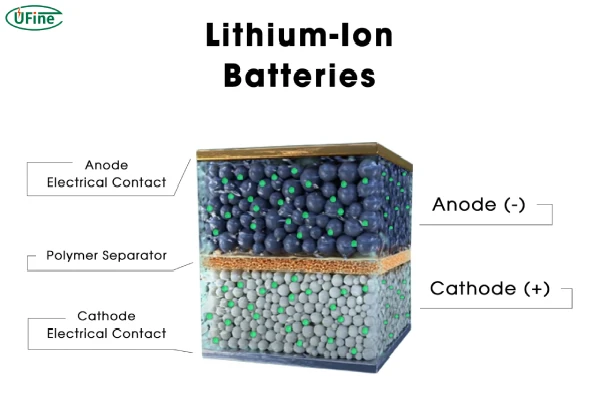
To understand why lithium batteries might leak, let’s start with how they’re built. These little powerhouses are made up of four main components:
- Cathode and Anode: These are the positive and negative electrodes. They store lithium ions during the charging and discharging processes.
- Electrolyte: This liquid or gel allows lithium ions to move between the cathode and anode. It’s a crucial component, but it’s also the part most likely to leak.
- Separator: Think of this as a safety net. It keeps the cathode and anode from touching each other, preventing short circuits.
- Casing: This is the tough outer shell that holds everything together and protects the battery from damage.
When these parts work harmoniously, your battery performs well. But if one part fails—like the casing cracking or the electrolyte leaking—problems arise.
Part 2. What is battery leakage?
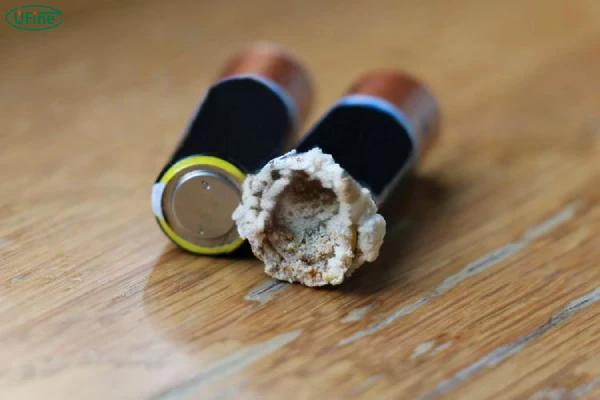
Battery leakage happens when the chemicals inside escape, usually through cracks or damage to the casing. What does it look like? Here’s what you might notice:
- A white, crusty residue around the battery terminals.
- A slimy or oily substance leaking from the casing.
- Swelling, cracks, or physical deformation of the battery.
Learn About the Cathode and Anode of the Battery
Leaking isn’t just a minor inconvenience. It can harm your devices, create safety hazards, and even put your health at risk.
Part 3. Why does battery leak?
Several factors can cause battery to leak. Here’s a closer look:
- Overcharging: Charging a battery beyond its capacity generates heat, which can damage internal components and cause leaks.
- Physical Damage: Dropping or puncturing a battery can crack the casing and let the chemicals out.
- Aging: Batteries don’t last forever. Over time, the materials inside degrade, increasing the risk of leakage.
- Poor Manufacturing: Defective materials or improper assembly during production can lead to leaks.
- Extreme Conditions: High temperatures, excessive moisture, or freezing conditions can compromise the battery’s structure.
Part 4. Will a lithium battery leak?
Understanding these causes can help you take preventative measures.
Lithium batteries contain both liquid electrolytes and solid electrolytes. Theoretically, the probability of lithium batteries leaking is extremely small.
Lithium batteries leak only in certain situations. The main reasons for lithium battery leakage include poor manufacturing quality, improper use, overcharging, mixing of different models of batteries, etc. Lithium battery leakage may cause the battery to fail to work, external deformation, volume expansion, and even cracks. In severe cases, it may cause short circuits and release toxic gases.
In contrast, LiFePO4 Battery is a non-leaking battery. LiFePO4 Battery uses an organic solvent containing lithium salt as the electrolyte. The electrolyte is completely adsorbed on the diaphragm, and there is no flowing liquid, so there is no leakage. This design not only avoids the problem of leakage, but also has the characteristics of large capacity, small size, light weight, high current discharge, and excellent low-temperature performance, which is particularly suitable for high-end and precision digital products.
In contrast, common battery types such as nickel-metal hydride batteries and nickel-cadmium batteries use liquid electrolytes to transfer charge, so if these batteries are damaged or aged, they may leak. The electrolyte of lithium batteries is solid, so even if there is a problem with the battery, the electrolyte inside will not flow out.
Part 5. What does lithium battery leakage look like?
One reason people miss lithium battery leakage is because it doesn’t always resemble the classic white powder associated with alkaline batteries.
Instead, a leaking lithium-ion battery may show subtler symptoms at first.
You might notice an oily or sticky fluid near the battery casing. In other situations, there may be discoloration around terminals, a sweet or metallic chemical smell, or unusual swelling in the battery pack. Some leaking batteries also produce smoke or release vapor shortly before thermal failure.
Here’s a simple comparison:
| Sign | Possible meaning |
|---|---|
| Swelling or puffing | Internal gas buildup |
| Oily liquid | Electrolyte leakage |
| Strong chemical smell | Venting or internal breakdown |
| Heat while idle | Internal short circuit |
| Corrosion near terminals | Electrolyte exposure |
| Smoke or hissing | Critical failure risk |
If you ever notice swelling together with leakage, stop using the battery immediately. That combination often indicates severe internal damage.
Signals of battery leakage
How can you tell if your battery is leaking? Here are some red flags to watch out for:
- Unusual Smells: Leaking batteries often release a chemical odor. If you notice a strange smell around your device, it could be a sign of trouble.
- Swelling or Bulging: A battery that’s swelling is under internal pressure. This is often a precursor to leakage or even explosion.
- Heat: Overheating is another signal. If your device gets unusually hot, turn it off and inspect the battery.
- Corrosion: If the terminals look discolored or corroded, the battery might be leaking.
Ignoring these signs can be dangerous. Always act quickly if you notice anything unusual.
In many cases, leakage appears together with swelling or pressure buildup. Learn more about battery bulging and what causes it.
Part 6. What is the leaked liquid? Is it dangerous?
The liquid leaking from a battery is typically the electrolyte. While it’s essential for the battery’s operation, it’s far from safe. Here’s why:
- It’s Toxic: Electrolytes contain chemicals like lithium salts, which can irritate your skin or eyes and harm your lungs if inhaled.
- It’s Corrosive: This liquid can damage your device’s components and corrode metal parts.
- It’s Flammable: Some electrolytes are highly flammable and can catch fire if exposed to heat or sparks.
Leaking battery fluid is usually related to electrolyte breakdown inside the cell. If you want to understand the chemistry behind it, read our guide to lithium battery electrolyte.
So yes, it’s dangerous. If you suspect a battery is leaking, take it seriously.
Leaking batteries can be dangerous — especially lithium-ion batteries.
The level of danger depends on the battery chemistry, the severity of the leak, and whether the cell is actively overheating.
In alkaline batteries, leakage mainly causes corrosion and skin irritation. Lithium battery leakage is potentially more serious because the electrolyte may be flammable and chemically reactive.
A leaking lithium battery can create several risks:
- Fire hazard from thermal runaway
- Toxic or irritating fumes
- Skin and eye irritation
- Damage to electronics
- Risk of explosion in extreme conditions
What makes lithium-ion battery leakage concerning is that it may indicate an unstable internal reaction. If oxygen and heat build rapidly inside the cell, thermal runaway can occur — a chain reaction where temperature rises uncontrollably.
That doesn’t mean every leaking battery will burst into flames. Most do not. But visible leakage should always be treated as a warning sign rather than a cosmetic issue.
Part 7. What happens if lithium-ion battery leak fluid touches skin?
If lithium battery electrolyte contacts your skin, you may experience irritation, redness, dryness, or a mild chemical burning sensation. The severity depends on the amount of exposure and the battery chemistry involved.
In many small consumer batteries, brief contact may only cause temporary irritation. However, damaged lithium-ion cells can release compounds that should not remain on your skin.
If battery fluid touches you, act quickly but calmly:
- Wash the affected area thoroughly with clean running water
- Remove contaminated clothing or gloves
- Avoid rubbing your eyes or face
- Seek medical attention if irritation continues or burns develop
If electrolyte gets into the eyes, rinse immediately for at least 15 minutes and contact emergency medical services.
Part 8. Lithium battery leakage vs alkaline battery leakage
People often assume all battery leaks are basically the same. They are not.
Traditional alkaline batteries usually leak potassium hydroxide, a corrosive substance that damages electronics over time. Lithium-ion batteries, meanwhile, contain organic electrolyte solutions that can become volatile under heat or pressure.
That’s why lithium battery leakage tends to carry higher fire risk even though it happens less frequently.
| Feature | Lithium-ion battery | Alkaline battery |
|---|---|---|
| Leakage frequency | Lower | Higher |
| Main leakage cause | Damage or overheating | Aging |
| Fire risk | High in severe failures | Very low |
| Leakage appearance | Oily fluid or swelling | White crust |
| Typical hazard | Thermal instability | Corrosion |
This difference is important for both consumers and device manufacturers. A leaking TV remote battery is annoying. A leaking high-capacity lithium battery inside a drone, e-bike, or medical device is a completely different safety scenario.
Part 9. How to deal with leaking battery?
Handling a leaking battery requires caution. Here’s a step-by-step guide to stay safe:
- Protect Yourself: Wear gloves and avoid direct contact with the leaking liquid. If it gets on your skin, wash thoroughly with soap and water.
- Ventilate the Area: Leaking batteries can release harmful fumes. Open windows or work in a well-ventilated space.
- Handle Carefully: Remove the battery from the device, if possible. Use tools to avoid direct handling.
- Dispose Safely: Don’t toss leaking batteries in the trash! Take them to a recycling center or a hazardous waste disposal site.
- Clean Up Spills: Neutralize any leaked liquid with baking soda or vinegar, depending on the type of electrolyte, and wipe up with disposable materials.
Part 10. How to prevent battery from leaking?
Prevention is always better than dealing with a leak. Follow these tips to keep your batteries in good shape:
- Use the Right Charger: Always use a charger recommended by the device manufacturer.
- Avoid Overcharging: Unplug your device once it’s fully charged to prevent overheating.
- Store Properly: Keep batteries in a cool, dry place, away from direct sunlight or moisture.
- Inspect Regularly: Check batteries for signs of damage or wear before using them.
- Handle with Care: Avoid dropping or puncturing batteries, as physical damage can lead to leaks.
- Replace Old Batteries: Don’t push an aging battery to its limits. Replace it before problems arise.
These habits can significantly extend your battery’s life and reduce the risk of leaks.
Part 11. Can leaking batteries still be used?
This is a hard no. Using a leaking battery is incredibly risky. Here’s why:
- It can damage your device. The leaking electrolyte is corrosive and may ruin internal components.
- It poses safety hazards. Leaking batteries can overheat, catch fire, or even explode.
- It’s a health risk. Handling leaking batteries exposes you to toxic chemicals.
If you find a leaking battery, don’t try to fix or reuse it. Dispose of it properly and replace it with a new one.
Part 12. FAQs
Can a lithium battery leak while charging?
Yes. A damaged or overcharged lithium battery may begin leaking during charging, especially if excessive heat builds up inside the cell.
Why does a battery smell strange before leaking?
A sweet, metallic, or chemical odor can indicate electrolyte venting or internal battery failure before visible leakage appears.
Is a swollen lithium battery always leaking inside?
Not always externally, but swelling usually means gas and pressure are building up internally, which can eventually lead to leakage or rupture.
Should you keep using a device after the battery leaks?
No. Continued use may increase the risk of overheating, short circuits, or further chemical exposure.
Can lithium battery leakage damage electronics permanently?
Yes. Electrolyte fluid can corrode internal circuits, connectors, and metal components inside electronic devices.
Can cheap chargers cause battery leakage?
Yes. Poor-quality chargers may provide unstable voltage or excessive current, which stresses the battery and increases failure risk.
Related Tags:

More Articles

JST vs Molex: The Right Battery Connector Choice
JST or Molex for your battery? Learn how connector selection affects current, voltage drop, reliability, and device performance.
Custom Battery Pricing: Costs Manufacturers Don’t Mention
A low battery quote may not be the final cost. Discover common hidden expenses that affect custom lithium battery projects.
Battery Wire Length: Hidden Cause of Power Loss
A longer battery wire can cause voltage drop, power loss, and unstable operation. Learn how wire length affects battery performance.
How Device Sleep Modes Affect Battery Life
Think sleep mode extends battery life? Learn why devices still drain power and how firmware, hardware, and batteries affect runtime.
LiPo Battery and PCB Design: Clearance, Insulation, and Placement
Learn how to optimize LiPo battery PCB clearance, insulation, placement, wiring, and thermal design—and avoid common integration mistakes.