
- Key Takeaways
- Part 1. What is a tubular battery?
- Part 2. What is a flat plate battery?
- Part 3. Tubular vs flat plate battery: key differences
- Part 4. Which battery is better: tubular vs flat plate battery?
- Part 5. Cost analysis: tubular vs flat battery
- Part 6. Tubular vs flat plate battery maintenance comparison
- Part 7. Tubular vs flat plate battery environmental impact
- Part 8. Tubular vs flat plate battery selection guide
- Part 9. Tubular vs flat plate battery FAQs
Choosing between a tubular battery vs flat plate battery is a common decision in backup power and energy storage systems. The right choice depends on how often you cycle the battery, your budget, and the application (solar, UPS, automotive, etc.).
This guide explains the difference between tubular and flat battery, focusing on performance, cost, lifespan, and real-world use cases—so you can make a clear engineering decision.
Key Takeaways
- Tubular batteries are better for deep cycle use like solar and inverters.
- Flat plate batteries are more suitable for short backup and low-cost applications.
- Tubular battery cycle life is typically 2× longer than flat plate designs.
- Flat plate batteries have lower upfront cost, but higher replacement frequency.
- For frequent outages or daily cycling, tubular batteries deliver lower total cost of ownership.
Part 1. What is a tubular battery?
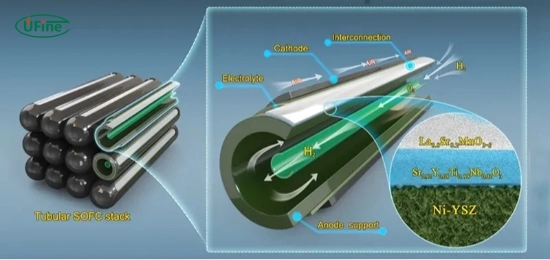
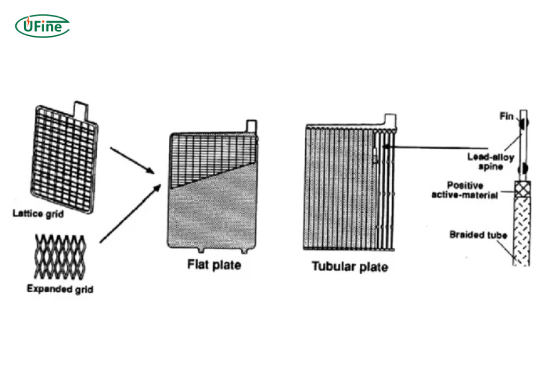
A tubular battery is a type of lead-acid battery that uses tubular positive plates instead of flat grids. This structure improves active material retention and reduces shedding during deep discharge cycles.
👉 Learn more: What is a tubular battery?
Key Features
- Structure: Tubular positive plates with better electrolyte contact
- Deep cycle capability: Handles up to ~80% depth of discharge
- Long lifespan: Typically 1200–1500 cycles
- High reliability: Resistant to plate shedding and corrosion
- Maintenance: Requires periodic water topping (flooded type)
Engineering Insight
The tubular design minimizes active material loss, which is the main failure mode in lead-acid batteries. This is why tubular batteries dominate in solar and inverter applications.
Part 2. What is a flat plate battery?
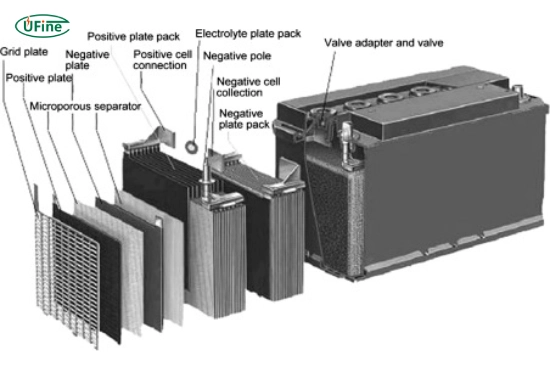
A flat plate battery uses traditional flat lead plates arranged in parallel. It is the most common and cost-effective lead-acid design.
Key Features
- Structure: Flat lead plates with large surface area
- Lower cost: Affordable initial investment
- Moderate performance: Suitable for shallow discharge
- Shorter lifespan: Typically 600–800 cycles
- Maintenance: Similar upkeep (water + terminal cleaning)
Engineering Insight
Flat plate batteries are optimized for high current output (e.g., engine starting), not deep cycling. Repeated deep discharge accelerates plate sulfation and degradation.
Part 3. Tubular vs flat plate battery: key differences
Performance comparison table
| Parameter | Tubular Battery | Flat Plate Battery |
|---|---|---|
| Depth of Discharge | Up to 80% | ~50% recommended |
| Cycle Life | 1200–1500 cycles | 600–800 cycles |
| Lifespan | 5–10 years | 3–5 years |
| Charge Retention | High | Moderate |
| Maintenance | Moderate | Moderate |
| Cost (Initial) | Higher | Lower |
| Cost (Long-Term) | Lower | Higher |
Part 4. Which battery is better: tubular vs flat plate battery?
Solar energy systems
- Best choice: Tubular battery
- Reason: Handles daily deep cycling and long discharge durations
For standards and safety guidance, refer to: NFPA energy storage safety guidelines
Ups and backup power
- Frequent outages: Tubular battery
- Occasional outages: Flat plate battery
Automotive applications
- Best choice: Flat plate battery
- Reason: High cranking current, lower cost
Small or budget systems
- Best choice: Flat plate battery
- Reason: Lower upfront investment for light-duty usage
Part 5. Cost analysis: tubular vs flat battery
- Initial Cost
- Tubular battery: Higher due to complex plate structure
- Flat plate battery: Lower, mass-produced
- Total Cost of Ownership (TCO)
- Tubular battery: Lower over time (longer replacement cycle)
- Flat plate battery: Higher due to frequent replacement
Conclusion:
If your system cycles daily, tubular batteries are more economical long-term.
Part 6. Tubular vs flat plate battery maintenance comparison
- Tubular Battery
- Check electrolyte levels regularly
- Perform equalization charging
- Clean terminals
- Flat Plate Battery
- Similar maintenance routine
- More sensitive to overcharging and deep discharge
Part 7. Tubular vs flat plate battery environmental impact
- Tubular batteries reduce waste due to longer service life
- Flat plate batteries rely on recycling efficiency improvements
Both fall under lead-acid recycling frameworks (over 95% recyclable globally).
Part 8. Tubular vs flat plate battery selection guide
| Use Case | Recommended Battery |
|---|---|
| Solar + inverter (daily cycling) | Tubular battery |
| Home backup (frequent outages) | Tubular battery |
| Home backup (rare outages) | Flat plate battery |
| Automotive starting | Flat plate battery |
| Budget-limited systems | Flat plate battery |
Part 9. Tubular vs flat plate battery FAQs
What is the main difference between tubular and flat plate battery?
The main difference is in plate design and cycle life. Tubular batteries support deeper discharge and last longer, while flat plate batteries are cheaper but wear out faster.
Which is better: tubular battery or flat battery for solar?
A tubular battery is better for solar systems because it can handle deep discharge and daily cycling without rapid degradation.
How long does a tubular battery last?
A tubular battery typically lasts 5–10 years, depending on depth of discharge and maintenance.
Is flat plate battery good for inverter use?
Yes, but only for light or occasional use. For frequent outages, tubular batteries perform better.
Why are tubular batteries more expensive?
They use a complex tubular plate structure, which improves durability and lifespan, resulting in higher manufacturing cost.
Related Tags:

More Articles

Comparative Analysis: 14500 Battery Vs. 18650 Battery
Compare 14500 vs 18650 batteries by size, voltage, capacity, runtime, discharge current, charging, safety, and applications to choose the right cell.
12V Lithium-Ion What Voltage at Fully Charged and Why Your Battery Might Not Reach It
Check the 12V lithium battery voltage chart for 3S Li-ion and 4S LiFePO4. Learn full charge, resting voltage, charger limits, and fault checks.
LiFePO4 Voltage Chart Guide: Everything You Need to Know
Check the LiFePO4 voltage chart for 3.2V, 12V, 24V and 51.2V batteries. Compare SOC, charging voltage, cutoff limits and internal resistance.
Lithium Ion Cell Sizes: A Comprehensive Guide
Compare lithium ion cell sizes with a chart of dimensions, capacity ranges, cell types, applications, and key factors for selecting the right battery.
6 Volt Tractor Battery vs 12 Volt: Which One Fits Your Farm Equipment Best?
Compare 6V and 12V tractor batteries. Learn which voltage fits vintage or modern tractors, which specifications matter, and how to convert safely.


